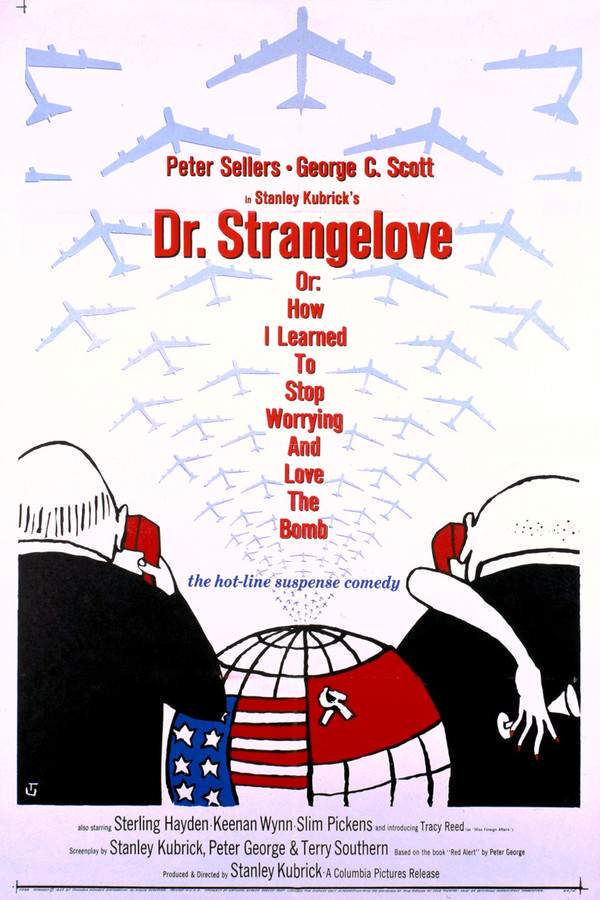
Year: 1964
Runtime: 95 min
Language: English
Director: Stanley Kubrick
Budget: $1.8M
A rash Air Force commander triggers a catastrophic sequence of events, initiating a surprise nuclear attack on Russia. As the world descends into chaos, the U.S. President convenes an emergency war room meeting. Alongside his advisors, he seeks the help of the peculiar Dr. Strangelove and the Soviet premier in a desperate attempt to avert global destruction and find a solution to the unfolding crisis.
Find where to stream, rent, or buy Dr. Strangelove or: How I Learned to Stop Worrying and Love the Bomb (1964) in the US with current JustWatch availability, up-to-date pricing, and platform listings for subscription, rental, and digital purchase options.
Warning: spoilers below!
Haven’t seen Dr. Strangelove or: How I Learned to Stop Worrying and Love the Bomb yet? This summary contains major spoilers. Bookmark the page, watch the movie, and come back for the full breakdown. If you're ready, scroll on and relive the story!
Trace every key event in Dr. Strangelove or: How I Learned to Stop Worrying and Love the Bomb (1964) with our detailed, chronological timeline. Perfect for unpacking nonlinear stories, spotting hidden connections, and understanding how each scene builds toward the film’s climax. Whether you're revisiting or decoding for the first time, this timeline gives you the full picture.
Last updated: January 19, 2025 at 18:49
Find frequently asked questions about the Dr. Strangelove or: How I Learned to Stop Worrying and Love the Bomb (1964) timeline, including chronological order, nonlinear jumps, cause-and-effect links, and scene sequence clarifications. This timeline FAQ helps explain when key events happen, how moments connect, and why the story unfolds in that specific order.
General Ripper believed the United States was already under attack by the Soviet Union, triggering his implementation of 'Plan R'. However, his conviction stemmed from a paranoid belief that communists were fluoridating American drinking water to "sap and impurify" the "precious bodily fluids" of Americans, a theory he claimed came to him during a moment of sexual ecstasy.
Ripper's obsession with "pure bodily fluids" and his distrust of the U.S. government are established early when he restricts access to his base and speaks of communist infiltration.
Plan R is an emergency contingency protocol that allows a senior military officer to launch a nuclear retaliatory strike against the Soviets if the entire regular chain of command, including the President, has been killed in a surprise attack. Ripper exploited this plan to bypass presidential authorization, believing a Soviet decapitation strike had already occurred.
The film establishes early that nuclear deterrence depends on a fragile chain of command, which Plan R inadvertently undermines.
The Doomsday Device is a Soviet automated system designed to annihilate all human and animal life on Earth if a nuclear attack against the Soviet Union is detected. It operates through a network of interconnected computers and cannot be deactivated, any attempt to disable it triggers its self-destruction protocol. Premier Kissoff had secretly installed it just days before announcing it to the world.
The Soviet Ambassador's nervous behavior and Kissoff's mention of "surprises" hint at the device's existence before its full revelation.
The B-52 had been damaged by a Soviet anti-aircraft missile, destroying its communication systems. Because the radio was dead, the bomber could not receive the recall signal. With low fuel and no way to communicate with command, the crew decided to proceed to a secondary target of opportunity.
The damaged communication systems mirror the breakdown of diplomatic communication between the superpowers throughout the film.
Mandrake deduces the recall code from General Ripper's personal doodles and notes. The code is "peace on earth and purity of essence", a phrase reflecting Ripper's obsessive concerns about communist contamination. Mandrake communicates this to Strategic Air Command by using coins from a Coca-Cola machine that Colonel Guano shoots open, since the base's phone lines were cut.
Ripper's obsession with "purity" is repeatedly referenced throughout his rants, making his personal code consistent with his character.
Major Kong rides the bomb because the aircraft's bomb bay doors are jammed. With the plane nearing its target and no other way to release the payload, Kong manually crawls into the bomb bay to open the doors himself. He rides the bomb down to the target, brandishing his cowboy hat in a moment of dark, absurdist humor.
The film's recurring cowboy imagery and American cultural motifs foreshadow this quintessentially American image of riding something to destruction.
Ripper commits suicide when U.S. Army paratroopers storm his base to arrest him. Terrified of being captured and potentially tortured or interrogated to extract the recall code, he chooses to kill himself rather than face interrogation. His paranoia extends even to American forces, as he orders his men to fire on the incoming troops.
Ripper's extreme paranoia about communists and his belief that even Americans might be compromised sets up his violent response to the arrest attempt.
Dr. Strangelove proposes selecting approximately 200,000 people to relocate into a deep mine shaft to survive nuclear fallout and repopulate humanity. He advocates for a gender ratio of ten females per male, selecting women based on physical attractiveness and men based on strength, intellect, and social significance, essentially a survival-of-the-fittest breeding program.
Strangelove's Nazi background and his eccentric, coldly logical personality foreshadow his willingness to apply eugenic thinking to humanity's survival.
Premier Kissoff deliberately kept the Doomsday Device secret to surprise the world. He wanted the dramatic effect of announcing it as a completed surprise, believing that announcing it beforehand would not have the same impact. The device was installed just days before the film's events, leaving the world unaware of its existence until it was too late.
The Soviet Ambassador's nervous references to "surprises" and Kissoff's intoxicated revelation hint at his preference for dramatic reveals.
Dr. Strangelove, a former Nazi scientist, occasionally slips into German and addresses President Muffley as "Mein Führer" or "Mein Präsident", a disturbing remnant of his Nazi past. This occurs alongside his alien hand syndrome, where his right hand in a black glove spontaneously makes Nazi salutes. The other characters largely ignore these outbursts, reflecting the film's satire of how serious-minded people overlook dangerous ideologies.
Strangelove's Nazi background and wheelchair-bound appearance are established from his first appearance, making these slips consistent with his character.
The Soviet Ambassador is secretly photographing the War Room and its occupants using a camera disguised as a pocket watch. He does this covertly while lurking in the shadows, documenting the American response to the crisis. This act adds another layer of Cold War espionage and paranoia to the already tense situation.
The Ambassador's nervous behavior and covert actions throughout the film establish him as a spy collecting intelligence.
The Doomsday Device is triggered when Major Kong's nuclear bomb detonates on Soviet territory. The bomb's explosion is detected by the Doomsday Device's computer network, which interprets it as a nuclear attack on the Soviet Union. This automatic response activates the device's payload, ensuring mutual destruction.
The Doomsday Device's design as an automated response system means any nuclear strike, even an accidental or unauthorized one, will trigger it.
Discover curated groups of movies connected by mood, themes, and story style. Browse collections built around emotion, atmosphere, and narrative focus to easily find films that match what you feel like watching right now.
Stories where flawed institutions and human folly lead to absurd, catastrophic outcomes.If you enjoyed the sharp political and military satire of Dr. Strangelove, explore more movies like it that showcase bureaucratic failure and institutional absurdity. These similar comedies and thrillers use dark humor to critique systems on the brink of self-destruction, offering a cathartic and cynically funny viewing experience.
The narrative typically follows a chain reaction of failures within a large, powerful system. A single, often minor, flaw or a misguided individual triggers a series of events that exposes the inherent absurdity and danger of the entire structure. The plot accelerates towards an inevitable, often bleak, conclusion that serves as the ultimate punchline to the satire.
Movies are grouped here for their shared foundation in satire aimed at large-scale systems, their darkly comedic tone that finds humor in dire circumstances, and their focus on how human error and institutional design flaws can lead to disaster. They share a cynical but hilarious perspective on power.
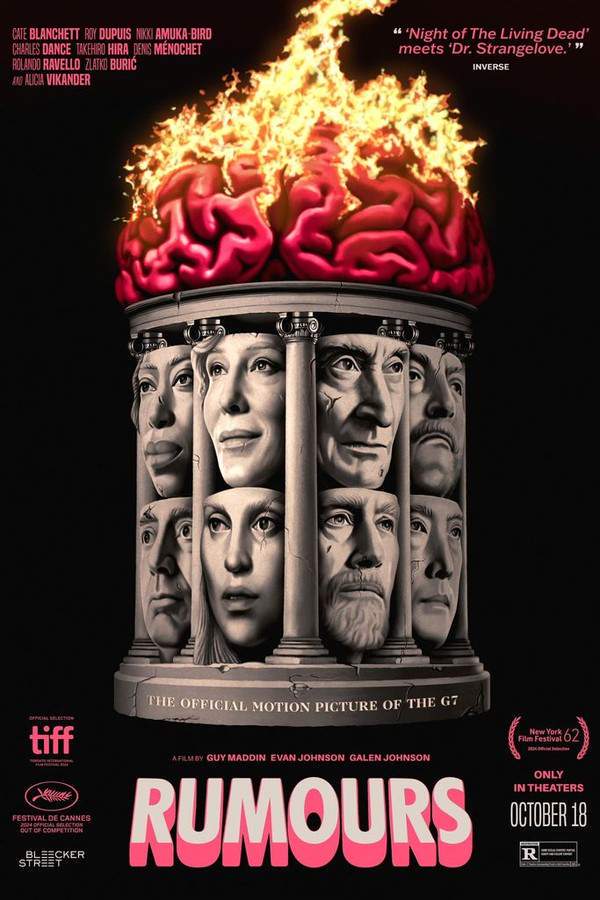
High-stakes thrillers where a catastrophic event races towards an unavoidable climax.Fans of the frantic, high-anxiety pacing and bleak ending of Dr. Strangelove will find more movies like it in this collection of doomsday countdowns. These similar thrillers and dramas feature fast-paced narratives about impending global catastrophe, capturing a feeling of chaotic inevitability and high tension.
The narrative structure is defined by a ticking clock. A catastrophic event is set in motion, and the plot follows the frantic, often futile, attempts to stop it. The story jumps between different locations and characters—from leaders in command centers to individuals on the front lines—creating a mosaic of mounting panic that accelerates towards a devastating, frequently bleak, conclusion.
These movies are grouped by their shared high-stakes premise, their fast and chaotic pacing that creates a palpable sense of urgency, and their emotionally heavy, often bleak, tone. The core experience is one of riding a wave of anxiety towards an inevitable, world-altering event.
Don't stop at just watching - explore Dr. Strangelove or: How I Learned to Stop Worrying and Love the Bomb in full detail. From the complete plot summary and scene-by-scene timeline to character breakdowns, thematic analysis, and a deep dive into the ending - every page helps you truly understand what Dr. Strangelove or: How I Learned to Stop Worrying and Love the Bomb is all about. Plus, discover what's next after the movie.
Read a complete plot summary of Dr. Strangelove or: How I Learned to Stop Worrying and Love the Bomb, including all key story points, character arcs, and turning points. This in-depth recap is ideal for understanding the narrative structure or reviewing what happened in the movie.
Discover the characters, locations, and core themes that shape Dr. Strangelove or: How I Learned to Stop Worrying and Love the Bomb. Get insights into symbolic elements, setting significance, and deeper narrative meaning - ideal for thematic analysis and movie breakdowns.
Get a quick, spoiler-free overview of Dr. Strangelove or: How I Learned to Stop Worrying and Love the Bomb that covers the main plot points and key details without revealing any major twists or spoilers. Perfect for those who want to know what to expect before diving in.
Visit What's After the Movie to explore more about Dr. Strangelove or: How I Learned to Stop Worrying and Love the Bomb: box office results, cast and crew info, production details, post-credit scenes, and external links - all in one place for movie fans and researchers.
Discover movies like Dr. Strangelove or: How I Learned to Stop Worrying and Love the Bomb that share similar genres, themes, and storytelling elements. Whether you’re drawn to the atmosphere, character arcs, or plot structure, these curated recommendations will help you explore more films you’ll love.
Dr. Strangelove or: How I Learned to Stop Worrying and Love the Bomb (1964) Plot Summary & Movie Recap
Dr. Strangelove or: How I Learned to Stop Worrying and Love the Bomb (1964) Scene-by-Scene Movie Timeline
Dr. Strangelove or: How I Learned to Stop Worrying and Love the Bomb (1964) Spoiler-Free Summary & Key Flow
Movies Like Dr. Strangelove or: How I Learned to Stop Worrying and Love the Bomb – Similar Titles You’ll Enjoy
Airplane! (1980) Story Summary & Characters
Catch-22 (1970) Full Movie Breakdown
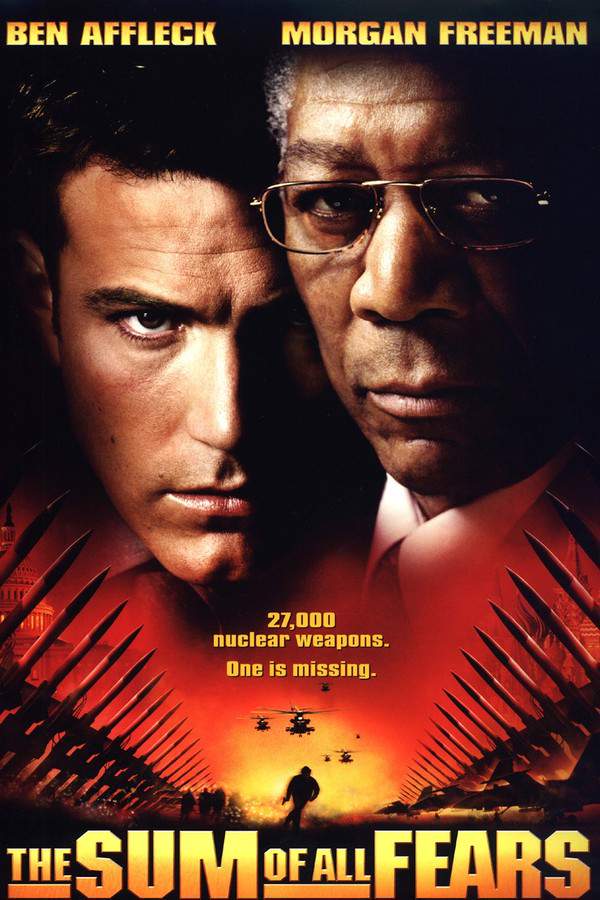
The Sum of All Fears (2002) Full Summary & Key Details
Air Force One (1997) Plot Summary & Ending Explained
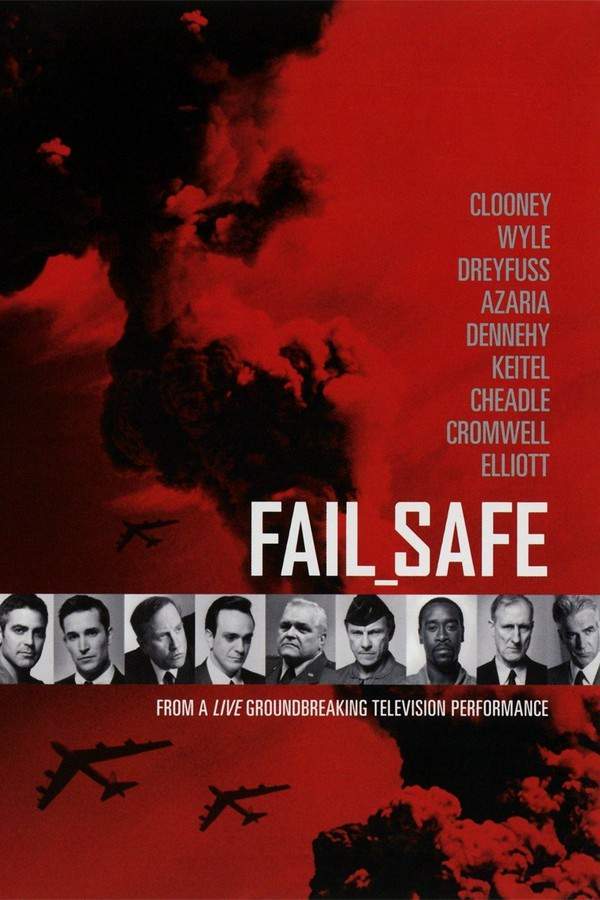
Fail-Safe (1964) Full Summary & Key Details
Fail Safe (2000) Spoiler-Packed Plot Recap
Dr. Plonk (2007) Full Summary & Key Details
By Dawn’s Early Light (1990) Ending Explained & Film Insights
Panic in the City (1968) Movie Recap & Themes
Invasion, U.S.A. (1952) Plot Summary & Ending Explained
The Flying Missile (1950) Spoiler-Packed Plot Recap
Dr. Goldfoot and the Girl Bombs (1966) Plot Summary & Ending Explained
Twilight’s Last Gleaming (1977) Film Overview & Timeline
Rocket Attack U.S.A. (1960) Movie Recap & Themes
Atomic War Bride (1960) Spoiler-Packed Plot Recap