Plot Explained Spoilers guaranteed!
Plot Explained

Browse by genre

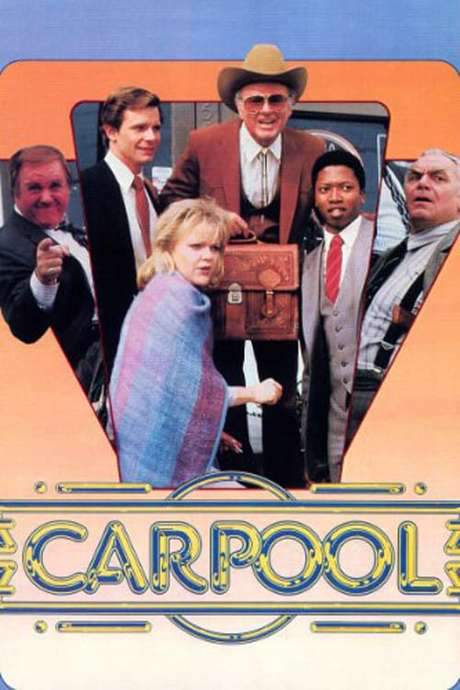
Carpool (1996) movie poster

Plot Summary

Carpool (1996) Plot Summary Explained

Release, runtime and language
1996 · 89 min · English
JustWatch #2,772 27
Directed by
Arthur Hiller
Starring
Tom Arnold, David Paymer

Three strangers with vastly different backgrounds find themselves sharing a carpool to Atlanta after their flights are cancelled. What begins as an inconvenience quickly evolves into an unexpected journey. As they travel together, they encounter humorous situations and surprising revelations, ultimately leading them on a road filled with self-discovery and a deeper understanding of one another.

On this page (6)
  1. 1 Where to watch
  2. 2 What happens: full plot
  3. 3 Plot questions answered
  4. 4 Movie threads
  5. 5 Movies like Carpool
  6. 6 Every angle

Where to watch

Where to Watch Carpool (1996)

Where can you watch Carpool? Stream, rent or buy it in the US, including on Amazon Prime Video, Tubi TV and YouTube Free: current JustWatch availability with up-to-date prices.

Streaming availability powered by JustWatch

Full plot summary · contains spoilers

What Happens in Carpool: Full Plot Summary

The whole story of Carpool (1996) explained, from the opening scene to the final frame: every key event, every twist and what it all adds up to. Read it as a quick recap before the sequel, to check a scene you missed, or to finally understand what really happened.

A frenetic advertising executive’s routine day spirals into a chaotic, heartwarming misadventure in this offbeat dramedy that keeps a family bond at its core. Starring Tom Arnold and David Paymer, the story opens with a workaholic father racing against time as his wife, Diane, falls sick with a stomach bug. With his big ad campaign for Hammerman’s—the expansive chain of gourmet markets—hanging in the balance, he initially refuses to drive his kids to school until Diane’s guilt trip nudges him toward the carpool. What starts as a reluctant ride soon swells into a motley convoy: his two sons, Bucky and Andrew, join him; Kayla and her younger sister Chelsea hop in as well; and a local oddball named Travis tags along, turning a simple commute into a floating neighborhood of personalities.

As the group winds through town, a parallel thread unfolds. Franklin Laszlo, the beleaguered owner of Laszlo Brothers Carnival, faces a dead-end future and reluctantly decides to pull off an armed robbery to keep his business afloat. The scene collides with Hammerman’s when Franklin steps into the market where the father is buying treats for the kids. Coincidentally, a duo of gunmen, Neil and Jerry, plan their own store robbery, setting into motion a tense standoff that draws in the old woman shopper, the off-duty detective Lt. Erdman, and ultimately Franklin. Through a cascade of misunderstandings, Franklin ends up taking the father hostage, escaping with money from the safe, and dragging Daniel and the children along as they flee toward an uncertain fate.

What follows is a string of misadventures that stitches a fragile, makeshift family together. The caravan stops for a restroom break at a hair salon; the group slips through disguises to dodge the pursuing police; and they’re chased by Martha, an obsessive meter maid who keeps a wary eye on their every move. Across this chaotic backdrop, Franklin’s real motive for the crime slowly comes into focus: the money exists not for greed but to rescue his carnival and give his son Keith a birthday present on his twelfth birthday, a detail that softens the harsh edges of his actions.

The escape leads the improvised band to the carnival itself, where the children can finally revel in rides and the carnival’s familiar glow. The pursuit tightens as Neil and Jerry close in, tracking Franklin by the wallet he dropped in Hammerman’s, and a confrontation erupts around the Ferris wheel. The ride’s controls crumble under pressure, and Daniel—with resourceful use of his presentation materials—manages to jam the mechanism and climb up to rescue Andrew. In a tense turn, Franklin overpowers Neil and Jerry, locking them in the ride’s Zipper ride as he retrieves his wallet. Despite the setback, Daniel realizes he’s too late to attend his original pitch meeting—yet Franklin, moved by their shared predicament, convinces him to proceed.

Back at the office, Daniel delivers a bold, if imperfect, pitch that frames a vision where children, rather than a sterile chain, shape a more appealing future for Hammerman’s. His experiences with the carpool and the carnival give him the backbone to tell Mr. Hammerman that he quits, a moment that shifts the balance of power and signals a new chapter. The authorities arrive to arrest Franklin, but Daniel intervenes with a candid revelation of why the robbery happened and his wish not to press charges. In a surprising turn of fate, the group’s fates converge into a new partnership: Franklin and Daniel become co-owners of the carnival, with Mr. Hammerman supplying the food and keeping the storefront stable.

As the closing credits roll, the film underscores a gentle reminder that even in the midst of chaos, family and collaboration can emerge from crisis. What began as a simple, fraught carpool becomes a catalyst for resilience and reconciliation, with the carnival’s future brightened by renewed purpose and shared responsibility. The final scenes hint at ongoing challenges and small, human disappointments, like Franklin missing a lunch date with his mother, who is seen reacting in a memorable way to a local Sizzler—an ending that plants a note of quirky humor in a story otherwise anchored in warmth and redemption.
Last updated: October 09, 2025 at 15:38

Was this helpful?

Plot questions answered

Carpool Plot Explained: Your Questions Answered

The questions people ask most about Carpool (1996): what happens in the confusing scenes, why the characters do what they do, the twists, hidden details and what the ending means. Each answer contains spoilers.

Q1

Why does Daniel agree to drive the carpool after initially refusing?

Daniel initially refuses because he's focused on his important Hammerman's advertising campaign and sees taking the kids to school as a waste of time. However, his wife Diane becomes sick with a stomach bug and uses guilt to convince him, pointing out that his work always comes first. This emotional pressure is what finally makes him agree to drive his sons Bucky and Andrew to school.

Foreshadowing: Earlier scenes show Daniel prioritizing work over family moments, establishing his reluctance to divert attention from his career.

  • daniel miller
  • diane
  • carpool
  • guilt trip
  • workaholic
Q2

Why does Franklin Laszlo decide to rob Hammerman's market?

Franklin decides to rob Hammerman's because his Laszlo Brothers Carnival is failing and facing closure. With no other options to save his business, he reluctantly turns to armed robbery as a last resort. The robbery is explicitly planned to keep the carnival afloat and provide for his family.

Foreshadowing: The earlier scene establishes the carnival's financial struggles, showing Franklin's desperation as he faces a dead-end future.

  • franklin laszlo
  • carnival
  • robbery
  • hammerman
  • bankruptcy
Q3

How does Franklin end up taking Daniel and the children hostage?

When Franklin enters Hammerman's to commit the robbery, he encounters an already ongoing holdup by gunmen Neil and Jerry. Through a cascade of misunderstandings during the chaotic standoff, Franklin ends up kidnapping Daniel and the kids as part of his escape. He forces them into his van as human shields while fleeing the scene with money from the safe.

Foreshadowing: The timeline shows Franklin's robbery plan colliding with Neil and Jerry's unrelated heist, creating the confusion that leads to the hostage situation.
  • franklin
  • daniel
  • hostages
  • escape
  • neil
  • jerry
Q4

What is Franklin's real motive for the robbery?

Franklin reveals that he didn't rob Hammerman's purely for business survival, he also needed the money to buy his son Keith a birthday present for his twelfth birthday. This detail emerges partway through the escape when he confesses to the group. The birthday present motive humanizes his criminal actions and helps the hostages see him as more than just a dangerous criminal.

Foreshadowing: Franklin's initial appearance shows him as a desperate father figure, foreshadowing that family motivations drive his actions.

  • franklin
  • keith
  • birthday
  • present
  • carnival
  • motive
Q5

How does Daniel rescue Andrew from the Ferris wheel?

During the confrontation at the carnival, Neil and Jerry damage the Ferris wheel's controls while fighting. Andrew becomes trapped in one of the carriages as the ride malfunctions. Daniel uses his presentation materials, the same ones he brought for the Hammerman's pitch, to jam the Ferris wheel's mechanism. He then climbs up the ride and safely pulls Andrew down, saving him from harm.

Foreshadowing: Earlier in the film, Daniel's presentation materials are shown as his prized possession, setting up their later use as a rescue tool.

  • ferris wheel
  • andrew
  • daniel
  • rescue
  • presentation
  • carnival
Q6

Why does Daniel quit his Hammerman's campaign at the end?

Daniel arrives hours late to his pitch meeting after the chaotic day of being held hostage and chased by police. Rather than delivering the prepared corporate presentation, he speaks from his genuine experience with the carpool group and the carnival. He argues for a vision where children shape a more appealing, playful future for Hammerman's rather than a sterile corporate chain. This authenticity leads him to quit, choosing to pursue a different path.

Foreshadowing: Daniel's entire journey through the day forces him to question his priorities, culminating in his willingness to abandon his carefully planned career move.

  • daniel
  • hammerman
  • quit
  • pitch
  • career
  • 广告
Q7

Why does Daniel choose not to press charges against Franklin?

When the police arrive to arrest Franklin, Daniel explains the personal stakes behind the robbery, specifically Franklin's desperate need to save his carnival and provide for his son. Moved by their shared ordeal and understanding of Franklin's true motives, Daniel refuses to press charges. This decision allows Franklin to avoid prosecution and sets up the film's happy ending.

Foreshadowing: The group's growing bond throughout the escape, especially after learning about Keith's birthday present, creates the trust needed for Daniel to show mercy.

  • daniel
  • franklin
  • police
  • charges
  • forgiveness
  • arrest
Q8

What happens to Laszlo Brothers Carnival after the robbery?

After the chaos resolves, Daniel and Franklin become co-owners of the Laszlo Brothers Carnival. Mr. Hammerman agrees to supply food to the carnival, creating a new business partnership that stabilizes both enterprises. The closing scenes show the carnival thriving under the new leadership, transforming from a failing business into a successful venture.

Foreshadowing: The final timeline events establish the collaborative resolution that benefits all parties involved.

  • carnival
  • partnership
  • franklin
  • daniel
  • hammerman
  • ownership
Q9

Who is Martha the meter maid and why does she pursue the group?

Martha is an obsessive meter maid who becomes fixated on the group's car throughout their chaotic escape. She pursues them with relentless zeal, adding comic chaos to the film. Her subplot provides additional tension and humor as the group must evade both the police and her single-minded pursuit.

Foreshadowing: Martha appears early in the chase sequence, establishing her as an persistent obstacle beyond the main criminal conflict.

  • martha
  • meter maid
  • chase
  • police
  • pursuit
  • comedy
Q10

Why does Franklin miss his lunch date with his mother at the end?

In the closing credits, it's revealed that Franklin misses a lunch date with his mother. Rather than explaining the absence, the film shows his mother reacting furiously to a local Sizzler restaurant, a humorous callback to the earlier tension. This scene provides comic relief and underscores the film's theme that even in success, small human disappointments persist.

Foreshadowing: The earlier reference to Franklin's mother sets up this comedic payoff in the closing moments.

  • franklin
  • mother
  • lunch
  • sizzler
  • credits
  • comedy

Movie threads

More Movies Like Carpool, by Mood & Story

Curated lists built around what makes Carpool tick: the same mood, the same kind of story or the same emotional payoff. Each list explains why these movies belong together.

Comedic Chaotic Road Trip Movies like Carpool

Road trips where misadventures and unlikely friendships collide. If you enjoyed the chaotic journey and unexpected friendships in Carpool, you'll love these movies. This list features road trip comedies where a series of misadventures bring a group of strangers together, filled with humor, heart, and fast-paced fun.

  • humorous
  • chaotic
  • heartwarming
  • road trip
  • misadventures
  • quirky
  • Tone: light, humorous, heartwarming
  • Pacing: fast, escalating
Why these movies?

The story pattern: Stories typically begin with a simple travel plan that immediately goes awry, escalating into a series of comedic misadventures and chases. The confined space of a vehicle forces characters with clashing personalities to interact, leading to conflict, collaboration, and eventual mutual understanding, culminating in a positive resolution for all.

Why they belong together: These films are grouped by their shared high-energy, humorous tone and the classic road trip structure. They prioritize fast-paced, escalating chaos balanced with a sincere emotional core about connection, making the viewing experience consistently lighthearted and uplifting.

Funny Crime Caper Movies like Carpool

Well-intentioned plans spiral into absurd and funny chaos. For fans of the hilarious criminal mishaps in Carpool, this list features comedies where a simple plan goes absurdly wrong. Discover movies with lighthearted tones, fast pacing, and plots centered on bungled crimes that lead to chaos and camaraderie.

  • absurd
  • quirky
  • chaotic
  • farcical
  • humorous
  • crime gone wrong
  • Tone: light, absurd, farcical
  • Pacing: fast, escalating
Why these movies?

The story pattern: The narrative pattern involves an ordinary person or group attempting a desperate or ill-conceived act, which immediately triggers a domino effect of failures and complications. The stakes feel high but are undercut by constant slapstick and farcical situations, ensuring the tone remains comedic while the plot escalates toward a resolution that often involves redemption or a happy accident.

Why they belong together: These films are united by their specific blend of a criminal premise with a light, farcical execution. They share a fast pace, medium intensity derived from chases and close calls, and a core message that humor and human connection can emerge from the most chaotic situations.
If you liked this

Movies Like Carpool

Similar movies to Carpool: the same genre, themes or kind of story. Each one comes with its own plot summary, timeline and ending explained.

Browse all movie summaries

Every angle

Carpool (1996) Explained: Plot, Timeline & Characters

Everything about Carpool in one place: what happens in the plot summary, the timeline in chronological order, the characters and meaning and a spoiler-free summary. What's After the Movie adds the cast, box office and post-credit scenes.

Coming soon on iOS and Android

The Plot Explained Movie Summary App

Plot summaries, endings explained and timelines on your phone. Catch up on any movie in minutes, save your favorites and never miss a twist again.

Be the first to know when we launch. Your email stays private, always.

Learn more about the app