Year: 1943
Runtime: 63 mins
Language: English
Director: Reginald Le Borg
Losing the memory of the past few days, neurologist Dr. Steele is informed that his wife has been brutally murdered. Aware of his wife's infidelity, he begins to suspect he may have killed her. To uncover the truth, he turns to his attractive nurse, Stella, and undergoes hypnosis, hoping to retrieve the lost memories and solve the mystery.
Get a spoiler-free look at Calling Dr. Death (1943) with a clear plot overview that covers the setting, main characters, and story premise—without revealing key twists or the ending. Perfect for deciding if this film is your next watch.
In the hushed corridors of a bustling urban hospital, Dr. Mark Steele moves with the practiced confidence of a neurologist whose life has been built on understanding the mind. His reputation rests on a precise gift: the use of hypnosis to unlock hidden memories for his patients. Yet the steady rhythm of his professional world begins to crack as his personal life unravels, his marriage to Maria fraying under the weight of secrets and unspoken resentment. The film paints this domestic tension with a cool, methodical palette, letting the ordinary details of evening routines hint at something far darker simmering beneath the surface.
When the weekend slips away in a bewildering blackout, Mark awakens to a world that feels both familiar and alien. Fragmented recollections and a disorienting sense of loss set the stage for a psychological puzzle that threatens to upend his identity. The atmosphere grows taut with a lingering dread, as every quiet hallway and reflective surface seems to echo with questions that refuse to settle. This shrouded premise places the audience in the same precarious position as the doctor: unsure of what truly happened, and even more unsure of whom to trust—including himself.
Into this cloud of uncertainty steps his striking nurse, Stella, whose calm professionalism masks a subtle, magnetic pull. She becomes both confidante and catalyst, encouraging Mark to confront the gaps in his memory through the very technique that defines his career. Their interactions crackle with an undercurrent of unspoken desire and professional tension, offering a fragile lifeline as he teeters on the brink of self‑doubt. Meanwhile, the looming presence of law enforcement adds a relentless, procedural counterpoint to the film’s more intimate, introspective mood.
The tone of Calling Dr. Death is a seamless blend of noir‑styled suspense and clinical coolness, wrapped in a stylishly muted aesthetic that mirrors the protagonist’s own attempt to compartmentalize chaos. It invites viewers to linger in the uneasy space where truth is as pliable as a hypnotic suggestion, and where the line between victim and perpetrator blurs under the soft glow of flickering office lights. The result is a compelling, atmosphere‑driven setup that leaves the audience longing for the first glimpse of what lies hidden in the mind’s darkest corners.
Last Updated: December 05, 2025 at 09:57
Discover curated groups of movies connected by mood, themes, and story style. Browse collections built around emotion, atmosphere, and narrative focus to easily find films that match what you feel like watching right now.
Stories where lost memories hide a terrible truth and sow deep paranoia.If you liked the tense amnesia-driven mystery of 'Calling Dr. Death', explore more movies where characters wake up to a blank slate and a terrible crime. These psychological thrillers use memory loss to build suspense, paranoia, and a race against time to uncover the truth.
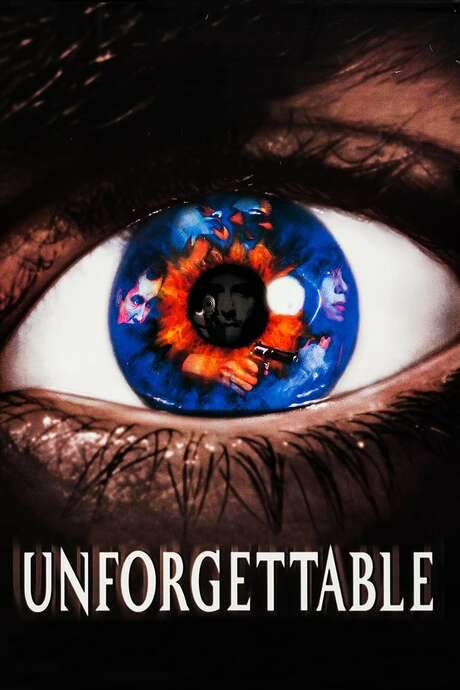
The narrative typically begins with a protagonist suffering from amnesia, often surrounding a traumatic event like a murder. They must become a detective of their own life, encountering suspicious characters and contradictory clues. The journey is as much about uncovering external facts as it is about confronting the possibility of their own hidden darkness, leading to a climactic revelation of the true events.
Movies are grouped here for their shared central device of amnesia as a plot engine. They create a specific viewing experience defined by a disoriented perspective, a constant questioning of reality, and a deep-seated anxiety about the protagonist's potential guilt, making the audience active participants in solving the mystery.
Dark tales where personal treachery leads to psychological unraveling and moral crisis.Discover more movies like 'Calling Dr. Death' that explore the dark intersection of psychological suspense and personal betrayal. If you enjoyed the themes of infidelity, guilt, and a tormented protagonist, these films deliver similar tense, character-driven thrillers where trust is the first casualty.
The plot is catalyzed by a profound personal betrayal, which is frequently linked to a crime. The protagonist, often emotionally vulnerable or morally conflicted, becomes entangled in the investigation, sometimes as a primary suspect. The narrative follows their internal struggle with guilt and their external quest for the truth, culminating in a resolution that exposes the betrayer but often leaves emotional scars.
These films are united by their core thematic focus on betrayal and its psychological consequences. They share a tense, moody atmosphere and a medium emotional weight, prioritizing the protagonist's internal drama alongside the external mystery. The pacing is typically steady, building suspense through character revelation rather than action.
Don't stop at just watching — explore Calling Dr. Death in full detail. From the complete plot summary and scene-by-scene timeline to character breakdowns, thematic analysis, and a deep dive into the ending — every page helps you truly understand what Calling Dr. Death is all about. Plus, discover what's next after the movie.
Read a complete plot summary of Calling Dr. Death, including all key story points, character arcs, and turning points. This in-depth recap is ideal for understanding the narrative structure or reviewing what happened in the movie.
Track the full timeline of Calling Dr. Death with every major event arranged chronologically. Perfect for decoding non-linear storytelling, flashbacks, or parallel narratives with a clear scene-by-scene breakdown.
Discover the characters, locations, and core themes that shape Calling Dr. Death. Get insights into symbolic elements, setting significance, and deeper narrative meaning — ideal for thematic analysis and movie breakdowns.
Visit What's After the Movie to explore more about Calling Dr. Death: box office results, cast and crew info, production details, post-credit scenes, and external links — all in one place for movie fans and researchers.
Discover movies like Calling Dr. Death that share similar genres, themes, and storytelling elements. Whether you’re drawn to the atmosphere, character arcs, or plot structure, these curated recommendations will help you explore more films you’ll love.
Calling Dr. Death (1943) Scene-by-Scene Movie Timeline
Calling Dr. Death (1943) Movie Characters, Themes & Settings
Calling Dr. Death (1943) Spoiler-Free Summary & Key Flow
Movies Like Calling Dr. Death – Similar Titles You’ll Enjoy
Doctor Death (2019) Story Summary & Characters
Doctor Sleep (2002) Full Movie Breakdown
Phantom of Death (1988) Detailed Story Recap
D.O.A. (1988) Movie Recap & Themes
Dr. M (1990) Story Summary & Characters
Where Danger Lives (1950) Complete Plot Breakdown
Scared to Death (1946) Plot Summary & Ending Explained
Theatre of Death (1967) Film Overview & Timeline
Phantom Lady (1944) Spoiler-Packed Plot Recap
Death Falls Lightly (1972) Movie Recap & Themes
Dark and Stormy Night (2009) Movie Recap & Themes
The Crime Doctor’s Warning (1945) Movie Recap & Themes
Shock (1946) Spoiler-Packed Plot Recap
Calling Homicide (1956) Full Movie Breakdown
The Death Kiss (1932) Full Summary & Key Details