






Plot Explained Spoilers guaranteed!
Plot Explained

Browse by genre

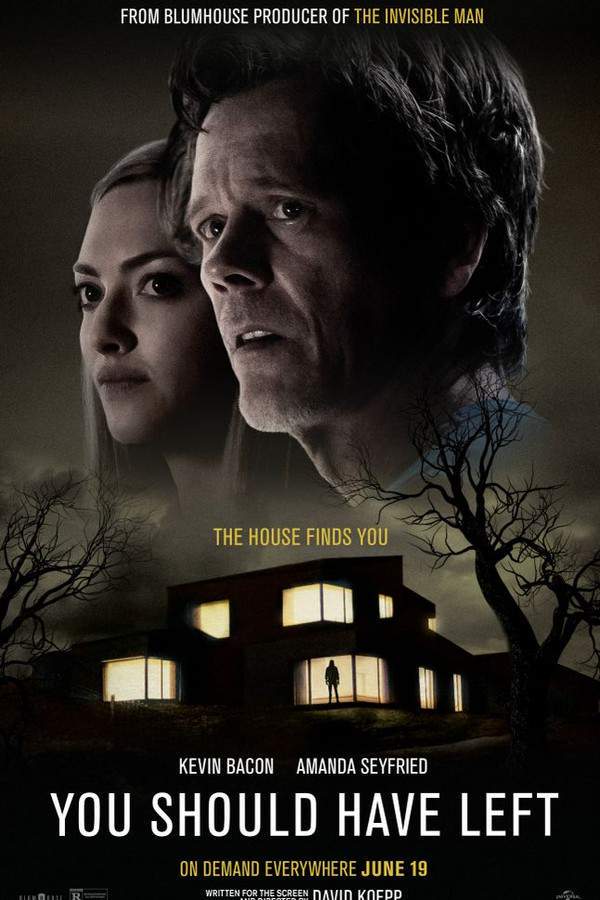
You Should Have Left (2020) movie poster

Ending Explained

You Should Have Left (2020) Ending Explained – Final Scene & Meaning

Release, runtime and language
2020 · 93 min · English
Echo score 48
JustWatch #5,251 23
Directed by
David Koepp
Starring
Amanda Seyfried, Kevin Bacon, Geoff Bell, Avery Tiiu Essex, Colin Blumenau, Eli Powers

A writer and his wife travel to a remote, modernist house in the Welsh countryside for a restorative vacation. However, their trip takes a disturbing turn as the couple's strained marriage is tested and unsettling events occur. The writer, Theo, becomes increasingly convinced that the house and its surroundings conceal a sinister history, blurring the lines between reality and paranoia and threatening his family's stability.

On this page (8)
  1. 1 Where to watch
  2. 2 What happens at the end
  3. 3 Final events in order
  4. 4 Ending questions answered
  5. 5 The book behind the movie
  6. 6 Movie threads
  7. 7 Movies like You Should Have Left
  8. 8 Every angle

Where to watch

Where to Watch You Should Have Left (2020)

Where can you watch You Should Have Left? Stream, rent or buy it in the US, including on Peacock Premium Plus, Amazon Video and Apple TV Store: current JustWatch availability with up-to-date prices.

Streaming availability powered by JustWatch

Ending explained · contains spoilers

What Happens at the End of You Should Have Left?

How You Should Have Left (2020) ends, what the final scene means, which earlier moments set it up and how to read the ending if the film leaves it open. The full ending explained, with every spoiler.

At the end of You Should Have Left, Theo chooses to stay behind in the house, accepting his guilt and sins rather than leaving with his wife Susanna and daughter Ella. His decision is deeply tied to his past: he feels unworthy of redemption because of his previous actions, especially his failure to save his first wife from drowning—a moment that haunts him. The house in the film symbolizes more than just a haunted residence; it represents purgatory, a spiritual limbo for those burdened by guilt and sins they can't or won't confront. Theo's religious upbringing influences this view, as he struggles with the idea that his past mistakes condemn him to eternal punishment.

The house appears to target people like Theo, who carry heavy guilt, because it "finds" those destined for damnation—though the film doesn't specify the severity of sins, Susanna's infidelity does not seem enough to condemn her, allowing her to leave. Theo, however, believes he's truly unredeemable and thus is trapped. His guilt over his wife's death and his own selfish choices make him feel he belongs in this limbo. By staying, Theo is making a final act of penance; he accepts his sins and the suffering they cause, refusing to run from his past anymore. This ending underscores that the real horror lies not in the house itself, but in the torment of inner guilt and unresolved trauma that each character carries with them.

The title hints at the movie's core message—if Theo had just left his wife instead of watching her drown, he might have escaped his torment. Instead, his failure to act led to his spiritual imprisonment. The story suggests that the choices we make shape our destiny, and avoiding responsibility only prolongs suffering. In this way, the house isn't haunted by spirits, but by the weight of past decisions and the persistent guilt that plagues those who refuse to face their sins. Theo's inability to forgive himself seals his fate within the house, leaving viewers with a haunting reflection on the importance of confronting one's past before it consumes you.

Last updated: June 25, 2025 at 09:00

Was this helpful?

The last 4 events

How You Should Have Left Ends: The Final Events in Order

The last events of You Should Have Left (2020) in chronological order, the run-up to the ending explained above. The complete timeline has all 15 events, scene by scene.

Open the full timeline
  1. Exploring the Dream World

    During their final night, Theo falls back into a dream state and encounters a prior version of himself. This surreal journey forces him to confront the traumas of their first visit to the house and the danger it harbors.

    Where
    Dream world
  2. Meeting Stetler

    Theo meets the enigmatic figure, Stetler, who eerily resembles him. This encounter challenges Theo to confront his dark obligation, as he becomes entangled in the house's tragic legacy.

  3. A Family's Dark Past

    As Ella returns safely, Theo confesses his past regarding his first wife's death, revealing the emotional toll it has taken on him. This honesty, however, is met with horror from Susanna as reality crumbles around them.

  4. Trapped Within the Home

    In a haunting twist, Theo's soul becomes ensnared in the very home he sought refuge in. The film concludes with the house listed for bookings, leaving the legacy of doom set for the next unsuspecting souls.

    Where
    Vacation home

Ending questions answered

You Should Have Left Ending: Your Questions Answered

The questions people ask most about the ending of You Should Have Left (2020): what the final scene means, how the twist works, what happens to each character and how to read the ending. Each answer contains spoilers.

Q1

Why does Theo choose to stay in the house at the end?

Theo stays because he believes he is unworthy of redemption. His guilt over failing to save his first wife from drowning has convinced him that he belongs in the house, a spiritual limbo for those who cannot face their sins. By staying, he accepts his punishment as an act of penance, refusing to run from his past any longer.

Foreshadowing: Earlier in the film, Theo experiences visions of his first wife's drowning, establishing his unresolved guilt.

  • theo
  • house
  • guilt
  • redemption
  • purgatory
  • ending
Q2

What happens to Susanna and Ella at the end of the movie?

Susanna and Ella are able to leave the house and escape. The house targets individuals burdened with severe guilt, and while Susanna committed infidelity, her sins are not considered grave enough to condemn her. She and Ella drive away while Theo remains trapped inside.

Foreshadowing: The house's supernatural presence is shown to react differently to each character based on their moral burden.

  • susanna
  • ella
  • escape
  • leave
  • house
Q3

What does the house represent in You Should Have Left?

The house symbolizes purgatory, a spiritual limbo where people burdened by guilt and unconfessed sins are trapped. It represents the psychological torment of unresolved trauma and the weight of past decisions. The house doesn't kill its victims through violence; it traps them in endless suffering caused by their own conscience.

Foreshadowing: The house's ever-shifting layout and time loops suggest a space outside normal reality.

  • house
  • purgatory
  • spiritual
  • limbo
  • symbolism
  • horror
Q4

Why does Theo believe he's unredeemable?

Theo carries deep guilt over his first wife's death. He watched her drown and failed to save her, a moment he sees as a moral failure. His religious upbringing reinforces his belief that this sin condemns him to eternal punishment. He views his inability to act as a choice that makes him deserve damnation.

Foreshadowing: Theo's nightmares about the drowning and his fragmented memories reveal his traumatic past.

  • theo
  • guilt
  • first wife
  • drowning
  • unredeemable
  • sin
Q5

What does the title You Should Have Left mean?

The title refers to Theo's fatal mistake with his first wife. If he had 'left' her, meaning abandoned her or let her go, he might have prevented her drowning and escaped his own torment. Instead, his failure to act led to her death and his spiritual imprisonment. The title emphasizes that avoiding responsibility only prolongs suffering.

Foreshadowing: The title's warning echoes throughout the film as Theo faces repeated chances to leave but chooses to stay.

  • title
  • meaning
  • leave
  • responsibility
  • choice
Q6

How does the house choose who gets trapped?

The house appears to 'find' people who are destined for damnation, those carrying heavy guilt and unresolved sins. It doesn't target indiscriminately; instead, it lures in individuals whose conscience already condemns them. Susanna's infidelity is shown to be insufficient for condemnation, allowing her to escape, while Theo's deeper guilt seals his fate.

Foreshadowing: The house reacts more intensely to Theo throughout the film, suggesting it has identified him as its true target.

  • house
  • target
  • sinners
  • guilt
  • damnation
  • elect
Q7

What happened to Theo's first wife?

Theo's first wife drowned, and he was present but failed to save her. This traumatic event haunts him throughout the film through visions and flashbacks. His guilt stems not from causing her death directly, but from his failure to act, a moral failing he cannot forgive himself for.

Foreshadowing: Early scenes show Theo's disturbing dreams and fragmented memories of the drowning incident.

  • first wife
  • drowning
  • theo
  • death
  • guilt
Q8

What is the real horror of You Should Have Left?

The real horror lies not in the supernatural house itself, but in the psychological torment of inner guilt and unresolved trauma. The house is merely a physical manifestation of Theo's mental prison. His inability to forgive himself and confront his past is what truly consumes him, making the ending a meditation on self-destruction rather than external evil.

Foreshadowing: The film's psychological dread builds through Theo's deteriorating mental state rather than jump scares.

  • real horror
  • psychological
  • guilt
  • trauma
  • inner torment
Q9

Is Theo's decision to stay a form of suicide?

Theo's decision is more accurately described as an act of penance rather than suicide. He doesn't seek death, he seeks punishment and closure. By accepting his guilt and refusing to escape, he attempts to find peace through suffering. The ending suggests he will remain in the house's loop indefinitely, trapped by his own conscience rather than actively choosing to die.

Foreshadowing: Theo's religious struggles and discussions about sin and redemption establish his need for atonement.

  • theo
  • penance
  • suicide
  • atonement
  • guilt
  • punishment
Q10

What does the ending say about confronting the past?

The ending emphasizes that avoiding responsibility prolongs suffering. Theo spent years running from his guilt, but the house forces him to face it. His refusal to confront his past before it consumed him leads to his eternal imprisonment. The film suggests that facing one's sins and seeking genuine forgiveness is the only path to escape inner torment.

Foreshadowing: Theo's repeated opportunities to leave represent his chances to confront his past, which he consistently rejects.

  • confront past
  • responsibility
  • suffering
  • forgiveness
  • escape

Movie threads

More Movies Like You Should Have Left, by Mood & Story

Curated lists built around what makes You Should Have Left tick: the same mood, the same kind of story or the same emotional payoff. Each list explains why these movies belong together.

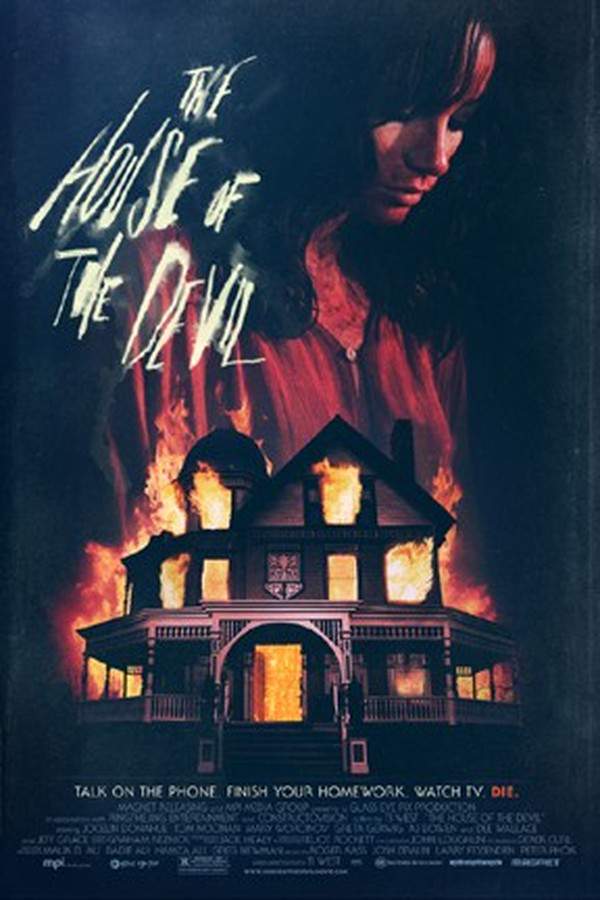
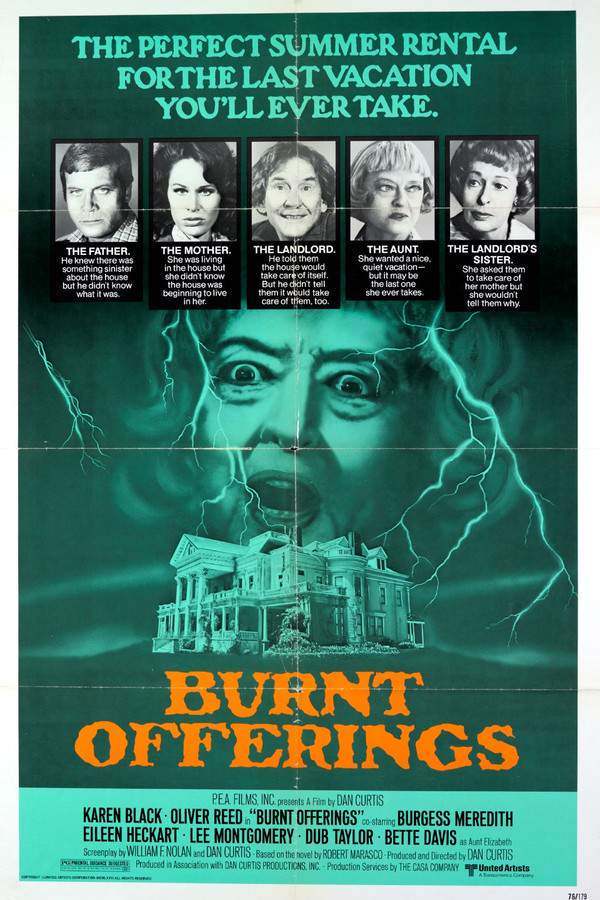
Movies with sentient houses like You Should Have Left

Stories where the building itself is a sinister, sentient antagonist. If you liked the eerie, modernist house in 'You Should Have Left', you'll enjoy these movies where the architecture itself is the villain. This collection features similar horror and thriller stories about buildings that trap, manipulate, and psychologically torment their inhabitants.

  • claustrophobic
  • unsettling
  • psychological
  • paranoid
  • dreamlike
  • oppressive
  • Tone: dark, unsettling
  • Pacing: slow, deliberate
Why these movies?

The story pattern: The narrative typically follows characters who enter a seemingly ordinary or extraordinary building, only to discover it has a will of its own. The structure preys on their secrets and insecurities, warping space and time to create a psychological prison from which there is often no escape.

Why they belong together: They are grouped by the central concept of a sentient or reality-bending location. The shared experience is one of claustrophobic dread and the unsettling idea that the very walls are against you, creating a unique blend of psychological and supernatural horror.


Thrillers about strained marriages like You Should Have Left

Couples confronting their crumbling relationships in remote, tense settings. For viewers who appreciated the marital tension in 'You Should Have Left', this list features similar dramas and thrillers. These movies explore couples facing psychological horrors that force them to confront betrayal and secrets, often leading to bleak conclusions.

  • anxious
  • tense
  • heavy
  • claustrophobic
  • unsettling
  • bleak
  • Tone: dark, tense
  • Pacing: slow burn
Why these movies?

The story pattern: The plot centers on a couple seeking escape or resolution in a remote setting, but their personal demons and fractured trust become the real horror. The isolation amplifies their conflicts, blurring the line between external danger and the internal collapse of their relationship, typically culminating in a tragic or bleak outcome.

Why they belong together: They share a core focus on a dysfunctional marriage as the engine of the drama, intensified by a confined, high-pressure environment. The similarity lies in the heavy emotional weight, the slow revelation of secrets, and the fusion of psychological thriller with relationship drama.

If you liked this

Movies Like You Should Have Left

Similar movies to You Should Have Left: the same genre, themes or kind of story. Each one comes with its own plot summary, timeline and ending explained.

Browse all movie summaries

Every angle

You Should Have Left (2020) Explained: Plot, Ending, Timeline & Characters

Everything about You Should Have Left in one place: what happens in the plot summary, the timeline in chronological order, the characters and meaning, the ending explained and a spoiler-free summary. What's After the Movie adds the cast, box office and post-credit scenes.

Coming soon on iOS and Android

The Plot Explained Movie Summary App

Plot summaries, endings explained and timelines on your phone. Catch up on any movie in minutes, save your favorites and never miss a twist again.

Be the first to know when we launch. Your email stays private, always.

Learn more about the app