
You Don’t Know Jack
Year: 2010
Runtime: 134 mins
Language: English
Director: Barry Levinson
Is this the face of a killer? Controversy and legal problems follow Dr. Jack Kevorkian as he advocates assisted suicide.
Warning: spoilers below!
Haven’t seen You Don’t Know Jack yet? This summary contains major spoilers. Bookmark the page, watch the movie, and come back for the full breakdown. If you're ready, scroll on and relive the story!
Timeline – You Don’t Know Jack (2010)
Trace every key event in You Don’t Know Jack (2010) with our detailed, chronological timeline. Perfect for unpacking nonlinear stories, spotting hidden connections, and understanding how each scene builds toward the film’s climax. Whether you're revisiting or decoding for the first time, this timeline gives you the full picture.
Last updated: November 22, 2025 at 15:59
You Don’t Know Jack (2010) Timeline Questions Answered – Chronology FAQ
Find frequently asked questions about the You Don’t Know Jack (2010) timeline, including chronological order, nonlinear jumps, cause-and-effect links, and scene sequence clarifications. This timeline FAQ helps explain when key events happen, how moments connect, and why the story unfolds in that specific order.
What motivated Dr. Kevorkian to start assisting in suicides?
Kevorkian was motivated by two key experiences: witnessing the suffering of David Rivlin, a quadriplegic who remained trapped in his body, and the painful memory of his own mother Satenig's death years earlier. These experiences convinced him that people deserved a more humane, less painful way to die than what the medical system offered.
Why did Kevorkian switch from the Mercitron to carbon monoxide?
Kevorkian switched to carbon monoxide because obtaining the necessary drugs for his original Mercitron procedure proved extremely expensive and difficult to source. The cost and logistical challenges made the original three-step method (saline, anesthetic, potassium chloride) impractical, so he experimented with a cheaper carbon monoxide approach instead.
What made the Thomas Youk case different from Kevorkian's previous cases?
Unlike his previous patients, Thomas Youk had advanced ALS and could not self-administer the drugs himself. Kevorkian personally administered the fatal dose directly, which crossed a line he had previously maintained. This departure from his standard practice of only providing means for self-administration became the basis for the murder charge.
Why did Kevorkian choose to represent himself at trial?
Kevorkian chose to represent himself at trial, departing from his earlier defense by attorney Geoffrey Fieger. This was a strategic legal maneuver that allowed him to directly challenge the limits of assisted suicide law and make his case directly to the court rather than having an attorney filter his arguments.
Why was Kevorkian convicted of second-degree murder instead of assisted suicide?
Kevorkian was convicted of second-degree murder primarily because he personally administered the fatal dose to Thomas Youk, rather than merely providing the means for Youk to self-administer. This direct action crossed the legal distinction between assisting someone else's self-determined death and actively causing someone's death, which prosecutors argued constituted murder.
Why did the prosecutors become more aggressive after the 1998 election?
In 1998, Oakland County prosecutor Richard Thompson lost his election to David Gorcyca. While Gorcyca was actually more liberal and initially reluctant to pursue cases unless the suicide was not self-administered, the political shift and the Youk case's extreme circumstances led to a more aggressive prosecution approach that ultimately resulted in Kevorkian's indictment and conviction.
How did the Mercitron device work?
The Mercitron was Kevorkian's original device designed to provide a more humane death. It used a three-step intravenous sequence: first a self-administered saline solution, then sodium thiopental to induce a coma, and finally potassium chloride to stop the heart. Kevorkian built the first prototype using parts purchased from a flea market.
Why did Kevorkian allow Thomas Youk's death to be broadcast on television?
Kevorkian allowed the Youk death video to be aired on 60 Minutes during his interview with Mike Wallace as a deliberate strategy to challenge the law and spark public debate about assisted suicide. He wanted to force the legal system to confront the issue directly rather than allow it to remain in legal ambiguity.
What happened to Kevorkian's appeal to the Supreme Court?
After his conviction, Kevorkian sought to have his case heard by the United States Supreme Court as a direct challenge to the constitutional limits of assisted suicide. The Supreme Court declined to hear the case, leaving state law as the primary framework governing assisted suicide and leaving the broader legal question unresolved at the national level.
Why were early prosecutions against Kevorkian unsuccessful?
Early prosecutions failed because Michigan's assisted suicide laws were too weak to directly address Kevorkian's actions. Oakland County prosecutor Richard Thompson struggled to secure a conviction, and the lack of strong statutes meant Kevorkian operated in a legal gray area for years until the Youk case provided clearer criminal conduct to prosecute.
Why was Janet Adkins' death significant in Kevorkian's story?
Janet Adkins was Kevorkian's first patient, a 53-year-old Oregon woman with Alzheimer's disease who died with his help on June 4, 1990. Her case marked the beginning of Kevorkian's active practice and brought national attention to his methods, catalyzing the ongoing debate about assisted suicide that would define his legacy.
What happened after Kevorkian was released from prison?
Kevorkian was released in June 2007 after serving more than eight years of a 10 to 25 year sentence. His release occurred amid continued public debate about assisted suicide, and his case left a lasting impression on how society views end-of-life choices, autonomy, and the role of medicine in dying.

Explore Movie Threads
Discover curated groups of movies connected by mood, themes, and story style. Browse collections built around emotion, atmosphere, and narrative focus to easily find films that match what you feel like watching right now.
Ethical courtroom dramas like You Don’t Know Jack
Stories where legal battles become profound conflicts over morality and justice.Explore movies like You Don’t Know Jack where the legal system is a backdrop for profound moral questions. These films are for viewers who enjoy thought-provoking stories about principled individuals clashing with authority in a tense courtroom setting.

The Heavy Hand of the Law
2017
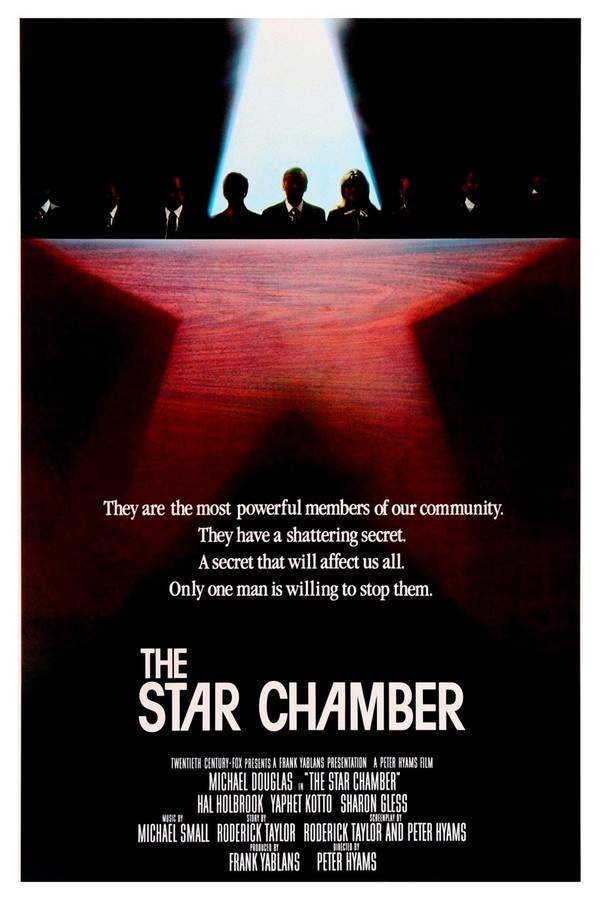
The Star Chamber
1983

The Verdict
1946
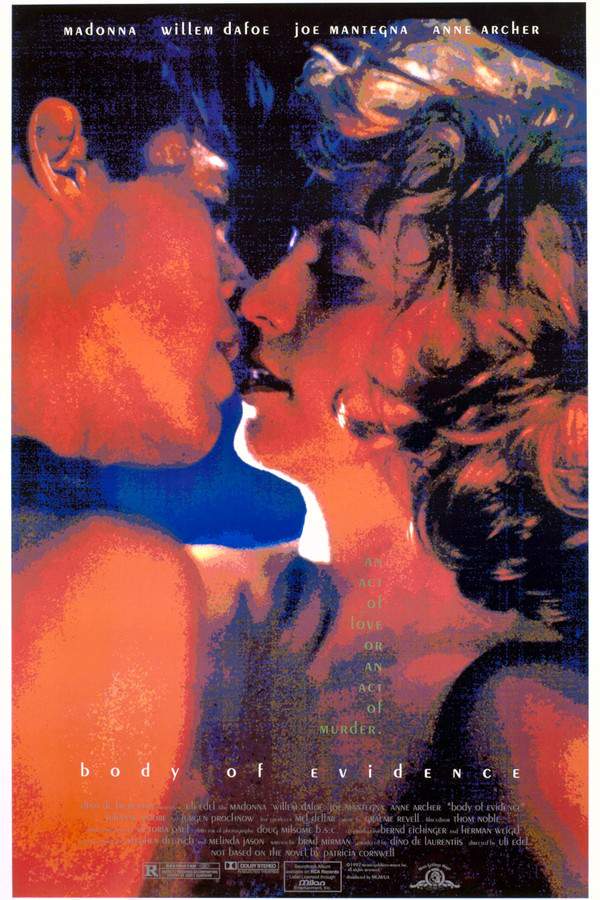
Body of Evidence
1993

The People Against O’Hara
1951
Unbowed
2024
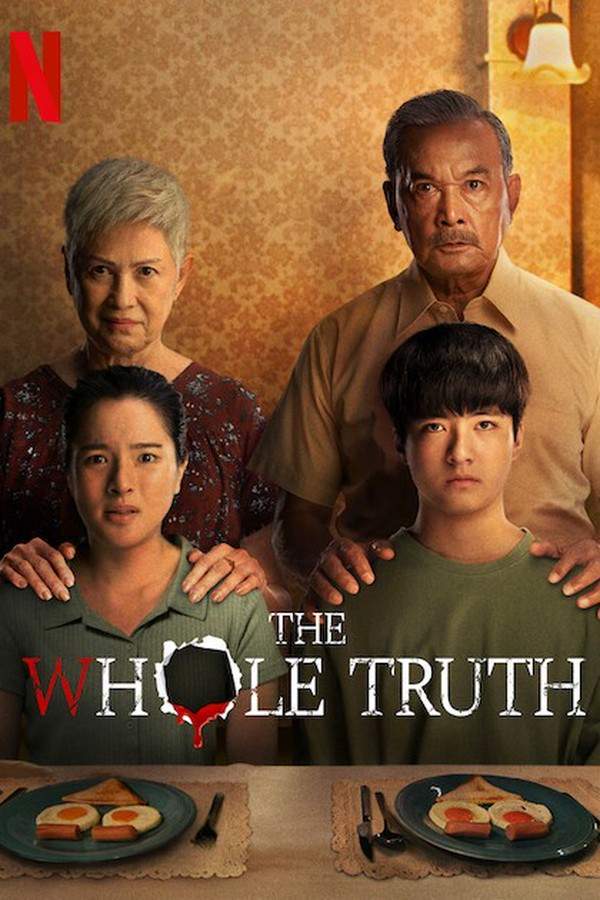
The Whole Truth
2016
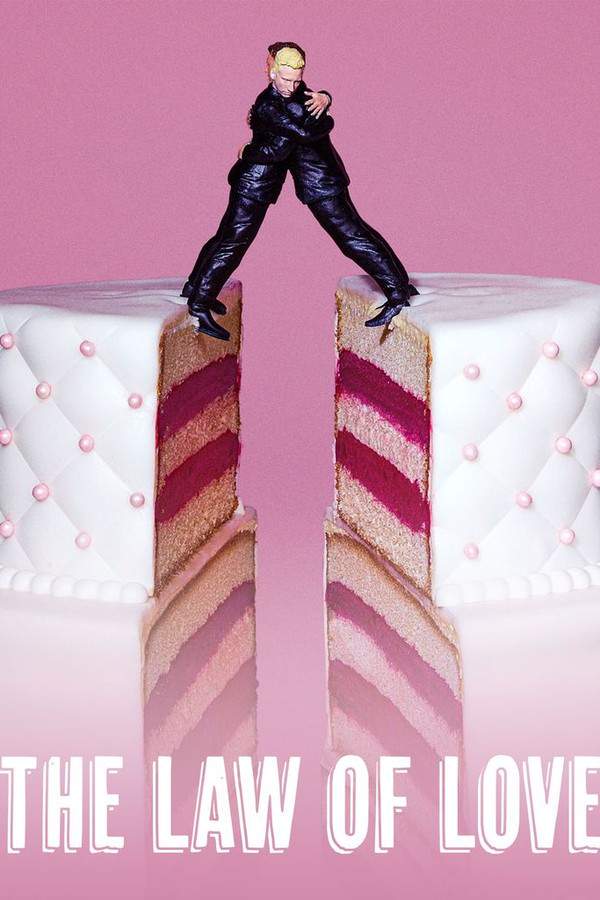
The Law
2010

Blood Oath
1990
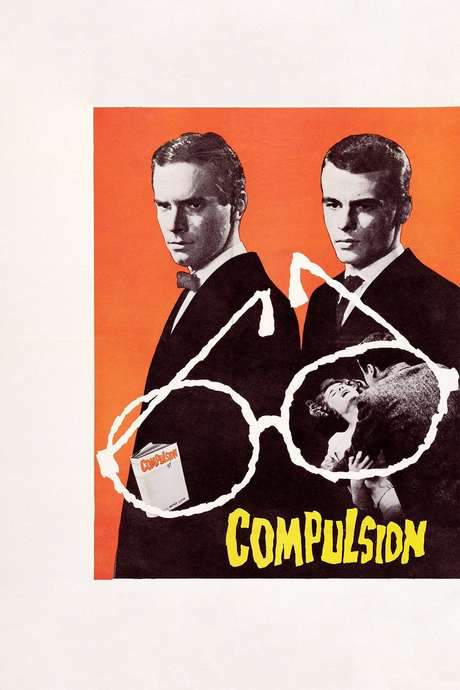
Compulsion
1959
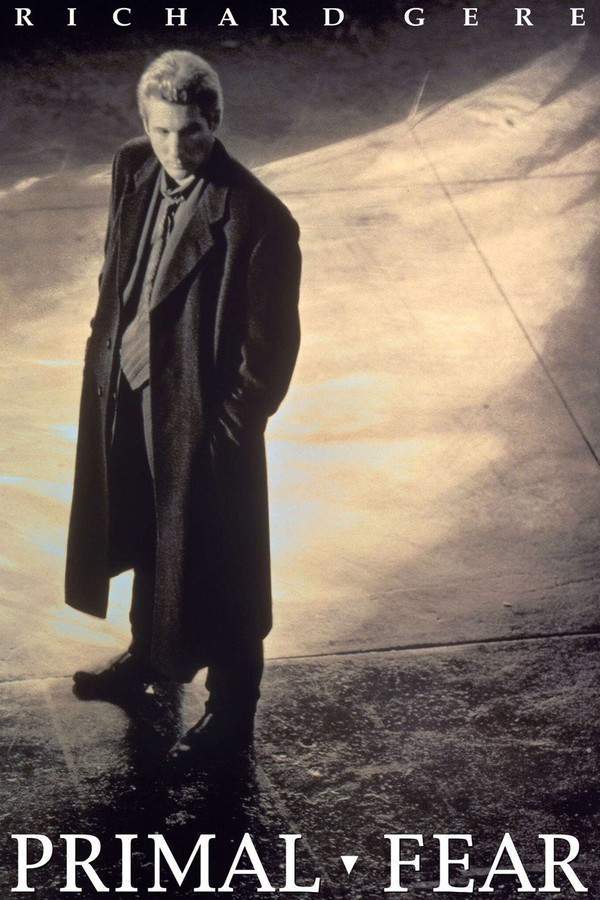
Primal Fear
1996
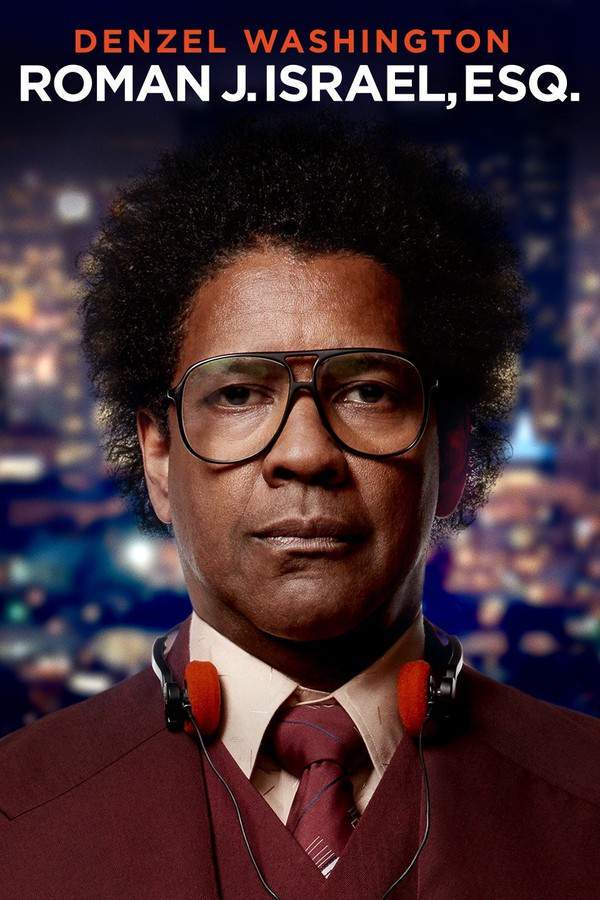
Roman J. Israel, Esq.
2017
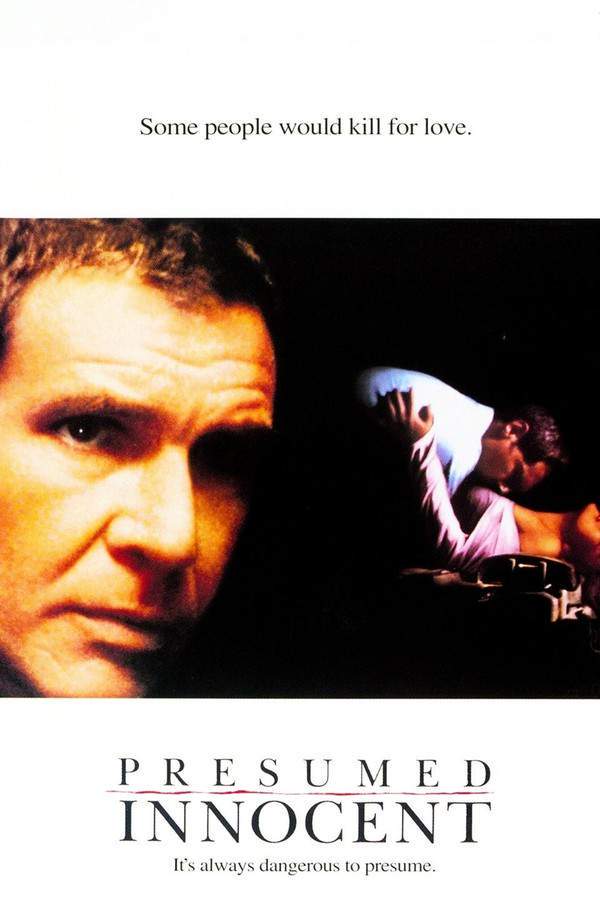
Presumed Innocent
1990

Gosnell: The Trial of America’s Biggest Serial Killer
2018
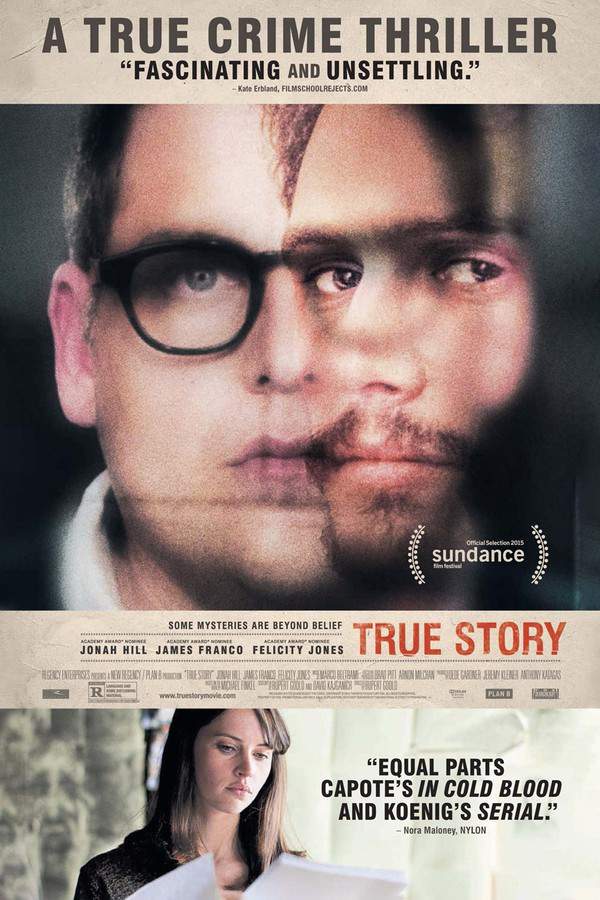
True Story
2015
Narrative Summary
These narratives typically follow a protagonist with a strong, often controversial, moral stance who enters a protracted legal conflict. The plot is driven by legal strategy, public opinion, and ethical arguments, building towards a verdict that resonates beyond the courtroom, questioning societal norms.
Why These Movies?
Movies in this thread share a focus on principled conflict within the legal system. They are united by a serious tone, steady pacing that builds through court procedurals, and the emotional weight of watching an individual’s deeply held beliefs be put on trial.
Somber true stories like You Don’t Know Jack
Unflinching portraits of real-life figures whose actions divided public opinion.If you liked the sobering true story of You Don’t Know Jack, discover other movies about controversial real-life figures. These powerful biographical dramas explore difficult subjects with a serious tone and heavy emotional weight.
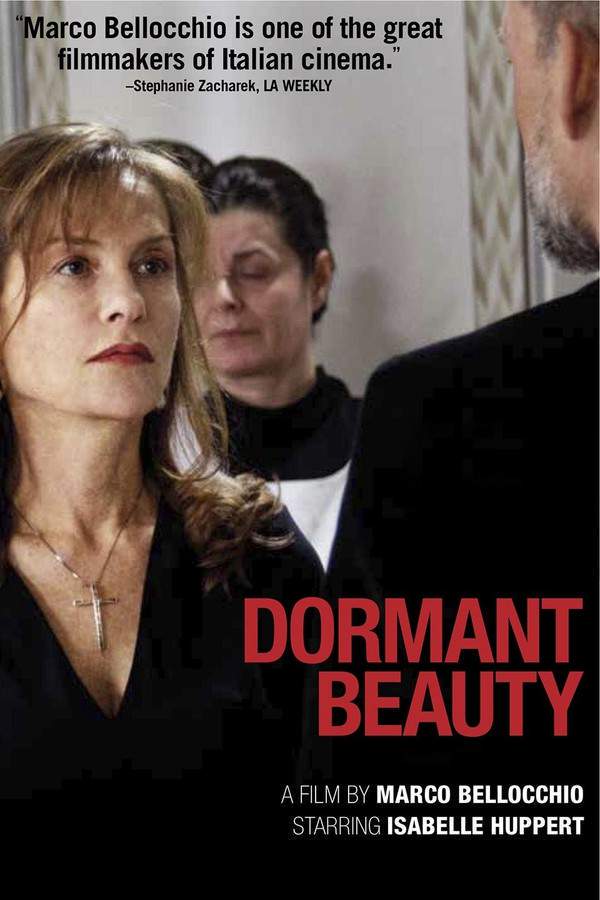
Dormant Beauty
2014

September Dawn
2023
Blood Oath
1990
You Don’t Know Jack
2010
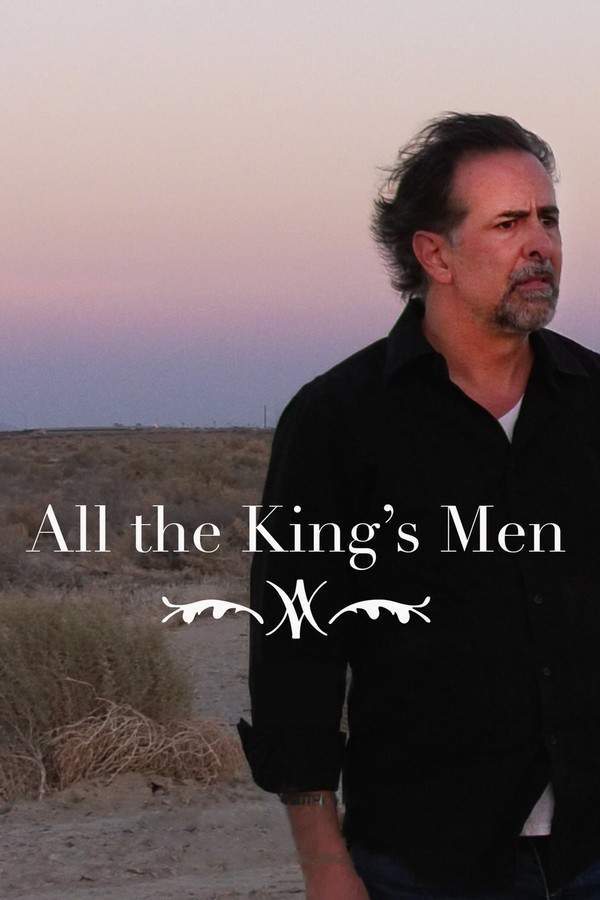
All the King's Men
2006

Silent Scream
1990
Richard III
1956
Anna Nicole Smith: You Don't Know Me
2023

The Executioner’s Song
1982
Socrates
1971

Cast a Dark Shadow
1955

Haunting Sarah
2005

In This Our Life
1942
In the Name of My Daughter
2015

A Hidden Life
2019
Narrative Summary
The narrative follows a chronological arc of the subject's life, focusing on the peak of their controversy and its consequences. The journey is often tragic, showing the personal cost of their public actions, and typically ends on a somber note of imprisonment, ostracization, or martyrdom.
Why These Movies?
These films are grouped by their dark tone, heavy emotional weight, and focus on a real person's difficult fight against mainstream society. They share a somber mood, steady pacing, and a conclusion that feels more tragic than triumphant, leaving a lasting, thought-provoking impact.
Unlock the Full Story of You Don’t Know Jack
Don't stop at just watching - explore You Don’t Know Jack in full detail. From the complete plot summary and scene-by-scene timeline to character breakdowns, thematic analysis, and a deep dive into the ending - every page helps you truly understand what You Don’t Know Jack is all about. Plus, discover what's next after the movie.
You Don’t Know Jack Summary
Read a complete plot summary of You Don’t Know Jack, including all key story points, character arcs, and turning points. This in-depth recap is ideal for understanding the narrative structure or reviewing what happened in the movie.

Characters, Settings & Themes in You Don’t Know Jack
Discover the characters, locations, and core themes that shape You Don’t Know Jack. Get insights into symbolic elements, setting significance, and deeper narrative meaning - ideal for thematic analysis and movie breakdowns.


