The sound of genius. A collection of vignettes highlighting different aspects of the life, work, and character of the acclaimed Canadian classical pianist.
Find where to stream, rent, or buy Thirty Two Short Films About Glenn Gould (1993) in the US with current JustWatch availability, up-to-date pricing, and platform listings for subscription, rental, and digital purchase options.
Warning: spoilers below!
Haven’t seen Thirty Two Short Films About Glenn Gould yet? This summary contains major spoilers. Bookmark the page, watch the movie, and come back for the full breakdown. If you're ready, scroll on and relive the story!
Trace every key event in Thirty Two Short Films About Glenn Gould (1993) with our detailed, chronological timeline. Perfect for unpacking nonlinear stories, spotting hidden connections, and understanding how each scene builds toward the film’s climax. Whether you're revisiting or decoding for the first time, this timeline gives you the full picture.
Last updated: October 09, 2025 at 11:22
Find frequently asked questions about the Thirty Two Short Films About Glenn Gould (1993) timeline, including chronological order, nonlinear jumps, cause-and-effect links, and scene sequence clarifications. This timeline FAQ helps explain when key events happen, how moments connect, and why the story unfolds in that specific order.
Gould walked away from live performances at 32 because he believed a musician is inevitably an autocrat who controls both the performance and audience perception. Rather than continue dealing with the tensions of live concert settings, he chose to communicate with audiences through media, where he could maintain greater control over how his art was presented and received.
Earlier scenes show Gould imagining self-interviews, revealing his habit of questioning his own motivations and manipulating his public image.
The Idea of North was a radio documentary exploring how the harsh environment of Northern Canada shapes solitude and isolation among its residents. Gould considered it one of only five documentaries he ever made about the theme of isolation, and he mentioned intending to shift toward comedy next because he grew weary of serious expression.
Gould insisted on telephone interviews as a deliberate distance mechanism. Interviewers speculated whether his fascination with technology was really a shield, a way to keep others at arm's length while remaining intensely focused on his craft. The phone became both a tool for connection and a barrier against more intimate human interaction.
The film establishes early that Gould values control over his public image and maintains careful boundaries between himself and others.
Friend Margaret Pacsu noticed Gould's bathroom was stocked with Valium, Trifluoperazine and Librax, medications associated with anxiety and mental health management. Gould laughed off the suggestion that he was taking them all simultaneously, and Pacsu observed no personality changes, but the scene hints at the psychological pressures and anxieties that accompanied his life of genius.
When financial markets plummeted, Gould received a tip from the bodyguard of visiting Sheik Yamani to invest in an obscure company called Sotex Resources. This insider information made him the sole client to profit from the financial meltdown, representing an unexpected windfall amid widespread losses.
Despite having strong record sales in Central Europe and Japan, Gould harbored deep anxieties about personal connection and legacy. As his birthday approached, he expressed fear that his funeral would be empty, a reflection of his underlying loneliness and the tension between his public success and private isolation.
Gould died at age 50 from a stroke, ending a remarkable career that redefined classical piano performance. His cousin Jessie Greig later contradicted his fears, stating his funeral was actually heavily attended, reflecting the enduring impact of his artistic legacy.
NASA included Bach's compositions as performed by Glenn Gould aboard Voyager I and Voyager II, creating a cultural testament that extends his influence beyond Earth. This closing detail connects Gould's life to a larger artistic legacy that transcends his lifetime.
Gould's mother played a foundational role in his musical development, he could read music before he could read words and learned Bach directly from her during childhood. He recalled believing his career path was already mapped out by his mother from age five, establishing a lifetime of maternal influence threaded through his work.
Gould engaged in imagined self-interviews as a tool for self-scrutiny, using the format to confront and question his own motivations, particularly the pivotal decision to abandon live performance. This narrative device allowed the film to explore his complex relationship with control, public image, and the tension between his artistic demands and human connection.
Discover curated groups of movies connected by mood, themes, and story style. Browse collections built around emotion, atmosphere, and narrative focus to easily find films that match what you feel like watching right now.
Intimate explorations of the minds and struggles of brilliant creators.If you were fascinated by the introspective look at a creative mind in Thirty Two Short Films About Glenn Gould, explore other movies like it. This thread features similar films about renowned artists and the emotional toll of their brilliance, focusing on character-driven stories of creativity and madness.
Stories in this thread often deconstruct the myth of the 'tortured artist' through a subjective lens, using unconventional structures to mirror the creative process itself. The narrative journey is internal, charting the protagonist's relationship with their art, their struggles with perception, and the ultimate weight of their legacy.
These films are grouped together for their shared focus on the psychological depth of creative individuals. They possess a similar melancholic, reflective mood, a deliberate pacing that allows for contemplation, and a thematic core that examines the isolation and obsession that often accompany extraordinary talent.
Stories told through a mosaic of moments, memories, and impressions.For viewers who appreciated the unique, fragmented narrative of Thirty Two Short Films About Glenn Gould, this thread collects similar movies that tell their stories through vignettes. Discover other complex, non-linear films that build a portrait from moments and memories, offering a deeply engaging and thoughtful viewing experience.
The narrative pattern is defined by its structure: a series of self-contained yet interconnected scenes, which can range from documentary-style interviews to abstract visual poems. This approach emphasizes mood and theme over plot, creating a cumulative emotional and intellectual impact rather than a single climactic resolution.
These films are united by their inventive, non-linear storytelling. They share a complex narrative structure that demands engagement, a variable pacing that shifts between segments, and an overall feel that is more meditative and impressionistic than conventionally dramatic.
Don't stop at just watching - explore Thirty Two Short Films About Glenn Gould in full detail. From the complete plot summary and scene-by-scene timeline to character breakdowns, thematic analysis, and a deep dive into the ending - every page helps you truly understand what Thirty Two Short Films About Glenn Gould is all about. Plus, discover what's next after the movie.
Read a complete plot summary of Thirty Two Short Films About Glenn Gould, including all key story points, character arcs, and turning points. This in-depth recap is ideal for understanding the narrative structure or reviewing what happened in the movie.
Discover the characters, locations, and core themes that shape Thirty Two Short Films About Glenn Gould. Get insights into symbolic elements, setting significance, and deeper narrative meaning - ideal for thematic analysis and movie breakdowns.
Get a quick, spoiler-free overview of Thirty Two Short Films About Glenn Gould that covers the main plot points and key details without revealing any major twists or spoilers. Perfect for those who want to know what to expect before diving in.
Discover movies like Thirty Two Short Films About Glenn Gould that share similar genres, themes, and storytelling elements. Whether you’re drawn to the atmosphere, character arcs, or plot structure, these curated recommendations will help you explore more films you’ll love.
Thirty Two Short Films About Glenn Gould (1993) Plot Summary & Movie Recap
Thirty Two Short Films About Glenn Gould (1993) Scene-by-Scene Movie Timeline
Thirty Two Short Films About Glenn Gould (1993) Spoiler-Free Summary & Key Flow
Movies Like Thirty Two Short Films About Glenn Gould – Similar Titles You’ll Enjoy
Seymour: An Introduction (2015) Plot Summary & Ending Explained
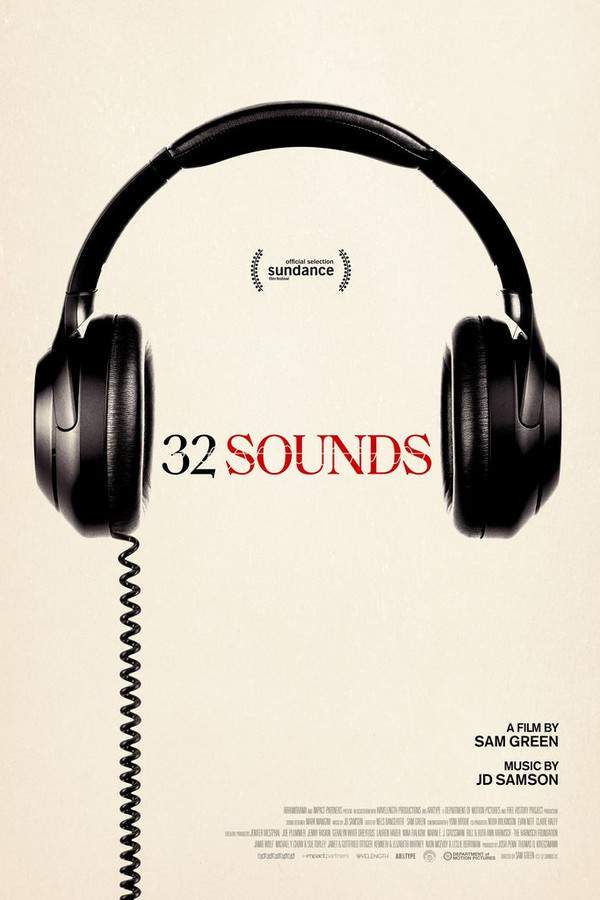
32 Sounds (2023) Film Overview & Timeline
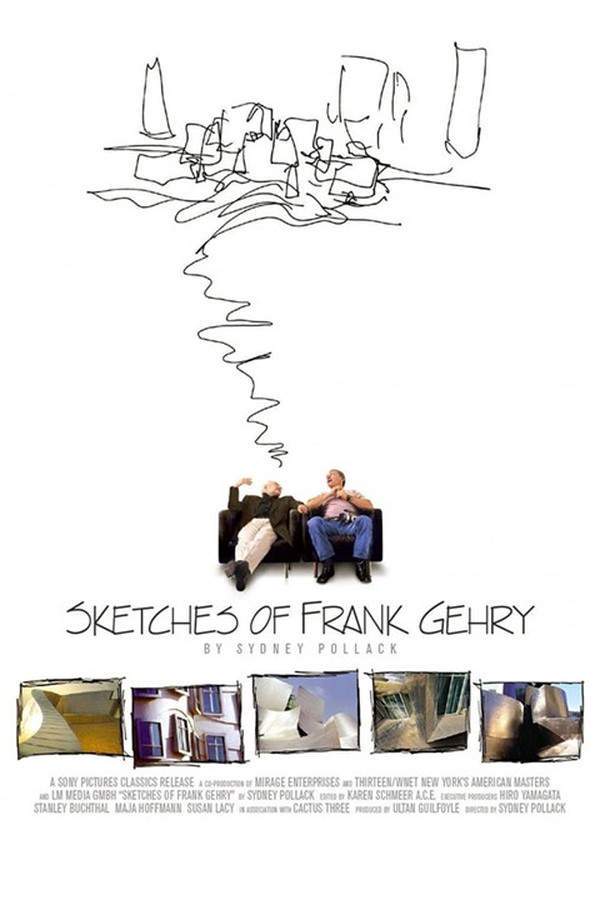
Sketches of Frank Gehry (2006) Full Summary & Key Details
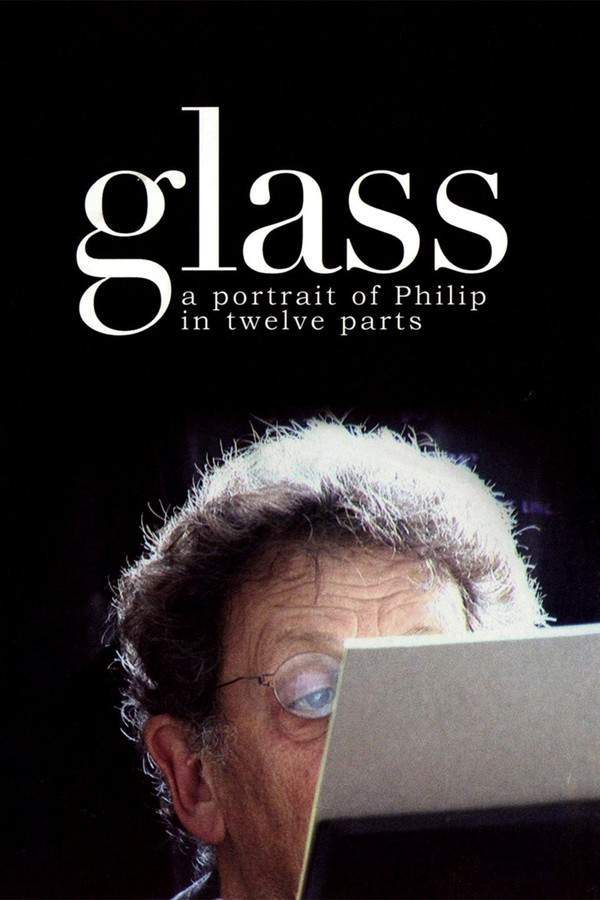
Glass: A Portrait of Philip in Twelve Parts (2008) Ending Explained & Film Insights
30/30 Vision: Three Decades of Strand Releasing (2019) Detailed Story Recap
The Glenn Miller Story (1954) Story Summary & Characters
Glenn Gould: Off the Record (1959) Plot Summary & Ending Explained
Glenn Gould: On the Record (1959) Movie Recap & Themes
Glen or Glenda (1953) Movie Recap & Themes
The Idea of North (1970) Full Movie Breakdown
Genius Within: The Inner Life of Glenn Gould (2009) Full Summary & Key Details
Bass on Titles (1977) Story Summary & Characters
40,000 Years of Dreaming (1996) Story Summary & Characters
Glenn Gould’s Toronto (1979) Plot Summary & Ending Explained
30 Minutes, Mister Plummer (1963) Plot Summary & Ending Explained