


Plot Explained Spoilers guaranteed!
Plot Explained

Browse by genre

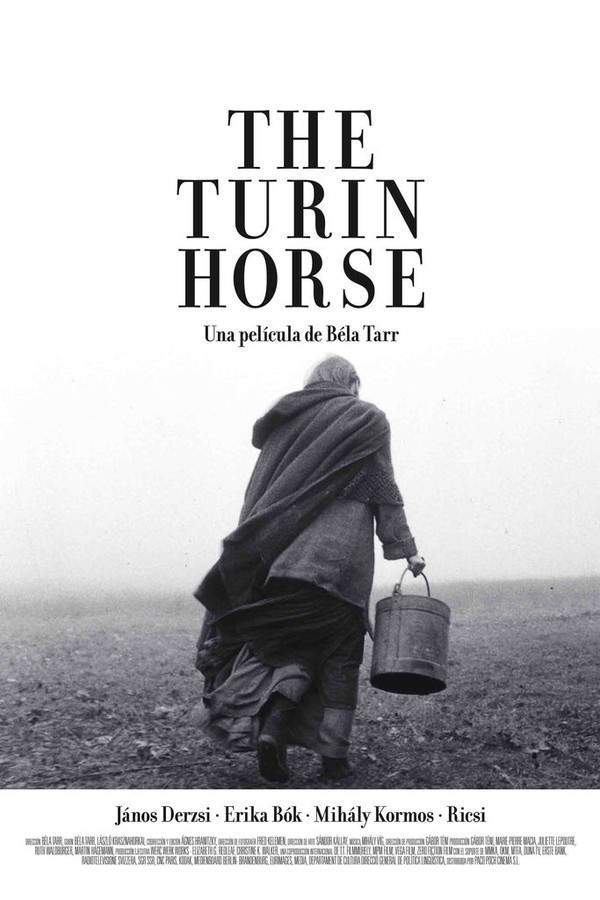
The Turin Horse (2012) movie poster

Timeline

The Turin Horse (2012) Timeline Explained – Every Event in Order

Release, runtime and language
2012 · 146 min · Hungarian
Directed by
Ágnes Hranitzky, Béla Tarr
Starring
Erika Bók, János Derzsi, Mihály Kormos

In the gray dawn of Turin, philosopher Friedrich Nietzsche witnesses a tense encounter between a cab driver and his horse, resolving the situation with an unexpected display of emotion. As Nietzsche's own life retreats into silence and solitude, the narrative shifts to a father and daughter facing hardship and struggling to persevere through a period of societal breakdown. The horse's resistance becomes a reflection of their desperate fight for survival.

On this page (7)
  1. 1 Where to watch
  2. 2 Events in order (14)
  3. 3 Timeline questions answered
  4. 4 Movie threads
  5. 5 Movies like The Turin Horse
  6. 6 Categories
  7. 7 Every angle

Where to watch

Where to Watch The Turin Horse (2012)

Where can you watch The Turin Horse? Stream, rent or buy it in the US, including on Kanopy and Apple TV Store: current JustWatch availability with up-to-date prices.

Streaming availability powered by JustWatch

14 events in order · contains spoilers

The Turin Horse Timeline: Events in Chronological Order

Every key event of The Turin Horse (2012) in order, scene by scene, with when and where it takes place. Use it to untangle flashbacks, time jumps and parallel storylines, to refresh your memory before the sequel or to find the exact scene you are thinking of.

  1. Nietzsche's Collapse

    The film begins with a portrayal of philosopher Friedrich Nietzsche's mental breakdown on January 3, 1889. While staying at a residence in Turin, Italy, he witnesses a coach driver struggling with a defiant horse, which profoundly impacts him.

    When
    January 3, 1889
    Where
    Turin, Italy
  2. Emotional Moment

    As the coach driver strikes the horse out of frustration, Nietzsche is moved to tears. He embraces the animal in a moment of empathy, reflecting his own internal struggles and deep emotional turmoil.

    Where
    Turin, Italy
  3. Silent Retreat

    After this emotional event, Nietzsche is taken home by a neighbor, where he falls into a silent and motionless state. He remains in this condition for two days, only whispering to his mother, 'Mutter, ich bin dumm' before his fragile life begins.

    Where
    Nietzsche's home, Turin, Italy
  4. Life in Isolation

    The story transitions to a rural setting, likely in the 19th-century Great Hungarian Plain. The coach driver and his daughter live amidst relentless windstorms, struggling through their isolated existence over the course of several challenging days.

    Where
    Great Hungarian Plain
  5. Horse's Refusal

    By the second day, the horse becomes increasingly obstinate, refusing to leave their property and turning down food and water. This behavior symbolizes the family's mounting struggles and the strain of their relentless environment.

    Where
    Great Hungarian Plain
  6. Grim News

    On the evening of the second day, a neighbor named Bernhard visits for brandy and shares grim news about the destruction of a nearby town. He attributes this calamity to both human failings and divine wrath, creating an atmosphere of dread.

    Where
    Great Hungarian Plain
  7. Confrontation with Romani

    On the third day, a group of Romani people arrives and drinks from the family's well without permission. The father and daughter confront the intruders, leading to a tense standoff where an elderly Romani man gifts the daughter a book.

    Where
    Great Hungarian Plain
  8. Well Runs Dry

    Morning on the fourth day brings a dire discovery—the well has run completely dry. Faced with the necessity of abandoning their farm, the father resolves that they must leave, marking a significant turning point in their plight.

    Where
    Great Hungarian Plain
  9. Packing for Departure

    The family begins to pack their worldly belongings onto a pushcart. In a twist of fate, the horse, despite its stubbornness, behaves well during this difficult process, though it refuses to pull the cart when they start their journey.

    Where
    Great Hungarian Plain
  10. Turning Back

    Midway through their journey, the family inexplicably decides to turn back, unloading their belongings from the pushcart. This decision underscores their sense of despair and the futility of their efforts to escape their circumstances.

    Where
    Great Hungarian Plain
  11. Horse's Illness

    On the fifth day, the horse appears to be ill and unable to work. The father decides to remove its reins and let it rest in the barn, showcasing the family's compounded struggles and the weight of their responsibilities.

    Where
    Great Hungarian Plain
  12. Darkness Falls

    As night falls on the fifth day, the house becomes engulfed in darkness after the lights go out. This event symbolizes the deepening despair and isolation that the father and daughter are facing together.

    Where
    Great Hungarian Plain
  13. The Sixth Day

    The sixth day arrives with winds gone, but no sunlight graces their lives. With only raw potatoes to eat, the daughter becomes uncommunicative and despairing, while her father mirrors her silence, highlighting their shared desolation.

    Where
    Great Hungarian Plain
  14. Confronting Despair

    Both characters confront their bleak fate as they share a moment of silence together, each unwilling to eat and resigning to their fate. This moment encapsulates the emotional weight of their situation and their inability to escape it.

    Where
    Great Hungarian Plain

Last updated: November 16, 2024 at 15:15

Was this helpful?

Timeline questions answered

The Turin Horse Timeline Explained: Your Questions Answered

When does it happen, and why in that order? The questions people ask about the chronology of The Turin Horse (2012): time jumps, flashbacks, cause and effect between scenes and the correct order of events, each answered with spoilers.

Q1

Why does Nietzsche embrace the horse in Turin?

Nietzsche is deeply affected by the coach driver's brutal treatment of the horse, seeing the animal's suffering as a reflection of his own internal anguish and despair. His embrace represents a moment of profound empathy that overwhelms him emotionally, triggering his mental collapse. This moment of connection with the horse's struggle becomes the catalyst for his breakdown.

  • nietzsche
  • horse
  • embrace
  • breakdown
  • empathy
Q2

What happens to Nietzsche after witnessing the horse incident?

After the emotional encounter with the horse, Nietzsche is taken home by a concerned neighbor. He remains silent and motionless on a divan for two days, only breaking his silence to whisper 'Mutter, ich bin dumm' (Mother, I am stupid) to his mother. This marks the beginning of his decade-long fragile life under the care of his mother and sisters.

  • nietzsche
  • collapse
  • silence
  • mother
Q3

Why does the horse refuse to eat and drink?

The horse's refusal to eat and drink symbolizes the deepening despair and exhaustion that permeates the household. As the relentless windstorms continue and resources dwindle, the horse becomes increasingly obstinate, reflecting the family's own inability to sustain themselves. This resistance mirrors their own struggle against the harsh environment and impending collapse.

Foreshadowing: The horse's earlier defiance during Nietzsche's time foreshadows its eventual total resistance.

  • horse
  • refusal
  • food
  • water
  • symbolism
Q4

Why does the well run dry on the fourth day?

The well runs dry after the Romani group drinks from it without permission, but this is presented as part of the broader societal breakdown depicted in the film. The timing suggests a cumulative effect of environmental strain rather than just the Romani's actions. The dried well forces the father to make the desperate decision to abandon their farm.

  • well
  • dry
  • roman
  • water crisis
Q5

Why do the father and daughter turn back after packing their belongings?

Midway through their journey to abandon the farm, the father and daughter inexplicably decide to turn back and unload their belongings. This decision reflects their sense of futility and resignation, despite the crisis, they cannot bring themselves to leave. The act symbolizes their acceptance of fate and inability to escape the inescapable despair that surrounds them.

  • turn back
  • departure
  • futility
  • resignation
Q6

Why does the daughter stop communicating on the sixth day?

By the sixth day, with only raw potatoes to eat and no sunlight in sight, the daughter becomes completely uncommunicative and refuses to eat. This represents her complete surrender to despair. Her silence mirrors her father's earlier resignation, and together they face their fate through shared quietness, symbolizing the extinction of hope.

  • daughter
  • silence
  • despair
  • sixth day
Q7

Why does the light go out on the fifth day?

As night falls on the fifth day, the house is suddenly plunged into darkness when the light goes out. This event symbolizes the deepening despair and the extinguishing of life within the household. It represents the final collapse of their remaining stability, marking a turning point toward complete darkness and isolation.

  • light
  • darkness
  • house
  • fifth day
Q8

What is the connection between Nietzsche's story and the father-daughter story?

The coach driver from Nietzsche's Turin story is revealed as the father in the rural Hungarian Plain storyline. The horse's resistance in both narratives serves as a thematic throughline, the horse's obstinate refusal to submit mirrors both Nietzsche's breakdown and the father's ultimate surrender. The film suggests the horse's struggle reflects the broader human condition of resistance against overwhelming forces.

  • connection
  • coach driver
  • father
  • horse
  • parallel
Q9

Why is there no sunlight on the sixth day?

On the sixth day, the winds have ceased but there is no sign of sunlight either. This absence of light represents the complete extinguishing of hope and life. The darkness that persists even without the wind symbolizes the irreversible nature of their fate, they have passed beyond mere hardship into a realm of permanent despair and isolation.

  • sunlight
  • darkness
  • sixth day
  • despair
Q10

Why does the father remove the horse's reins on the fifth day?

On the fifth day, the horse appears ill and unfit for work. The father reluctantly removes its reins, allowing it to rest in the barn. This act signifies the father's acceptance that their struggle is over, not only can the horse not work, but there is also no longer any point in trying. It represents the final surrender of both man and animal.

  • horse
  • reins
  • illness
  • surrender
Q11

What is the significance of the book the Romani man gives the daughter?

An elderly Romani man gifts the daughter a book after drinking from their well. She reads it later that night. While the content of the book is not specified, this moment represents a brief connection to knowledge and the outside world. However, given the film's bleak trajectory, the book ultimately provides no salvation, her return to isolation and despair suggests the futility of external intervention.

  • book
  • roman
  • gift
  • daughter
Q12

Why do the father and daughter take turns sitting by the window?

Throughout the film, the father and daughter often take turns sitting alone by the window, grappling with their isolated existence. This ritual represents their shared loneliness and the oppressive nature of their environment. The window offers a view of the relentless windstorms outside, but no escape, their turn-taking symbolizes the cyclical nature of their despair and mutual understanding of their fate.

  • window
  • isolation
  • father
  • daughter
  • turn

Movie threads

More Movies Like The Turin Horse, by Mood & Story

Curated lists built around what makes The Turin Horse tick: the same mood, the same kind of story or the same emotional payoff. Each list explains why these movies belong together.

Movies about societal collapse like The Turin Horse

Films about the slow, grinding decay of civilization and the human spirit. For viewers who appreciated the stark portrayal of rural hardship and societal breakdown in The Turin Horse, this list features similar films about existential despair and the slow decay of civilization. These movies share a bleak tone, heavy emotional weight, and a focus on the fundamental struggle for survival.

  • existential
  • bleak
  • oppressive
  • desolate
  • societal decay
  • survival
  • Tone: bleak, oppressive, existential
  • Pacing: slow, deliberate
Why these movies?

The story pattern: Stories in this thread typically follow characters as they confront a decaying world, stripping away layers of comfort and hope. The narrative pattern is often one of gradual decline, where characters face elemental hardships and philosophical questions about the value of perseverance in the face of inevitable futility.

Why they belong together: These films are grouped by their shared bleak worldview, thematic focus on societal or existential collapse, and a heavy, oppressive mood. They often feature slow pacing that allows the weight of the situation to settle on both the characters and the audience.

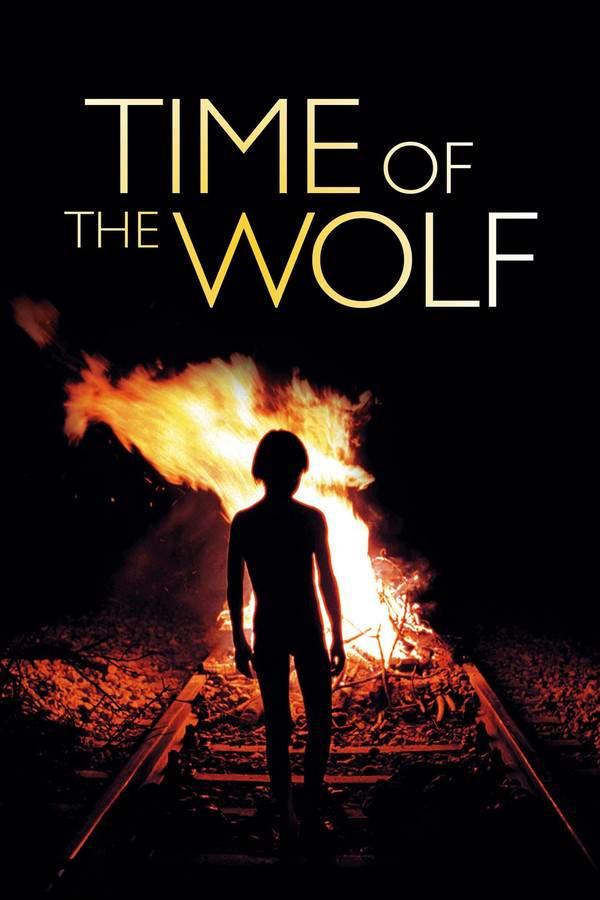
Slow-burn meditative movies like The Turin Horse

Deliberately paced, atmospheric films depicting the quiet, repetitive struggle of existence. If you liked the deliberate, slow pacing and atmospheric focus of The Turin Horse, this collection features similar meditative films. These movies prioritize mood over plot, often depicting rural isolation, quiet hardship, and the stark beauty of a minimalist existence with a heavy emotional tone.

  • slow burn
  • meditative
  • atmospheric
  • somber
  • repetitive
  • monotonous
  • Tone: somber, melancholic, stark
  • Pacing: very slow, meditative
Why these movies?

The story pattern: The narrative unfolds through patient observation rather than traditional plot beats. Conflict is often internal or environmental, centered on the struggle to maintain a basic existence against harsh conditions. The journey is cyclical and repetitive, emphasizing the weight of routine and the passage of time.

Why they belong together: They are connected by an unwavering commitment to slow pacing, a heavy and often bleak atmosphere, and a focus on the raw, unglamorous details of survival. The viewing experience is immersive and contemplative, demanding patience and rewarding it with a deep sense of mood.

If you liked this

Movies Like The Turin Horse

Similar movies to The Turin Horse: the same genre, themes or kind of story. Each one comes with its own plot summary, timeline and ending explained.

Browse all movie summaries

Categories

Movie Lists Featuring The Turin Horse

The Turin Horse appears in these hand-built movie categories. Each one groups movies by a specific mood, theme or story type, with their plot summaries and endings explained.

View all movie categories

Every angle

The Turin Horse (2012) Explained: Plot, Timeline & Characters

Everything about The Turin Horse in one place: what happens in the plot summary, the timeline in chronological order, the characters and meaning and a spoiler-free summary. What's After the Movie adds the cast, box office and post-credit scenes.

Coming soon on iOS and Android

The Plot Explained Movie Summary App

Plot summaries, endings explained and timelines on your phone. Catch up on any movie in minutes, save your favorites and never miss a twist again.

Be the first to know when we launch. Your email stays private, always.

Learn more about the app