





Plot Explained Spoilers guaranteed!
Plot Explained

Browse by genre

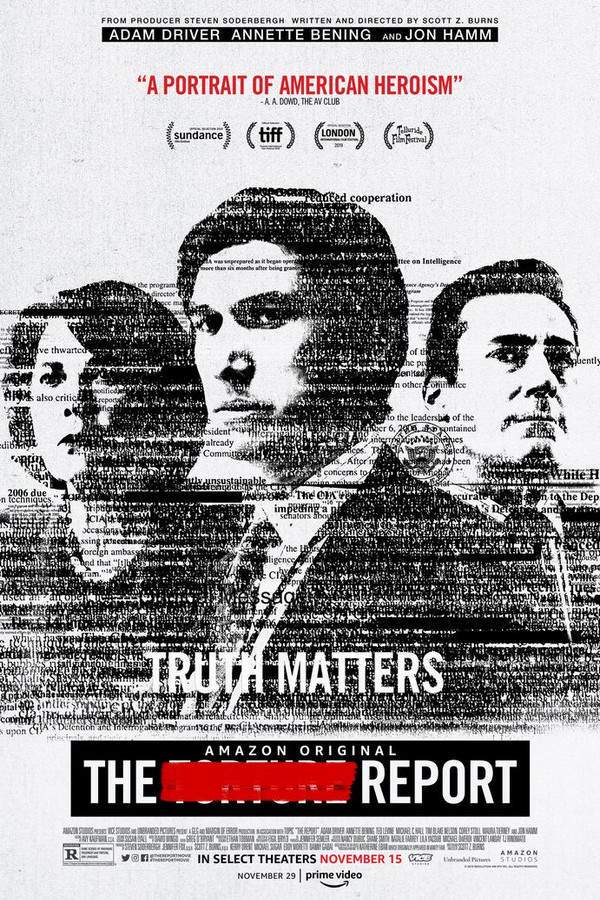
The Report (2019) movie poster

Timeline

The Report (2019) Timeline Explained – Every Event in Order

Release, runtime and language
2019 · 119 min · English
Echo score 67
JustWatch #9,777 7
Directed by
Scott Z. Burns
Starring
Adam Driver, Corey Stoll, Annette Bening, Jon Hamm, Michael C. Hall, Victor Slezak
Budget
$8M

Following the September 11th attacks, idealistic investigator Daniel J. Jones undertakes a sensitive inquiry into the CIA’s Detention and Interrogation Program. His relentless pursuit of the truth uncovers disturbing evidence, including the destruction of records and attempts to obstruct justice. The investigation reveals a concealed program and its implications for the nation, prompting a difficult confrontation with the agency and government oversight.

On this page (6)
  1. 1 Where to watch
  2. 2 Events in order (15)
  3. 3 Timeline questions answered
  4. 4 Movie threads
  5. 5 Movies like The Report
  6. 6 Every angle

Where to watch

Where to Watch The Report (2019)

Where can you watch The Report? Stream, rent or buy it in the US, including on Amazon Prime Video, Amazon MX Player and Amazon Prime Video Free: current JustWatch availability with up-to-date prices.

Streaming availability powered by JustWatch

15 events in order · contains spoilers

The Report Timeline: Events in Chronological Order

Every key event of The Report (2019) in order, scene by scene, with when and where it takes place. Use it to untangle flashbacks, time jumps and parallel storylines, to refresh your memory before the sequel or to find the exact scene you are thinking of.

  1. Investigation Commences

    In early 2009, Daniel Jones begins an intensive investigation into the destruction of CIA interrogation videotapes from 2005. He is selected by Senator Dianne Feinstein to lead a review of over six million pages of CIA documents related to enhanced interrogation techniques.

    When
    2009
    Where
    CIA facility, Virginia
  2. September 11 Attacks

    The movie recounts the tragic events of September 11, 2001, as CIA personnel at the Counterterrorist Center grapple with the unfolding attacks. Employees, including Bernadette, watch the chaos unfold on live television, prompting urgent discussions on national security.

    When
    September 11, 2001
    Where
    CIA Headquarters
  3. CIA's Response Strategy

    In the days that follow the attacks, DCI George Tenet meets with President George W. Bush and CIA director Cofer Black. They discuss critical counterterrorism operations and authorize the CIA to capture and detain suspected terrorists, setting in motion controversial interrogation tactics.

    When
    2001
    Where
    CIA Headquarters
  4. Contracted Intelligence Psychologists Trained

    In 2002, contracted psychologists Bruce Jessen and James Elmer Mitchell are trained to implement the enhanced interrogation techniques authorized by the CIA. Their invasive methods become a central aspect of the Agency's controversial approach to interrogation.

    When
    2002
  5. Setbacks in the Investigation

    As Daniel Jones delves deeper into his investigation, he encounters obstacles when half of his team leaves due to the Department of Justice initiating its inquiry. Despite these challenges, Jones perseveres with the support of April and Julian, aiming to uncover the truth.

    Where
    CIA facility, Virginia
  6. Meeting with FBI Agent

    A crucial meeting with FBI agent Ali Soufan reveals vital information about the CIA's interrogation practices, particularly regarding detainee Abu Zubaydah. This discussion contrasts the FBI's rapport-building techniques with the CIA's harsh and controversial EITs.

  7. Presentation in Senator Feinstein's Office

    During a critical briefing, Jones presents compelling evidence indicating that the CIA was aware Zubaydah was not affiliated with Al-Qaeda. This misinformation leads to the authorization of enhanced interrogation techniques against him, marking a dark milestone in the Agency's actions.

    Where
    Senator Feinstein's Office
  8. Concerns Over EIT Classification

    In a clandestine meeting, Raymond Nathan, a physician assistant, reveals that medical professionals had expressed their concerns over the classification of EITs as torture. His testimony outlines the traumatic experience Zubaydah endured during waterboarding, bringing to light the moral implications.

  9. Tragic Story of Gul Rahman

    As investigations continue, Jones and his team confront the tragic narrative of Gul Rahman, who succumbed to hypothermia due to the CIA's interrogation methods. This discovery highlights the severe consequences of their work, amplifying the urgency for accountability.

  10. Release of the Panetta Review

    Following the internal critique known as the Panetta Review, Jones faces pushback from the CIA as they challenge the report's findings. The review asserts that no unique intelligence was gained through EITs, leading to rising tensions between Jones and the Agency.

  11. Senate Hearing Confrontation

    Frustration escalates when Senator Mark Udall confronts CIA officials during a hearing, staunchly defending the integrity of the committee's study. In the midst of this political battle, Jones takes precautionary measures to protect the Panetta Review document.

    Where
    Senate Hearing
  12. CIA Retaliation Against Jones

    In retaliation for Jones's relentless pursuit of the truth, the CIA unlawfully searches his office, violating the separation of powers agreement. Jones discreetly informs a New York Times journalist about the misconduct, igniting a public outcry against the CIA.

  13. Support from Senator Feinstein

    During a tense confrontation amid rising tensions, Senator Feinstein supports Jones as he stands firm against pressure from the CIA. Their collaboration exemplifies the struggle for transparency and justice in the face of institutional wrath.

  14. Political Shift in 2014

    As the Republican Party gains Senate control in the 2014 midterm elections, the urgency to release the report summary increases. Senator Feinstein, alongside John McCain, delivers a poignant speech stressing the report's implications, highlighting the importance of accountability.

    When
    2014
  15. Jones Resigns

    In an epilogue presented through intertitles, it is revealed that after the report's publication, Daniel Jones resigns amidst an environment where no CIA personnel faced legal repercussions for their actions. Shockingly, many individuals involved were promoted, raising serious ethical concerns.

Last updated: November 03, 2024 at 23:12

Was this helpful?

Timeline questions answered

The Report Timeline Explained: Your Questions Answered

When does it happen, and why in that order? The questions people ask about the chronology of The Report (2019): time jumps, flashbacks, cause and effect between scenes and the correct order of events, each answered with spoilers.

Q1

Why was Daniel Jones selected to lead the CIA interrogation investigation?

Daniel Jones was chosen by Senator Dianne Feinstein in early 2009 to lead the investigation because he had already spent two years looking into the 2005 destruction of CIA interrogation videotapes. His prior work on that specific case made him the logical choice to spearhead a much larger review of over six million pages of CIA documents related to enhanced interrogation techniques.

  • daniel jones
  • senator feinstein
  • investigation lead
  • cia documents
Q2

Why did the CIA destroy the interrogation videotapes?

The CIA destroyed the interrogation videotapes in 2005 to conceal evidence of their enhanced interrogation techniques. The destruction prevented future investigators, including Jones's team, from seeing exactly what had occurred during the interrogations, though Jones was still able to uncover substantial evidence through documents and testimony.

  • cia tapes
  • destruction
  • evidence
  • interrogation videotapes
  • cover-up
Q3

How were enhanced interrogation techniques authorized by the CIA?

After the September 11 attacks, President George W. Bush authorized the CIA to capture and detain suspected terrorists. The CIA then contracted psychologists Bruce Jessen and James Elmer Mitchell to implement enhanced interrogation techniques, which included waterboarding, sleep deprivation, and other methods classified as torture.

Foreshadowing: The authorization followed directly from the urgent meetings between DCI George Tenet and President Bush in the days after September 11.

  • enhanced interrogation
  • eit
  • authorization
  • president bush
  • cia
  • torture
  • waterboarding
Q4

Why was Abu Zubaydah subjected to torture despite not being an Al-Qaeda operative?

The CIA misled the Department of Justice by claiming Abu Zubaydah was a high-ranking Al-Qaeda operative when they knew he was not. This false information resulted in DOJ approval for the use of enhanced interrogation techniques on him, making Zubaydah the first detainee subjected to torture. Jones later uncovered evidence proving the CIA knew the truth about Zubaydah's status.

  • abu zubaydah
  • torture
  • cia
  • department of justice
  • misinformation
  • first detainee
Q5

What did the Panetta Review reveal about the CIA's interrogation program?

The Panetta Review was an internal CIA critique that concluded no unique intelligence was gained through the use of enhanced interrogation techniques. It also highlighted that contractors Bruce Jessen and James Elmer Mitchell, who designed the EIT program, were inexperienced and received substantial compensation for their controversial methods.

  • panetta review
  • intelligence
  • cia contractors
  • jessen
  • mitchell
  • unique intelligence
Q6

Why did the CIA search Daniel Jones's office?

The CIA initiated an unwarranted search of Daniel Jones's office in retaliation for his relentless pursuit of the truth. This search violated the separation of powers agreement between the legislative and executive branches, representing a direct attack on Congress's investigative authority.

  • cia retaliation
  • daniel jones office
  • separation of powers
  • constitutional violation
Q7

What happened to the CIA officials involved after the report was published?

After the report was published, no CIA personnel faced criminal charges for their actions. Shockingly, many individuals involved in the interrogation program were promoted, with one even ascending to become Director of the CIA. Daniel Jones resigned from his position in this environment of impunity.

  • accountability
  • promotions
  • cia directors
  • no prosecution
  • resignation
Q8

How did Senator John McCain's involvement impact the report's release?

Senator John McCain, who had personally experienced torture as a POW in Vietnam, became a crucial ally in advocating for the report's release. After Republicans gained Senate control in the 2014 midterm elections, McCain worked alongside Senator Feinstein to deliver a powerful speech supporting the report's release, helping overcome CIA resistance.

  • john mccain
  • senate
  • torture survivor
  • report release
  • advocacy
Q9

Who was Gul Rahman and why was his case significant to the investigation?

Gul Rahman was a detainee who died from hypothermia due to CIA interrogation methods. His death represented one of the most shocking discoveries for Jones and his team, highlighting the severe and fatal consequences of the enhanced interrogation techniques and strengthening the case for accountability.

  • gul rahman
  • death
  • hypothermia
  • cia interrogation
  • detainee death
Q10

How did the FBI's approach to interrogation differ from the CIA's methods?

FBI agent Ali Soufan represented the FBI's approach, which relied on rapport-building and traditional interrogation techniques. In contrast, the CIA employed harsh enhanced interrogation techniques. Soufan testified that crucial intelligence was actually gathered from Abu Zubaydah before the CIA took over the interrogations, questioning the effectiveness of EITs.

  • fbi
  • cia
  • ali soufan
  • interrogation methods
  • rapport building
  • effectiveness
Q11

What role did medical professionals play in the CIA's interrogation program?

Medical professionals within the CIA, including physician assistant Raymond Nathan, were aware that enhanced interrogation techniques were being classified as torture. Despite expressing concerns to upper management, they were met with stern reprimands. Nathan personally witnessed Abu Zubaydah's traumatic experience during waterboarding.

  • medical professionals
  • raymond nathan
  • physician
  • waterboarding
  • concerns
  • cia oversight
Q12

Why did half of Daniel Jones's investigation team leave?

Half of Daniel Jones's team departed when the Department of Justice initiated its own inquiry into the CIA's practices. Some team members felt that having two simultaneous investigations would create complications or potentially compromise their work, though Jones continued with his remaining colleagues April and Julian.

  • department of justice
  • investigation team
  • departures
  • daniel jones
  • complications

Movie threads

More Movies Like The Report, by Mood & Story

Curated lists built around what makes The Report tick: the same mood, the same kind of story or the same emotional payoff. Each list explains why these movies belong together.

Investigative Slow Burns like The Report

Methodical procedurals where uncovering the truth is a battle against institutions. If you liked The Report's methodical unraveling of a government cover-up, you'll appreciate these movies. This list features similar procedural dramas and political thrillers where dedicated investigators fight systemic obstruction to expose the truth.

  • methodical
  • tense
  • frustrating
  • urgent
  • determined
  • bureaucratic
  • Tone: tense, grim, determined
  • Pacing: steady, methodical
Why these movies?

The story pattern: Stories in this thread typically follow a protagonist, often an investigator or journalist, who doggedly pursues a complex truth. The narrative unfolds through research, interviews, and data analysis, building tension through institutional resistance, redactions, and threats rather than physical action.

Why they belong together: These films are grouped by their shared focus on a procedural investigation, a tense atmosphere created by systemic opposition, and a pacing that is steady and deliberate, allowing the weight of the uncovered facts to accumulate.
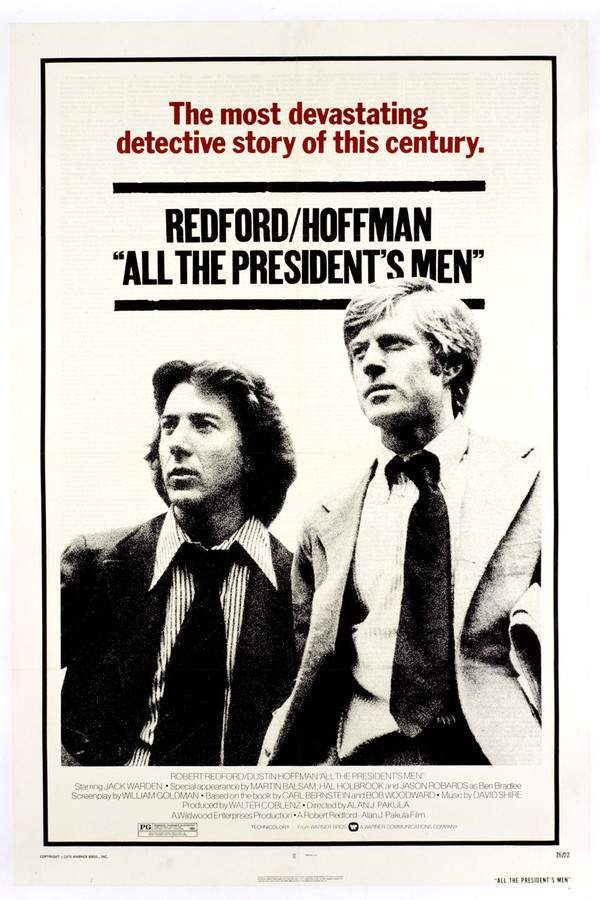
Bittersweet Truths and Moral Reckonings like The Report

Stories where pursuing justice yields a hollow victory against systemic failure. For viewers who appreciated the heavy emotional weight and bittersweet conclusion of The Report. These movies explore similar themes of truth, accountability, and the difficult confrontation with power, often ending with a mix of accomplishment and sobering reality.

  • morally challenging
  • grim
  • bittersweet
  • heavy
  • frustrating
  • sobering
  • Tone: morally challenging, grim, bittersweet
  • Pacing: steady, character-driven
Why these movies?

The story pattern: The narrative pattern involves a protagonist taking on a morally significant challenge against great odds. The journey is emotionally taxing, and the climax delivers a form of success—often the revelation of truth—but the ending underscores the limitations of that victory, leaving a feeling of sober reflection rather than pure triumph.

Why they belong together: These films are connected by their heavy emotional weight, their focus on ethically challenging subject matter, and their distinctive bittersweet endings that balance a sense of accomplishment with the sobering reality of systemic or personal limitations.

If you liked this

Movies Like The Report

Similar movies to The Report: the same genre, themes or kind of story. Each one comes with its own plot summary, timeline and ending explained.

Browse all movie summaries

Every angle

The Report (2019) Explained: Plot, Timeline & Characters

Everything about The Report in one place: what happens in the plot summary, the timeline in chronological order, the characters and meaning and a spoiler-free summary. What's After the Movie adds the cast, box office and post-credit scenes.

Coming soon on iOS and Android

The Plot Explained Movie Summary App

Plot summaries, endings explained and timelines on your phone. Catch up on any movie in minutes, save your favorites and never miss a twist again.

Be the first to know when we launch. Your email stays private, always.

Learn more about the app