Year: 1959
Runtime: 103 mins
Language: Italian
Director: Mario Bonnard
Demobilized centurion Glaucus returns to his hometown of Pompeii only to discover his father has been slain by a gang of black‑hooded Christian robbers who terrorize the city. Determined to uncover the truth, he launches an investigation even as the looming volcano threatens a catastrophic eruption.
Warning: spoilers below!
Haven’t seen The Last Days of Pompeii yet? This summary contains major spoilers. Bookmark the page, watch the movie, and come back for the full breakdown. If you're ready, scroll on and relive the story!
Read the complete plot breakdown of The Last Days of Pompeii (1959), including all key story events, major twists, and the ending explained in detail. Discover what really happened, and what it all means.
Glaucus Leto, Steve Reeves, a seasoned centurion returning to Pompeii after service in Roman Palestine, saves Elena / Ione, Christine Kaufmann, the Consul’s daughter, when her chariot careens out of control. He then continues his journey, but not before stepping in to defend Antonius, a thief condemned under orders from Gallinus, Mimmo Palmara, a ruthless Praetorian Guard. The encounter leaves Glaucus unsettled and wary of the shadowy forces tearing at the city’s fabric.
Back in Pompeii, Glaucus discovers that his father’s house has been looted and his father murdered by hooded thieves who leave a cross painted on walls—a grim calling card that signals a wave of terror haunting the city. He swears revenge and begins to connect the killings to a broader conspiracy, even as the city markets buzz with rumor and fear. The cross marks each crime, a symbol that gnaws at Glaucus and motivates him to pursue truth through danger.
In a bid to calm public unease and persuade the Emperor that the killings do not herald an uprising, Ascanius, Consul of Pompeii, Guillermo Marín, orders a grand citywide festival. The celebrations spill through the streets, offering a spectacle of power and order, even as the conspirators weave their own networks in the shadows. In the midst of the revelry, Antonius robs a drunken soldier and steals his money bag, which contains a ring that belonged to Glaucus’s father and a black hood identical to those worn by the hooded killers. Antonius brings the ring to Marcus, Glaucus’s ally and a Military Tribune, Mario Morales, who trails the thief to Pompeii’s Temple of Isis. But Marcus is killed before he can reveal what he has learned, his body left with a cross carved into it and the truth buried with him. Arbaces, the High Priest of Isis, Fernando Rey, claims the murder as a terrible accident or perhaps a sign of larger danger, leaving Glaucus more determined than ever to uncover the plot.
During Ascanius’s party, Gallinus tries to enact violence against Nydia, the Consul’s blind slave, a moment witnessed by the crowd and celebrated by some for its brutality. Nydia, portrayed by Barbara Carroll, endures, and Glaucus rises to defend her, defeating Gallinus in a fierce clash. The attack exposes the cruelty underneath Pompeii’s polished surface and tightens Glaucus’s resolve to fight the corruption worming its way through the city’s institutions.
As Marcus’s funeral unfolds, Antonius remains hostile to Christians, while Nydia—who has converted to Christianity—speaks softly of a hidden gathering where change might begin. She urges the anti-Christian crowds to open their hearts, but Gallinus overhears the conversation and uses it to justify a brutal sweep against all Christians, imprisoning and torturing them as scapegoats for the city’s ills. Glaucus, convinced that the Christians are innocent, plans to intervene with the support of Ascanius and others, even as he and Ione fall increasingly in love amid the turmoil.
Glaucus and Ione’s budding romance gives him a personal stake in defending the Christians, and he heads toward Herculanum to plead their case with Ione’s father, who has left Pompeii. Along the way, he is ambushed by hooded men but survives, arriving at Ascanius’s retreat injured. Antonius, having traced the hooded network, arrives with new information: the conspiracy is orchestrated under Arbaces’s orders, and the hidden treasure caches ring through the temple. With this knowledge, Antonius summons Helios and Caius, Glaucus’s loyal army friends, to help.
At the temple of Isis, Glaucus fights Arbaces and Gallinus, but is hurled into a secret ditch and finds himself in a waterlogged chamber wrestling a crocodile. He survives, barely, and makes his way out as Julia, the Consul’s Egyptian mistress, unveils her true role. Julia, Anne-Marie Baumann, is the mastermind behind the crimes and the dirty dealings that funded an uprising against the Roman rule. She confesses this to Ascanius and then stabs him, trying to pin the murder on Glaucus.
Accused of murder, Glaucus is imprisoned near the Christians; Ione, now a Christian, is also jailed. The Christians are condemned to the arena, where a lions’ roar awaits them. Glaucus, however, breaks free, slays the lion, and defeats gladiators sent to destroy him. Bow-men—Antonius and Glaucus’s masked friends—open fire on the royal box, killing Gallinus. As troops arrive to restore order, Mount Vesuvius erupts, and chaos erupts across Pompeii. Julia and Arbaces are crushed beneath the temple’s toppled idol while trying to retrieve their treasure, and Nydia is mortally wounded by falling debris. Antonius remains with her as the city collapses around them, and Glaucus swims through a blazing harbor to reach safety. With Ione by his side, he sails toward the open sea, leaving Pompeii’s ashes behind and walking toward an uncertain but hopeful future.
Last updated: October 09, 2025 at 10:46
Explore frequently asked questions about The Last Days of Pompeii (1959) with spoiler-rich answers covering the full plot summary, major story beats, character motivations, hidden details, and ending meaning. This movie summary FAQ helps explain confusing scenes, plot twists, and narrative decisions in clear, searchable detail.
Christians were rounded up and blamed for the murders because Gallinus overheard Nydia mention a secret Christian gathering. He used this as justification to imprison and torture Christians, using them as scapegoats for the city's crimes. The hooded killers actually worked for Arbaces and Julia, framing Christians by painting crosses on walls near the crime scenes.
Earlier, the killers left cross markings on walls to frame Christians, creating the false narrative that would later justify their persecution.
The hooded killers were not Christians as they appeared. Arbaces, the High Priest of Isis, commanded them as part of a larger conspiracy. However, the true mastermind was Julia, the Consul's Egyptian mistress, who orchestrated the crimes to fund an uprising against Roman rule. She worked through Gallinus and Arbaces to terrorize the city.
Marcus was killed at the Temple of Isis, and Antonius later discovered the killers operated under Arbaces's orders.
Nydia was mortally wounded by falling debris when Mount Vesuvius erupted. Antonius stayed by her side as the city collapsed around them, choosing to remain with her rather than escape. She died in the destruction of Pompeii.
Nydia's conversion to Christianity and her plea to Antonius about Christian gatherings set up her tragic fate.
Julia needed a fall guy after stabbing Ascanius to silence him and maintain control of her conspiracy. She blamed Glaucus for the murder because he was actively investigating the crimes and would be the most convenient suspect. This false accusation led to Glaucus's imprisonment alongside the Christians in the arena.
Julia had been manipulating events throughout the film and was revealed as the true power behind the crimes.
Antonius traced Marcus's killer to the Temple of Isis and discovered that Arbaces commanded the hooded men. He then traveled to Herculanum to inform Glaucus and Ascanius, revealing that stolen treasures were hidden in the temple. This exposed the connection between Arbaces, Gallinus, and the crimes, though Julia's full role wasn't revealed until she stabbed Ascanius.
Marcus was killed after following the thief to the Temple of Isis, and the stolen ring provided a key clue.
Arbaces killed Marcus at the Temple of Isis. Marcus had followed Antonius's trail to the temple after recovering the stolen ring from the thief. Before dying, Marcus managed to leave the ring with Antonius as evidence. Arbaces attempted to cover the murder as an accident.
Earlier, Antonius stole a money bag containing the ring during the festival, leading Marcus to follow him.
Julia was the mastermind behind the entire plot. She orchestrated the crimes and dirty dealings that funded an uprising against Roman rule. She manipulated Gallinus and Arbaces, used the hooded killers to terrorize Pompeii, and after being exposed, stabbed Ascanius and tried to pin the murder on Glaucus. She died attempting to retrieve her hidden treasure as Vesuvius erupted.
Julia's presence as the Consul's mistress and her Egyptian background connected her to the Temple of Isis throughout the story.
Glaucus broke free from his bonds and fought the lion sent to kill the Christians. He killed the lion with his bare hands and then defeated the gladiators sent to destroy him. Meanwhile, his allies Antonius and other bowmen opened fire on the royal box, killing Gallinus. This coordinated uprising allowed the Christians to escape execution.
Glaucus's strength as a centurion was established early when he saved Ione and defended Antonius.
Glaucus was a demobilized centurion returning to his hometown after service in Roman Palestine. He returned to find his home and family, only to discover his father had been murdered and his house looted. This personal tragedy drove him to investigate the crimes and uncover the conspiracy threatening Pompeii.
His first act upon returning was saving Ione from a runaway chariot, establishing his heroic character.
The eruption occurred at the height of the chaos, killing Julia and Arbaces as they tried to retrieve their treasure beneath the collapsing temple idol. It allowed Glaucus and Ione to escape by swimming through the burning harbor and sailing to open sea. The disaster also claimed Nydia's life while sparing the main characters, creating a bittersweet ending.
The volcano had been looming as a constant threat throughout the film, with mounting tension about its potential eruption.
Discover curated groups of movies connected by mood, themes, and story style. Browse collections built around emotion, atmosphere, and narrative focus to easily find films that match what you feel like watching right now.
Characters scramble to survive against an unstoppable, large-scale catastrophe.Discover movies like The Last Days of Pompeii that feature a thrilling race for survival against an epic, impending disaster. These films share a tense, fast-paced atmosphere where characters confront chaos and destruction on a massive scale, blending high-stakes action with emotional struggles for survival.
Stories in this thread typically follow a linear escalation of threat, moving from initial warnings to full-blown cataclysm. Characters are often forced into action, making harrowing choices as they navigate a rapidly deteriorating environment. The plot is propelled by the urgency of the disaster itself, creating a relentless, survival-focused narrative.
Movies are grouped here based on their shared core of an imminent, large-scale threat, a fast-paced and tense tone, and a focus on the physical and emotional ordeal of survival. They deliver a consistent experience of high-intensity anxiety and chaotic action.
A determined hero uncovers a dark conspiracy within a brutal, unjust system.If you liked the investigative revenge plot and swashbuckling action of The Last Days of Pompeii, explore these movies. They feature heroic figures challenging corrupt powers, combining tense mystery, gritty action, and a struggle against systemic injustice in a historical or epic setting.
The narrative pattern involves a personal catalyst—like a murder or betrayal—that pulls the hero into a deeper conflict with powerful, corrupt figures. The journey is a mix of detective work, confrontations, and action set-pieces, set against a backdrop of societal oppression. The investigation and action are deeply intertwined.
These movies are grouped by their fusion of a personal revenge/investigation plot with swashbuckling adventure, all set within a gritty, oppressive society. They share a tense tone, fast pacing driven by action and revelation, and a focus on challenging institutional corruption.
Don't stop at just watching - explore The Last Days of Pompeii in full detail. From the complete plot summary and scene-by-scene timeline to character breakdowns, thematic analysis, and a deep dive into the ending - every page helps you truly understand what The Last Days of Pompeii is all about. Plus, discover what's next after the movie.
Track the full timeline of The Last Days of Pompeii with every major event arranged chronologically. Perfect for decoding non-linear storytelling, flashbacks, or parallel narratives with a clear scene-by-scene breakdown.
Discover the characters, locations, and core themes that shape The Last Days of Pompeii. Get insights into symbolic elements, setting significance, and deeper narrative meaning - ideal for thematic analysis and movie breakdowns.
Discover movies like The Last Days of Pompeii that share similar genres, themes, and storytelling elements. Whether you’re drawn to the atmosphere, character arcs, or plot structure, these curated recommendations will help you explore more films you’ll love.
The Last Days of Pompeii (1959) Scene-by-Scene Movie Timeline
The Last Days of Pompeii (1959) Movie Characters, Themes & Settings
The Last Days of Pompeii (1959) Spoiler-Free Summary & Key Flow
Movies Like The Last Days of Pompeii – Similar Titles You’ll Enjoy
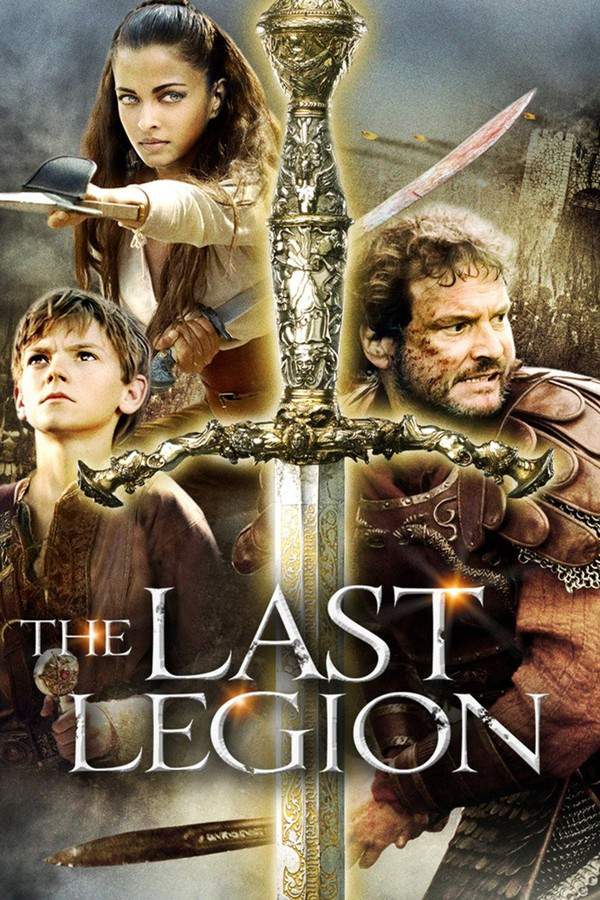
The Last Legion (2007) Film Overview & Timeline
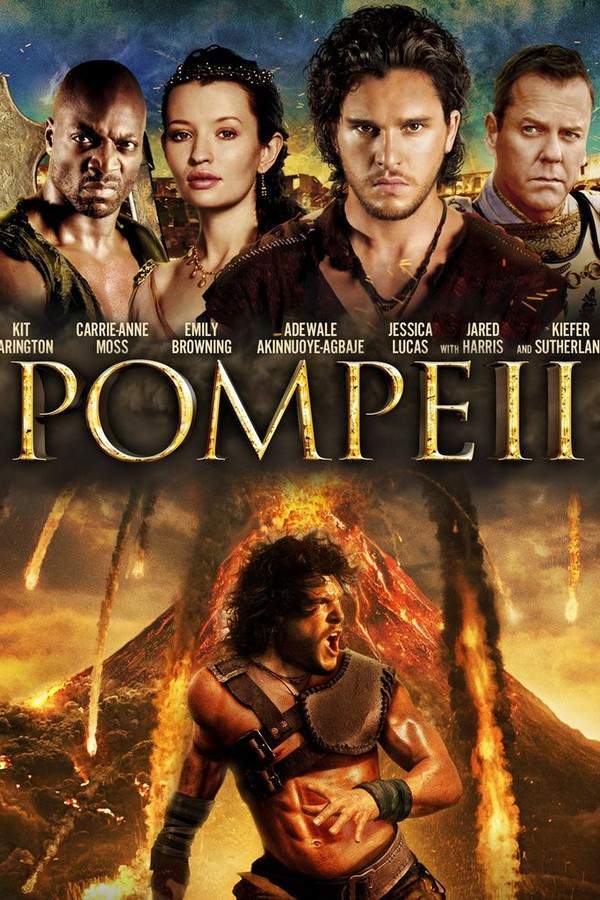
Pompeii (2014) Full Movie Breakdown
Gladiator of Pompeii (2007) Story Summary & Characters
The Last Days of Pompeii (1000) Story Summary & Characters
The Last Days of Pompeii (1913) Spoiler-Packed Plot Recap
Warrior Queen (1987) Film Overview & Timeline
Romulus and the Sabines (1961) Story Summary & Characters
The Last Days of Pompeii (1926) Ending Explained & Film Insights
Sins of Rome (1953) Plot Summary & Ending Explained
Gladiator of Rome (1962) Detailed Story Recap
79 A.D. (1962) Full Movie Breakdown
Hero of Rome (1964) Complete Plot Breakdown
The Terror of Rome Against the Son of Hercules (1964) Film Overview & Timeline
Last of the Pagans (1935) Story Summary & Characters
The Last Days of Pompeii (1950) Plot Summary & Ending Explained