The Kids Are All Right

The Kids Are All Right

Year: 2010

Runtime: 106 min

Language: English

Director: Lisa Cholodenko

Budget: $4M

DramaComedy

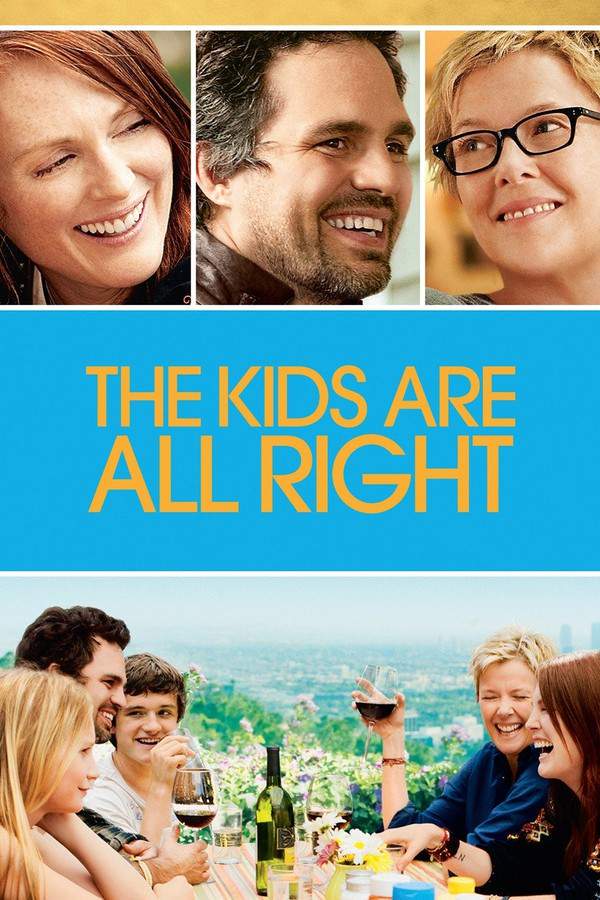
Two mothers, Jules and Nic, have raised their children on a progressive, loving foundation. Their lives are upended when their teenage kids, curious about their origins, track down their biological father, a charming restaurateur named Paul. As Paul integrates into the family dynamic, unexpected connections develop, and previously unspoken truths surface, challenging everyone's understanding of love, family, and belonging.

Where to Watch The Kids Are All Right?

Find where to stream, rent, or buy The Kids Are All Right (2010) in the US with current JustWatch availability, up-to-date pricing, and platform listings for subscription, rental, and digital purchase options.

Warning: spoilers below!

Haven’t seen The Kids Are All Right yet? This summary contains major spoilers. Bookmark the page, watch the movie, and come back for the full breakdown. If you're ready, scroll on and relive the story!

Timeline & Setting – The Kids Are All Right (2010)

Explore the full timeline and setting of The Kids Are All Right (2010). Follow every major event in chronological order and see how the environment shapes the story, characters, and dramatic tension.

Time period

The film is set in contemporary America, reflecting the modern family dynamics of the 21st century. Issues surrounding identity, love, and parenting are explored against the backdrop of a society that is increasingly accepting of diverse family structures.

Location

Family Home, Paul’s Garden

The family's home serves as the main backdrop for the emotional turmoil and growth of Nic and Jules’s relationship. It represents stability but later becomes a site of conflict when trust is broken. Paul's garden, where Jules works, embodies a creative space that becomes a point of connection and contention between the characters.

🏡 Home 🌳 Garden

Last updated: October 22, 2024 at 19:04

Was this helpful?

Main Characters – The Kids Are All Right (2010)

Meet the key characters of The Kids Are All Right (2010), with detailed profiles, motivations, and roles in the plot. Understand their emotional journeys and what they reveal about the film’s deeper themes.

Nic (Annette Bening)

Nic is the disciplined and ambitious partner who plays the role of the main provider for her family. Her strong-willed nature is both her strength and vulnerability as she struggles to maintain control in her family life amidst growing tensions. Her emotional arc highlights the themes of love and betrayal.

👩‍⚕️ Obstetrician 💼 Provider

Jules (Julianne Moore)

Jules is the more relaxed partner, transitioning into a new career in landscape design. Her journey reflects the quest for personal identity and fulfillment, which leads her to make choices that put her family at risk. Her character development portrays the struggle between desire and commitment.

🌸 Landscape Designer 🚀 Free Spirit

Paul (Mark Ruffalo)

Paul embodies a carefree and bohemian lifestyle, becoming an unexpected catalyst for change in Nic and Jules's family. His charm and relaxed demeanor initially draw the children to him but also result in significant conflict. He represents the disruptive force of infidelity while emphasizing the search for connection.

🌼 Free Spirit 👨‍👧 Biodad

Last updated: October 22, 2024 at 19:04

Was this helpful?

Major Themes – The Kids Are All Right (2010)

Explore the central themes of The Kids Are All Right (2010), from psychological, social, and emotional dimensions to philosophical messages. Understand what the film is really saying beneath the surface.

❤️ Love & Betrayal

The film delves deeply into the complexities of love, focusing on romantic and familial relationships. As Jules crosses boundaries with Paul, the tension illustrates how love can evolve and sometimes lead to heartbreak. The theme is reinforced by the emotional journeys of Nic, Jules, and their children as they navigate their shifting family dynamics.

👪 Family Dynamics

At its core, the film captures the essence of family, showcasing both the joys and struggles that come with non-traditional parenting. The disruptions caused by external influences test the bonds of the family, ultimately leading to reflection and reconciliation. It highlights the resilience required in maintaining family ties amidst challenges.

🌈 Identity & Acceptance

The characters grapple with their identities throughout the movie, particularly as they confront issues of love, fidelity, and personal fulfillment. The exploration of LGBTQ+ themes emphasizes the importance of acceptance within families and the broader societal context. The film serves as a poignant reminder of the diverse experiences that shape our understanding of family.

Last updated: October 22, 2024 at 19:04

Was this helpful?

The Kids Are All Right (2010) Character & Theme Questions Answered – Info FAQ

Browse frequently asked questions about The Kids Are All Right (2010) focused on characters, relationships, themes, symbols, setting, and story context. This movie info FAQ gives spoiler-aware explanations for character arcs, world details, and thematic interpretation so readers can better understand what the film is really about.

Q1

Where is The Kids Are All Right set?

A.

The film takes place in a suburban American home, the primary setting where Nic and Jules raise their family. The home represents stability but later becomes a site of emotional conflict. Paul's garden, where Jules works on landscape design, serves as a secondary location that becomes a point of connection and tension between the characters.

settingsuburban homefamily homegardenlocation
Q2

What time period does the film depict?

A.

The movie is set in contemporary 21st century America, reflecting modern family dynamics. The story explores issues of identity, love, and parenting against a societal backdrop that is increasingly accepting of diverse family structures, particularly same-sex parenting.

time periodcontemporarymodern21st centurysetting era
Q3

What are the main themes of The Kids Are All Right?

A.

The film explores three interconnected themes: Love & Betrayal, which examines romantic and familial relationships under strain; Family Dynamics, focusing on non-traditional parenting and the resilience required to maintain family bonds; and Identity & Acceptance, particularly LGBTQ+ themes and the importance of acceptance within families and broader society.

themeslovebetrayalfamilyidentityacceptanceLGBTQ
Q4

What is The Kids Are All Right about thematically?

A.

At its core, the film examines how love evolves and sometimes leads to heartbreak within family relationships. It explores the tensions between desire and commitment, the resilience required to maintain family ties amidst challenges, and the diverse experiences that shape our understanding of family. The story serves as a poignant reminder that families, even when shaken by betrayal, can find their way back to each other.

thematic meaninglovefamilycommitmentreconciliation
Q5

Who is Nic in the movie?

A.

Nic (played by Annette Bening) is the disciplined and ambitious partner who serves as the main provider for her family. Her strong-willed nature is both her strength and vulnerability, as she struggles to maintain control amid growing tensions. Nic embodies the theme of love and betrayal, and her emotional journey forms a central arc of the film.

NicAnnette Beningcharacterprovidercontrol
Q6

Who is Jules in the movie?

A.

Jules (played by Julianne Moore) is the more relaxed partner who is transitioning into a new career in landscape design. Her journey reflects a quest for personal identity and fulfillment, leading her to make choices that ultimately put her family at risk. Jules represents the internal struggle between desire and commitment.

JulesJulianne Moorecharacterlandscape designidentity
Q7

Who is Paul in the movie?

A.

Paul (played by Mark Ruffalo) is the biological father whom the teenage children discover. He embodies a carefree, bohemian lifestyle and becomes an unexpected catalyst for change in the family. His charm initially draws the children to him but also results in significant conflict, representing the disruptive force that challenges the family's foundation.

PaulMark Ruffalobiological fathercatalystdisruption
Q8

What kind of family structure does the movie portray?

A.

The film depicts a non-traditional family: two mothers, Nic and Jules, who have raised their children together. The family is challenged when their teenage children seek out their biological father, introducing an outside figure into their established family dynamic. This setup allows the film to explore diverse family structures and the challenges they may face.

family structuresame-sex parentsnon-traditional familyadoption
Q9

What is the tone of The Kids Are All Right?

A.

The film balances domestic realism with emotional depth, featuring a bittersweet tone. While the conflict is highly emotional, it avoids extreme suspense or violence. The ending preserves the family with hope but acknowledges they are forever changed by the painful revelation of betrayal, balancing hurt with reconciliation.

tonebittersweetemotionaldomestic realismreconciliation
Q10

How does the film address LGBTQ+ themes?

A.

The film explores LGBTQ+ themes through the lens of a same-sex couple raising a family. It emphasizes the importance of acceptance within families and broader society, depicting Nic and Jules as parents navigating modern family dynamics. The characters grapple with issues of identity, fidelity, and personal fulfillment, serving as a poignant reminder of the diverse experiences that shape our understanding of family.

LGBTQsame-sex coupleacceptanceidentityfamily acceptance
Mobile App Preview

Coming soon on iOS and Android

The Plot Explained Mobile App

From blockbusters to hidden gems - dive into movie stories anytime, anywhere. Save your favorites, discover plots faster, and never miss a twist again.

Sign up to be the first to know when we launch. Your email stays private, always.

Explore Movie Threads

Discover curated groups of movies connected by mood, themes, and story style. Browse collections built around emotion, atmosphere, and narrative focus to easily find films that match what you feel like watching right now.

Bittersweet family dramas like The Kids Are All Right

Stories where family warmth is tested by uncomfortable truths and emotional betrayals.Find movies like The Kids Are All Right that explore modern family dynamics with a blend of drama and comedy. These similar stories focus on love, identity, and emotional resilience, offering thoughtful and realistic portrayals of domestic life and its challenges.

thoughtfuldomesticemotionaluncomfortablewarmhealingrealistic

Narrative Summary

Narratives in this thread typically center on a stable family unit that is disrupted by the arrival of an outsider or the revelation of a long-hidden secret. The plot follows the emotional fallout, exploring themes of identity, loyalty, and forgiveness as characters are forced to renegotiate their relationships.

Why These Movies?

These movies are grouped by their shared tone—bittersweet—and their focus on the emotional realism of family conflict. They balance warmth and discomfort, using a steady, character-driven pace to explore complex relationships without resorting to melodrama.

Movies about identity and family like The Kids Are All Right

Character-driven journeys that question the definition of family and self.If you liked The Kids Are All Right's exploration of identity and non-traditional families, you'll appreciate these similar films. They feature characters on journeys of self-discovery that challenge and ultimately reshape their understanding of family and love.

thoughtfulemotionalidentitybelongingchallenginghealingrealistic

Narrative Summary

The narrative pattern involves a protagonist or group seeking to fill a void in their understanding of themselves by connecting with their biological past. This search introduces new characters that disrupt the existing family dynamic, forcing everyone to confront difficult questions about nature versus nurture, loyalty, and what truly constitutes a family.

Why These Movies?

These films share a central thematic focus on identity formation and the complex meaning of family. They possess a medium emotional weight and a thoughtful mood, as the plot is driven by character decisions and emotional discoveries rather than external action.

Unlock the Full Story of The Kids Are All Right

Don't stop at just watching - explore The Kids Are All Right in full detail. From the complete plot summary and scene-by-scene timeline to character breakdowns, thematic analysis, and a deep dive into the ending - every page helps you truly understand what The Kids Are All Right is all about. Plus, discover what's next after the movie.

The Kids Are All Right Summary

Read a complete plot summary of The Kids Are All Right, including all key story points, character arcs, and turning points. This in-depth recap is ideal for understanding the narrative structure or reviewing what happened in the movie.

The Kids Are All Right Summary

The Kids Are All Right Timeline

Track the full timeline of The Kids Are All Right with every major event arranged chronologically. Perfect for decoding non-linear storytelling, flashbacks, or parallel narratives with a clear scene-by-scene breakdown.

The Kids Are All Right Timeline

The Kids Are All Right Spoiler-Free Summary

Get a quick, spoiler-free overview of The Kids Are All Right that covers the main plot points and key details without revealing any major twists or spoilers. Perfect for those who want to know what to expect before diving in.

The Kids Are All Right Spoiler-Free Summary

More About The Kids Are All Right

Visit What's After the Movie to explore more about The Kids Are All Right: box office results, cast and crew info, production details, post-credit scenes, and external links - all in one place for movie fans and researchers.

More About The Kids Are All Right

Similar Movies to The Kids Are All Right

Discover movies like The Kids Are All Right that share similar genres, themes, and storytelling elements. Whether you’re drawn to the atmosphere, character arcs, or plot structure, these curated recommendations will help you explore more films you’ll love.