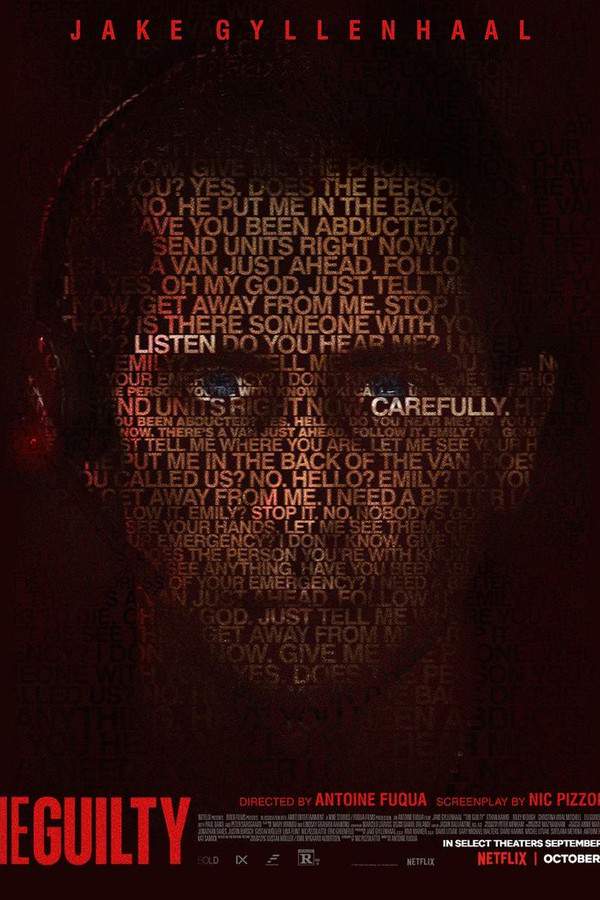
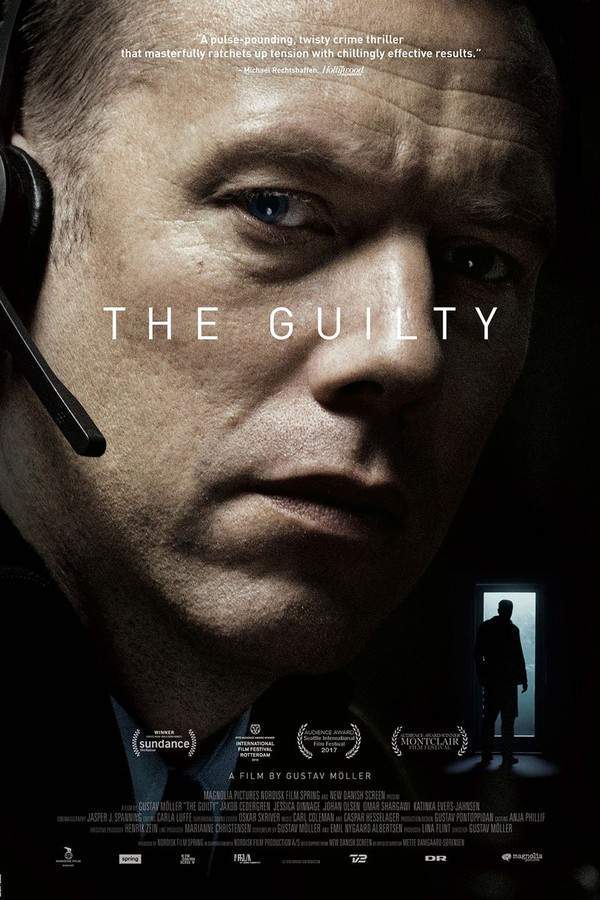
A police officer working at a call center experiences a shattering night when a distressed woman reports a possible kidnapping. Forced to rely on external resources and his own instincts, he investigates the unfolding situation, uncovering a complex web of clues and confronting potential corruption. Asger Holm’s troubled past also resurfaces, complicating his efforts to find the missing woman and unravel the truth before time runs out.
Warning: spoilers below!
Haven’t seen The Guilty yet? This summary contains major spoilers. Bookmark the page, watch the movie, and come back for the full breakdown. If you're ready, scroll on and relive the story!
Still thinking about how The Guilty (2018) ended? Here’s a full breakdown of the ending, key final moments, major twists, and the deeper meaning behind the film’s conclusion.
The ending of The Guilty reveals that much of what Joe believed about the situation was based on assumptions and limited information. Initially, Joe is convinced that Henry is a dangerous ex-husband who threatens Emily and her children. However, as the story unfolds, it becomes clear that Emily’s mental state is unstable, and she is the real threat. She is the one who has been mentally disturbed, possibly causing harm to her children herself, as indicated when she mentions “getting the snakes out” of her son Oliver—probably a metaphor for internal injuries or distress. When Joe’s friend searches Henry’s house, they find evidence suggesting Henry was actually trying to help Emily get psychiatric assistance, painting him as a caring, helpless figure rather than a threat.
The film carefully plant this twist by making viewers and Joe believe Henry is culpable based on Emily’s voice on 911 calls and Henry’s criminal record. But Emily’s vague and controlling communication prevents her from fully revealing the truth, leading both Joe and the audience to jump to conclusions. It’s a deliberate psychological misdirection that keeps the viewer engaged until the real story is uncovered.
As the story progresses, Joe recognizes his own flaws—his quick temper and desire to punish rather than understand—reflected in his anger at Henry. His confrontation with Emily, leading her to be on the brink of suicide, pushes him to confront his mistakes, especially regarding a past shooting. In that earlier case, Joe shot a young man named Joseph out of anger, a decision that he later admits may have been unnecessary. He pleads guilty at the end, accepting responsibility not just for the mistake in the case but as a symbol of his broader failure as a cop and person.
Joe’s guilty plea signifies his acknowledgment of his flawed moral compass and the harm caused by his rage. Throughout the film, he is depicted as a character caught in a cycle of anger and violence—both in his police work and personal life. By taking responsibility, he begins a path toward self-awareness and redemption. The final moments of the film underline that truth is often complex and painful but necessary for growth. Joe’s acceptance of guilt is a cathartic release, a recognition that confronting and owning one’s mistakes is the first step toward genuine change. In the end, The Guilty suggests that truth—no matter how difficult—is ultimately what sets us free.
Last Updated: June 25, 2025 at 08:58
Discover curated groups of movies connected by mood, themes, and story style. Browse collections built around emotion, atmosphere, and narrative focus to easily find films that match what you feel like watching right now.
Thrillers where confined spaces amplify the intensity of a distant crisis.If you liked the claustrophobic tension of The Guilty, this thread features movies that trap their protagonists in a single location, forcing them to solve a high-stakes crisis unfolding elsewhere. These films create intense, real-time drama focused on communication and desperate problem-solving.
The narrative pattern centers on a protagonist trapped in a control room, vehicle, or isolated location, who must remotely manage a critical situation. The drama hinges on limited information, reliance on external parties, and the immense pressure of making life-or-death decisions from a distance, often in real-time.
These movies are grouped by their shared use of a confined setting to generate relentless suspense. They deliver a unique, anxious viewing experience where the audience feels the protagonist's powerlessness and desperation as they try to influence events they cannot directly see or touch.
Stories where a small victory is overshadowed by heavy moral fallout.Movies like The Guilty that explore themes of guilt, moral compromise, and the heavy cost of truth. These films often end on a bittersweet note, where an external conflict is resolved but the protagonist is left to face profound personal consequences and emotional scars.
The journey typically involves a flawed protagonist who, while solving an immediate problem, uncovers a deeper, more tragic truth that implicates them or forces a reckoning with their own past. The ending provides a partial, practical success but delivers a heavy emotional gut-punch, focusing on the lingering price of guilt and the ambiguous nature of redemption.
They are connected by a shared emotional arc that prioritizes psychological consequence over clean resolution. The viewing experience is defined by a heavy emotional weight and a conclusion that feels poignant and realistically imperfect, leaving a lasting impact on the audience.
Don't stop at just watching — explore The Guilty in full detail. From the complete plot summary and scene-by-scene timeline to character breakdowns, thematic analysis, and a deep dive into the ending — every page helps you truly understand what The Guilty is all about. Plus, discover what's next after the movie.
Read a complete plot summary of The Guilty, including all key story points, character arcs, and turning points. This in-depth recap is ideal for understanding the narrative structure or reviewing what happened in the movie.
Track the full timeline of The Guilty with every major event arranged chronologically. Perfect for decoding non-linear storytelling, flashbacks, or parallel narratives with a clear scene-by-scene breakdown.
Discover the characters, locations, and core themes that shape The Guilty. Get insights into symbolic elements, setting significance, and deeper narrative meaning — ideal for thematic analysis and movie breakdowns.
Get a quick, spoiler-free overview of The Guilty that covers the main plot points and key details without revealing any major twists or spoilers. Perfect for those who want to know what to expect before diving in.
Visit What's After the Movie to explore more about The Guilty: box office results, cast and crew info, production details, post-credit scenes, and external links — all in one place for movie fans and researchers.
Discover movies like The Guilty that share similar genres, themes, and storytelling elements. Whether you’re drawn to the atmosphere, character arcs, or plot structure, these curated recommendations will help you explore more films you’ll love.
The Guilty (2018) Plot Summary & Movie Recap
The Guilty (2018) Scene-by-Scene Movie Timeline
The Guilty (2018) Movie Characters, Themes & Settings
The Guilty (2018) Spoiler-Free Summary & Key Flow
Movies Like The Guilty – Similar Titles You’ll Enjoy
The Guilty (2021) Plot Summary & Ending Explained
The Accused (1) Detailed Story Recap
The Accused (1988) Spoiler-Packed Plot Recap
Suspect (1987) Plot Summary & Ending Explained
The Offence (1973) Plot Summary & Ending Explained
The Guilty (2000) Ending Explained & Film Insights
Accused (2005) Spoiler-Packed Plot Recap
Guilty Until Proven Innocent (1991) Movie Recap & Themes
Guilty Conscience (1985) Story Summary & Characters
Guilty (2020) Film Overview & Timeline
The Guilty Generation (1931) Plot Summary & Ending Explained
The Guilty (1947) Full Movie Breakdown
Guilty Hands (1931) Plot Summary & Ending Explained
The Guilty Are Among Us (1964) Full Summary & Key Details
Guilty Bystander (1950) Film Overview & Timeline