







Plot Explained Spoilers guaranteed!
Plot Explained

Browse by genre

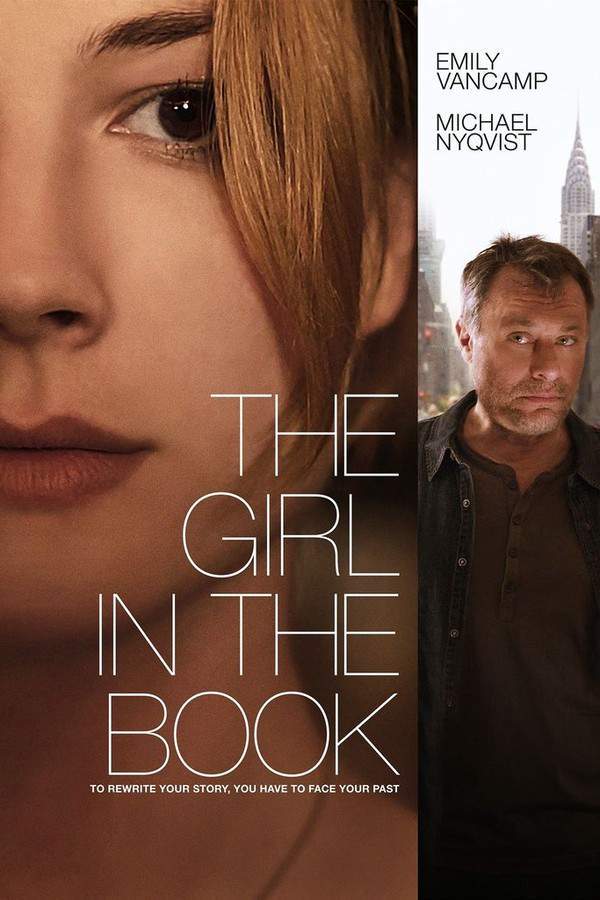
The Girl in the Book (2015) movie poster

Characters & Themes

The Girl in the Book (2015) Characters, Setting & Themes Explained

Release, runtime and language
2015 · 86 min · English
JustWatch #3,267 3
Directed by
Marya Cohn

Alice Harvey, a gifted writer struggling with personal demons, finds herself immersed in the competitive world of publishing. As she confronts a painful past, a renewed connection with an old flame stirs up unresolved feelings and raises difficult questions. This forces her to face challenges that could jeopardize both her career and her journey toward self-discovery. The story explores themes of love, loss, and finding one’s voice amidst complex emotions.

On this page (8)
  1. 1 Where to watch
  2. 2 Characters explained (3)
  3. 3 Where & when it takes place
  4. 4 Themes & meaning (3)
  5. 5 Character & meaning questions
  6. 6 Movie threads
  7. 7 Movies like The Girl in the Book
  8. 8 Every angle

Where to watch

Where to Watch The Girl in the Book (2015)

Where can you watch The Girl in the Book? Stream, rent or buy it in the US, including on Amazon Prime Video, Amazon Prime Video Free and Plex: current JustWatch availability with up-to-date prices.

Streaming availability powered by JustWatch

3 main characters · contains spoilers

The Girl in the Book Characters Explained: Who Is Who

The main characters of The Girl in the Book (2015), heroes and villains: what drives them, how they change over the course of the story and what each of them reveals about the film's bigger ideas.

  • Alice Harvey

    Alice is a 28-year-old assistant book editor and aspiring writer, struggling to carve out her identity in the shadow of her father's ambitions. Throughout her emotional journey, she grapples with her past relationships and the impact of her choices on her self-worth. Alice's character growth is marked by her desire for validation and her ultimate pursuit of personal freedom.

    • 👩‍💼 Ambitious
    • 📚 Writer
    • ❤️ Vulnerable
  • Milan Daneker

    Milan is a charismatic yet exploitative figure in Alice's life, whose initial mentorship devolves into manipulation and emotional turmoil. His creative talents are overshadowed by his questionable ethics, as he appropriates Alice's writing and experiences. Milan embodies the complexities of mentorship tainted by ulterior motives.

    • 🎨 Manipulator
    • 🌟 Charismatic
    • 📚 Author
  • Emmett Grant

    Emmett is a passionate political activist who becomes Alice's love interest, offering her a glimpse of connection and support amidst her chaos. His empathy and understanding contrast with the emotional struggles Alice faces, but their relationship is tested by external pressures and personal insecurities. Emmett serves as a catalyst for Alice's journey toward self-acceptance.

    • 🗳️ Activist
    • ❤️ Supportive
    • 💔 Empathetic

Last updated: October 22, 2024 at 22:04

Was this helpful?

Setting

Where and When Does The Girl in the Book Take Place?

The setting of The Girl in the Book (2015): the year and time period, the places and locations, and how they shape the characters, the mood and the tension of the story.

Time period

Contemporary

The film is set in a contemporary period where themes of ambition, personal growth, and the complexities of relationships are relevant. This era sees characters grappling with modern-day issues like emotional exploitation and the quest for self-identity, showcasing the struggles of young adults navigating their careers and personal lives.

Location

Alice's home, Milan's home, Sadie's place, Jack's office

The story unfolds primarily in urban settings, including Alice's home where she faces her childhood memories and emotional struggles. Milan's home serves as a backdrop for their complex interactions, while Sadie's place provides a refuge for Alice during turbulent times. Jack's office represents the professional pressures that challenge Alice's aspirations.

  • 🏡 Home
  • 🏢 Office
  • 🎉 Party

Last updated: October 22, 2024 at 22:04

Was this helpful?

3 major themes

The Girl in the Book Meaning: Themes & Message Explained

What is The Girl in the Book (2015) really about? The emotional, social and philosophical themes the film keeps returning to, its symbolism and the message beneath the surface.

  • Self-Discovery

    Alice's journey is deeply rooted in her struggle for self-discovery and reclaiming her narrative. Throughout the film, she faces the shadows of her past and her father's expectations, ultimately finding the strength to confront her traumas. This theme emphasizes the importance of recognizing one's worth and overcoming obstacles to pursue personal aspirations.

  • Heartbreak

    The film explores themes of heartbreak, both in romantic relationships and within familial bonds. Alice's interactions with Milan and Emmett reveal vulnerabilities and failures in connections, leading to moments of regret and sorrow. Through her experiences, the narrative highlights the complex emotions that arise from love and betrayal.

  • Literary Exploitation

    Alice grapples with the concept of literary exploitation, particularly in her relationship with Milan, who appropriates her experiences for his own gain. As she navigates her professional landscape, this theme underscores the ethical dilemmas writers face and the significance of authenticity in storytelling.

Last updated: October 22, 2024 at 22:04

Was this helpful?

Character & theme questions

The Girl in the Book Characters & Meaning: Your Questions Answered

The questions people ask about The Girl in the Book (2015): who the characters really are, their relationships, what the symbols mean, where it takes place and what the movie is really about. Each answer contains spoilers.

Q1

Where is the story primarily set?

The story takes place in urban settings, with key scenes occurring at Alice's home, where she confronts her childhood memories and emotional struggles. Milan's home serves as the backdrop for their complex and ultimately manipulative relationship, while Sadie's place offers Alice refuge during turbulent times. Jack's office represents the professional publishing world that challenges Alice's career aspirations.

  • urban settings
  • alice home
  • milan home
  • sadie place
  • jack office
  • publishing world
Q2

When does the movie take place?

The film is set in a contemporary period, reflecting modern-day issues that young adults face. The characters navigate current challenges like emotional exploitation, career pressures, and the quest for self-identity within the competitive world of publishing.

  • contemporary
  • modern era
  • present day
  • 2015
Q3

What does the Self-Discovery theme represent in the movie?

The Self-Discovery theme centers on Alice's struggle to reclaim her narrative and find her worth. She faces the shadows of her past and her father's expectations, ultimately finding the strength to confront her traumas. This theme emphasizes recognizing one's value and overcoming obstacles to pursue personal aspirations.

  • self-discovery
  • alice journey
  • personal growth
  • identity
  • trauma recovery
Q4

How is Heartbreak depicted in the story?

Heartbreak is explored through Alice's romantic relationships and familial bonds. Her connections with Milan and Emmett reveal vulnerabilities and failures, leading to moments of regret and sorrow. The narrative highlights the complex emotions arising from love and betrayal.

  • heartbreak
  • romance
  • love
  • betrayal
  • emotional pain
  • familial bonds
Q5

What does Literary Exploitation refer to in the film?

Literary Exploitation refers to Milan appropriating Alice's experiences and writing for his own gain. This theme underscores the ethical dilemmas writers face in the publishing industry and highlights the importance of authenticity in storytelling. It represents how creative works can be stolen and misused by those in positions of power.

  • literary exploitation
  • plagiarism
  • writing theft
  • mentor betrayal
  • publishing ethics
Q6

Who is Alice Harvey and what is her role in the story?

Alice Harvey is a 28-year-old assistant book editor and aspiring writer who struggles to carve out her identity in the shadow of her father's ambitions. She grapples with past relationships and the impact of her choices on her self-worth. Her character arc is defined by her desire for validation and her ultimate pursuit of personal freedom and creative ownership.

  • alice harvey
  • protagonist
  • aspiring writer
  • editor
  • personal growth
Q7

Who is Milan Daneker and what role does he play?

Milan Daneker is a charismatic figure who becomes Alice's mentor but ultimately devolves into manipulation and emotional turmoil. His creative talents are overshadowed by his questionable ethics, as he appropriates Alice's writing and experiences. Milan embodies the complexities of mentorship tainted by ulterior motives and represents the predatory nature of exploitative relationships in the creative industry.

  • milan daneker
  • mentor
  • manipulator
  • exploitation
  • antagonist
Q8

Who is Emmett Grant and what is his significance?

Emmett Grant is a passionate political activist who becomes Alice's love interest, offering her connection and support amidst her emotional chaos. His empathy and understanding contrast with the emotional struggles Alice faces. Emmett serves as a catalyst for Alice's journey toward self-acceptance, though their relationship is tested by external pressures and personal insecurities.

  • emmett grant
  • love interest
  • political activist
  • supportive partner
  • catalyst
Q9

What is the emotional tone of the film?

The tone is predominantly melancholic due to the story's focus on unresolved trauma, exploitation, and the protagonist's emotional stagnation. The narrative explores heavy themes of grooming, psychological abuse, and parental betrayal. However, the ending shifts from bleak to empowering as Alice actively confronts her abuser and reclaims her identity.

  • melancholic tone
  • emotional weight
  • hopeful ending
  • psychological abuse
  • empowerment
Q10

How does the narrative structure work?

The film uses a dual-timeline structure that interweaves present-day struggles with painful flashbacks. This structure reveals the source of Alice's emotional pain and the origins of her creative work being stolen. The steady pacing builds toward a climactic confrontation between Alice and her abuser.

  • dual timeline
  • flashbacks
  • narrative structure
  • pacing
  • storytelling

Movie threads

More Movies Like The Girl in the Book, by Mood & Story

Curated lists built around what makes The Girl in the Book tick: the same mood, the same kind of story or the same emotional payoff. Each list explains why these movies belong together.

Movies about reclaiming identity like The Girl in the Book

Characters overcoming past trauma to finally tell their own story. If you liked The Girl in the Book, explore similar movies where characters confront past trauma and exploitation to reclaim their voice. These films focus on heavy, cathartic journeys of self-discovery, often involving writers, artists, or survivors finally standing up to their abusers.

  • cathartic
  • somber
  • tense
  • empowering
  • reflective
  • psychological
  • Tone: melancholic, cathartic
  • Pacing: steady, reflective
Why these movies?

The story pattern: This thread follows a specific narrative arc: a protagonist, often creatively inclined, is haunted by a past injustice where their voice or work was stolen. Through a series of present-day triggers and flashbacks, they build the courage for a climactic confrontation, leading to a resolution that is more about personal empowerment than simple vengeance.

Why they belong together: These films are grouped by their shared focus on a deeply personal, psychological battle. They blend heavy emotional weight with a steady, reflective pace, building towards a cathartic release. The tone is typically melancholic and tense, but the endings lean hopeful, emphasizing the triumph of self-reclamation over the darkness of the past.
Melancholic reflective dramas like The Girl in the Book

Quiet, character-driven stories with a heavy emotional core. Find movies similar to The Girl in the Book that share its steady, reflective pacing and melancholic tone. These character-driven dramas explore heavy emotional themes with a sense of quiet intensity, perfect for viewers who enjoy thoughtful, somber stories that build towards catharsis.

  • melancholic
  • reflective
  • somber
  • character-driven
  • thoughtful
  • heavy
  • Tone: melancholic, somber
  • Pacing: steady, deliberate
Why these movies?

The story pattern: Movies in this thread are defined by their rhythm and mood. The narrative unfolds patiently, often weaving between past and present to explore the roots of a character's emotional state. Conflict is often internal or interpersonal, driven by dialogue and memory rather than action, leading to a resolution that feels earned through introspection.

Why they belong together: This grouping prioritizes a specific viewing experience: a consistent, somber mood maintained through steady pacing and a focus on complex emotions. The combination of a melancholic tone, medium intensity, and heavy emotional weight creates a cohesive vibe of thoughtful sadness that is contemplative rather than depressing.

If you liked this

Movies Like The Girl in the Book

Similar movies to The Girl in the Book: the same genre, themes or kind of story. Each one comes with its own plot summary, timeline and ending explained.

Browse all movie summaries

Every angle

The Girl in the Book (2015) Explained: Plot, Timeline & Characters

Everything about The Girl in the Book in one place: what happens in the plot summary, the timeline in chronological order, the characters and meaning and a spoiler-free summary. What's After the Movie adds the cast, box office and post-credit scenes.

Coming soon on iOS and Android

The Plot Explained Movie Summary App

Plot summaries, endings explained and timelines on your phone. Catch up on any movie in minutes, save your favorites and never miss a twist again.

Be the first to know when we launch. Your email stays private, always.

Learn more about the app