Year: 1984
Runtime: 92 mins
Language: French
Director: André Melançon
During the Christmas holidays, ten war‑obsessed children stage a two‑week simulated battle with shields, wooden swords and snowballs. A promised bounty chest fuels fierce competition, and as the sides grow, the make‑believe war takes over their lives, reflecting war, peace, love and honor in a child's world.
Warning: spoilers below!
Haven’t seen The Dog Who Stopped the War yet? This summary contains major spoilers. Bookmark the page, watch the movie, and come back for the full breakdown. If you're ready, scroll on and relive the story!
Trace every key event in The Dog Who Stopped the War (1984) with our detailed, chronological timeline. Perfect for unpacking nonlinear stories, spotting hidden connections, and understanding how each scene builds toward the film’s climax. Whether you're revisiting or decoding for the first time, this timeline gives you the full picture.
Last updated: October 09, 2025 at 14:41
Find frequently asked questions about the The Dog Who Stopped the War (1984) timeline, including chronological order, nonlinear jumps, cause-and-effect links, and scene sequence clarifications. This timeline FAQ helps explain when key events happen, how moments connect, and why the story unfolds in that specific order.
The war escalates because a promised bounty chest fuels fierce competition between the two factions. As the battles continue, pride and rivalry drive both sides to keep recruiting more children and developing new tactics, transforming what started as playful holiday fun into an all-out conflict that takes over their lives.
Early scenes establish Luc's bossy, take-charge personality and Pierre's determination to defend their stronghold, hinting at how personal the rivalry becomes.
Cléo follows Pierre into the chaos of the final battle, and when the fortress wall collapses under the weight of the fighting, she is crushed and dies. Both sides stop to bury her together, marking the tragic turning point of the film.
Cléo is introduced as Pierre's loyal dog who stands as morale for the defenders, foreshadowing her presence in the final battle.
Cléo's death creates a moment of shared grief that cuts through the rivalry. Both groups realize their play-war has caused real tragedy, and they choose to bury their differences and honor her memory together, ending the conflict.
During the third assault, Luc's forces overwhelm the defenders by wearing garbage bag protection against the ink snowballs. With the fort's defenses breached and the situation hopeless, Pierre and François escape via a hidden tunnel on a toboggan to regroup for the final confrontation.
Earlier scenes show the defenders preparing coordinated defenses, implying they also prepared escape routes.
Luc is characterized as ambitious and stubborn, refusing to accept defeat. After his first injury from the ladder assault, he regrouped and launched more sophisticated attacks using ink snowballs and then garbage bag armor. His determination to claim the bounty chest and prove his leadership drives him to keep escalating.
Luc is introduced with a bossy, take-charge personality that sets up his relentless pursuit of victory.
The fortress wall collapses due to the sheer force of the attackers breaching the defenses and the crush of hand-to-hand combat. The structure, built from snow, cannot withstand the combined weight and pressure of the large invading army and the defenders trying to hold the line.
François designed the fortress for defense, but the timeline shows the attackers progressively finding ways to breach it.
The bounty chest is a promised prize that fuels the fierce competition between the two factions. While the summary doesn't detail its exact contents, it serves as the primary motivation for the escalating attacks, with both sides believing possession of it justifies their efforts to win the war.
Danny Martin, an observer from Victoriaville, chooses to watch with measured neutrality, taking in every move with curiosity and cautious judgment. His role is to observe and document the conflict rather than participate, representing a detached perspective on the children's war.
The ink snowballs are soaked in ink and launched to stain and disorient the defenders. The ink spreads across the white snow, making it difficult for defenders to see and adding visible marks that demoralize them. The defenders struggle to maintain their lines as the ink spreads across their positions.
After Pierre and François escape the third assault, both groups meet and agree to settle the conflict with one definitive battle. This decision creates a clear winner rather than continuing an unresolved conflict, setting up the climactic confrontation that will end the war.
The escape forces both sides to reassess their positions, leading to the agreement for a final showdown.
In the final siege, Luc recruits more children, some drawn by chocolate, and brings new weapons including slingshots and a snowball cannon. These additions significantly increase the attackers' firepower and allow them to breach the fortress walls that had previously held firm.
François, described as the brilliant member of the defenders, designs a massive, elaborate snow fort that becomes the group's stronghold. His ingenuity helps the defenders devise clever defenses and daring plans throughout the war, making the fortress difficult to breach until the final siege when sheer numbers and new weapons overcome its design.
François is introduced as the genius boy whose ideas shape both the fort and overall strategies.
Discover curated groups of movies connected by mood, themes, and story style. Browse collections built around emotion, atmosphere, and narrative focus to easily find films that match what you feel like watching right now.
Where childhood adventures escalate into meaningful, bittersweet consequences.If you liked the way The Dog Who Stopped the War blends exciting childhood adventure with a sobering lesson, explore these similar stories. This collection features movies like it, where playful games or rivalries escalate, leading to bittersweet endings that reflect on friendship, loss, and the end of innocence.
The narrative pattern typically involves a group of children or young protagonists deeply engaged in a game, competition, or imaginative world. The pacing is often fast and energetic as the 'play' intensifies. A pivotal event—often a loss or a moment of shared grief—abruptly halts the fun, serving as a catalyst for reflection and maturity, resulting in a bittersweet conclusion.
Movies are grouped here because they share a very specific emotional arc: starting with a vibrant, playful, and sometimes competitive vibe that gradually or suddenly transforms into a more reflective and somber tone. They capture the fragile border between childhood fantasy and harsh reality.
Stories where children's games mirror the dramas and tragedies of real war.Find more movies like The Dog Who Stopped the War that explore war and peace through the eyes of children. These similar films feature kids creating their own elaborate battles and rivalries, where their games become serious metaphors for larger truths about cooperation, loss, and human nature.
The narrative focuses on a group of children who organize themselves into rival factions and engage in a prolonged, structured conflict. The story meticulously shows the rules, strategies, and alliances formed, making the child's world feel immense and consequential. The plot often explores how the simulation impacts their friendships and forces them to grapple with concepts like leadership, betrayal, and the sobering reality of loss.
These films are connected by their central premise: using a children's war game as a narrative device to examine serious themes. They share a specific blend of exciting action set in a child-centric world with a underlying reflective quality that comments on the nature of conflict itself.
Don't stop at just watching - explore The Dog Who Stopped the War in full detail. From the complete plot summary and scene-by-scene timeline to character breakdowns, thematic analysis, and a deep dive into the ending - every page helps you truly understand what The Dog Who Stopped the War is all about. Plus, discover what's next after the movie.
Read a complete plot summary of The Dog Who Stopped the War, including all key story points, character arcs, and turning points. This in-depth recap is ideal for understanding the narrative structure or reviewing what happened in the movie.
Discover the characters, locations, and core themes that shape The Dog Who Stopped the War. Get insights into symbolic elements, setting significance, and deeper narrative meaning - ideal for thematic analysis and movie breakdowns.
Discover movies like The Dog Who Stopped the War that share similar genres, themes, and storytelling elements. Whether you’re drawn to the atmosphere, character arcs, or plot structure, these curated recommendations will help you explore more films you’ll love.
The Dog Who Stopped the War (1984) Plot Summary & Movie Recap
The Dog Who Stopped the War (1984) Scene-by-Scene Movie Timeline
The Dog Who Stopped the War (1984) Spoiler-Free Summary & Key Flow
Movies Like The Dog Who Stopped the War – Similar Titles You’ll Enjoy
Dog (2022) Full Movie Breakdown
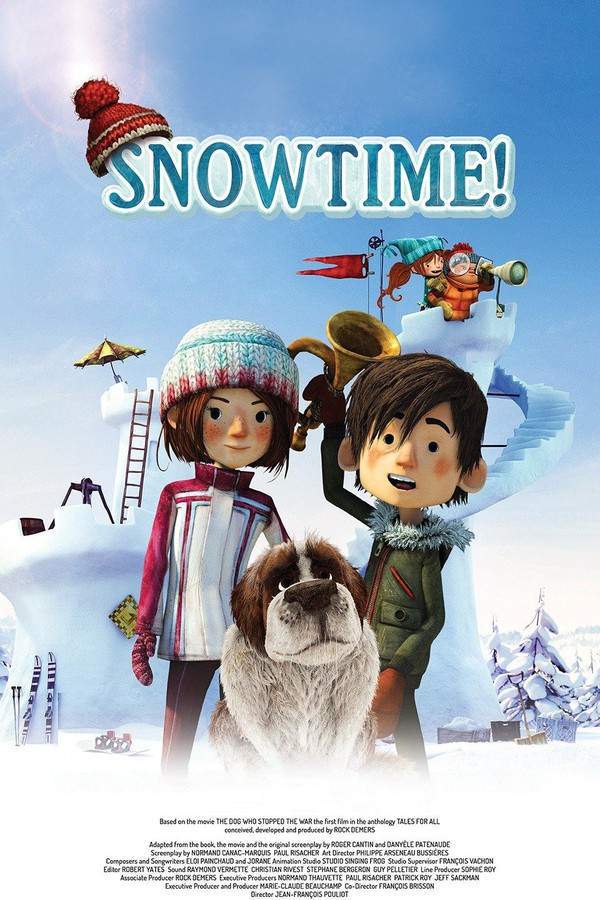
Snowtime! (2016) Full Movie Breakdown
A Doggone Adventure (2018) Ending Explained & Film Insights
A Dog for Christmas (2015) Full Summary & Key Details
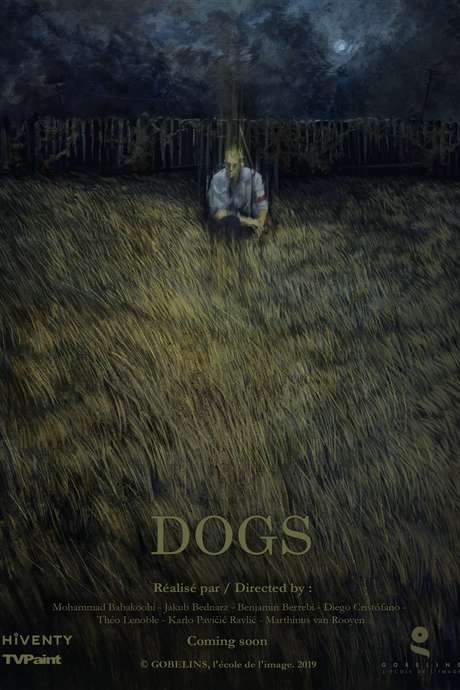
Dogs (2019) Story Summary & Characters
War Game (2002) Ending Explained & Film Insights
Santa Stole Our Dog: A Merry Doggone Christmas! (2017) Full Movie Breakdown
Dog Town (2019) Full Summary & Key Details
The 12 Dogs of Christmas (2005) Spoiler-Packed Plot Recap
Nine Dog Christmas (2004) Spoiler-Packed Plot Recap
La guerra de los niños (1980) Complete Plot Breakdown
War Dog (1987) Spoiler-Packed Plot Recap
The Dog Who Saved Christmas (2009) Detailed Story Recap
Merry Dog (1933) Complete Plot Breakdown
The Pups’ Christmas (1936) Story Summary & Characters