
The Day of the Siege: September Eleven 1683
Year: 2012
Runtime: 114 mins
Language: English
Director: Renzo Martinelli
During the summer of 1683, a massive army of the Ottoman Empire, numbering around 300,000 soldiers, began the siege of Vienna. The city's fall would have paved the way for the conquest of Europe. The decisive battle took place on September 11, 1683, featuring Polish cavalry led by King Jan III Sobieski confronting the Ottoman forces. The conflict marked a pivotal moment in European history.
Warning: spoilers below!
Haven’t seen The Day of the Siege: September Eleven 1683 yet? This summary contains major spoilers. Bookmark the page, watch the movie, and come back for the full breakdown. If you're ready, scroll on and relive the story!
The Day of the Siege: September Eleven 1683 (2012) – Full Plot Summary & Ending Explained
Read the complete plot breakdown of The Day of the Siege: September Eleven 1683 (2012), including all key story events, major twists, and the ending explained in detail. Discover what really happened, and what it all means.
Marco d'Aviano is introduced in late 1682 northern Italy as a Catholic monk famed for miracles, drawing crowds who hope he can summon a sign to halt the Ottoman advance. The Ottoman ruler Mehmed IV appoints Kara Mustafa Pasha as his Grand Vizier, a calculating general determined to carve out an Islamic caliphate in Europe and infamous for converting conquered churches into mosques. Before he marches, Kara Mustafa shows his favorite wife Leila an amulet he received after saving a man in Venice, a keepsake that becomes tangled in omens and prophecy. A kahin predicts that Kara Mustafa will witness bloodshed, though not his own, and he entrusts the amulet to his son, promising a safe return. A comet with a red tail splits the sky, bright enough to be read as a sign of victory by both men.
When the Holy Roman Empire calls, Emperor Leopold I invites Marco to Vienna for counsel. Marco warns that the Ottomans have broken their peace and are marching toward Vienna and Hungary, urging Leopold to form alliances with Saxony, Bavaria, and the Polish–Lithuanian Commonwealth. Leopold’s court hesitates, but Marco’s influence grows after a different crisis helps him win support.
Leopold’s daughter, the Duchess of Lorena, suffers from breast cancer, and Marco miraculously heals her, a miracle that softens the emperor and makes him more receptive to Marco’s strategic advice. The odds in Vienna are stark: about 50,000 defenders against a 300,000-strong Ottoman army, with Kara Mustafa instructing his translator Abu'l to speak to the Viennese. Abu'l’s wife Lena accompanies Marco to Vienna and is shocked to learn her husband is working with the Ottomans; she at one point slips into the Ottoman camp to speak with him, is captured, and later freed after Abu'l pays for her release.
As the siege intensifies, Tartars arrive to warn of threats to the Ottomans’ rear, but Kara Mustafa dismisses the advice. The Ottomans unleash cannons to breach Vienna’s walls, and the defenders suffer heavy losses while clinging to hope. The Polish army, led by the rightful king of the Polish–Lithuanian Commonwealth, John III Sobieski, arrives to tip the balance. Despite initial resistance from the largely Protestant Viennese, Marco convinces them to heed Sobieski’s leadership. Sobieski plans a bold assault from the top of the Kahlenberg, striking from behind the Ottoman lines where they least expect danger.
A crucial moment arrives when Kara Mustafa realizes that the man he saved in Venice long ago was Marco, and he seeks a face-to-face meeting with the monk. The two clash over whether Islamic submission or Christian virtue should prevail, but Marco cannot deter Kara Mustafa from his attack. On September 11, 1683, Marco delivers a powerful speech urging the army to defend their Christian faith and Western civilization. The Ottoman cavalry suffer from strategic traps, and the Polish assault from the rear cripples their advance. The Ottomans retreat, and the threat to Western Europe is averted.
The aftermath unsettles Kara Mustafa, who is furious as his tacticians admit their warnings about artillery on Kahlenberg were ignored. The narrative elevates tension by suggesting a confrontation that ends with Kara Mustafa’s apparent death in battle, only for it to be revealed as a decoy—the real Kara Mustafa flees. In a grim coda, on Christmas Day, 1683 the sultan orders Kara Mustafa’s son to witness his father’s execution for failing to capture Vienna, and the amulet his father gave him is finally cast into the snow.
Last updated: December 03, 2025 at 23:58
The Day of the Siege: September Eleven 1683 (2012) Plot Questions Answered – Summary FAQ
Explore frequently asked questions about The Day of the Siege: September Eleven 1683 (2012) with spoiler-rich answers covering the full plot summary, major story beats, character motivations, hidden details, and ending meaning. This movie summary FAQ helps explain confusing scenes, plot twists, and narrative decisions in clear, searchable detail.
Why did Kara Mustafa ignore the Tartars' warning about the Polish attack?
Kara Mustafa dismissed the Tartars' advice to secure the army's rear because he was confident in his numerical superiority and believed the Viennese defenders were already weakened. His focus was on breaching Vienna's walls rather than anticipating a coordinated counterattack from the Polish forces. This overconfidence proved catastrophic when Sobieski's army launched their surprise assault from Kahlenberg.
Earlier omens, including the kahin's prophecy about bloodshed, hinted at Kara Mustafa's hubris leading to defeat.
How did Marco d'Aviano's healing of Duchess Lorena change the war?
When Marco miraculously healed Empress Leopold's daughter from breast cancer, it transformed his status from a controversial religious figure to a trusted advisor. This miracle convinced the skeptical Emperor Leopold to actually heed Marco's strategic counsel about forming alliances with Poland, Saxony, and Bavaria. Without this political shift, the relief army may never have been organized.
Why did Kara Mustafa request a meeting with Marco d'Aviano?
Kara Mustafa discovered that the monk he had saved from an accident in Venice years earlier was indeed Marco d'Aviano. Wanting to meet his former benefactor, Kara Mustafa sought a face-to-face confrontation hoping to convince Marco that Islamic submission would bring peace. The meeting became a philosophical clash between their competing worldviews, but Marco could not sway Kara Mustafa from his mission to conquer Vienna.
The amulet Kara Mustafa treasured was given to him by Marco after saving him in Venice, establishing their connection early in the narrative.
How did the Polish attack from Kahlenberg break the Ottoman siege?
King Jan III Sobieski led his cavalry in a devastating surprise assault from the heights of Kahlenberg, striking the Ottoman rear where they least expected danger. This strategic positioning allowed the Polish forces to crash into the Ottoman center while they were focused on the Viennese walls. The unexpected attack panicked the Ottoman cavalry and collapsed their battle formation, forcing a retreat.
The Tartars had specifically warned Kara Mustafa about the danger to his rear, foreshadowing this exact vulnerability.
Did Kara Mustafa actually die in the battle or escape?
During the battle's chaos, Kara Mustafa appeared to charge the Viennese lines in a desperate final assault, but this was actually a decoy. The real Kara Mustafa had already fled the battle. He survived the September engagement but faced consequences when ultimate the Sultan ordered his execution for failing to capture Vienna.
The kahin had prophesied that Kara Mustafa would see blood but not his own, hinting at his survival of the battle.
Why was Kara Mustafa's son executed on Christmas Day?
The Sultan held Kara Mustafa's son responsible for his father's failure to capture Vienna. On Christmas Day 1683, the young man was forced to witness his own father's execution as punishment for the defeat. After the execution, the son threw the amulet Kara Mustafa had given him into the snow, symbolizing the end of the failed mission and the family's downfall.
Before marching on Vienna, Kara Mustafa had entrusted the amulet to his son, promising to return, both the amulet and the promise would ultimately be discarded in defeat.
Why were the Viennese initially reluctant to accept Sobieski's leadership?
The Viennese, who were largely Protestant, were skeptical of the Polish king because they feared Catholic domination or suspected his motives. Marco d'Aviano played a crucial role in convincing them that Sobieski's military leadership was necessary for survival, bridging the religious divide to unite the defenders against the common Ottoman threat.
What did the red comet signify in the movie?
A comet with a red tail appeared in the sky during the buildup to the siege, interpreted as an omen by both sides. Both Kara Mustafa and Marco d'Aviano saw it as a sign of their own coming victory, demonstrating how the same celestial event could be read to support opposing interpretations. The comet added to the atmosphere of fate and prophecy surrounding the conflict.
This omen set the stage for the moral confrontation between the two leaders who each believed divine favor supported their cause.
What happened to Abu'l and his wife Lena during the siege?
Abu'l, a Muslim who had been protected by Marco in Vienna, was forced to serve as Kara Mustafa's translator during the siege. His wife Lena, who was deaf, was left behind and later captured by Ottoman forces but was eventually released after Abu'l paid for her freedom. This subplot highlighted the personal costs of war and the complex loyalties among those caught between empires.
How did Vienna survive against an army of 300,000 with only 50,000 defenders?
Vienna's survival hinged on multiple factors: the Ottoman focus on artillery bombardment rather than storming the walls quickly, Kara Mustafa's dismissal of rear-guard warnings, and crucially, the arrival of Sobieski's Polish relief force. Marco's diplomatic efforts also secured alliances that might otherwise never have formed. Without the coordinated counterattack from Kahlenberg, Vienna's fall would have been inevitable despite the defenders' resolve.

Explore Movie Threads
Discover curated groups of movies connected by mood, themes, and story style. Browse collections built around emotion, atmosphere, and narrative focus to easily find films that match what you feel like watching right now.
Epic Battles for Civilization's Fate like in The Day of the Siege: September Eleven 1683
Large-scale historical conflicts where the future of a culture hangs in the balance.Discover movies like The Day of the Siege: September Eleven 1683, featuring epic historical battles where the fate of a civilization is on the line. This collection includes similar large-scale war dramas, stories of religious and cultural clashes, and films about pivotal moments in history.
Red Cliff
2009

El Cid, The Legend
2020

Sign of the Pagan
1954
The Day of the Siege: September Eleven 1683
2012
Waterloo
1970

The Founding of a Republic
2009

Gettysburg
1993

Henry V
1989
Panipat
2019

The Pride and the Passion
1957
300
2007

Saladin the Victorious
1963

The Charge of the Light Brigade
1936

The Lighthorsemen
1987

Three Kingdoms: Resurrection of the Dragon
2008
Narrative Summary
Stories in this thread typically follow a linear progression towards a decisive confrontation. The narrative builds tension by establishing the immense stakes, exploring the strategies and political machinations on both sides, and culminating in a large-scale, high-intensity battle sequence that resolves the central conflict, often with significant personal and historical costs.
Why These Movies?
These movies are grouped together because they share a core focus on historically significant, civilization-defining conflicts. They create a similar viewing experience through their high emotional weight, tense tone, epic scale, and the heavy themes of survival, faith, and sacrifice that accompany world-altering events.
Bittersweet War Victories like in The Day of the Siege: September Eleven 1683
Stories where strategic wins are shadowed by profound personal and moral losses.If you liked the bittersweet ending of The Day of the Siege: September Eleven 1683, explore these movies about war where victory comes with a heavy price. These films share similar themes of sacrifice, personal tragedy amid historical triumph, and the emotionally complex outcomes of battle.

Battle Cry
1955

From Hell to Victory
1979

Once Upon a Time in a Battlefield
2003

Bitter Victory
1957

Battle of the Bulge
1965

Only The Brave
2006

The Great War
1959
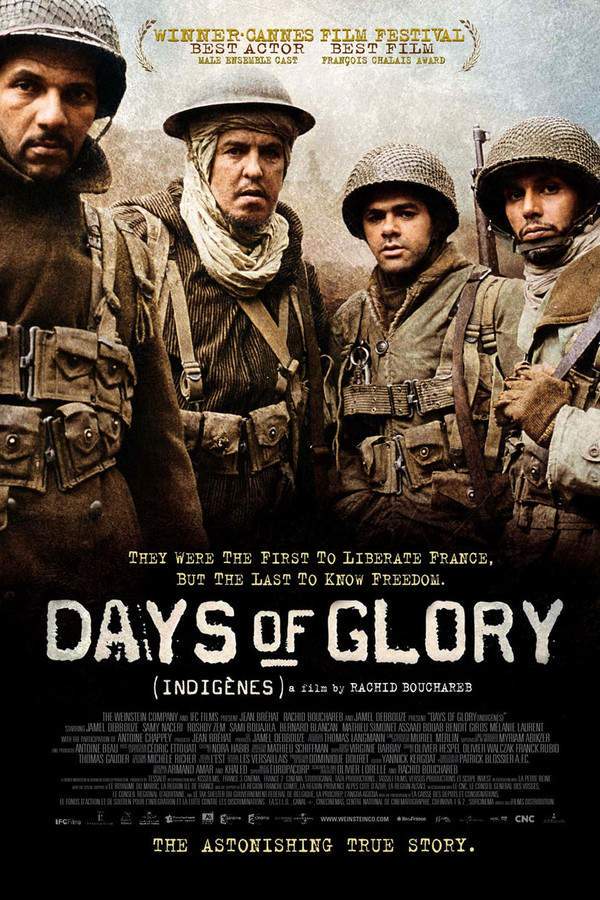
Days of Glory
2006
The Pride and the Passion
1957

The Fighting 69th
1940

The Lost Battalion
2001
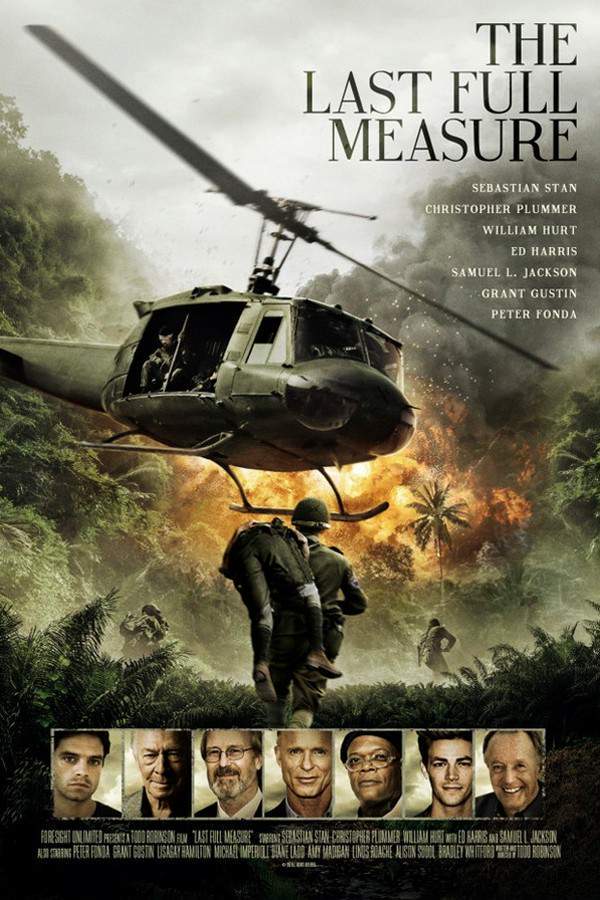
The Last Full Measure
2020

Homecoming
1948

In Harm’s Way
1965

Battle Circus
1953
Narrative Summary
The narrative pattern involves a central conflict that is resolved successfully from a strategic standpoint, but the resolution is undercut by significant personal tragedies, moral compromises, or haunting consequences. The journey leads to an ending that is neither purely happy nor sad, but a poignant mix of relief and sorrow, emphasizing the enduring scars of war.
Why These Movies?
This thread connects films through their shared emotional core: the exploration of victory's bittersweet nature. They possess a heavy emotional weight, a tone that balances tension with melancholy, and a narrative structure that delivers a conclusive outcome while lingering on the human cost, making the triumph feel earned yet deeply sobering.
Unlock the Full Story of The Day of the Siege: September Eleven 1683
Don't stop at just watching - explore The Day of the Siege: September Eleven 1683 in full detail. From the complete plot summary and scene-by-scene timeline to character breakdowns, thematic analysis, and a deep dive into the ending - every page helps you truly understand what The Day of the Siege: September Eleven 1683 is all about. Plus, discover what's next after the movie.
The Day of the Siege: September Eleven 1683 Timeline
Track the full timeline of The Day of the Siege: September Eleven 1683 with every major event arranged chronologically. Perfect for decoding non-linear storytelling, flashbacks, or parallel narratives with a clear scene-by-scene breakdown.

Characters, Settings & Themes in The Day of the Siege: September Eleven 1683
Discover the characters, locations, and core themes that shape The Day of the Siege: September Eleven 1683. Get insights into symbolic elements, setting significance, and deeper narrative meaning - ideal for thematic analysis and movie breakdowns.

The Day of the Siege: September Eleven 1683 Spoiler-Free Summary
Get a quick, spoiler-free overview of The Day of the Siege: September Eleven 1683 that covers the main plot points and key details without revealing any major twists or spoilers. Perfect for those who want to know what to expect before diving in.

More About The Day of the Siege: September Eleven 1683
Visit What's After the Movie to explore more about The Day of the Siege: September Eleven 1683: box office results, cast and crew info, production details, post-credit scenes, and external links - all in one place for movie fans and researchers.
