







Plot Explained Spoilers guaranteed!
Plot Explained

Browse by genre

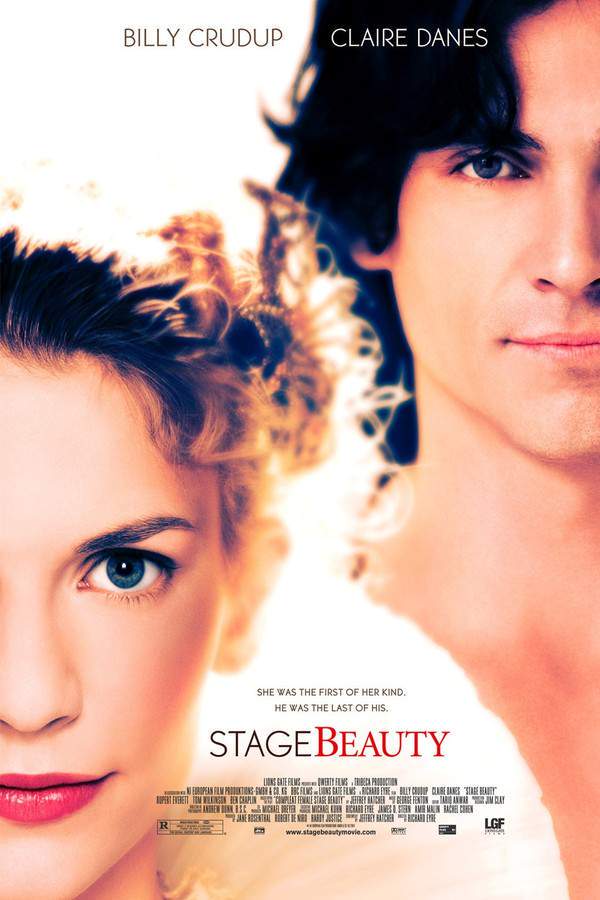
Stage Beauty (2004) movie poster

Characters & Themes

Stage Beauty (2004) Characters, Setting & Themes Explained

Release, runtime and language
2004 · 106 min · English
Directed by
Richard Eyre
Starring
Billy Crudup, Claire Danes

During the 17th century in London, Ned Kynaston achieves stardom thanks to Maria's exceptional ability to craft convincing female characters, though she remains hidden and constrained by the conventions of the time. When royal patronage alters the landscape of the theatre, Maria resolves to step out of the shadows and claim her place on stage, seeking help from the rising star she mentored as they both confront a changing world of theatrical possibilities.

On this page (9)
  1. 1 Where to watch
  2. 2 Characters explained (2)
  3. 3 Where & when it takes place
  4. 4 Themes & meaning (3)
  5. 5 Character & meaning questions
  6. 6 Movie threads
  7. 7 Movies like Stage Beauty
  8. 8 Categories
  9. 9 Every angle

Where to watch

Where to Watch Stage Beauty (2004)

Where can you watch Stage Beauty? Stream, rent or buy it in the US, including on Plex, Tubi TV and Apple TV Store: current JustWatch availability with up-to-date prices.

Streaming availability powered by JustWatch

2 main characters · contains spoilers

Stage Beauty Characters Explained: Who Is Who

The main characters of Stage Beauty (2004), heroes and villains: what drives them, how they change over the course of the story and what each of them reveals about the film's bigger ideas.

  • Ned Kynaston (Billy Crudup)

    Ned Kynaston is a celebrated actor best known for his captivating performances in female roles. As a man on the brink of losing his relevance, he exemplifies the challenges faced by artists amidst changing societal norms. His vulnerability, paired with a yearning to reclaim his lost glory, portrays the complexities of an artist's identity.

    • 🎭 Actor
    • 😔 Vulnerability
    • 🌟 Fame
  • Maria (Claire Danes)

    Maria is a passionate dresser who aspires to be an actress despite the restrictions placed on women. Her determination to embody her true self as Margaret Hughes showcases her strength and talent. As her star rises, she grapples with her complexities of ambition and the gaps she perceives between herself and Kynaston.

    • 👩‍🎤 Aspiration
    • 💪 Strength
    • 🎉 Performer

Last updated: October 22, 2024 at 22:12

Was this helpful?

Setting

Where and When Does Stage Beauty Take Place?

The setting of Stage Beauty (2004): the year and time period, the places and locations, and how they shape the characters, the mood and the tension of the story.

Time period

17th Century

The 17th century was a period marked by significant artistic and cultural developments in England, especially during the reign of King Charles II. This era witnessed the restoration of the monarchy, which greatly influenced the arts, leading to a flourishing of theatre. However, it also saw rigid societal norms, particularly regarding gender roles, limiting opportunities for women in performance.

Location

London

The movie takes place in 17th century London, a hub of theatrical activity and cultural change. Known for its vibrant theatre scene, it served as a backdrop for groundbreaking performances and societal shifts, especially regarding gender roles in the arts. The local tavern where Maria performs symbolizes the emerging spaces for female actors in a traditionally male-dominated field.

  • 🏰 Theatrical
  • 🎭 Arts
  • 🏛️ Historic

Last updated: October 22, 2024 at 22:12

Was this helpful?

3 major themes

Stage Beauty Meaning: Themes & Message Explained

What is Stage Beauty (2004) really about? The emotional, social and philosophical themes the film keeps returning to, its symbolism and the message beneath the surface.

  • Ambition

    The theme of ambition is central to the film, particularly embodied in Maria's character, who defies societal constraints to pursue her passion for acting. Her rise to prominence contrasts starkly with Kynaston's decline, highlighting the different paths taken driven by ambition. This struggle reveals the complexities of ambition within the barriers of gender and societal expectations.

  • Rejection

    Rejection plays a pivotal role in Kynaston's journey as he faces the fallout of changing theatrical norms and the personal betrayal from his lover. His struggle to adapt in a landscape that no longer values his talents leads to profound emotional turmoil. The theme also resonates with Maria, who navigates her own fears and obstacles in an unforgiving environment.

  • Identity

    Identity emerges as a significant theme, especially through Maria's transformation into Margaret Hughes. Her journey reflects the fluidity of identity in performance and the constraints imposed by society. Kynaston’s struggle with his identity and the roles he must abandon brings to light the deeper questions of self-worth and recognition in the world of theatre.

Last updated: October 22, 2024 at 22:12

Was this helpful?

Character & theme questions

Stage Beauty Characters & Meaning: Your Questions Answered

The questions people ask about Stage Beauty (2004): who the characters really are, their relationships, what the symbols mean, where it takes place and what the movie is really about. Each answer contains spoilers.

Q1

Where is the movie set?

Stage Beauty is set in 17th century London, which was a vibrant hub of theatrical activity during the Restoration era. The city served as the backdrop for groundbreaking performances and significant cultural shifts, particularly regarding gender roles in the arts. The film's primary locations include the professional theatres where Ned Kynaston performs and a local tavern that represents the emerging spaces for female performers.

  • 17th century london
  • restoration theatre
  • historical setting
  • london theatres
Q2

What time period does the story take place in?

The film is set during the 17th century, specifically during the reign of King Charles II. This was the Restoration period, which saw the monarchy restored to the English throne after the Interregnum. The era was transformative for the arts, particularly theatre, as the Restoration brought new freedoms and patronage systems that shaped the theatrical landscape.

  • 17th century
  • restoration period
  • king charles ii
  • historical era
  • 1660s
Q3

Who is Ned Kynaston?

Ned Kynaston is a celebrated actor famous for his captivating performances in female roles, portraying some of the most iconic characters in Restoration theatre. As a man whose career is on the brink of becoming obsolete due to changing theatrical norms, he embodies the vulnerabilities artists face when society's tastes shift. His character explores themes of identity, relevance, and the painful process of artistic reinvention.

  • ned kynaston
  • restoration actor
  • female roles
  • billy crudup
  • theatre history
Q4

Who is Maria in the film?

Maria is a passionate theatre dresser who aspires to become an actress despite the severe restrictions placed on women in 17th century England. Determined to pursue her calling, she eventually transforms into Margaret Hughes, taking control of her artistic destiny. Her journey represents a powerful exploration of ambition and the fight for recognition in a male-dominated field.

  • maria
  • margaret hughes
  • claire danes
  • female actress
  • women's theatre
Q5

What are the main themes of Stage Beauty?

The film explores several interconnected themes. Ambition drives Maria's journey as she defies societal constraints to pursue acting. Rejection shapes Ned Kynaston's trajectory as he faces professional downfall and personal betrayal. Identity emerges as a central theme through Maria's transformation into Margaret Hughes and Kynaston's struggle with abandoning his signature roles. These themes intertwine to examine how artists navigate changing social landscapes.

  • ambition
  • rejection
  • identity
  • gender roles
  • artistic expression
  • theatre themes
Q6

How does the film explore ambition?

Ambition is central to the film, particularly through Maria's character. She defies the rigid gender conventions of 17th century England to pursue her passion for acting, eventually rising to prominence as Margaret Hughes. Her ambition starkly contrasts with Ned Kynaston's decline, highlighting how ambition operates differently within the barriers of gender and societal expectations. The film shows ambition as both liberating and costly.

  • ambition
  • maria ambition
  • artistic passion
  • defying norms
  • success
Q7

What does identity mean in Stage Beauty?

Identity in the film reflects the fluidity of performance and the constraints imposed by society. Maria's transformation into Margaret Hughes represents reclaiming her true self beyond the shadows of the theatre. For Kynaston, identity becomes a source of crisis as the theatrical world that defined him no longer values his talents. The film questions how much an artist's identity is tied to their craft and the roles they play.

  • identity
  • fluid identity
  • performance
  • self-discovery
  • margaret hughes transformation
Q8

How does rejection play into the story?

Rejection is a pivotal theme affecting both main characters. Ned Kynaston faces professional rejection as theatre tastes shift away from male actors in female roles, compounded by personal betrayal from his lover. Maria experiences rejection from a society that refuses to acknowledge women as legitimate performers. Their individual struggles with rejection ultimately converge, creating a nuanced exploration of artistic survival.

  • rejection
  • betrayal
  • downfall
  • artistic rejection
  • professional failure
Q9

What was London's theatre scene like in the 17th century?

The 17th century London theatre scene was undergoing significant transformation during the Restoration. Theatre flourished under royal patronage, but remained a male-dominated space where women were largely excluded from performing. Male actors like Kynaston specialized in female roles, creating a unique theatrical tradition. The era represented both artistic freedom and rigid social constraints, setting the stage for the conflicts in the film.

  • restoration theatre
  • london theatres
  • 17th century theatre
  • male actors female roles
  • theatre history
Q10

How does the film address gender roles in theatre?

The film directly confronts the gender restrictions placed on women in 17th century theatre. While men like Kynaston dominated the stage in all roles, women were relegated to behind-the-scenes positions like dresser. Maria's journey from hidden dresser to visible performer Margaret Hughes represents a challenge to these restrictive norms. The tavern scenes specifically symbolize the emerging spaces where female actors could eventually perform.

  • gender roles
  • women theatre
  • female actresses
  • 17th century restrictions
  • theatre gender norms
Q11

What is the significance of the tavern setting?

The local tavern where Maria performs represents the underground, informal spaces where female performers could begin to challenge theatrical conventions. These settings symbolized emerging opportunities for women in performance before they could access formal theatre stages. The tavern contrasts with the grand theatres dominated by male actors, highlighting the parallel artistic worlds that existed during the Restoration.

  • tavern
  • informal performance
  • female performance spaces
  • underground theatre
  • alternative venues
Q12

What is the relationship between Ned Kynaston and Maria?

Ned Kynaston and Maria share a complex professional and personal relationship. Maria works as Kynaston's dresser while harboring ambitions to perform herself. She secretly writes the female roles that make him famous, creating female characters while remaining invisible. Their relationship evolves from mentor-mentee to rivals as Maria steps into the spotlight, eventually confronting the changing theatrical landscape together.

  • ned kynaston maria relationship
  • mentor mentee
  • theatre collaboration
  • professional rivalry
  • character dynamics

Movie threads

More Movies Like Stage Beauty, by Mood & Story

Curated lists built around what makes Stage Beauty tick: the same mood, the same kind of story or the same emotional payoff. Each list explains why these movies belong together.

Movies about artistic rivalry and reinvention like Stage Beauty

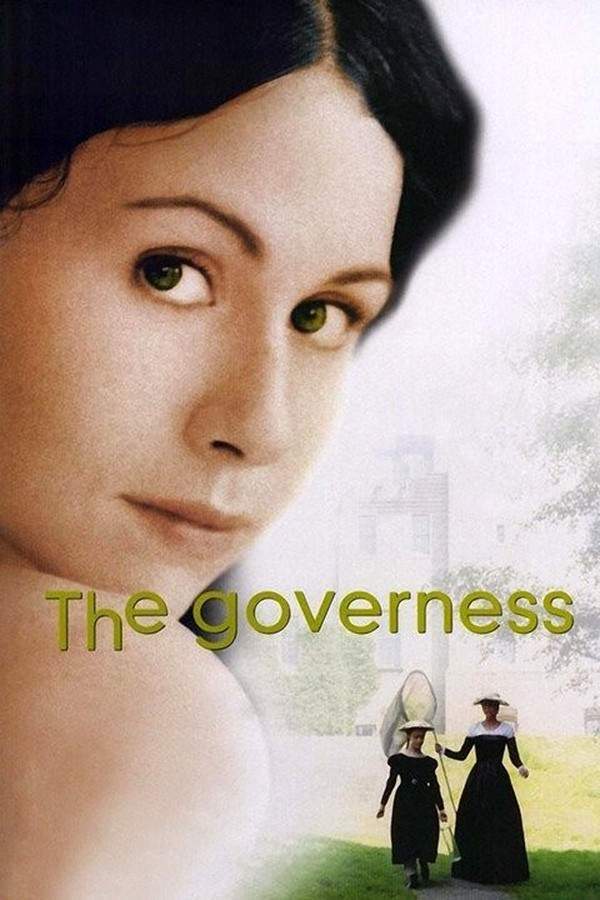
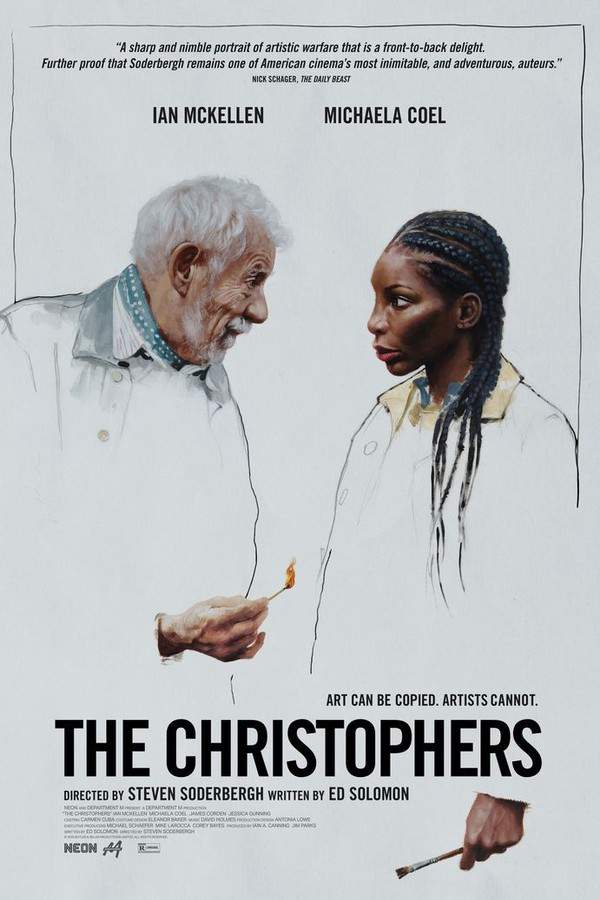
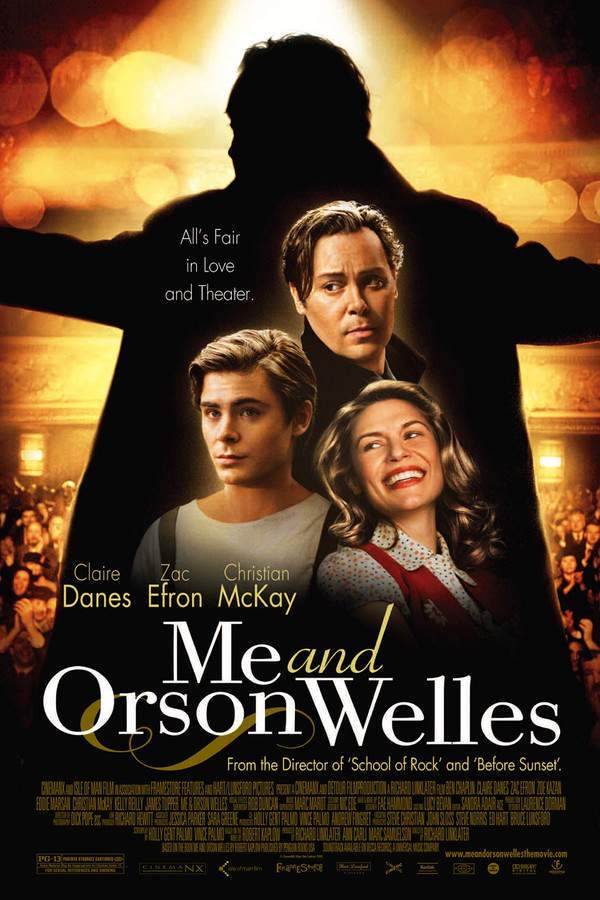
Characters compete and collaborate in a changing world of art and performance. If you enjoyed the competitive yet collaborative dynamic between Ned and Maria in Stage Beauty, you'll appreciate these films. They feature similar stories of artists and performers navigating rivalry, mentorship, and personal change in their creative worlds, capturing a bittersweet tone of loss and new beginnings.

  • theatrical
  • dramatic
  • introspective
  • tension
  • hopeful
  • melancholic
  • Tone: bittersweet, dramatic
  • Pacing: steady, character-driven
Why these movies?

The story pattern: Stories in this thread typically follow two figures—a seasoned master and a rising newcomer—whose fates collide. The established artist faces obsolescence due to shifting tastes or new talent, leading to a crisis of identity. The narrative arc involves a fall from grace, a period of struggle, and a potential reconciliation or collaboration that forges a new, more complex form of artistic expression for both parties.

Why they belong together: These films are grouped together because they share a focus on the intensely personal nature of artistic creation and competition. They balance professional jealousy with mutual respect, set against a backdrop of societal or industry change, and deliver an emotionally resonant, character-driven experience that is often bittersweet.
Bittersweet period dramas of social change like Stage Beauty

Historical stories where personal journeys mirror a society in transition. For viewers who liked the historical setting and thematic depth of Stage Beauty, this list features similar movies. These dramas explore characters navigating forbidden love, changing gender roles, and artistic freedom in past eras, all with a steady pace and a thoughtfully bittersweet emotional tone.

  • melancholic
  • hopeful
  • dramatic
  • romantic tension
  • introspective
  • theatrical
  • Tone: bittersweet, melancholic, hopeful
  • Pacing: steady, deliberate
Why these movies?

The story pattern: The narrative pattern involves a protagonist whose personal desires clash with the rigid social order of their time. The story unfolds as external forces—a new law, a cultural shift, or a change in power—create an opening for change. The protagonist seizes this opportunity, but their victory is tempered by loss, sacrifice, or the complicated reality of their new position, resulting in an ending that acknowledges both progress and cost.

Why they belong together: These movies share a specific mood and setting: they are character-driven historical pieces with a medium emotional weight. They are united by a bittersweet tone, a steady narrative pace that allows for reflection, and a central theme of individuals challenging conventions during a time of significant social change.

If you liked this

Movies Like Stage Beauty

Similar movies to Stage Beauty: the same genre, themes or kind of story. Each one comes with its own plot summary, timeline and ending explained.

Browse all movie summaries

Categories

Movie Lists Featuring Stage Beauty

Stage Beauty appears in these hand-built movie categories. Each one groups movies by a specific mood, theme or story type, with their plot summaries and endings explained.

View all movie categories

Every angle

Stage Beauty (2004) Explained: Plot, Timeline & Characters

Everything about Stage Beauty in one place: what happens in the plot summary, the timeline in chronological order, the characters and meaning and a spoiler-free summary. What's After the Movie adds the cast, box office and post-credit scenes.

Coming soon on iOS and Android

The Plot Explained Movie Summary App

Plot summaries, endings explained and timelines on your phone. Catch up on any movie in minutes, save your favorites and never miss a twist again.

Be the first to know when we launch. Your email stays private, always.

Learn more about the app