





Plot Explained Spoilers guaranteed!
Plot Explained

Browse by genre

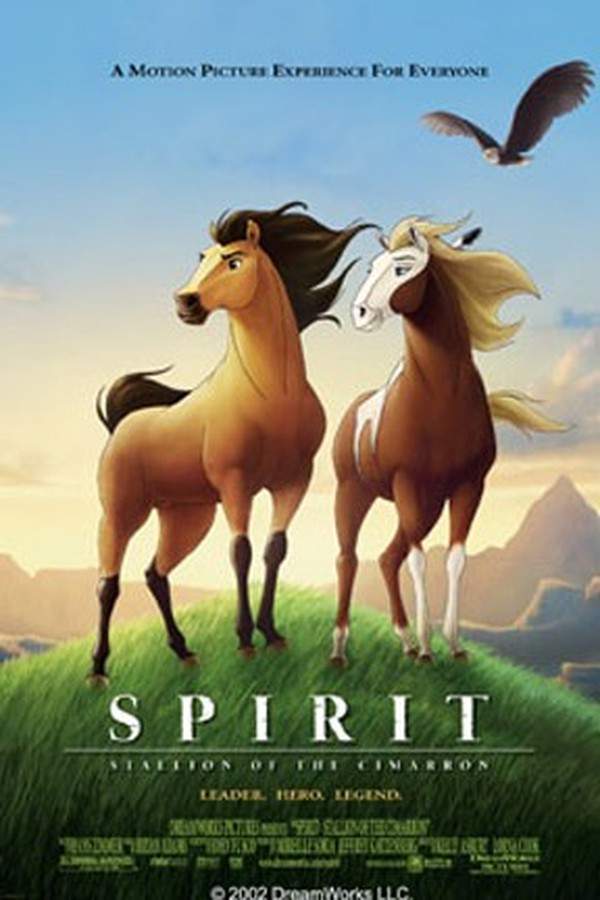
Spirit: Stallion of the Cimarron (2002) movie poster

Characters & Themes

Spirit: Stallion of the Cimarron (2002) Characters, Setting & Themes Explained

Release, runtime and language
2002 · 83 min · English
Directed by
Kelly Asbury, Lorna Cook
Starring
Matt Damon
Budget
$80M

Set against the backdrop of the American frontier, this animated film follows Spirit, a wild mustang stallion, as he journeys through an ever-changing landscape. He encounters challenges and dangers, including interactions with humans encroaching on his territory. Along his travels, Spirit forges an unexpected connection with a young Lakota boy and experiences the complexities of love with a beautiful paint mare, all while remaining fiercely independent and true to his name.

On this page (8)
  1. 1 Where to watch
  2. 2 Characters explained (4)
  3. 3 Where & when it takes place
  4. 4 Themes & meaning (3)
  5. 5 Character & meaning questions
  6. 6 Movie threads
  7. 7 Movies like Spirit: Stallion of the Cimarron
  8. 8 Every angle

Where to watch

Where to Watch Spirit: Stallion of the Cimarron (2002)

Where can you watch Spirit: Stallion of the Cimarron? Stream, rent or buy it in the US, including on Amazon Video, Apple TV Store and Fandango At Home: current JustWatch availability with up-to-date prices.

Streaming availability powered by JustWatch

4 main characters · contains spoilers

Spirit: Stallion of the Cimarron Characters Explained: Who Is Who

The main characters of Spirit: Stallion of the Cimarron (2002), heroes and villains: what drives them, how they change over the course of the story and what each of them reveals about the film's bigger ideas.

  • Spirit

    Spirit is a Kiger mustang with an indomitable spirit and natural leadership qualities. He embodies the wild essence of freedom, resisting all attempts at domestication. His resilience is a testament to his character as he navigates the struggles of captivity and his longing for the wild.

    • 🐎 Stallion
    • 🌿 Nature
    • 🔥 Brave
  • Little Creek

    Little Creek is a resourceful Lakota prisoner who understands the value of friendship and liberty. He shares a deep bond with Spirit and demonstrates courage and ingenuity throughout their journey. His character encapsulates the clash between cultural respect and the harsh reality of oppression.

    • 🌾 Native American
    • 🤠 Resilient
    • 💪 Strong
  • Rain

    Rain is a mare with a gentle nature, influencing Spirit's journey toward understanding and connection. Her bond with humans creates a unique dynamic in helping Spirit navigate his wild instincts. She represents the possibility of harmony between human affection and natural freedom.

    • 🐴 Mare
    • 🌸 Kind
    • 💕 Affectionate
  • Colonel

    The Colonel is a steadfast officer representing authority and oppression. His unyielding attempts to tame Spirit contrast sharply with the stallion's wild heart. The Colonel's character serves as an antagonist, driving the narrative through his relentless pursuit of control.

    • 👮‍♂️ Authority
    • 🔫 Oppressor
    • 🗡️ Unyielding

Last updated: October 22, 2024 at 22:26

Was this helpful?

Setting

Where and When Does Spirit: Stallion of the Cimarron Take Place?

The setting of Spirit: Stallion of the Cimarron (2002): the year and time period, the places and locations, and how they shape the characters, the mood and the tension of the story.

Time period

Late 19th century

This time period was marked by the westward expansion in America, which often led to conflicts between settlers and Native American tribes. The late 1800s also saw the introduction of the cavalry's role in maintaining order, and the ever-present struggle between nature and the encroaching influence of civilization unfolded.

Location

American West, U.S. cavalry fort, Lakota village, Grand Canyon

The story unfolds in the late 19th-century American West, characterized by vast landscapes and untamed nature. The U.S. cavalry fort serves as a place of conflict, representing oppression against wild spirit. Additionally, the Lakota village showcases a rich Native American culture, while the Grand Canyon highlights the beauty and challenge of the wild terrain.

  • 🏞️ Nature
  • 🏰 Fort
  • 🌄 Canyon
  • 🐎 Horses

Last updated: October 22, 2024 at 22:26

Was this helpful?

3 major themes

Spirit: Stallion of the Cimarron Meaning: Themes & Message Explained

What is Spirit: Stallion of the Cimarron (2002) really about? The emotional, social and philosophical themes the film keeps returning to, its symbolism and the message beneath the surface.

  • Freedom

    Freedom is a central theme of the movie, as embodied by Spirit, the wild stallion. His journey reflects the struggle against captivity and the fight to maintain one's natural essence. The bond between Spirit, Little Creek, and Rain illustrates the delicate balance between freedom and connection.

  • Sacrifice

    Sacrifice plays a vital role, particularly in Spirit's courageous acts to protect his friends. His willingness to confront dangers for Little Creek and Rain underscores the depth of their relationships. This theme emphasizes the importance of standing up for those we care about, even at great personal cost.

  • Friendship

    The theme of friendship is shown through the evolving bond between Spirit and Little Creek. Their relationship is built on mutual respect and understanding, contrasting the conflicts of the outside world. It represents how true companionship can flourish even in the face of adversity.

Last updated: October 22, 2024 at 22:26

Was this helpful?

Character & theme questions

Spirit: Stallion of the Cimarron Characters & Meaning: Your Questions Answered

The questions people ask about Spirit: Stallion of the Cimarron (2002): who the characters really are, their relationships, what the symbols mean, where it takes place and what the movie is really about. Each answer contains spoilers.

Q1

Where is Spirit: Stallion of the Cimarron set?

The movie is set in the American West during the late 19th century. Key locations include the vast open plains where Spirit lives freely, a U.S. cavalry fort where he is held captive, a Lakota village, and the Grand Canyon. These settings represent the conflict between untamed nature and the encroaching civilization of the westward expansion.

  • american west setting
  • cavalry fort
  • lakota village
  • grand canyon
  • locations
Q2

What time period does Spirit: Stallion of the Cimarron take place in?

The story takes place in the late 19th century during the era of American westward expansion. This period was marked by conflicts between settlers and Native American tribes, with the U.S. cavalry playing a key role in maintaining control over the frontier territories.

  • late 1800s
  • westward expansion
  • 19th century
  • historical setting
Q3

What is the main theme of Spirit: Stallion of the Cimarron?

Freedom is the central theme of the film. Spirit, a wild mustang stallion, embodies this theme through his relentless refusal to be domesticated. His entire journey reflects the struggle to maintain one's natural essence against forces that try to constrain it.

  • freedom theme
  • wild mustang
  • natural freedom
  • independence
Q4

Who is the main character Spirit?

Spirit is a Kiger mustang stallion and the protagonist of the film. He is a wild horse with an indomitable spirit and natural leadership qualities who resists all attempts at domestication. Throughout the story, he navigates the challenges of captivity while never losing his longing for freedom and the open plains.

  • spirit character
  • kiger mustang
  • protagonist
  • wild horse
  • mustang leader
Q5

Who is Little Creek in Spirit: Stallion of the Cimarron?

Little Creek is a young Lakota prisoner who becomes Spirit's unlikely friend and companion. He understands the value of friendship and liberty, demonstrating courage and ingenuity throughout their journey. His character represents the clash between Native American cultural respect for nature and the harsh reality of oppression by the U.S. cavalry.

  • little creek
  • lakota character
  • friend
  • prisoner
  • native american
Q6

Who is Rain in Spirit: Stallion of the Cimarron?

Rain is a beautiful paint mare who plays a crucial role in Spirit's emotional journey. Her gentle nature helps Spirit understand the possibility of connection without sacrificing his freedom. She represents the balance between human affection and wild freedom, creating a unique dynamic that influences Spirit's growth throughout the film.

  • rain mare
  • paint horse
  • love interest
  • connection
  • relationship
Q7

Who is the Colonel in the movie?

The Colonel is a steadfast U.S. cavalry officer who serves as the film's main antagonist. He represents authority and oppression, leading the efforts to capture and tame Spirit. His unyielding attempts to domesticate the wild stallion contrast sharply with Spirit's wild heart, driving much of the film's central conflict.

  • colonel
  • cavalry officer
  • antagonist
  • authority
  • oppression
Q8

What does freedom mean in Spirit: Stallion of the Cimarron?

Freedom in the film means living true to one's natural essence without constraint. For Spirit, it means remaining untamed and wild, running free across the plains. The movie explores how freedom and connection can coexist, shown through Spirit's relationships with Little Creek and Rain, where he maintains his wild spirit while forming meaningful bonds.

  • freedom meaning
  • wild nature
  • independence
  • connection balance
Q9

What are the main themes in Spirit: Stallion of the Cimarron?

The film explores three major themes: Freedom, Sacrifice, and Friendship. Freedom is embodied by Spirit's refusal to be domesticated. Sacrifice is shown through Spirit's willingness to risk himself to protect friends like Little Creek and Rain. Friendship represents the bond between Spirit and Little Creek, built on mutual respect despite their different worlds.

  • themes
  • freedom
  • sacrifice
  • friendship
  • meaning
Q10

What role does the Lakota village play in the story?

The Lakota village represents a different relationship between humans and nature compared to the cavalry. It showcases Native American culture and their respectful connection to the land and animals. Little Creek comes from this village, and his understanding of nature contrasts with the cavalry's approach of domination over the frontier.

  • lakota village
  • native american
  • culture
  • nature respect
  • village setting
Q11

How does the movie portray the conflict between civilization and nature?

The film portrays civilization and nature as opposing forces through the U.S. cavalry's attempts to tame the wild frontier. Spirit's journey symbolizes nature's struggle against encroaching settlement. The Grand Canyon and open plains represent untamed beauty, while the fort represents human control. The movie ultimately suggests that true freedom exists in harmony with nature rather than conquest of it.

  • civilization vs nature
  • westward expansion
  • wild west
  • encroachment
  • conflict

Movie threads

More Movies Like Spirit: Stallion of the Cimarron, by Mood & Story

Curated lists built around what makes Spirit: Stallion of the Cimarron tick: the same mood, the same kind of story or the same emotional payoff. Each list explains why these movies belong together.

Epic Animated Journeys for Freedom like Spirit: Stallion of the Cimarron

Stories of resilient characters fighting for liberty against overwhelming odds. If you enjoyed Spirit: Stallion of the Cimarron, you'll find more movies like it here. This section features similar animated stories with hopeful, determined heroes on epic quests for freedom, combining adventure, heartfelt connections, and a love for the wild.

  • epic
  • adventurous
  • hopeful
  • determined
  • heartfelt
  • tense
  • Tone: hopeful, adventurous
  • Pacing: variable, with action set-pieces
Why these movies?

The story pattern: These narratives typically follow a linear hero's journey where a protagonist's freedom is threatened or taken away. The plot revolves around their escape, resilience, and the alliances they form along the way. Conflicts are clear-cut against an oppressive force, culminating in a triumphant reclaiming of liberty.

Why they belong together: Movies in this thread share a core theme of fighting for autonomy, a strong, positive emotional core, and a mix of thrilling action with quieter, character-driven moments. They deliver a consistently hopeful and adventurous vibe, making them perfect for viewers seeking uplifting, epic stories.
Heartwarming Bonds Between Human and Animal like in Spirit: Stallion of the Cimarron

Tales of deep, transformative connections that cross species boundaries. Looking for movies similar to Spirit: Stallion of the Cimarron? Discover films that capture the special bond between a human and an animal. These stories share themes of friendship, loyalty, and survival, creating a similarly hopeful and emotionally resonant experience.

  • heartfelt
  • loyal
  • hopeful
  • friendship
  • emotional
  • trust
  • Tone: heartfelt, hopeful
  • Pacing: steady, character-driven
Why these movies?

The story pattern: The narrative pattern involves an initial distance or distrust between a human and an animal, often due to captivity or circumstance. Through shared challenges and gentle persistence, a profound bond forms. This relationship becomes the emotional heart of the story, driving the plot toward a resolution that affirms their connection.

Why they belong together: These movies are grouped by their focus on the powerful, non-verbal communication and deep loyalty inherent in human-animal relationships. They share a medium emotional weight, a fundamentally hopeful tone, and a pacing that allows the bond to develop naturally amidst larger adventures.

If you liked this

Movies Like Spirit: Stallion of the Cimarron

Similar movies to Spirit: Stallion of the Cimarron: the same genre, themes or kind of story. Each one comes with its own plot summary, timeline and ending explained.

Browse all movie summaries

Every angle

Spirit: Stallion of the Cimarron (2002) Explained: Plot, Timeline & Characters

Everything about Spirit: Stallion of the Cimarron in one place: what happens in the plot summary, the timeline in chronological order, the characters and meaning and a spoiler-free summary. What's After the Movie adds the cast, box office and post-credit scenes.

Coming soon on iOS and Android

The Plot Explained Movie Summary App

Plot summaries, endings explained and timelines on your phone. Catch up on any movie in minutes, save your favorites and never miss a twist again.

Be the first to know when we launch. Your email stays private, always.

Learn more about the app