




Plot Explained Spoilers guaranteed!
Plot Explained

Browse by genre

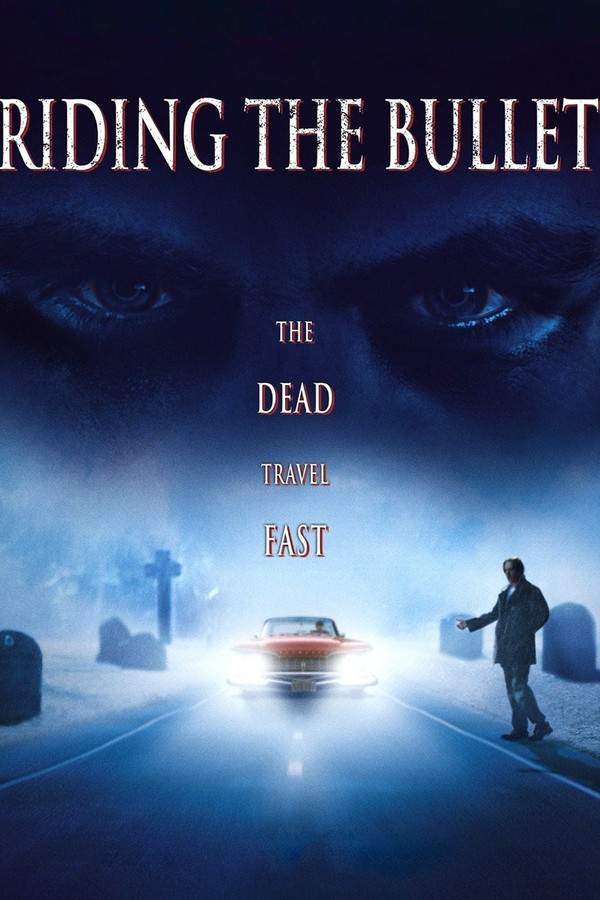
Riding the Bullet (2004) movie poster

Characters & Themes

Riding the Bullet (2004) Characters, Setting & Themes Explained

Release, runtime and language
2004 · 98 min · English
Directed by
Mick Garris
Starring
Barbara Hershey, David Arquette, Jonathan Jackson

Following the death of his father, art student Alan Parker is consumed by thoughts of mortality and sets out on a journey to be with his ailing mother. His travels lead him to encounter a series of strange and unsettling individuals, including the mysterious George Staub. Staub's presence suggests that supernatural forces are at play, complicating Alan's already difficult journey and forcing him to confront profound questions about life, death, and the unknown.

On this page (8)
  1. 1 Where to watch
  2. 2 Characters explained (3)
  3. 3 Where & when it takes place
  4. 4 Themes & meaning (3)
  5. 5 Character & meaning questions
  6. 6 Movie threads
  7. 7 Movies like Riding the Bullet
  8. 8 Every angle

Where to watch

Where to Watch Riding the Bullet (2004)

Where can you watch Riding the Bullet? Stream, rent or buy it in the US, including on Fawesome, Tubi TV and Amazon Video: current JustWatch availability with up-to-date prices.

Streaming availability powered by JustWatch

3 main characters · contains spoilers

Riding the Bullet Characters Explained: Who Is Who

The main characters of Riding the Bullet (2004), heroes and villains: what drives them, how they change over the course of the story and what each of them reveals about the film's bigger ideas.

  • Alan Parker

    Alan Parker is a troubled student riddled with existential dread and emotional turmoil. His journey reflects a complex interplay of fear, grief, and the struggle to find meaning in life amid a cascade of familial loss. Haunted by memories and pressured by his artistic expression, Alan's character is multifaceted, showcasing vulnerability and resilience.

    • 🎨 Artist
    • 😓 Tormented
    • 🧠 Philosopher
  • Jessica

    Jessica is Alan's girlfriend, characterized by her unwavering love and concern for him. Her emotions oscillate between anger and deep affection, highlighting the strain that Alan's mental state places on their relationship. Jessica serves as a pivotal figure in Alan's life, representing hope and the possibility of healing amid darkness.

    • ❤️ Love
    • 😠 Concerned
    • 🌼 Supportive
  • George Staub

    George Staub is a ghostly figure representing the past and the consequences of life's choices. His tragic fate warns Alan of the potential outcomes of his current path, serving as a haunting reminder of mortality. Through their conversations, George embodies the darker side of the life-and-death struggles Alan faces.

    • 👻 Ghost
    • 💀 Tragic
    • ⚰️ Warning

Last updated: October 22, 2024 at 23:06

Was this helpful?

Setting

Where and When Does Riding the Bullet Take Place?

The setting of Riding the Bullet (2004): the year and time period, the places and locations, and how they shape the characters, the mood and the tension of the story.

Time period

Autumn of 1969

The story unfolds during the autumn of 1969, a time marked by societal upheaval and counterculture movements. This period was characterized by existential questioning, particularly among the youth, influenced by changing cultural values and increased awareness of mental health issues. It mirrors Alan's personal struggles with identity and the concept of mortality.

Location

University of Maine, Lewiston, Maine, Toronto, Canada, Thrill Village

The film takes place in various locations, primarily the University of Maine, where the protagonist grapples with his existential fears. Lewiston is his hometown, evoking memories of loss and family. Toronto serves as a backdrop for an important concert event, while Thrill Village symbolizes both childhood nostalgia and the confrontation of one's fears.

  • 🏫 University
  • 🌆 City
  • 🎡 Amusement Park

Last updated: October 22, 2024 at 23:06

Was this helpful?

3 major themes

Riding the Bullet Meaning: Themes & Message Explained

What is Riding the Bullet (2004) really about? The emotional, social and philosophical themes the film keeps returning to, its symbolism and the message beneath the surface.

  • Loss and Grief

    At its core, the film explores themes of loss and grief, both personal and familial. Alan's journey is steeped in the fear of losing his loved ones, echoing his traumatic memories of his father's funeral and his mother's stroke. This theme illuminates the emotional weight that shapes his actions and decisions throughout the narrative.

  • Existentialism

    The film delves deeply into existential themes, showcasing Alan's confrontation with death and the inherent meaning of life. His hallucinations and encounters with the Grim Reaper signify a profound internal struggle. The narrative poses philosophical questions about existence, purpose, and the nature of reality, reflecting Alan's intense emotional turmoil.

  • Self-Discovery

    Alan's journey symbolizes a path to self-discovery amidst chaos. Throughout the film, he grapples with his emotional barriers, leading to significant realizations about love and vulnerability. This theme emphasizes the importance of confronting one's fears and acknowledges that personal growth often arises from confronting painful truths.

Last updated: October 22, 2024 at 23:06

Was this helpful?

Character & theme questions

Riding the Bullet Characters & Meaning: Your Questions Answered

The questions people ask about Riding the Bullet (2004): who the characters really are, their relationships, what the symbols mean, where it takes place and what the movie is really about. Each answer contains spoilers.

Q1

Where is the movie set?

The film takes place primarily in Maine, centered around the University of Maine where Alan studies, and Lewiston as his hometown. Key scenes also occur in Toronto, Canada, where a concert provides important backstory, and at Thrill Village, an amusement park that symbolizes confronting childhood fears.

  • maine
  • university of maine
  • lewiston
  • toronto
  • thrill village
  • settings
Q2

What time period does the film take place in?

The story unfolds in autumn 1969, a period marked by societal upheaval and counterculture movements. This era was defined by existential questioning among young people, reflecting the film's themes of mortality and meaning-making in a world undergoing rapid change.

  • 1969
  • autumn
  • 1960s
  • counterculture
  • time period
Q3

What are the main themes of the movie?

The film explores three interconnected themes: loss and grief following the death of Alan's father, existentialism as Alan confronts questions about death and meaning, and self-discovery through his psychological journey. These themes intertwine to examine how trauma shapes identity and purpose.

  • loss
  • grief
  • existentialism
  • self-discovery
  • themes
  • mortality
Q4

What is the significance of Thrill Village?

Thrill Village serves as a symbolic location representing the confrontation of childhood fears and nostalgic memories. The amusement park setting juxtaposes innocent past experiences with the dark, adult reality Alan faces during his journey, highlighting his psychological transformation.

  • thrill village
  • amusement park
  • symbolism
  • fear
  • nostalgia
Q5

Who is the main character Alan Parker?

Alan Parker is an art student at the University of Maine consumed by existential dread and grief following his father's death. Haunted by memories and struggling with mortality, he embarks on a journey to reach his ailing mother, confronting supernatural encounters that force him to face his deepest fears about life and death.

  • alan parker
  • protagonist
  • student
  • artist
  • main character
Q6

Who is Jessica and what is her role?

Jessica is Alan's girlfriend, representing hope and the possibility of healing amid his darkness. Her relationship with Alan is strained by his psychological turmoil, oscillating between deep affection and anger as she struggles to reach him emotionally. She symbolizes the human connection Alan risks losing to his obsessions.

  • jessica
  • girlfriend
  • relationship
  • love
  • supporting character
Q7

Who is the ghostly character George Staub?

George Staub is a spectral figure Alan encounters who represents the consequences of life's choices and serves as a grim warning about mortality. Through their conversations, Staub embodies the darker aspects of Alan's internal struggle with death, functioning as a haunting reflection of the protagonist's potential fate.

  • george staub
  • ghost
  • supernatural
  • grim reaper
  • mortality
  • spectral figure
Q8

How does the movie explore loss and grief?

The film tackles loss and grief through Alan's traumatic memories of his father's funeral and his mother's subsequent stroke. His journey is driven by the fear of losing another loved one, with these experiences shaping his psychological state and the decisions that unfold throughout the narrative.

  • loss
  • grief
  • father death
  • mother stroke
  • funeral
  • trauma
Q9

Why are the Maine settings important to the story?

Maine serves as both a geographical and emotional landscape, with Lewiston representing memories of family loss and the University of Maine embodying Alan's academic life grappling with existential questions. The state's autumn atmosphere reinforces the film's somber tone and the protagonist's introspection about mortality.

  • maine
  • lewiston
  • university of maine
  • setting
  • atmosphere
Q10

What does the film say about existential themes?

The film presents existentialism through Alan's direct confrontation with death, hallucinations, and encounters that blur the line between reality and the supernatural. His journey poses philosophical questions about existence, purpose, and reality itself, reflecting the intense emotional turmoil of a young person questioning the meaning of life.

  • existentialism
  • death
  • meaning of life
  • reality
  • philosophy
Q11

What is Alan's journey of self-discovery about?

Alan's path to self-discovery involves breaking through emotional barriers and confronting painful truths about himself. Through supernatural encounters and psychological trials, he arrives at significant realizations about love, vulnerability, and the importance of facing fears, ultimately finding catharsis through artistic expression.

  • self-discovery
  • growth
  • transformation
  • fears
  • catharsis
  • art

Movie threads

More Movies Like Riding the Bullet, by Mood & Story

Curated lists built around what makes Riding the Bullet tick: the same mood, the same kind of story or the same emotional payoff. Each list explains why these movies belong together.

Psychological horror journeys through grief like Riding the Bullet

Stories where a personal loss triggers a surreal and terrifying psychological odyssey. For viewers who appreciated the bleak, hallucinatory road trip in Riding the Bullet. This list features movies like it, where characters process heavy loss through a lens of supernatural horror and psychological unease, creating a similar mood of anxious, existential dread.

  • hallucinatory
  • existential dread
  • oppressive
  • melancholic
  • anxious
  • supernatural
  • Tone: dark, melancholic
  • Pacing: variable, introspective
Why these movies?

The story pattern: The narrative typically follows a linear but psychologically fractured journey, often a physical trip that mirrors an internal struggle. The protagonist's perception is unreliable, blending real-world encounters with spectral visions or symbolic threats that force a confrontation with their trauma and mortality.

Why they belong together: Movies are grouped here for their shared core of using horror and surrealism as metaphors for processing grief. They create a specific, anxious mood where the external world reflects the character's internal devastation, leading to a heavy, emotionally resonant experience.
Supernatural road trip thrillers like Riding the Bullet

Tense travels where the road itself becomes a conduit for existential terror and moral tests. If you liked the tense, isolated journey and the encounter with the Grim Reaper in Riding the Bullet, explore these similar movies. They feature protagonists on ominous trips facing supernatural tests and moral dilemmas, capturing the same feel of variable pacing and high tension.

  • oppressive
  • anxious
  • isolated
  • suspenseful
  • supernatural
  • existential
  • Tone: dark, tense
  • Pacing: variable, suspenseful
Why these movies?

The story pattern: The plot is centered around a physical journey—a road trip, hitchhiking, or a pilgrimage—that becomes a crucible for the protagonist. The structure is episodic, introducing strange characters and supernatural events that challenge the traveler's sanity and morality, leading to a climactic, life-or-death decision.

Why they belong together: These films share a unique combination of the road trip narrative with supernatural horror and psychological tension. The feeling of isolation, the unknown around every corner, and the high-stakes encounters create a coherent vibe of sustained unease and existential fear.

If you liked this

Movies Like Riding the Bullet

Similar movies to Riding the Bullet: the same genre, themes or kind of story. Each one comes with its own plot summary, timeline and ending explained.

Browse all movie summaries

Every angle

Riding the Bullet (2004) Explained: Plot, Timeline & Characters

Everything about Riding the Bullet in one place: what happens in the plot summary, the timeline in chronological order, the characters and meaning and a spoiler-free summary. What's After the Movie adds the cast, box office and post-credit scenes.

Coming soon on iOS and Android

The Plot Explained Movie Summary App

Plot summaries, endings explained and timelines on your phone. Catch up on any movie in minutes, save your favorites and never miss a twist again.

Be the first to know when we launch. Your email stays private, always.

Learn more about the app