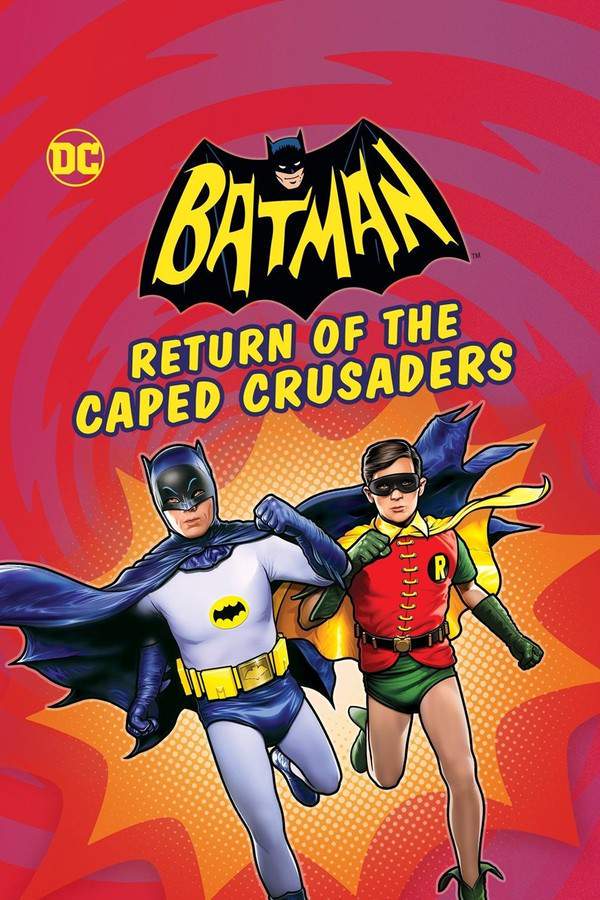
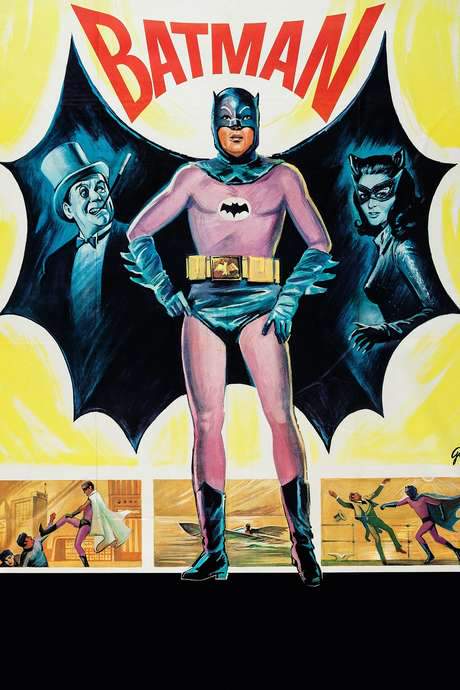
In a playful, self-aware adventure that nods to the legacy of a beloved on-screen duo, Adam West and Burt Ward step back into the world they helped define, joining a gala-style charity event for orphans that sparkles with vintage cars and the original Batmobile on display. The night is steered by their loyal helper, Jerry the Butler, portrayed by Curtis Armstrong, whose arrangement reunites the two former partners and rekindles old camaraderie amid fans and forgotten memories. The atmosphere feels warm and breezy, yet a current of unease hums beneath the applause as a simple act of sharing a key becomes the catalyst for a far wilder ride than anyone expected.
When West reveals he still has the key to the Batmobile, the mood shifts in an instant. The lights plunge into darkness and snap back on to reveal that both the key and the Batmobile have vanished. Outside, a valet cryptically notes that the thief had been asking directions to “the highway to Arizona,” turning a charity gala into a mystery-driven chase. Reluctant at first, Burt Ward is coaxed into joining the pursuit, and a road trip unfolds driven by a puzzling riddle that threads through their memories and the open road.
Along the way, the pair reflects on life before the show. Burt remembers a hard-won breakthrough after years of hardship—homelessness under the Miami pier and bottle collecting that led to his breakout as Robin—while Adam recalls the fierce, televised audition against Lyle Waggoner for the role of Batman and how the studio’s verdict hinged on a jawline and presence that could sell a myth to a generation. The pair’s reminiscences deepen the story’s meta-narrative, grounding their fantasy in real careers, rivalries, and the fragile line between fame and rejection.
At the Arizona border, they trace a bar named “The Highway to Arizona” that seems to be more than a coincidence than a sign. Inside, a provocative moment unfolds as a mysterious woman draws West’s attention, then vanishes as if from another file in the files of memory. The revelation comes soon enough—the woman is Julie Newmar in disguise, a reminder of the era’s on-screen chemistry and off-screen echoes. A chase erupts, a brawl with masked assailants, and a tow-truck debacle that lands them with a movie ticket to a screening of Batman: The Movie, a curious detour that doubles as a clue.
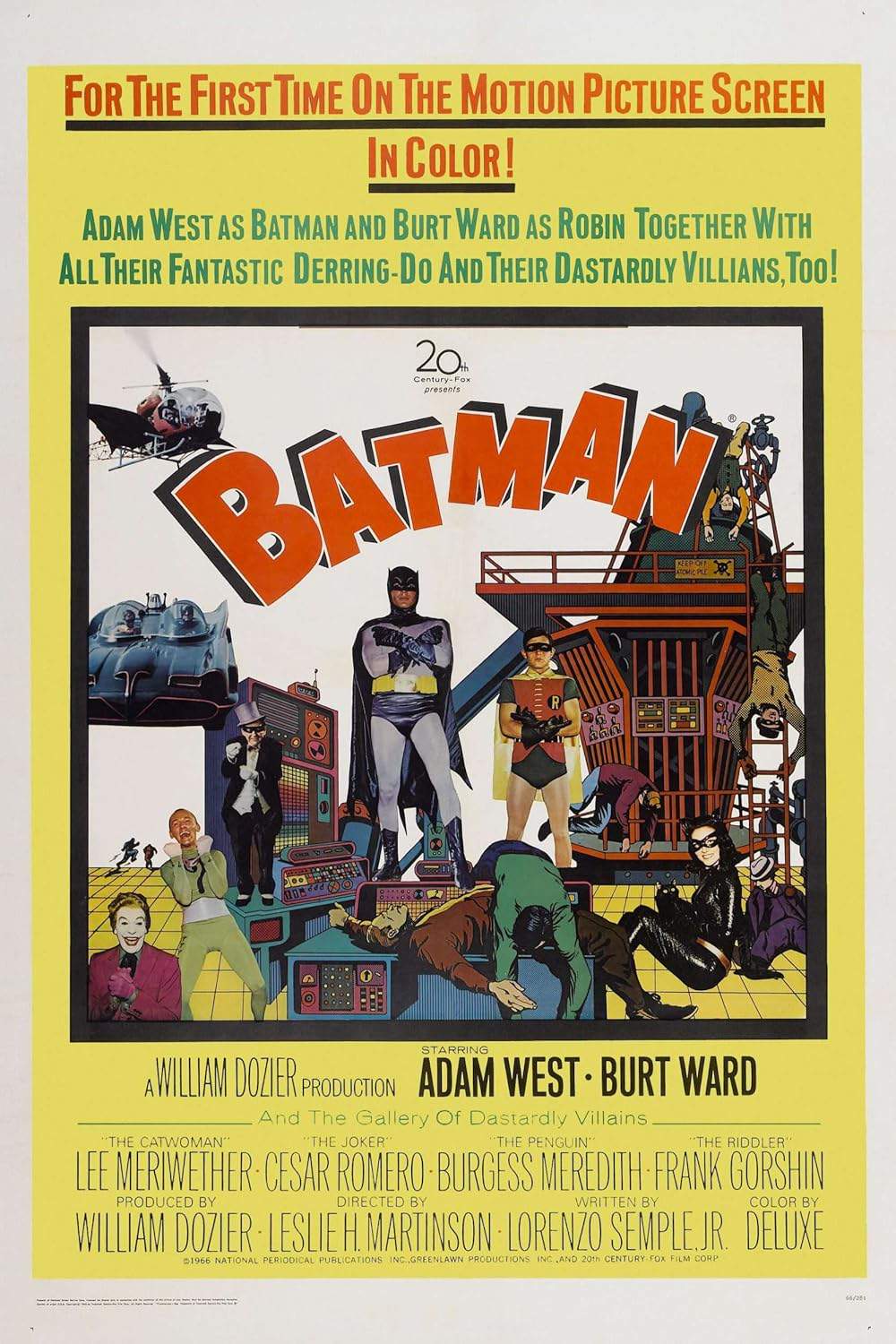
The screening itself disorients them: the film appears to scrub away Batman and Robin, replacing their heroic footage with the villains’ schemes. It sparks a flood of backstage recollections—costume anxieties around the Robin briefs that once sparked censorship debates, and rumors about the on-set tensions that accompanied the era’s most famous heroes. The moment becomes a meditation on how fame can blur memory and reality, even as the pair wrestles with the tangible ache of marital strain and estrangement from their kids, a personal toll that lingers long after the cameras stop rolling.
As they digest the surreal cinema experience, a fan-like disturbance nudges them toward a clue about the Batmobile’s whereabouts. The meta-narrative tightens when the film foregrounds a looming threat linked to Vincent Price’s era as Egghead, presented here through the performance of Quinn K. Redeker. The implication is clear: the past’s villains still cast long shadows over the present, and old rivalries can resurface in the most unexpected ways.
Back at the Batmobile’s lair, the truth unspools with a dramatic double-cross. The thief is revealed to be Jerry’s master plan—Frank Gorshin, the actor who embodied the Riddler, strips away his mask to reveal himself as the mastermind. The twist tightens as his accomplice is none other than the elusive woman from the bar—the same figure who had unsettled West earlier in the night. The team finds themselves strapped to a bomb-laden fate, but a quick-thinking move with a prop Batarang frees them, allowing a daring escape from the trap-filled Batcave just before it detonates. The police are summoned to arrest Frank Gorshin and their enigmatic accomplice, whose identity and motives leave a lasting impression on the duo.
Days later, the charity event reopens with renewed vigor, the classic cars shining once more under hopeful lights. Yet the moment the show resumes, the Batmobile disappears again, and Adam West and Burt Ward sprint into the night, propelled by the famous Batman theme and the stubborn belief that their shared legend isn’t finished. What began as a public gala for a cause becomes a personal odyssey through memory, fame, and friendship—a reminder that some legends persist not just in memory, but in the ongoing pull of the road, the ride, and the search for what truly drives us.