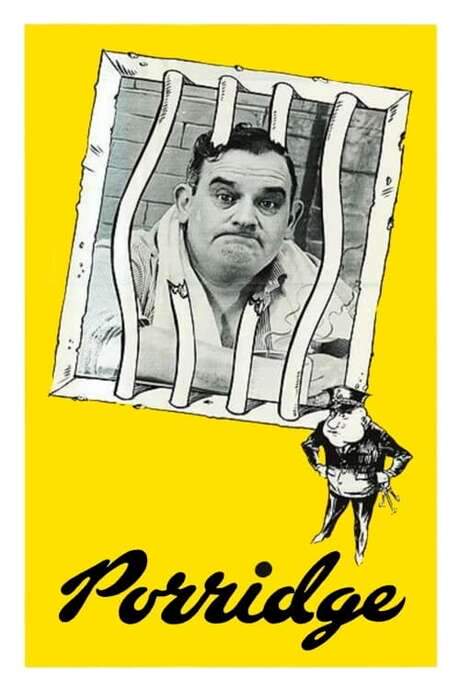
Year: 1979
Runtime: 93 mins
Language: English
Director: Dick Clement
Inside Slade Prison, veteran inmate Norman Stanley Fletcher struggles to keep his routine while the newly appointed officer Beale proves harsher than his predecessor MacKay. Meanwhile, the formidable inmate Grouty hatches an escape plot, but Fletcher refuses to be drawn into the scheme, determined to stay out of trouble.
Warning: spoilers below!
Haven’t seen Porridge yet? This summary contains major spoilers. Bookmark the page, watch the movie, and come back for the full breakdown. If you're ready, scroll on and relive the story!
Read the complete plot breakdown of Porridge (1979), including all key story events, major twists, and the ending explained in detail. Discover what really happened—and what it all means.
Slade Prison has two new inmates: Rudge, a nervous first offender, and Oakes, an armed robber. Rudge is assigned a job on the prison farm alongside Fletch — who takes him under his wing. [Oakes] approaches the prison’s ‘Mr Big’, Grouty — also known as “Grouty” — and, using a cut from his last job before being caught, asks for his escape to be arranged. [Grouty] sets the price, then begins making arrangements.
[Grouty] starts by forcing [Fletch] to persuade the prison governor to allow an inmates-versus-celebrities football match, to boost prisoner morale and “put Slade on the map.” [Fletch] successfully manipulates new prison officer [Mr Beal] to make the suggestion to Mr Mackay, who approaches Governor Treadaway, and the football match is approved, although all three claim the idea was theirs alone. [Fletch] then becomes the prison team’s manager; [Grouty] insists that [Oakes] be on the team.
The celebrity team arrive in a coach. The prisoners are notably underwhelmed when it is explained that their hopes for one of The Goodies on the team have not been met, the nearest they have to a famous face being a weather presenter from Anglia Television. During the match, [Oakes] feigns an injury and is taken to the changing rooms where he meets the coach driver; revealed as an accomplice. They exchange clothes and [Oakes] ties the coach driver up to throw off any suspicion. Shortly afterwards, [Fletch]’s cellmate [Godber] is concussed on the field so Fletch takes him to the changing rooms, where he sees the ruse unfolding. Taking no chances, [Oakes], now disguised as the coach driver, forces [Fletch] and a dazed [Godber] into the coach’s luggage compartment at gunpoint then drives out of the prison under the guise of topping up the fuel.
Out into the country, [Oakes] meets further accomplices and abandons the coach; they drive [Fletch] and [Godber] away in a motorhome. Meanwhile, the prison officers have discovered the escape: the police and the Home Office are informed, both searching for the coach; though the prison officers’ attempt to help isn’t well-met with police, as no-one can explain how they let three inmates drive out of the gates. [Fletch] tells [Oakes] that they don’t want to escape as he and [Godber] only have a short time left to serve, and that they won’t tell anyone about [Oakes]‘s plan because it’s ‘Them and Us’.
[Oakes] relents and releases them and they find a barn to hide in and catch their breath; [Godber] recovers from his bang on the head and they help themselves to some apples. [Fletch] explains to [Godber] that there is no possible way that being caught outside ends well for them, as any policeman they approach will claim the find for himself. Furthermore, he realises that once [Governor Treadaway], and [Mr Mackay] start passing the idea of the match back down the line, it’ll end up with [Fletch] looking like the responsible one and he’ll serve more time, meaning the only solution is to break back into prison.
Making their way through fields and villages, they steal a sexton’s bicycle, find the abandoned coach and manage to sneak back into the luggage hatch just as the police let the prison officers take it back to the prison. Once inside the prison walls, both convicts slip out of the coach and smuggle themselves into the prison officers’ club storeroom, where [Fletch] quickly consumes several bottles of alcohol to become inebriated enough to make their story pass: they stumbled on [Oakes] tying up the bus driver and he forced them down the delivery hatch, where they claim to have been since.
The story is believed by the Governor and life seems to return to normal. As the other inmates question [Fletch] on what really happened, [Grouty] subtly tells him that he will be rewarded for his efforts and for keeping his mouth shut, and [Rudge] thanks [Fletch] for helping him through his time inside. Later in their cell, [Godber] is jealous at [Oakes] having got away, though [Fletch] assures him that it won’t matter: [Oakes] will hate being on the run. [Fletch] reminds [Godber] that in a few months, he’ll leave prison as well: the difference being that he’ll be free and clear.
Mr Mackay visits them and tells them that, while the Governor believes that they have been locked in the storeroom all day, it doesn’t explain the mysterious “UFO” sightings in the village (unidentified flying objects), and the various happenings that they created on their journey. Realising that he will never be believed, Mackay tells them that he will always be watching, and that his day will come. [Fletch] and [Godber] cheekily munch on the stolen apples once Mackay turns his back to them.
Last Updated: October 09, 2025 at 11:27
Discover curated groups of movies connected by mood, themes, and story style. Browse collections built around emotion, atmosphere, and narrative focus to easily find films that match what you feel like watching right now.
Comedies finding humor and heart within the absurd rules of a rigid system.If you liked the witty banter and satirical take on prison life in Porridge, you'll enjoy these movies. This thread features comedies set within rigid systems where characters use humor and cunning to survive, offering stories with a similar light tone and steady pacing.
Stories typically center on a relatable protagonist or group within a confining institution. The plot revolves around navigating petty authority, executing small-scale schemes, and emphasizing the humor found in daily routine and quirky characters rather than high-stakes drama, often concluding with a reaffirmation of the status quo.
Movies are grouped here for their shared light tone, moderate complexity from layered character interactions, and the central theme of finding comfort and comedy within a structured, often absurd, world. They balance satire with a comforting, character-driven feel.
Plans spin out of control in these lighthearted stories of escalating confusion.Fans of the accidental kidnapping and chaotic escape plot in Porridge will appreciate these movies. This collection features stories where well-intentioned schemes lead to escalating chaos, all delivered with a light tone and a focus on humorous misadventure rather than genuine danger.
The narrative pattern involves a protagonist getting involved in a scheme that quickly exceeds their control. A clear sequence of mishaps and coincidences drives the plot forward, creating farcical situations. The resolution typically restores order in a satisfying way, rewarding the protagonist's fundamental decency despite the chaos.
These films share a specific comedic structure of escalating mishaps, a light emotional weight, and a happy ending. They are united by a steady pacing that builds the farce logically and a tone that remains cheerful even when plans fail spectacularly.
Don't stop at just watching — explore Porridge in full detail. From the complete plot summary and scene-by-scene timeline to character breakdowns, thematic analysis, and a deep dive into the ending — every page helps you truly understand what Porridge is all about. Plus, discover what's next after the movie.
Track the full timeline of Porridge with every major event arranged chronologically. Perfect for decoding non-linear storytelling, flashbacks, or parallel narratives with a clear scene-by-scene breakdown.
Discover the characters, locations, and core themes that shape Porridge. Get insights into symbolic elements, setting significance, and deeper narrative meaning — ideal for thematic analysis and movie breakdowns.
Get a quick, spoiler-free overview of Porridge that covers the main plot points and key details without revealing any major twists or spoilers. Perfect for those who want to know what to expect before diving in.
Visit What's After the Movie to explore more about Porridge: box office results, cast and crew info, production details, post-credit scenes, and external links — all in one place for movie fans and researchers.
Discover movies like Porridge that share similar genres, themes, and storytelling elements. Whether you’re drawn to the atmosphere, character arcs, or plot structure, these curated recommendations will help you explore more films you’ll love.
Porridge (1979) Scene-by-Scene Movie Timeline
Porridge (1979) Movie Characters, Themes & Settings
Porridge (1979) Spoiler-Free Summary & Key Flow
Movies Like Porridge – Similar Titles You’ll Enjoy
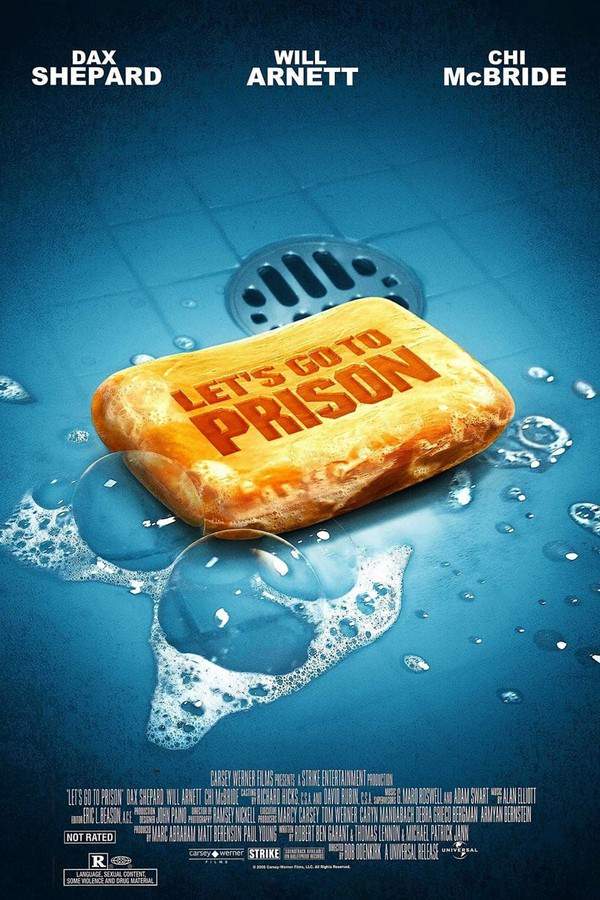
Let's Go to Prison (2006) Plot Summary & Ending Explained
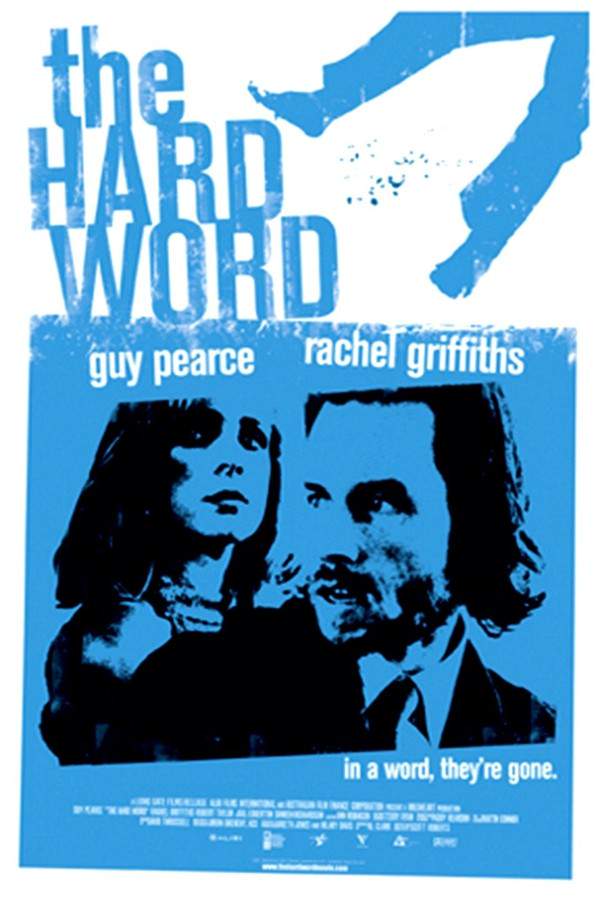
The Hard Word (2003) Full Summary & Key Details
Longford (2006) Full Movie Breakdown
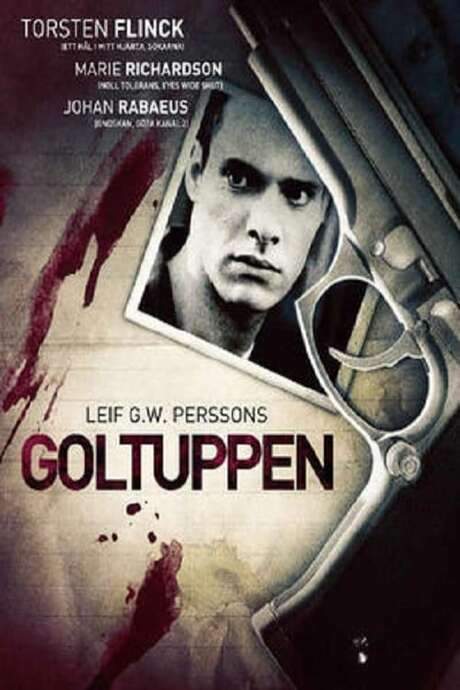
Goltuppen (1000) Ending Explained & Film Insights
Stir (1980) Complete Plot Breakdown
Jailer (2023) Film Overview & Timeline
Penitentiary (1979) Full Summary & Key Details
The Criminal Code (1930) Spoiler-Packed Plot Recap
The Hoose-Gow (1929) Full Movie Breakdown
Porridge: No Way Out (1975) Ending Explained & Film Insights
The Criminal (1960) Complete Plot Breakdown
Rotten to the Core (1965) Full Movie Breakdown
The Pot Carriers (1962) Full Summary & Key Details
Porridge: The Desperate Hours (1976) Plot Summary & Ending Explained
Fools’ Parade (1971) Film Overview & Timeline