





Plot Explained Spoilers guaranteed!
Plot Explained

Browse by genre

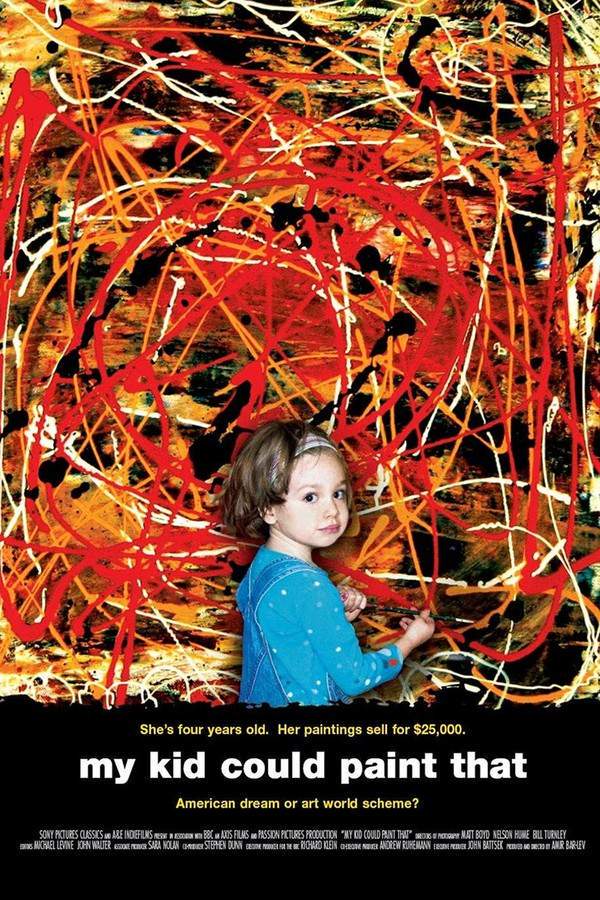
My Kid Could Paint That (2007) movie poster

Characters & Themes

My Kid Could Paint That (2007) Characters, Setting & Themes Explained

Release, runtime and language
2007 · 82 min · English
Directed by
Amir Bar-Lev
Starring
Laura Olmstead, Mark Olmstead, Marla Olmstead

A four-year-old girl’s extraordinary artistic talent leads to international acclaim and soaring prices for her paintings. As her fame grows, questions arise about the genuineness of her abilities, triggering a media frenzy that jeopardizes her family’s reputation and financial security. A documentary filmmaker investigating the phenomenon finds himself increasingly involved in the controversy, grappling with ethical dilemmas and the family’s request for understanding.

On this page (8)
  1. 1 Where to watch
  2. 2 Characters explained (4)
  3. 3 Where & when it takes place
  4. 4 Themes & meaning (3)
  5. 5 Character & meaning questions
  6. 6 Movie threads
  7. 7 Movies like My Kid Could Paint That
  8. 8 Every angle

Where to watch

Where to Watch My Kid Could Paint That (2007)

Where can you watch My Kid Could Paint That? Stream, rent or buy it in the US, including on Amazon Video, Apple TV Store and Fandango At Home: current JustWatch availability with up-to-date prices.

Streaming availability powered by JustWatch

4 main characters · contains spoilers

My Kid Could Paint That Characters Explained: Who Is Who

The main characters of My Kid Could Paint That (2007), heroes and villains: what drives them, how they change over the course of the story and what each of them reveals about the film's bigger ideas.

  • Marla Olmstead

    Marla Olmstead is depicted as a child prodigy of abstract painting whose talent captivates the art world. Her journey raises vital questions about the authenticity of her work and the influences surrounding her creative process amid growing media attention.

    • 👧 Child Prodigy
    • 🎨 Artist
  • Mark Olmstead

    Mark Olmstead, Marla’s father, plays a significant role in her artistic journey. As an amateur painter, he encourages Marla's creativity but also becomes entangled in the controversy surrounding her art as the narrative unfolds.

    • 👨‍🎨 Father
    • 🎨 Supportive Parent
  • Elizabeth Cohen

    Elizabeth Cohen is the journalist who brings Marla's story to the forefront. Her article in the New York Times significantly boosts Marla's fame, showcasing the potential benefits and pitfalls of media exposure.

    • 📰 Journalist
    • 📈 Influencer
  • Ellen Winner

    Ellen Winner is a child psychologist whose insights into Marla’s painting talent frame the documentary's critical perspective. Her expert analysis raises questions about the legitimacy of Marla's artistic prowess, highlighting the discussions around child talent.

    • 👩‍⚕️ Psychologist
    • 🎨 Art Critic

Last updated: October 22, 2024 at 19:29

Was this helpful?

Setting

Where and When Does My Kid Could Paint That Take Place?

The setting of My Kid Could Paint That (2007): the year and time period, the places and locations, and how they shape the characters, the mood and the tension of the story.

Time period

2000s

The film is set in the 2000s, a time when the art world began to embrace young talent and social media influenced public perception. During this period, issues surrounding originality and authenticity in art gained prominence, making the narrative particularly relevant.

Location

Binghamton, NY, New York, Los Angeles

Binghamton, NY, is known for its rich cultural history and serves as the hometown of Marla Olmstead. The documentary showcases various locations, including prominent art galleries in New York and Los Angeles, highlighting the vibrant art scenes in these metropolitan areas.

  • 🏙️ City
  • 🎨 Arts

Last updated: October 22, 2024 at 19:29

Was this helpful?

3 major themes

My Kid Could Paint That Meaning: Themes & Message Explained

What is My Kid Could Paint That (2007) really about? The emotional, social and philosophical themes the film keeps returning to, its symbolism and the message beneath the surface.

  • Art and Authenticity

    The documentary explores the complexities of art and authorship, questioning what it means to create art. Marla's talent raises discussions about the role of parental influence, societal expectations, and the media’s responsibility in shaping a child's artistic journey.

  • Perception and Reality

    The film delves into how media perception can skew public opinion. Marla’s rise to fame showcases the thin line between genius and childhood innocence, forcing viewers to evaluate the authenticity of not just the art but also the narrative crafted around it.

  • Media Influence

    The documentary highlights the impact of media on art and its creators, showcasing both the advantages of exposure and the potential for controversy. It prompts a discussion about the ethics of media representation and the consequences of public scrutiny.

Last updated: October 22, 2024 at 19:29

Was this helpful?

Character & theme questions

My Kid Could Paint That Characters & Meaning: Your Questions Answered

The questions people ask about My Kid Could Paint That (2007): who the characters really are, their relationships, what the symbols mean, where it takes place and what the movie is really about. Each answer contains spoilers.

Q1

Where is Marla Olmstead from

Marla Olmstead is from Binghamton, New York, where the documentary primarily begins. The film also follows her journey to prominent art galleries in New York City and Los Angeles, showcasing the contrast between her small-town origins and the high-profile art world she enters.

  • binghamton
  • new york
  • los angeles
  • art galleries
  • location
Q2

What time period does the documentary cover

The documentary is set in the 2000s, a period when the art world began embracing young talent and social media started influencing public perception. This era made the questions raised about originality and authenticity in art particularly relevant and timely.

  • 2000s
  • time period
  • art world
  • social media era
Q3

What does the documentary say about art and authenticity

The film explores the complexities of art and authorship, questioning what it truly means to create art. Marla's case raises discussions about the role of parental influence, societal expectations, and the media's responsibility in shaping a child's artistic journey, ultimately challenging viewers to consider where creativity ends and manipulation begins.

  • art authenticity
  • authorship
  • creativity
  • parental influence
Q4

How does the documentary explore media influence

The documentary highlights how media perception can dramatically skew public opinion, showcasing both the advantages of exposure and the potential for controversy. It examines the ethics of media representation and the consequences of public scrutiny on a young child and her family, prompting viewers to question the narrative crafted around Marla.

  • media influence
  • public perception
  • ethics
  • scrutiny
Q5

What is the film about regarding perception and reality

The film delves into the thin line between genius and childhood innocence, forcing viewers to evaluate the authenticity of not just the art but also the entire narrative constructed around it. This theme creates tension between what appears to be genuine talent and what might be manufactured perception.

  • perception
  • reality
  • genius
  • innocence
  • narrative
Q6

Who is Marla Olmstead

Marla Olmstead is a child prodigy of abstract painting whose artwork captivate the art world. Her extraordinary talent led to international acclaim and soaring prices for her paintings, raising vital questions about the authenticity of her work and the influences surrounding her creative process amid growing media attention.

  • marla olmstead
  • child prodigy
  • abstract painter
  • artist
Q7

Who is Mark Olmstead

Mark Olmstead is Marla's father, an amateur painter who encouraged his daughter's creativity from an early age. He becomes central to the controversy as questions arise about whether he influenced or assisted with Marla's paintings, putting him at the center of the authenticity debate.

  • mark olmstead
  • father
  • amateur painter
  • parental role
Q8

Who is Elizabeth Cohen

Elizabeth Cohen is the journalist whose New York Times article first brought Marla's story to national attention. Her reporting significantly boosted Marla's fame, illustrating both the potential benefits and pitfalls of media exposure for a young artist and her family.

  • elizabeth cohen
  • journalist
  • new york times
  • reporter
Q9

Who is Ellen Winner

Ellen Winner is a child psychologist who provides expert analysis in the documentary, offering a critical perspective on Marla's artistic abilities. Her insights frame the documentary's investigation into the legitimacy of a young child's artistic prowess, adding credibility to the authenticity discussions.

  • ellen winner
  • child psychologist
  • expert analysis
  • talent assessment
Q10

What style of painting does Marla create

Marla Olmstead creates abstract paintings, a style that became the subject of intense debate because abstract art's subjective nature makes it particularly difficult to assess whether a young child could genuinely produce such work. Her paintings gained recognition within the contemporary art world's gallery system.

  • abstract painting
  • abstract art
  • contemporary art
  • gallery art
Q11

Why did the filmmaker investigate Marla's talent

The documentary filmmaker, initially drawn to the heartwarming story of a young prodigy, became increasingly involved in the controversy as questions about authenticity emerged. The film follows his ethical dilemma between telling a compelling story and protecting a family facing serious allegations about their daughter's work.

  • filmmaker
  • investigation
  • documentary
  • ethical dilemma
  • controversy

Movie threads

More Movies Like My Kid Could Paint That, by Mood & Story

Curated lists built around what makes My Kid Could Paint That tick: the same mood, the same kind of story or the same emotional payoff. Each list explains why these movies belong together.

Investigative Documentaries Like My Kid Could Paint That

Films that delve into a complex controversy, leaving the truth deliberately ambiguous. If you enjoyed the unsettling, unresolved investigation in 'My Kid Could Paint That,' explore these movies that similarly delve into real-world controversies. This selection features documentaries where filmmakers grapple with ethical dilemmas and ambiguous truths, leaving the audience with more questions than answers.

  • investigative
  • unsettling
  • thought-provoking
  • skeptical
  • anxious
  • ambiguous
  • Tone: tense, skeptical, investigative
  • Pacing: steady, methodical
Why these movies?

The story pattern: These documentaries follow a pattern of initial discovery leading to a deep, personal investigation. The narrative builds methodically, often forcing the filmmaker to confront their own biases and the consequences of their pursuit. The central conflict is typically about the nature of truth and perception, culminating in an ambiguous or open-ended conclusion that reflects the complexity of the real world.

Why they belong together: Movies in this thread share a specific cinematic approach: they use the documentary format to explore a mystery that lacks a definitive solution. They are united by a tense, skeptical mood, a steady pacing that builds the case, and a moderate emotional weight that comes from grappling with serious, real-life implications rather than fictional drama.

Movies About Fame and Scrutiny Like My Kid Could Paint That

Stories exploring the fragile nature of fame and the intense pressure of media scrutiny. For viewers fascinated by the tense unraveling of a public persona in 'My Kid Could Paint That,' this collection features stories about the dark side of fame. These films explore the pressure of media scrutiny, the fragility of reputation, and the haunting question of what is real versus what is perceived.

  • anxious
  • tense
  • psychological pressure
  • media frenzy
  • unsettling
  • melancholic
  • Tone: tense, anxious, melancholic
  • Pacing: steady, building pressure
Why these movies?

The story pattern: The narrative follows a similar arc: initial acclaim and public adoration are met with growing skepticism and investigation. The central character or family faces immense pressure as their credibility is challenged, leading to a crisis that threatens their livelihood and personal relationships. The story delves into themes of truth, perception, and the destructive power of the court of public opinion.

Why they belong together: These films are grouped by their shared focus on the destructive cycle of fame and scrutiny. They create a specific vibe of tension and anxiety, often with a steady pacing that mirrors the methodical build-up of public doubt. The emotional weight is medium to heavy, derived from the psychological pressure placed on the subjects.

If you liked this

Movies Like My Kid Could Paint That

Similar movies to My Kid Could Paint That: the same genre, themes or kind of story. Each one comes with its own plot summary, timeline and ending explained.

Browse all movie summaries

Every angle

My Kid Could Paint That (2007) Explained: Plot, Timeline & Characters

Everything about My Kid Could Paint That in one place: what happens in the plot summary, the timeline in chronological order, the characters and meaning and a spoiler-free summary. What's After the Movie adds the cast, box office and post-credit scenes.

Coming soon on iOS and Android

The Plot Explained Movie Summary App

Plot summaries, endings explained and timelines on your phone. Catch up on any movie in minutes, save your favorites and never miss a twist again.

Be the first to know when we launch. Your email stays private, always.

Learn more about the app