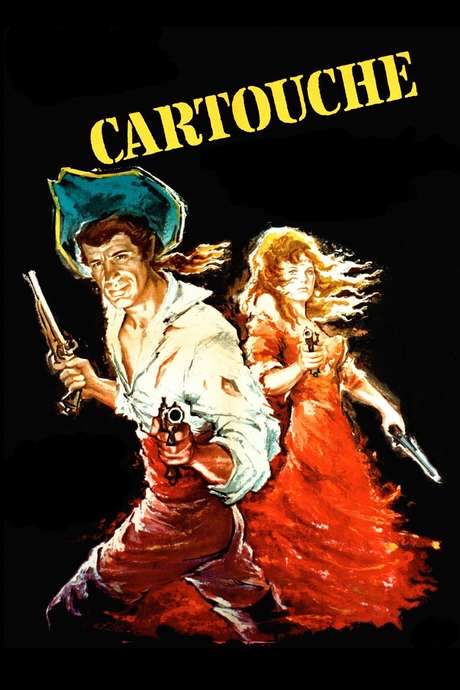
The swindler Alexander Dupre, Jean-Paul Belmondo, is released from prison ahead of schedule for good behavior and wastes no time trying to make up for lost time. He slips into a new persona as an Indian prince and boards a cruise with the jet set, where he encounters a dazzling beauty, Pamela George Eagleton, Mirella D'Angelo. Pamela is a wealthy wife of a diamond mines owner who has fallen on hard times, and Alexander’s sense of honor compels him to help. What begins as a supposedly noble gesture quickly reveals its grim street smarts: the plan is to buy her diamonds with counterfeit bills, only to discover the stones are also fake.
The two would-be saviors of one another quickly discover they share the same talent for deception, and their partnership pivots toward a new mark. The next target is the Duke Helmut von Ofenburg, portrayed by Pierre Vernier. Sophie, as Pamela is revealed to be, is meant to seduce the Duke while Alexander presents himself as her brother, staging a bankruptcy-induced suicide to extract money. The scheme falters when the Duke unexpectedly offers a genuine check for a substantial sum, forcing the pair to abandon the suicide ruse and pivot toward a new locale—Venice.
A flight sequence pushes the story into sharper suspense: on board, a passenger asks Alexander to carry a bag entrusted to him by his mistress to spare trouble at customs. After landing, the bag’s secret is exposed in a murder, and the victim turns out to be a brilliant physicist and mathematician who has developed a fuel that could replace oil. The microfilm hidden inside the suitcase reveals the inventor’s location and the dangerous value of the technology, triggering a ruthless pursuit by oil magnates who will stop at nothing to obtain it.
With the hunt tightening, Alexander adopts the name viscount de Valombreza and makes his way toward Venice, where he has scheduled a meeting with the Japanese buyer who is supposed to purchase a Canaletto painting that is, in truth, a fake. The plan is simple in its elegance, but the stakes are anything but: every move is watched by factions that want the invention and every edge is a potential trap.
In Venice, the hotel becomes a key arena of maneuver. Urbino Alfonsi, the hotel detective, keeps a steady vigil amid the shifting loyalties and clandestine exchanges. The intrigue thickens as Gina, played by Carla Romanelli, is introduced as an former lover and accomplice who adds another layer of complexity to Alexander’s already tangled web. The cast of enforcers and schemers includes a cadre of figures who exist in the shadowy overlaps of espionage and crime, each pressing their own agenda.
The film thrives on a brisk tempo and the charm of its central con, delivering a blend of wit, glamour, and danger. The glamour of international travel and luxury settings contrasts with the ruthless appetite of those who pursue power and wealth, creating a suspenseful panorama where alliances shift and betrayal can come from anywhere. The pursuit crosses continents and involves a network of characters—from intelligence operatives to convicted criminals to ambitious investors—each adding texture to the caper and driving the story toward its volatile Venice finale.
Supporting players contribute to the texture of the plot, including the DGSE operative Joseph, commandant Donnadieu, whose presence underscores the line between crime and state interests. The oil-wealth dynamic frames much of the antagonism, with Kamal, portrayed by [Paolo Bonacelli], and other figures adding layers of risk and motivation. Machavoine, the spy plumber, gives the story a touch of oddball danger, while the enigmatic Abdel Fahrad and other shadowy figures keep the tension high as motives blur and lines between ally and adversary fade.
As the chase intensifies, the flow of information, money, and deception never ceases. The narrative remains anchored by clever turns and a sense of humor about risk, even as the stakes grow higher and the consequences more severe. The result is a stylish, fast-moving adventure that balances romance, intrigue, and high-stakes con artistry, all while circling the ever-present question of who truly controls the game—and who will be left standing when the curtain finally falls.