Plot Explained Spoilers guaranteed!
Plot Explained

Browse by genre

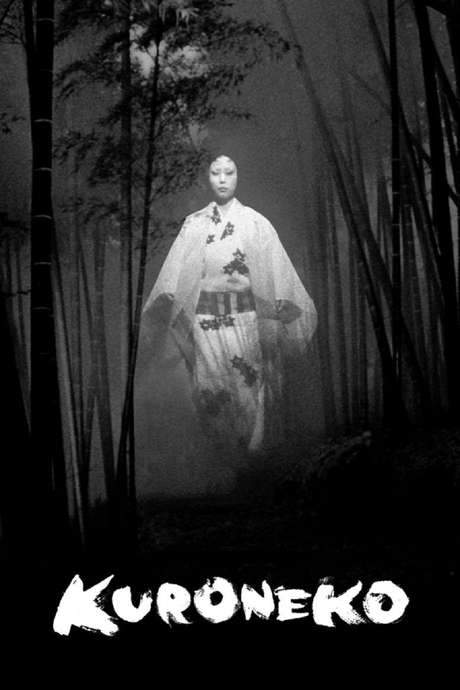
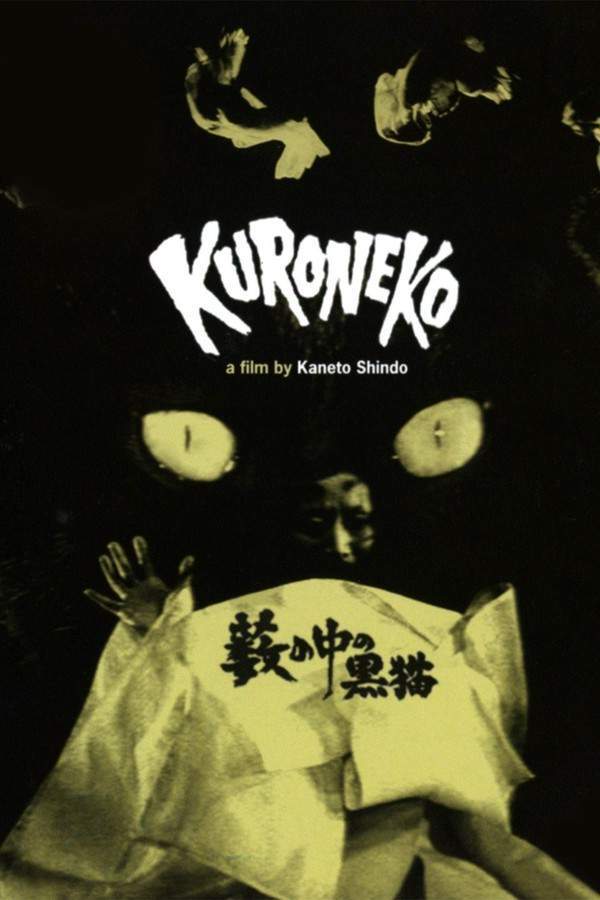
Kuroneko (1968) (2010) movie poster

Characters & Themes

Kuroneko (1968) (2010) Characters, Setting & Themes Explained

Release, runtime and language
2010 · 99 min · Japanese
Loading streaming availability…
Directed by
Kaneto Shindô

Set in feudal Japan, a warrior is sent to investigate a cursed gate where samurai are mysteriously killed. He discovers two mysterious women who bear a striking resemblance to those he has lost. The film explores the devastating consequences of war and the complexities of societal betrayal through striking visuals, a memorable musical score, and elements of traditional Japanese theater. It's a haunting story of loss, vengeance, and the blurring lines between reality and the supernatural.

On this page (8)
  1. 1 Where to watch
  2. 2 Characters explained (3)
  3. 3 Where & when it takes place
  4. 4 Themes & meaning (2)
  5. 5 Character & meaning questions
  6. 6 Movie threads
  7. 7 Movies like Kuroneko (1968)
  8. 8 Every angle
Loading streaming availability…

3 main characters · contains spoilers

Kuroneko (1968) Characters Explained: Who Is Who

The main characters of Kuroneko (1968) (2010), heroes and villains: what drives them, how they change over the course of the story and what each of them reveals about the film's bigger ideas.

  • Yone

    Yone is portrayed as a maternal figure who transitions from a victim to a vengeful spirit. Her transformation reflects deep sorrow and unfulfilled desires for her family. As a ghost, her ethereal presence carries both grace and fury as she seeks vengeance for her untimely death.

    • 👩‍👦 Motherhood
    • 👻 Spirit
    • 🖤 Tragedy
  • Shige

    Shige embodies love and sacrifice, torn between her spectral duty and her affection for Gintoki. Her choice to spend seven nights with him showcases her conflict, ultimately leading to a tragic fate. This character represents both the allure of love and the heavy toll it can take in the face of vengeance.

    • ❤️ Love
    • 👻 Spirit
    • ⚔️ Sacrifice
  • Gintoki

    Gintoki is introduced as a warrior of honor who suddenly faces a tragic revelation about his lost family. His journey from glory to despair reflects the inner turmoil of a man caught between new responsibilities and haunting memories. As he confronts both the living and the dead, his character encapsulates themes of duty, loss, and redemption.

    • ⚔️ Warrior
    • 💔 Loss
    • 🏯 Honor

Last updated: October 22, 2024 at 21:49

Was this helpful?

Setting

Where and When Does Kuroneko (1968) Take Place?

The setting of Kuroneko (1968) (2010): the year and time period, the places and locations, and how they shape the characters, the mood and the tension of the story.

Time period

Feudal Japan

Set during the tumultuous period of Feudal Japan, this era was marked by samurai culture and relentless wars. It was a time when honor and vengeance were deeply intertwined, shaping the fates of many. The societal structures were volatile, influencing the lives of warriors and the common folk alike.

Location

Bamboo Grove, Rajōmon, Northern Japan

The story unfolds in a peaceful bamboo grove, once a tranquil home turned to ashes by tragedy. Rajōmon, a historical gate, serves as a significant meeting point for the souls seeking revenge. Northern Japan is steeped in conflict, providing a backdrop of tumultuous battles against the Emishi.

  • 🏯 Historic
  • 🌲 Nature
  • 🏔️ Conflict

Last updated: October 22, 2024 at 21:49

Was this helpful?

2 major themes

Kuroneko (1968) Meaning: Themes & Message Explained

What is Kuroneko (1968) (2010) really about? The emotional, social and philosophical themes the film keeps returning to, its symbolism and the message beneath the surface.

  • Revenge

    Revenge drives the spectral women, Yone and Shige, as they seek to avenge their brutal deaths at the hands of the samurai. This theme weaves through the narrative, showcasing how the desire for vengeance can transcend life and death. Gintoki's struggle with his spectral loved ones adds layers to this quest for retribution.

  • Tragic Love

    The movie explores the theme of tragic love, focusing on the bond between Gintoki and his wife, Shige. Their relationship endures even beyond death, culminating in a heartbreaking choice that defies the ghostly pact. This poignant love story intertwines with vengeance, making the characters’ destinies all the more tragic.

Last updated: October 22, 2024 at 21:49

Was this helpful?

Character & theme questions

Kuroneko (1968) Characters & Meaning: Your Questions Answered

The questions people ask about Kuroneko (1968) (2010): who the characters really are, their relationships, what the symbols mean, where it takes place and what the movie is really about. Each answer contains spoilers.

Q1

What time period and setting is the movie set in?

The movie is set in Feudal Japan, during a period marked by samurai culture and relentless wars. The story primarily takes place in Northern Japan, featuring a peaceful bamboo grove that was once a tranquil home destroyed by tragedy, and Rajōmon, a historical gate that serves as a meeting point for souls seeking revenge.

  • feudal japan
  • setting
  • samurai
  • northern japan
  • historical
Q2

What is the significance of the bamboo grove in the story?

The bamboo grove serves as the story's primary location, representing a place of profound loss. It was once a peaceful family home that was burned to ashes by tragedy, now standing as a haunting reminder of what was lost. This setting embodies the collision between the natural world and the supernatural realm of vengeance.

  • bamboo grove
  • setting
  • home
  • tragedy
  • location
Q3

What role does revenge play in the movie?

Revenge is the central driving force of the narrative, embodied by the spectral women Yone and Shige who seek vengeance for their brutal deaths at the hands of samurai. This theme transcends life and death, showing how the desire for retribution can bind souls to the earthly plane. The theme explores how vengeance destroys not only those seek it but also those caught in its wake.

  • revenge
  • ghosts
  • vengeance
  • spirits
  • supernatural
Q4

How does the movie portray tragic love?

The movie explores tragic love through the enduring bond between Gintoki and his wife Shige, which persists even beyond death. Their relationship represents the heavy toll love can exact when confronted with the demands of vengeance. The poignant love story intertwines with the theme of revenge, making the characters' destinies tragically intertwined.

  • tragic love
  • romance
  • sacrifice
  • ghosts
  • marriage
Q5

Who is Yone and what is her role in the story?

Yone is a maternal figure who transitions from victim to vengeful spirit. As a ghost, her ethereal presence carries both grace and fury, reflecting deep sorrow and unfulfilled desires for her family. Her transformation embodies the theme of revenge and the devastating consequences of violence against the innocent.

  • yone
  • ghost
  • mother
  • vengeance
  • character
Q6

Who is Shige and what defines her character?

Shige embodies love and sacrifice, torn between her spectral duty as a vengeful ghost and her affection for Gintoki. Her choice to spend seven nights with him showcases her profound internal conflict. This character represents both the allure of love and the devastating toll it can take when confronted with the demands of vengeance.

  • shige
  • ghost
  • wife
  • love
  • sacrifice
  • character
Q7

Who is Gintoki and what motivates him?

Gintoki is a warrior of honor who faces a devastating revelation about his lost family. His journey reflects the inner turmoil of a man caught between new responsibilities and haunting memories. As he confronts both the living and the dead, his character encapsulates themes of duty, loss, and the desperate search for redemption in a world torn by conflict.

  • gintoki
  • samurai
  • warrior
  • protagonist
  • honor
Q8

What is the significance of Rajōmon in the movie?

Rajōmon serves as a significant meeting point in the story, acting as the threshold between the world of the living and the realm of vengeful spirits seeking retribution. This historical gate represents the liminal space where the consequences of war and violence manifest in the supernatural world.

  • rajomon
  • gate
  • supernatural
  • spirits
  • location
Q9

How does the era of feudal Japan shape the story's conflicts?

The feudal Japan setting deeply shapes the story's conflicts through its cultural values of honor, vengeance, and duty. This era's volatile societal structures, where wars against the Emishi constantly raged, influenced the lives of warriors and common folk alike. The period's emphasis on honor and retribution provides the backdrop for the characters' tragic fates.

  • samurai
  • honor
  • feudal
  • era
  • culture
  • conflict
Q10

How does the movie blend reality with the supernatural?

The movie weaves supernatural elements into its feudal Japan setting, featuring vengeful ghosts who blur the lines between reality and the spectral world. The constant supernatural threat of the vengeful ghosts creates a haunting atmosphere where the living must confront the consequences of their actions even after death.

  • supernatural
  • ghosts
  • horror
  • fantasy
  • spirits

Movie threads

More Movies Like Kuroneko (1968), by Mood & Story

Curated lists built around what makes Kuroneko (1968) tick: the same mood, the same kind of story or the same emotional payoff. Each list explains why these movies belong together.

Atmospheric ghost stories with tragic roots like Kuroneko (1968)

Supernatural tales where vengeful spirits are born from profound human tragedy. If you liked the sorrowful vengeance and haunting atmosphere of Kuroneko, explore movies like it. This selection focuses on supernatural horror and drama films where ghosts are tragic figures, born from betrayal, war, or loss, creating a mood that is somber, eerie, and emotionally resonant.

  • haunting
  • sorrowful
  • eerie
  • vengeful
  • tragic
  • atmospheric
  • Tone: dark, melancholic, sorrowful
  • Pacing: slow, deliberate
Why these movies?

The story pattern: Narratives in this thread often involve a tragic inciting event—such as murder, betrayal, or war—that creates a restless spirit. The plot then explores the interaction between the living and the dead, frequently involving a character confronting a ghostly presence tied to their own past or a societal wrong. The journey is one of uncovering hidden truths and grappling with the ethics of vengeance versus peace.

Why they belong together: Movies are grouped here because they share a core premise: ghosts as manifestations of tragic history. They prioritize a melancholic, atmospheric mood over jump scares, and use the supernatural to explore heavy themes like grief, loss, and the cyclical nature of violence. The emotional weight is consistently high.

Slow burn folk horror with bleak endings like Kuroneko (1968)

Meditative stories where ancient curses and societal betrayal lead to bleak despair. Fans of Kuroneko's measured pace and folkloric horror will find similar movies here. These films feature curses, vengeful spirits rooted in tradition, and a slow unfolding of terror against a historical or rural backdrop, often leading to hopeless and tragic conclusions for the protagonists.

  • folk horror
  • slow burn
  • atmospheric
  • bleak
  • eerie
  • cursed
  • Tone: dark, bleak, eerie
  • Pacing: slow burn, atmospheric
Why these movies?

The story pattern: The narrative pattern involves an individual or outsider encountering a community or location bound by a dark tradition or curse. The horror unfolds gradually, through atmosphere and implication rather than sudden events. The protagonist is often powerless against the ancient, systemic nature of the supernatural force, leading to an ending that affirms the curse's power rather than breaking it.

Why they belong together: These films are united by their use of folkloric elements as the source of horror, a deliberate and atmospheric slow-burn pacing, and a generally bleak outlook. They explore how tradition and superstition can mask profound darkness, and the experience is more about existential dread than survival.

If you liked this

Movies Like Kuroneko (1968)

Similar movies to Kuroneko (1968): the same genre, themes or kind of story. Each one comes with its own plot summary, timeline and ending explained.

Browse all movie summaries

Every angle

Kuroneko (1968) (2010) Explained: Plot, Timeline & Characters

Everything about Kuroneko (1968) in one place: what happens in the plot summary, the timeline in chronological order, the characters and meaning and a spoiler-free summary. What's After the Movie adds the cast, box office and post-credit scenes.

Coming soon on iOS and Android

The Plot Explained Movie Summary App

Plot summaries, endings explained and timelines on your phone. Catch up on any movie in minutes, save your favorites and never miss a twist again.

Be the first to know when we launch. Your email stays private, always.

Learn more about the app