Year: 2003
Runtime: 116 mins
Language: Japanese
Director: Isshin Inudo
A part‑time Mahjong parlor employee meets a young woman confined to a wheelchair, transported in a baby carriage. Drawn to her spirited personality, he befriends her, spends time together and gradually falls deeply in love, navigating their fragile yet hopeful connection.
Warning: spoilers below!
Haven’t seen Josee, the Tiger and the Fish yet? This summary contains major spoilers. Bookmark the page, watch the movie, and come back for the full breakdown. If you're ready, scroll on and relive the story!
Read the complete plot breakdown of Josee, the Tiger and the Fish (2003), including all key story events, major twists, and the ending explained in detail. Discover what really happened, and what it all means.
Tsuneo Suzukawa, a university student and part-time store employee in Osaka, Satoshi Tsumabuki rescues the disabled Josee Chizuru Ikewaki when she accidentally pushes her wheelchair down a steep road. Josee’s grandmother, Chizu, Eiko Shinya, invites him to stay the night, and Tsuneo becomes Josee’s caretaker. At first, Josee acts selfishly, but their relationship begins to deepen as they spend quiet days together, especially along the shoreline where the sea mirrors the slow, tentative growth of their bond. The pair share moments that hint at a future beyond their respective worlds, and Josee’s friend Kana Kishimoto, Juri Ueno, helps her find a place at the library, where she is hired by Kanae and starts to contribute in a new, creative way.
As Tsuneo earns a scholarship and receives an offer to study in Mexico, he keeps the next steps of his life to himself, not yet ready to reveal the changing tides ahead to Josee. The couple’s fragile equilibrium is shaken when Chizu dies of a heart attack, leaving Josee with the sense of abandonment and the looming question of what life will look like without the familiar, nurturing presence of her grandmother. Two coworkers urge Josee to “redeem herself and set Tsuneo free,” a sentiment delivered by Mai Ninomiya in a way that unsettles their already delicate balance.
Josee shifts again, moving toward an office role rather than pursuing art, and a rift forms after a heated argument at the beach. In a cruel twist of fate, Josee’s wheelchair becomes stuck in the road, and Tsuneo is involved in a car accident that leaves him with a broken right leg and two months in the hospital. When the professor informs Tsuneo that another student will replace him for school and travel, he steps back from his dream and begins to wrestle with letting Josee go even as he longs to stay.
During recovery, Mai’s words echo in Josee’s mind, nudging her toward a path where she can support Tsuneo from a distance. Yet Josee’s artistic spark returns, and she resumes painting, finding strength in her own identity as an artist. Tsuneo’s friend Hayato Matsūra accompanies him from the hospital to the library, where Josee reads a story she has drawn—a tale titled The Mermaid and the Radiant Wings, an allegory for their relationship. Reading aloud to the children rekindles Tsuneo’s resolve to push through physical therapy, and he begins walking again with renewed determination. He asks Josee to be there before his discharge, but she replies that she will be happy for him even if she cannot be there in the same way.
When Tsuneo is discharged and returns to an empty house, Josee is gone. Friends search the city while Tsuneo follows the trail of wheelchair tracks in the snow from the zoo, where Josee once watched a tiger. A careless passerby knocks the wheelchair into a snowy road, and Josee tumbles, only to be saved by Tsuneo once again, in the same life-saving moment that marked their first meeting. In that intimate, quiet reunion, they confess their feelings and lay out a shared future: Josee reveals her dream of becoming a storybook illustrator, and Tsuneo vows to stay by her side. Josee asks about Mexico, and Tsuneo says he will return home because he loves her; she echoes the same sentiment, and they embrace.
Tsuneo eventually travels to Mexico, while Josee leaves the house as demolition begins on her old life. The following year, Tsuneo returns to Japan and continues spending his days with Josee, embracing a future that remains uncertain but is defined by mutual commitment, growth, and the art they nurture together.
Last updated: October 14, 2025 at 04:07
Explore frequently asked questions about Josee, the Tiger and the Fish (2003) with spoiler-rich answers covering the full plot summary, major story beats, character motivations, hidden details, and ending meaning. This movie summary FAQ helps explain confusing scenes, plot twists, and narrative decisions in clear, searchable detail.
Josee initially acts selfishly because she is protecting herself from potential abandonment. Having relied on her grandmother Chizu for care her entire life, Josee fears becoming emotionally attached to Tsuneo, who is temporarily in her life. Her selfish behavior is a defense mechanism to test whether he will truly stay or eventually leave, as she has likely experienced abandonment fears before.
Josee's initial coldness foreshadows her later struggle with letting Tsuneo go when he receives his scholarship offer.
Tsuneo hides his scholarship because he knows it will create distance between himself and Josee. He has fallen deeply in love with her and fears that telling her about the opportunity will force a confrontation about their future together. He is torn between pursuing his lifelong dream and staying with the woman he loves, and he delays making a decision by avoiding the topic altogether.

The secret scholarship creates tension that builds toward the film's emotional conflict and Josee's eventual departure.
The argument at the beach is triggered by the mounting tension between them regarding their future. Josee has become an office worker rather than pursuing art, partly due to Mai Ninomiya's pressure to 'set Tsuneo free.' When they argue, Josee's wheelchair gets stuck in the road, and Tsuneo is hit by a passing car while trying to help her, resulting in his broken leg.
The beach argument connects to earlier tension about Tsuneo's unspoken scholarship and Josee's feelings of being a burden.
Josee leaves because she believes she is holding Tsuneo back. Mai Ninomiya's words about redeeming herself and setting Tsuneo free have taken root in her mind. Josee thinks that by leaving, she will allow Tsuneo to pursue his dreams without being tied to her disability and circumstances. Her departure is an act of love disguised as sacrifice.
Josee's departure echoes her earlier fear of abandonment, but this time she chooses to leave first to protect Tsuneo's future.
The story Josee writes and illustrates is an allegory for their relationship. The mermaid represents Josee, who feels trapped in her physical limitations, while the 'radiant wings' symbolize Tsuneo's dreams and freedom. The story reflects Josee's realization that loving someone sometimes means supporting their flight even when it means separation. She reads this story aloud to children at the library, which renews Tsuneo's determination to walk again.
The mermaid allegory directly mirrors Josee's own artistic journey and her decision to support Tsuneo from afar.
Tsuneo gives up his Mexico dream after the professor tells him another student will replace him due to his extended recovery from the accident. More importantly, his love for Josee has made him reconsider what truly matters. When he sees Josee reading her story at the library and witnesses her artistic growth, he decides that staying with her is more important than his original ambition.
Tsuneo's decision reflects the film's theme of love as catalyst for personal growth rather than sacrifice.
Josee's grandmother's house is scheduled for demolition after Chizu dies. The house represents Josee's old life and the world she knew with her grandmother. When Josee leaves after Tsuneo's discharge, she also leaves the house to be demolished, symbolizing her break from the past and her commitment to forging a new identity independent of her grandmother's care.
The demolition marks Josee's final transition from relying on her grandmother's home to standing on her own.
Josee chooses an office job partly due to pressure from Mai Ninomiya, who urges her to 'redeem herself and set Tsuneo free.' This leads Josee to believe she should become more 'normal' and independent rather than pursuing what she truly wants. She also feels uncertain about her artistic abilities and lacks the confidence to fully commit to being an artist at that point in her life.
Josee's office job represents her temporary rejection of her artistic identity, which she later reclaims during Tsuneo's rehabilitation.
The title references the zoo outing where Josee watches the tiger and the fish in the aquarium. The tiger represents freedom and wildness that Josee longs for but cannot physically experience, while the fish symbolizes something beautiful but confined. These animals reflect Josee's own feelings about her disability, she identifies with both the trapped fish and the powerful tiger she watches. The wheelchair tracks she leaves in the snow from the zoo become the path Tsuneo follows to find her.
The tiger and fish imagery foreshadows the film's themes of confinement versus freedom and Josee's journey toward self-acceptance.
The ending is bittersweet because while Josee and Tsuneo affirm their love and commitment to each other, it requires temporary separation. Tsuneo still travels to Mexico to study, and Josee remains in Japan pursuing her illustration dreams. They choose to support each other's individual growth while maintaining their relationship across distance. The film suggests their love will endure, but it does not present a perfect, unified future, instead, it shows two people choosing to grow individually while staying connected.
The hopeful yet uncertain ending reflects the film's overall theme of love as a catalyst for mutual growth rather than completion.
Discover curated groups of movies connected by mood, themes, and story style. Browse collections built around emotion, atmosphere, and narrative focus to easily find films that match what you feel like watching right now.
Tender love stories where hope and heartache intertwine with a gentle touch.If you liked the tender yet realistic love story in Josee, the Tiger and the Fish, discover other movies like it. This list features gentle romance films that balance heartfelt emotion with a bittersweet tone, focusing on quiet character connections.
These stories typically follow the development of a delicate romantic bond, often between individuals facing personal or external obstacles. The narrative emphasizes emotional intimacy over dramatic plot twists, building towards an ending that affirms the love but acknowledges its costs or the imperfections of reality.
Movies are grouped here for their shared focus on romance that is both deeply hopeful and tempered by a bittersweet realism. They share a gentle pacing, a medium emotional weight, and a tone that balances tender feelings with the acknowledgment of life's sacrifices.
Character-driven dramas where caring for another becomes a path to self-discovery.Find more movies like Josee, the Tiger and the Fish that explore themes of caretaking and personal growth. These similar drama films feature characters whose lives are changed by a deep, caring connection that helps them overcome adversity.
The narrative pattern involves a protagonist whose life is altered by entering a caretaking relationship. This new responsibility, while challenging, forces them to confront their own limitations and priorities, ultimately leading to profound mutual growth and a redefined sense of self for both individuals.
These films are united by their exploration of how deep, often difficult, connections inspire personal evolution. They share a straightforward, character-focused narrative, a medium emotional weight dealing with serious themes, and a tone that finds hope and strength within struggle.
Don't stop at just watching - explore Josee, the Tiger and the Fish in full detail. From the complete plot summary and scene-by-scene timeline to character breakdowns, thematic analysis, and a deep dive into the ending - every page helps you truly understand what Josee, the Tiger and the Fish is all about. Plus, discover what's next after the movie.
Track the full timeline of Josee, the Tiger and the Fish with every major event arranged chronologically. Perfect for decoding non-linear storytelling, flashbacks, or parallel narratives with a clear scene-by-scene breakdown.
Discover the characters, locations, and core themes that shape Josee, the Tiger and the Fish. Get insights into symbolic elements, setting significance, and deeper narrative meaning - ideal for thematic analysis and movie breakdowns.
Discover movies like Josee, the Tiger and the Fish that share similar genres, themes, and storytelling elements. Whether you’re drawn to the atmosphere, character arcs, or plot structure, these curated recommendations will help you explore more films you’ll love.
Josee, the Tiger and the Fish (2003) Scene-by-Scene Movie Timeline
Josee, the Tiger and the Fish (2003) Movie Characters, Themes & Settings
Josee, the Tiger and the Fish (2003) Spoiler-Free Summary & Key Flow
Movies Like Josee, the Tiger and the Fish – Similar Titles You’ll Enjoy
Like Someone in Love (2013) Story Summary & Characters
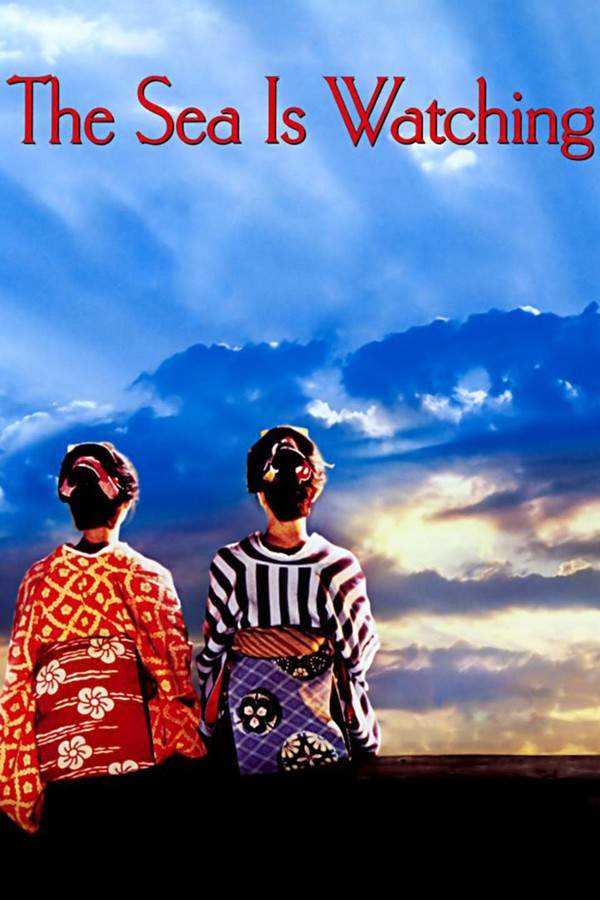
The Sea Is Watching (2003) Full Summary & Key Details
Josie (2018) Full Movie Breakdown
Tiger Milk (2017) Ending Explained & Film Insights
Butterfly Sleep (2017) Story Summary & Characters
Manji (1983) Full Movie Breakdown
Sa Bang-ji (1988) Full Movie Breakdown
A Tiger’s Tale (1987) Detailed Story Recap
Josee, the Tiger and the Fish (2020) Ending Explained & Film Insights
Lucky Fish (2022) Story Summary & Characters
Call Me Chihiro (2023) Complete Plot Breakdown
Tiger Shark (1932) Plot Summary & Ending Explained
Fishbowl Wives (1000) Film Overview & Timeline
When I Met You In Tokyo (2023) Full Summary & Key Details
Manji (1964) Ending Explained & Film Insights