







Plot Explained Spoilers guaranteed!
Plot Explained

Browse by genre

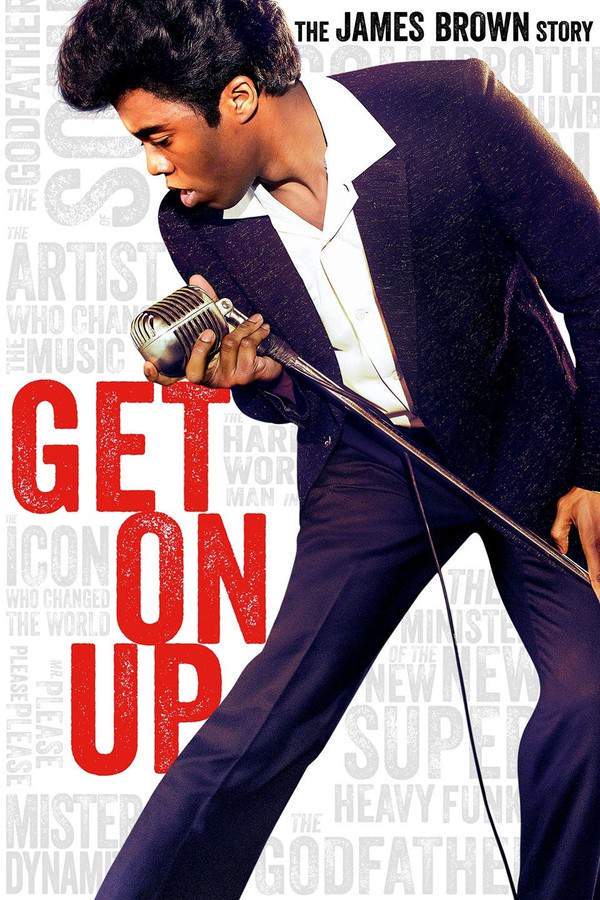
Get On Up (2014) movie poster

Timeline

Get On Up (2014) Timeline Explained – Every Event in Order

Release, runtime and language
2014 · 139 min · English
JustWatch #7,391 13
Directed by
Tate Taylor
Starring
Octavia Spencer, Craig Robinson, Chadwick Boseman, Viola Davis, Dan Aykroyd, Lennie James

Born into poverty in 1930s South Carolina, James Brown’s challenging childhood shaped his ambition to overcome adversity. He rose from gospel music beginnings to become a sensation on the "chitlin' circuit," captivating audiences with his distinctive soulful sound and energetic dance style. Despite personal struggles and controversies that unfolded throughout his career, Brown's immense talent and innovative performances established him as a defining icon of 20th-century music.

On this page (6)
  1. 1 Where to watch
  2. 2 Events in order (16)
  3. 3 Timeline questions answered
  4. 4 Movie threads
  5. 5 Movies like Get On Up
  6. 6 Every angle

Where to watch

Where to Watch Get On Up (2014)

Where can you watch Get On Up? Stream, rent or buy it in the US, including on YouTube Free, Amazon Video and Apple TV Store: current JustWatch availability with up-to-date prices.

Streaming availability powered by JustWatch

16 events in order · contains spoilers

Get On Up Timeline: Events in Chronological Order

Every key event of Get On Up (2014) in order, scene by scene, with when and where it takes place. Use it to untangle flashbacks, time jumps and parallel storylines, to refresh your memory before the sequel or to find the exact scene you are thinking of.

  1. Introduction of James Brown

    The film opens in 1993, showcasing James Brown as he walks through a dimly lit hallway. Surrounded by the echoes of an adoring audience chanting his name, he reflects on significant people who shaped his life.

    When
    1993
  2. Confrontation in Augusta

    In 1988, in Augusta, Georgia, James discovers that a private bathroom in his strip mall has been used without his permission. During a confrontation with the trespasser, he surprisingly chooses to forgive him, but an accidental shotgun incident leads to police involvement.

    When
    1988
    Where
    Augusta, Georgia
  3. Journey to Vietnam

    As the story progresses to the 1960s, James and his band perform in Vietnam, demonstrating solidarity with black troops. Their performance is highly praised, marking a significant moment in James's career.

    When
    1960s
    Where
    Vietnam
  4. Challenging Upbringing

    Flashing back to 1939, we see James's difficult upbringing in the woods by his financially struggling parents, Susie and Joe Brown. His early aspirations in music lead him to sing with The Famous Flames, initiated by Bobby Byrd, who helps him after his release from prison.

    When
    1939
  5. Joining The Famous Flames

    After moving in with the Byrd family, James solidifies his role as the lead singer of Bobby's group, The Famous Flames. Together, they begin making a name for themselves in the music industry.

  6. The T.A.M.I. Show Controversy

    In 1964, during The T.A.M.I. Show, manager Ben Bart makes a controversial choice for The Rolling Stones to close the show instead of The Flames. Nevertheless, James and his band steal the spotlight, quipping to the Stones, 'Welcome to America.'

    When
    1964
  7. Chaos in Childhood

    James's childhood is turbulent after his mother Susie leaves his abusive father, Joe, and he is placed under the care of Aunt Honey, who runs a brothel. Despite these hardships, he finds solace in church and the joy of music.

  8. Imprisonment and Bonding

    At 17, a decision to steal a suit leads James to a five-to-thirteen-year prison sentence. While incarcerated, he witnesses a performance that ignites his passion for music, bonding him further with Bobby after an injury during a riot.

  9. Breaking into the Music Scene

    In the 1950s, The Famous Flames land a significant deal with King Records. Their first single, 'Please, Please, Please,' resonates well, leading to initial skepticism from executive Syd Nathan, which is quickly overshadowed by James's extraordinary vocals.

    When
    1950s
  10. Performing at Apollo Theater

    As tensions rise related to the band's dynamics, James performs at the famed Apollo Theater, thrilling the audience. After the concert, he learns of a woman claiming to be his mother, stirring up emotional memories from his youth.

    Where
    Apollo Theater
  11. Personal Turmoil

    Amidst personal struggles, James has a son named Teddy with his first wife, Velma, before their divorce. His later marriage to Dee-Dee reveals cracks when James reacts violently during a holiday gathering.

  12. Recording 'Say It Loud'

    In 1968, James records the iconic song 'Say It Loud - I'm Black and I'm Proud,' attempting to connect with the African American community. The tragic assassination of Martin Luther King, Jr. triggers powerful feelings, influencing his performances.

    When
    1968
  13. Conflict in the Band

    With the death of Ben, tensions arise within the group, especially between James and Bobby, who considers pursuing a solo career. Their dramatic confrontation highlights the strain in their long-time partnership.

  14. Reunion with Mother

    At a pivotal moment during a performance at the Apollo, Susie reappears, seeking to mend their fractured relationship after years apart. This encounter forces James to confront his past and the emotional turmoil surrounding it.

    Where
    Apollo Theater
  15. Tragic Loss

    In 1973, James receives devastating news about Teddy's tragic car accident. This event haunts him, leading to drug use that causes erratic behavior and an eventual arrest, further complicating his life.

    When
    1973
  16. Final Performance

    Fast forward to 1993, where James reunites with Bobby, offering him VIP tickets to his upcoming show. The film culminates in a powerful moment as he steps onto the stage, receiving heartfelt applause while delivering an emotional rendition of 'Try Me (I Need You)'.

    When
    1993

Last updated: November 08, 2024 at 04:59

Was this helpful?

Timeline questions answered

Get On Up Timeline Explained: Your Questions Answered

When does it happen, and why in that order? The questions people ask about the chronology of Get On Up (2014): time jumps, flashbacks, cause and effect between scenes and the correct order of events, each answered with spoilers.

Q1

Why does James Brown keep stealing suits?

James Brown steals suits twice in the film, once as a teenager leading to prison, and once as an adult triggering the 1988 confrontation. The suit represents his desperate need to escape poverty and appear respectable in a world that dismissed him. As a Black man in the segregated South, a suit symbolized dignity and opportunity. The repeated theft also reflects his impulsivity and willingness to take risks to improve his circumstances, a trait that drove his success but also caused problems.

Foreshadowing: James's early theft of a suit from Bobby Byrd's family directly leads to his imprisonment, where he meets Bobby again and begins his musical transformation.

  • suit theft
  • prison
  • james brown criminal record
  • poverty
Q2

How did James Brown meet Bobby Byrd?

James Brown met Bobby Byrd when he was released from prison for stealing a suit. Bobby's family took James in, and they bonded during a prison riot where both were injured. Bobby was already leading a gospel group called The Famous Flames, and he welcomed James as the lead singer. This partnership launched Brown's career and created a lifelong friendship that survived numerous conflicts.

Foreshadowing: The film shows Bobby finding James after his release and offering him a place to stay, establishing the foundation of their musical collaboration.

  • bobby byrd
  • famous flames
  • birth of career
  • partnership
Q3

What happened at the T.A.M.I. Show?

At the 1964 T.A.M.I. Show, manager Ben Bart made a controversial decision to let The Rolling Stones close the show instead of The Famous Flames. Despite this slight, James Brown and his band delivered such an electrifying performance that they stole the entire show. James famously told the Stones, "Welcome to America," implying he'd shown them what real American music looked like. This performance launched his national fame.

Foreshadowing: Earlier scenes establish James's drive to prove himself as the best performer, making this moment a culmination of his ambition.

  • tami show
  • rolling stones
  • 1964
  • breakout performance
Q4

Why did James Brown's mother Susie leave?

Susie Brown left her abusive husband Joe and abandoned young James in the woods. She couldn't escape the poverty and violence of their situation and chose to leave rather than stay in an unbearable marriage. James was left in the care of his aunt Honey, who ran a brothel. This abandonment haunted James throughout his life, and his inability to forgive Susie affected his relationships and emotional state for decades.

Foreshadowing: The film's non-linear structure returns to this trauma when Susie suddenly appears backstage at the Apollo Theater, forcing James to confront his unresolved feelings.

  • susie brown
  • childhood trauma
  • abandonment
  • family
Q5

What does 'Say It Loud - I'm Black and I'm Proud' mean?

"Say It Loud - I'm Black and I'm Proud" was recorded by James Brown in 1968 during the civil rights movement. The song was groundbreaking because it celebrated Black identity with pride and defiance during a time of widespread segregation and discrimination. It became an anthem of Black empowerment, encouraging African Americans to embrace their identity unapologetically. The film shows James using music as a tool for social commentary and community connection.

Foreshadowing: Earlier scenes establish James's growing consciousness about civil rights, particularly during the Vietnam era and after MLK's assassination.

  • say it loud
  • civil rights
  • 1968
  • black pride anthem
Q6

Why did James Brown attack Dee-Dee?

During a holiday gathering, James Brown became violent toward his wife Dee-Dee, attacking her. This scene reveals the darker side of Brown's personality and the toll his personal struggles took on his relationships. The film doesn't excuse this behavior but presents it as part of his complexity, his talent and success coexisted with volatility and poor impulse control. This violent incident represents one of many personal failures that plagued his life.

Foreshadowing: Earlier scenes show James's short temper and willingness to use force, establishing a pattern of aggression that later manifests in this domestic violence scene.

  • dee-dee
  • violence
  • domestic abuse
  • personal struggles
Q7

How did Teddy Brown die?

James Brown's son Teddy died in a car accident in 1973. This devastating loss deeply affected James, triggering a period of heavy drug use and erratic behavior. The grief combined with his existing struggles led to his eventual arrest. The film portrays this tragedy as a turning point that intensified James's personal demons rather than bringing him closer to redemption.

Foreshadowing: Earlier scenes show tension in James's family life, particularly with his first wife Velma and their son Teddy, setting up the emotional weight of this loss.

  • teddy brown
  • car accident
  • 1973
  • death of son
Q8

Why was the Vietnam concert important?

James Brown performed for Black troops in Vietnam during the 1960s as a show of solidarity. This performance was significant because it showed his commitment to supporting the Black community, including those fighting in a war overseas. The film portrays the concert as highly praised and an important moment in his career, demonstrating how his music resonated with soldiers serving in a conflicted war.

Foreshadowing: Earlier scenes establish James's growing awareness of racial injustice and his desire to use his platform meaningfully.

  • vietnam
  • performance for troops
  • solidarity
  • 1960s
Q9

Why did James Brown forgive the trespasser in 1988?

In 1988, James Brown discovered someone had used his private bathroom in his strip mall without permission. During the confrontation, he surprisingly chose to forgive the man rather than punish him. This moment demonstrates James's capacity for mercy, though it quickly spirals into chaos when an accidental shotgun discharge brings police. This scene, set late in his career, shows a more reflective side of James grappling with his legacy.

Foreshadowing: The film opens with this 1988 incident, establishing a reflective tone before jumping back through his life story.

  • 1988
  • forgiveness
  • augusta
  • strip mall
Q10

What happened after Ben Bart died?

After their manager Ben Bart died, tensions within The Famous Flames escalated significantly. Bobby Byrd began considering a solo career, leading to a dramatic confrontation with James. The loss of their manager created uncertainty about the band's direction and finances. This conflict represents the business pressures that strained personal relationships in James's life, with Bobby feeling undervalued as James's fame grew.

Foreshadowing: Earlier scenes show Bobby's frustration that James received sole credit despite the group's contributions, setting up this eventual split.

  • ben bart
  • manager death
  • bobby byrd conflict
  • band tension
Q11

Why was Syd Brown skeptical of James Brown?

Executive Syd Nathan at King Records was skeptical of "Please, Please, Please," The Famous Flames' first single with James as lead vocalist. Nathan doubted the song's commercial potential and questioned whether James's intense, unconventional vocal style would appeal to mainstream audiences. However, the record sold well despite, or perhaps because of, its unusual sound, proving Nathan wrong and launching Brown's career.

Foreshadowing: Earlier scenes establish the struggle for Black artists to get recognition from record executives in the segregated music industry.

  • king records
  • syd nathan
  • please please please
  • record deal
Q12

What does the final 1993 performance mean?

The film ends in 1993 with James Brown stepping onto stage, hearing the echoes of his past, voices of people who shaped him, calling his name. He delivers an emotional rendition of "Try Me (I Need You)" that moves Bobby and his wife Vicki to tears. This moment represents a synthesis of his entire journey: the pain, the triumphs, the relationships, and his lasting legacy. It's both a conclusion and a celebration of his impact on music and culture.

Foreshadowing: The opening scene in 1993 mirrors this final moment, creating a circular structure that frames the entire film as James reflecting on his life before performing.

  • final performance
  • 1993
  • try me
  • legacy
  • stage entrance

Movie threads

More Movies Like Get On Up, by Mood & Story

Curated lists built around what makes Get On Up tick: the same mood, the same kind of story or the same emotional payoff. Each list explains why these movies belong together.

Complex Artist Biographies like Get On Up

Fragmented journeys through the lives of brilliant but deeply flawed artists. Explore more movies like Get On Up that delve into the lives of musical and artistic icons with a complex, non-linear narrative. If you liked the intricate storytelling of James Brown's life, you'll find similar films about troubled geniuses where creative triumphs are intertwined with personal demons.

  • introspective
  • raw
  • triumphant
  • melancholic
  • gritty
  • vulnerable
  • Tone: bittersweet, raw
  • Pacing: variable, reflective
Why these movies?

The story pattern: These films typically unfold in a mosaic of flashbacks and key moments, jumping between the pinnacle of fame and the roots of trauma. The narrative pattern contrasts public success with private turmoil, forcing the viewer to piece together the cause and effect that shaped the artist's complex personality and legacy.

Why they belong together: Movies are grouped here for their shared approach to biography: a structurally complex narrative that mirrors the turbulence of a creative mind, a bittersweet tone balancing immense triumph with profound loss, and a heavy emotional weight derived from unflinching looks at trauma and genius.

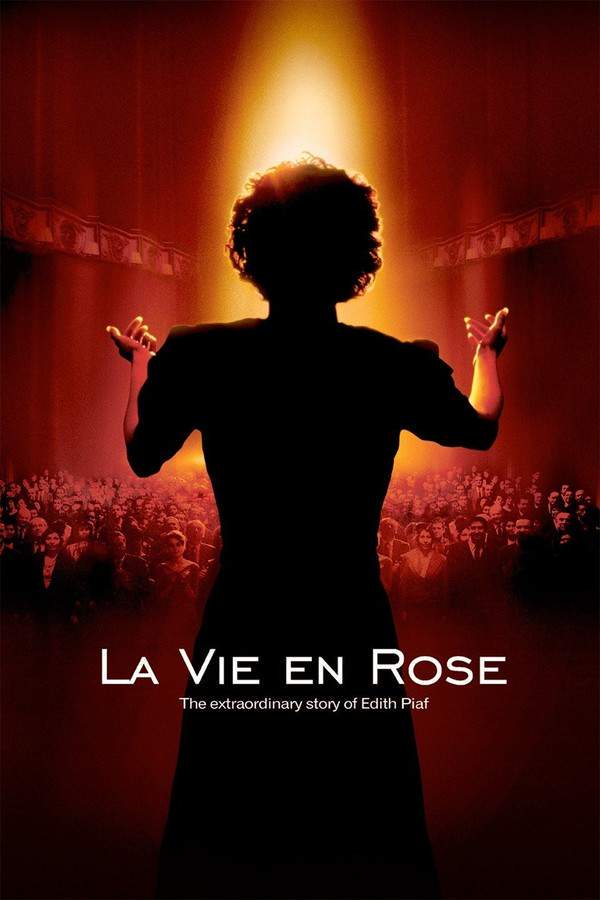
Gritty Rise-and-Fall Stories like Get On Up

Intense journeys from poverty to fame, fueled by raw talent and personal demons. Find more films similar to Get On Up that capture the intense, raw journey of a rise from poverty to fame. If you enjoyed the gritty depiction of James Brown's life and his energetic performances, you'll discover other powerful stories about talent, trauma, and the bittersweet price of greatness.

  • gritty
  • triumphant
  • energetic
  • raw
  • melancholic
  • introspective
  • Tone: bittersweet, gritty
  • Pacing: steady, energetic
Why these movies?

The story pattern: The narrative follows a dramatic arc from adversity to pinnacle success, but the core of the story lies in the parallel descent into personal chaos. The journey is defined by a constant tension between explosive creative energy and the debilitating weight of addiction, ego, and unresolved trauma, leading to a bittersweet reckoning.

Why they belong together: These films share a high-intensity, heavy emotional vibe centered on a triumphal yet tragic character arc. They are united by a gritty, raw aesthetic, a focus on the dark side of fame, the electrifying presence of central performances, and a ultimately bittersweet reflection on legacy.

If you liked this

Movies Like Get On Up

Similar movies to Get On Up: the same genre, themes or kind of story. Each one comes with its own plot summary, timeline and ending explained.

Browse all movie summaries

Every angle

Get On Up (2014) Explained: Plot, Timeline & Characters

Everything about Get On Up in one place: what happens in the plot summary, the timeline in chronological order, the characters and meaning and a spoiler-free summary. What's After the Movie adds the cast, box office and post-credit scenes.

Coming soon on iOS and Android

The Plot Explained Movie Summary App

Plot summaries, endings explained and timelines on your phone. Catch up on any movie in minutes, save your favorites and never miss a twist again.

Be the first to know when we launch. Your email stays private, always.

Learn more about the app