
Blood Punch
Year: 2014
Runtime: 104 mins
Language: English
Director: Madellaine Paxson
Milton, a college dropout, is taken from rehab by a brash woman and her volatile ex-boyfriend, finding himself in a remote cabin. He was only supposed to cook meth for a single day, but soon becomes entangled in a dangerous and chaotic love triangle. The couple's unsettling half-truths leave Milton feeling manipulated, until a cryptic message reveals a dark secret about his own existence. Surrounded by unlimited ammunition and hunting tools, he questions what he's truly signed up for as the body count rises.
Warning: spoilers below!
Haven’t seen Blood Punch yet? This summary contains major spoilers. Bookmark the page, watch the movie, and come back for the full breakdown. If you're ready, scroll on and relive the story!
Blood Punch (2014) – Full Plot Summary & Ending Explained
Read the complete plot breakdown of Blood Punch (2014), including all key story events, major twists, and the ending explained in detail. Discover what really happened, and what it all means.
On a Tuesday, Milton wakes up in an off-season hunting lodge and stumbles through a queasy morning, already unsettled by the oddity of his surroundings. A note taped to a tablet in the bathroom reads “Play Me Now,” and what follows is a chilling self-portrait: his own video-self explaining that he’s trapped in a strange loop he laid out to prove himself worthy of a choice he’s afraid to make. The video-self even gouges off two fingers with a meat cleaver to prove how far he’ll go, and then poses a question that gnaws at him, whispered aloud to the audience and to himself: Was she worth it?
Before that grim Tuesday, the previous day unfolds in a stark, dangerous glow. Milton checks into a rehab facility after the mess he made with crystal meth, and there he encounters the captivating Skyler, whose allure pulls him into a reckless plan. She lures him with the promise of a staggering payday: cook 85 pounds of top-grade meth in a single day, and the rewards will be enough to start anew. But the mission comes with a price, and Milton finds himself torn between desire and fear as he’s drawn into Skyler’s circle of risk. The plan hinges on a getaway, a dangerous drive to a remote hunting cabin where the walls and floors are stacked with weapons—an irresistible, almost ritual landscape for two people who are drawn to danger.
The lodge and its surrounding woods become a character in their own right, saturated with menace and premonition. The couple’s uneasy trio is completed when they meet the driver Russell, a police officer whose personality is as volatile as his weaponry. He exudes a chilling competence, tapping into Milton’s nerves and mocking Skyler’s warmth with a hard-edged control that makes them all feel small. Russell doesn’t just threaten—he tests Milton’s nerve and loyalty, reminding him that he’s in way over his head with a man who seems to know more about him than Milton would like. The dynamic tightens to a clarifying, brutal edge: the valley they occupy isn’t just geography; it’s a stage for an inherited legend.
Legend, in fact, looms large over the valley they think they’re merely passing through. A bloody Native American war left a valley soaked in history, and folklore claims a terrifying cyclical fate under the Full Moon. For months, warriors fought, then vanished, leaving behind a haunting refrain: a single, relentless warrior remained, with neither enemy nor ally to claim victory. The air thickens with the weight of this curse as Milton and Skyler deepen their bond, a bond that is briefly sweet before it grows tangled with violence and fear.
Back at the cabin, night cycles into day, and Tuesday keeps circling back with a cruel precision. Milton begins by feeling sick again, and Skyler presses him to flee in Russell’s police car, only to be blocked by the stubborn truth that he’s already committed to the plan and the place. When Russell pressures and menaces them, the tension erupts into a violent scramble. Skyler ends up firing a crossbow, and Russell is buried alive in the shallow grave outside the cabin. The day resets, and the trio—Milton, Skyler, and Russell—reappear under the same full Moon, each returning as if nothing happened. But with every loop, a growing stack of Russell’s corpses begins to accumulate in the grave, a grim ledger of the days that have passed.
As the loops continue, Skyler and Milton confront the memory gaps that haunt them. They discover a darker truth: once a murder occurs, memory of the prior day slips away, and the sanctuary of the loop sustains itself by erasing the past. They explore the valley’s history together, poring over old newspaper clippings that catalog gangster shootouts and doomed cults—evidence that the place has long welcomed or demanded violent endings. The couple work to unravel the paradox of the day’s repetition, testing theories about Hell versus geography and ultimately recognizing that the loop’s true engine is a blood price paid with each sunrise.
With this new understanding, Skyler and Milton attempt to push past old patterns and align with the original plan to meet the meth dealers, Archer and Nabiki, to exchange the product for cash. The plan erupts into a blistering standoff, gunfire tearing through the lodge, and the pair barely escape with the money. Skyler bleeds, Milton is forced to navigate not just the day’s dangers but a harrowing vision—an image of himself, Russell, and Skyler inside a cave where ancient cave art echoes the valley’s legend. This vision deepens the mystery of the loop: November 12 has logged nearly 50,000 hours of use, far more than a single day’s worth of time.
Armed with these new clues, Skyler and Milton begin to decipher why the valley keeps pulling them back. The scan of archival clips reveals a history of continual bloodshed, suggesting that the only exit lies in a brutal act of finality: one person must kill the other and emerge as the sole survivor. Skyler is torn—she longs for a life where they can be together, forever young and free of bloodshed, but Milton remembers Russell and the field’s grim tally of deaths. The two share a fragile, aching moment over breakfast as Milton performs his daily duty and Skyler presents a plan that would end the cycle.
Then the moment of peril comes to a head in a stark, fatal decision. Skyler triggers a ruthless sequence: she both fights for their future and embraces the violence of the loop. She shoots Milton, sets the lodge ablaze, and calls Archer and Nabiki to move the full load of meth for the final payoff. The money arrives, but the triumph is pyrrhic; Skyler now awakens to another Tuesday, only to find Milton’s own warning video playing in the tub, urging him to kill her. The moment fractures into another twist of the cycle: Milton uses an arrow to puncture Skyler’s hand, brandishes a gun, and reveals that Milton had not killed Russell the day before, so the loop would reset yet again. Skyler clings to a fragile happiness, only for Russell to intrude, overpowering them both, and the video that seemed to promise clarity morphs into a new standoff.
In the end, Russell’s brutal void asserts itself once more. He proposes a dangerous game of Russian roulette, then ends his own life on the first turn, leaving Skyler and Milton staring at each other with a volatile mix of longing and fear. They confess their love, then Milton shoots himself, and Skyler awakens on a Wednesday to find Archer and Nabiki waiting, the money still in dispute and the cycle ready to pull them back into a deadly dance. The lodge fills with a renewed, almost gleeful bloodlust as the three draw closer to the next round of the valley’s endless violence, with Nabiki hesitating as Skyler’s laughter breaks the heavy silence.
The film closes on this unsettled note: a loop that refuses to give up its secret, a valley that devours memory even as it feeds desire, and two lovers who cannot quite break free from the gravity of a place where blood and time intertwine in an unending, harrowing game.
Last updated: October 03, 2025 at 10:34
Blood Punch (2014) Plot Questions Answered – Summary FAQ
Explore frequently asked questions about Blood Punch (2014) with spoiler-rich answers covering the full plot summary, major story beats, character motivations, hidden details, and ending meaning. This movie summary FAQ helps explain confusing scenes, plot twists, and narrative decisions in clear, searchable detail.
How does the time loop in the movie work?
The time loop resets every time someone commits murder in the valley. Once a killing occurs, everyone loses their memory of the previous day, and the day restarts from Tuesday morning. The loop is fueled by what's described as a "blood price", each sunrise after violence renews the cycle. This explains why the trio keeps reappearing under the same full Moon regardless of how many deaths occur.
The valley's history of bloodshed, including gangster shootouts and doomed cults, hints at the area's unnatural ability to repeat violent days.
Why is Milton trapped in the repeating Tuesday?
Milton created the loop himself through the video he leaves in the bathroom. The video explains that he set up this循环 to prove himself worthy of making a choice he's afraid to make. The cryptic message suggests Milton wanted to test whether he was willing to go to extreme lengths, demonstrated when his video-self gouges off two fingers, to be with Skyler.
What triggers the loop to reset each time?
The loop resets specifically when murder is committed. The blood price, the act of killing another person, is what fuels the cycle's continuation. When Russell is buried alive after the first violent confrontation, the day resets. Similarly, when Skyler shoots Milton near the end, the loop continues. However, if no murder occurs, the day advances normally toward Wednesday.
The legend of the valley's single remaining warrior after months of fighting hints that only violent death can break or continue the cycle.
Why do Milton and Skyler lose their memories of previous days?
Memory erasure is a core mechanic of the loop itself. Once a murder occurs, the loop sustains itself by erasing the prior day's memories from all participants. This is why Milton and Skyler don't remember killing Russell or each other across multiple loops. The erasure keeps them trapped in ignorance, forcing them to rediscover the rules each time.
The video note "Play Me Now" appears each morning, serving as Milton's only way to leave himself clues about what's happening.
What is the valley legend in the movie about?
The valley carries a dark Native American legend about a bloody war where warriors fought for months before vanishing entirely. A single relentless warrior remained with neither enemy nor ally to claim victory. This legend frames the valley as a place of cyclical, inescapable violence. The full Moon reinforces this cursed fate, as the repeating Tuesday occurs under the same lunar condition.
The cave vision showing ancient cave art echoing the valley's legend connects the historical violence to the present-day loop.
Why does Skyler shoot Milton in the film?
Skyler shoots Milton as part of her ruthless plan to escape the loop and secure the meth money. She sets the lodge ablaze, coordinates with dealers Archer and Nabiki to move the product, and eliminates Milton believing it would advance the cycle or end it. However, this act doesn't achieve her goal, Milton's video resurfaces, revealing the loop continues.
What does the bathroom video message mean?
The "Play Me Now" video is Milton's own message from a previous cycle, left for himself to understand the situation. In it, his video-self explains the loop's purpose: to prove he's worthy of making a life-or-death choice he's afraid to face. The video-self deliberately mutilates himself (gouging off two fingers) to demonstrate commitment, then asks the haunting question: "Was she worth it?" This suggests the choice involves Skyler.
Why does Russell kill himself at the end?
Russell proposes a deadly game of Russian roulette and kills himself on the first turn. This represents his final, desperate attempt to break the cycle or escape the valley's curse. His death is meant to be the "finality" needed to end the loop, one person must kill and the other must die for the cycle to potentially end. However, the film deliberately leaves ambiguous whether this actually breaks the loop.
What was Milton trying to prove with the time loop?
The video suggests Milton was trying to prove he was worthy of making a choice he fears, likely whether to truly commit to Skyler and leave his old life behind. The extreme nature of the loop (and his self-mutilation in the video) indicates he needed to test whether he'd go to any length for this relationship. The question "Was she worth it?" frames his entire ordeal as a test of devotion.
Does the time loop end in the movie?
The ending deliberately remains ambiguous. After Russell kills himself in Russian roulette, Milton then shoots himself. Skyler wakes on Wednesday, the first time the cycle has advanced, only to find Archer and Nabiki waiting with the money still in dispute. The final image shows renewed bloodlust and laughter among the three, suggesting the cycle continues in a new form. The film refuses to confirm whether escape is possible.
What is the purpose of the meth dealers Archer and Nabiki?
Archer and Nabiki represent the outside world and the original crime that drew the trio to the cursed valley. They were supposed to meet Skyler and Milton to exchange 85 pounds of meth for a large cash payment. Throughout the loops, Skyler attempts to complete this deal as a way to gain financial freedom. Their appearance at the end, waiting as Skyler awakens on Wednesday, hints the cycle may now involve them.
What is the significance of the cave vision Milton sees?
During the confrontation with the meth dealers, Milton experiences a vision showing himself, Russell, and Skyler inside a cave surrounded by ancient cave art. This vision echoes the valley's legend and suggests the loop has ancient, supernatural origins connected to the land itself. The fact that the cave date shows "November 12" has logged nearly 50,000 hours indicates the cycle has been repeating for far longer than a single day.

Explore Movie Threads
Discover curated groups of movies connected by mood, themes, and story style. Browse collections built around emotion, atmosphere, and narrative focus to easily find films that match what you feel like watching right now.
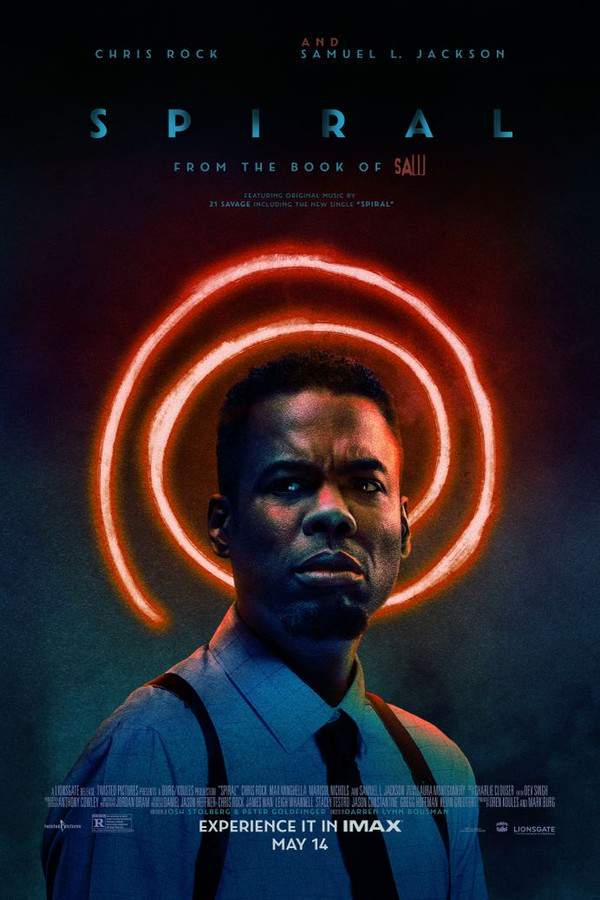
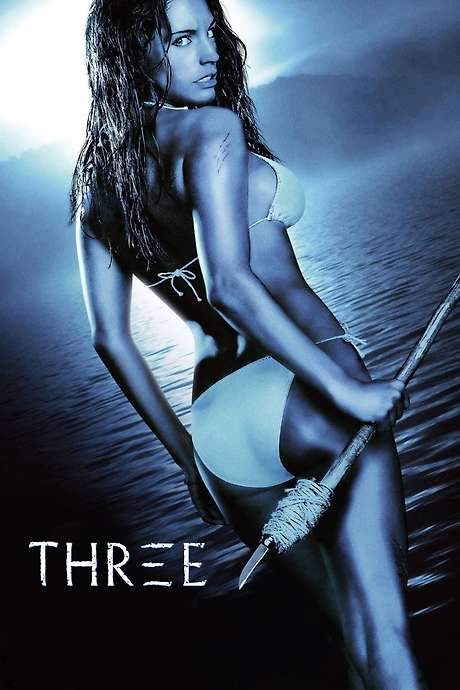
Violent Time Loop Movies like Blood Punch
Characters stuck in bloody, inescapable loops of violence and fate.If you enjoyed the cyclical chaos of Blood Punch, explore more movies where characters are trapped in violent time loops. These films combine psychological thrillers with dark sci-fi or horror elements, creating tense, puzzle-like narratives about fate, free will, and inescapable violence.
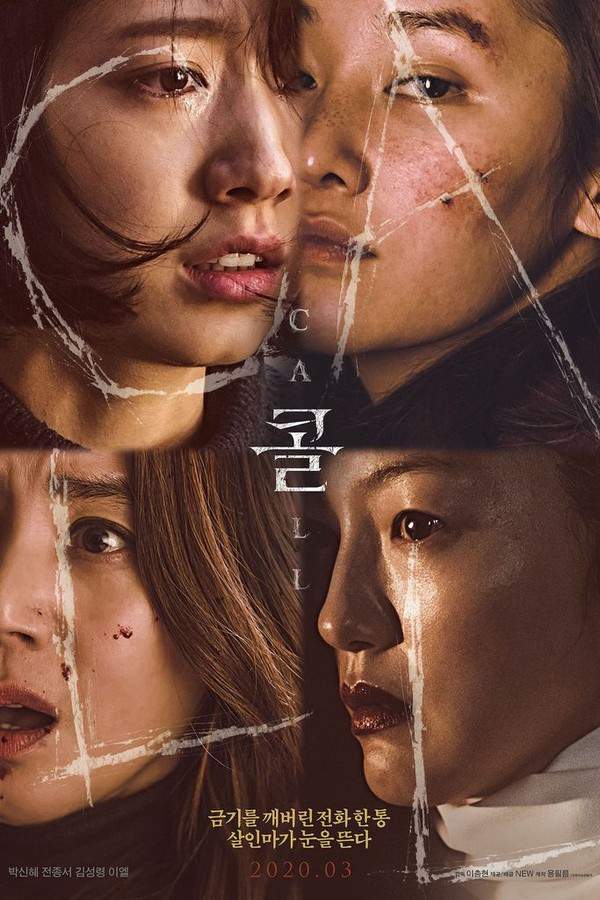
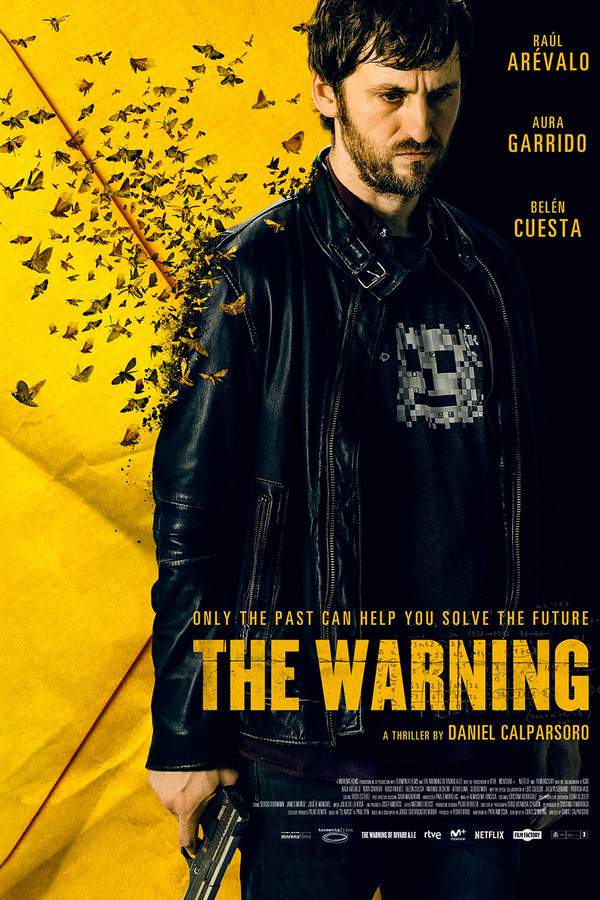
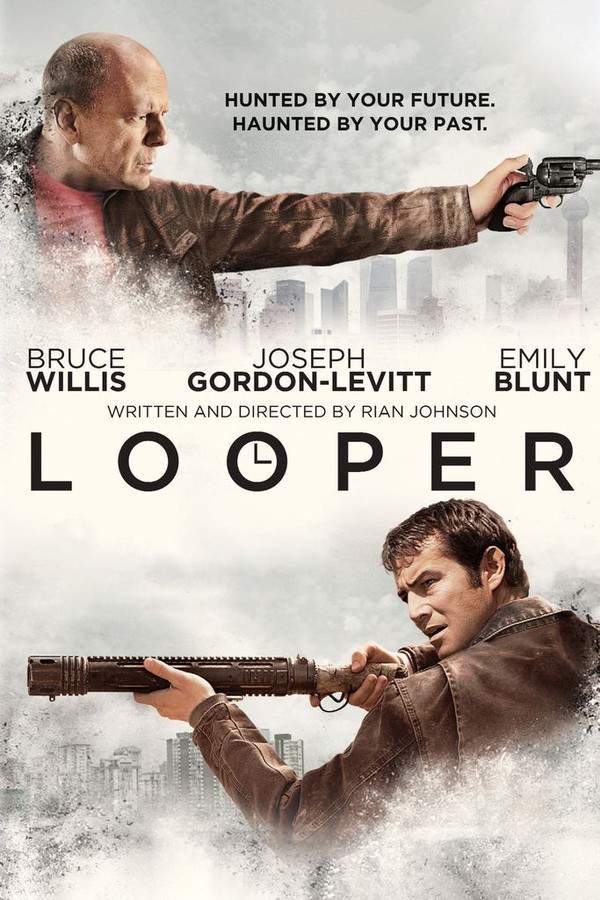
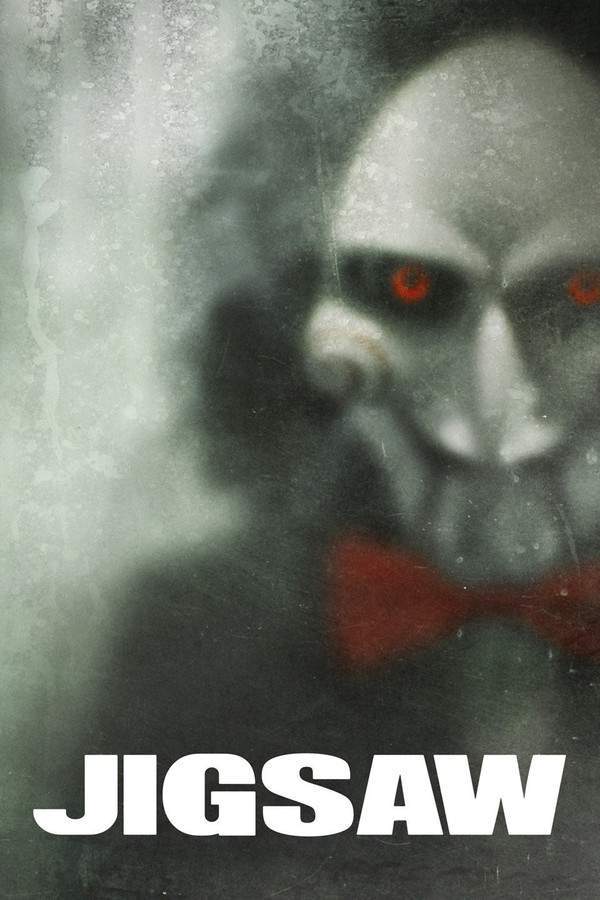




Narrative Summary
The narrative follows a loop structure where characters are forced to repeat a violent sequence of events. Progress is measured by uncovering the rules of the loop and attempting to break the cycle, often leading to existential dread and a fatalistic atmosphere as each reset returns them to the same grim starting point.
Why These Movies?
These films are grouped by their core mechanic of a time loop focused on violence and high-stakes conflict. They share a dark tone, high intensity, and a complex narrative structure that challenges both the characters and the audience to solve a deadly puzzle.
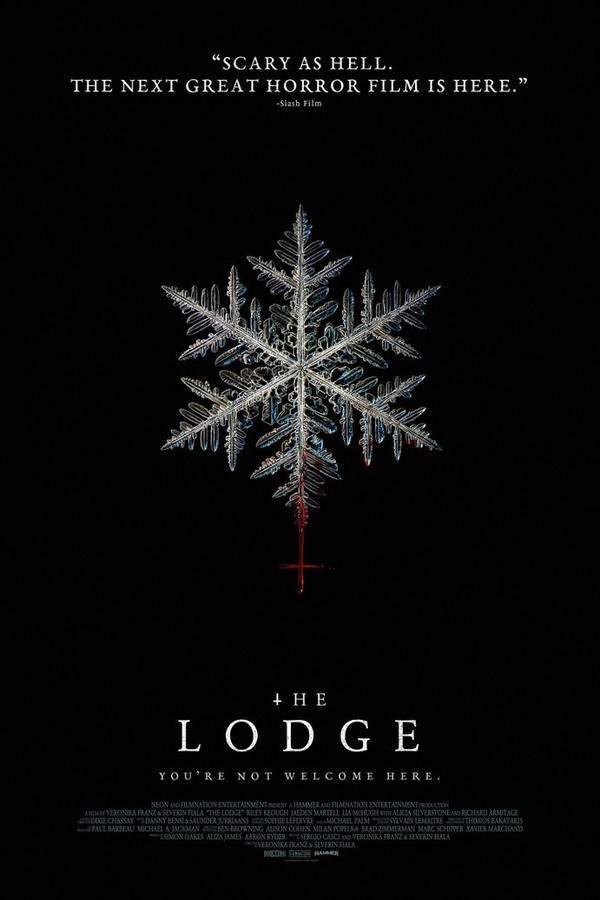
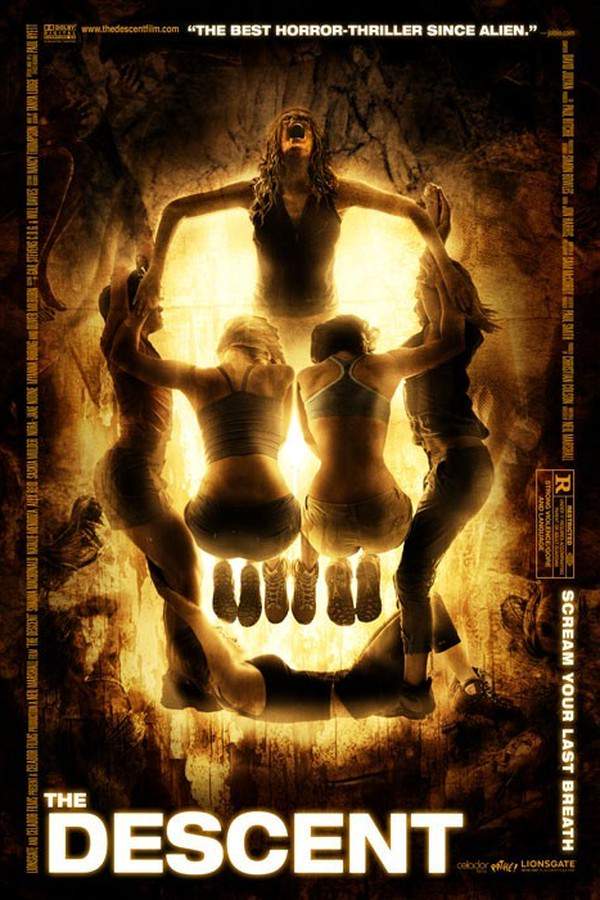
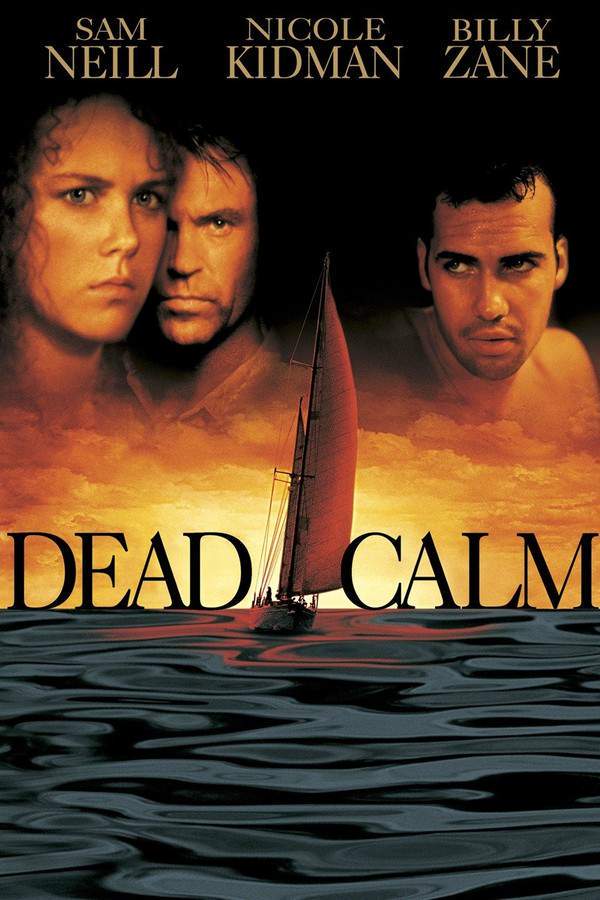
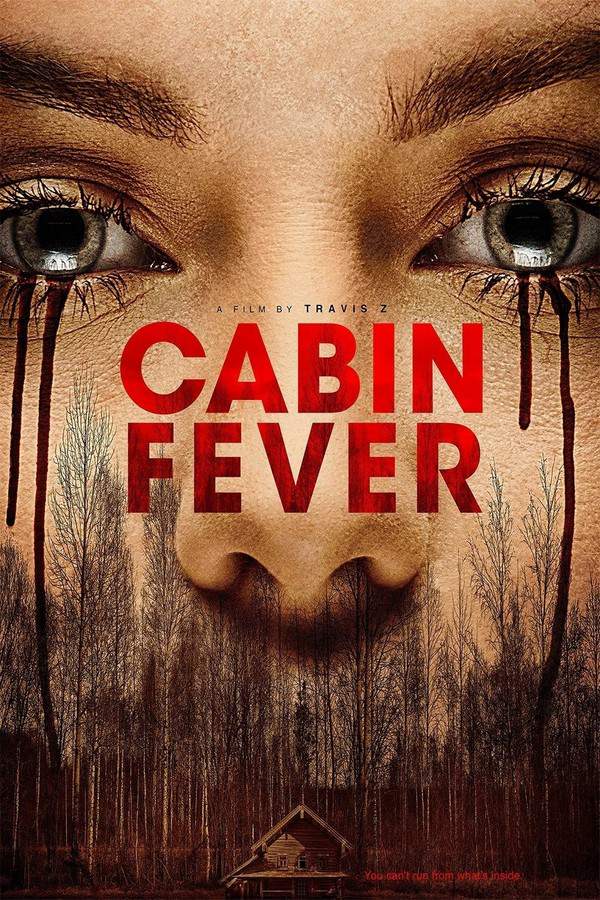
Claustrophobic Thrillers in Remote Locations like Blood Punch
High-tension thrillers where isolated locations become pressure cookers for violence.Fans of the remote cabin setting in Blood Punch will enjoy these similarly claustrophobic thrillers. These movies use isolation to amplify tension, trapping characters in close quarters where toxic relationships and dark secrets lead to violent, chaotic outcomes.


Narrative Summary
The narrative unfolds in a single, remote location that physically and psychologically traps the characters. Conflict arises from forced proximity, hidden agendas, and the breakdown of trust, often culminating in a violent confrontation where there is nowhere to run and no outside help.
Why These Movies?
These movies are united by their oppressive, isolated settings that serve as a catalyst for tension. They share a fast pace, high intensity, and a dark tone focused on the volatile dynamics of small groups pushed to their breaking point.
Unlock the Full Story of Blood Punch
Don't stop at just watching - explore Blood Punch in full detail. From the complete plot summary and scene-by-scene timeline to character breakdowns, thematic analysis, and a deep dive into the ending - every page helps you truly understand what Blood Punch is all about. Plus, discover what's next after the movie.
Blood Punch Timeline
Track the full timeline of Blood Punch with every major event arranged chronologically. Perfect for decoding non-linear storytelling, flashbacks, or parallel narratives with a clear scene-by-scene breakdown.

Characters, Settings & Themes in Blood Punch
Discover the characters, locations, and core themes that shape Blood Punch. Get insights into symbolic elements, setting significance, and deeper narrative meaning - ideal for thematic analysis and movie breakdowns.


