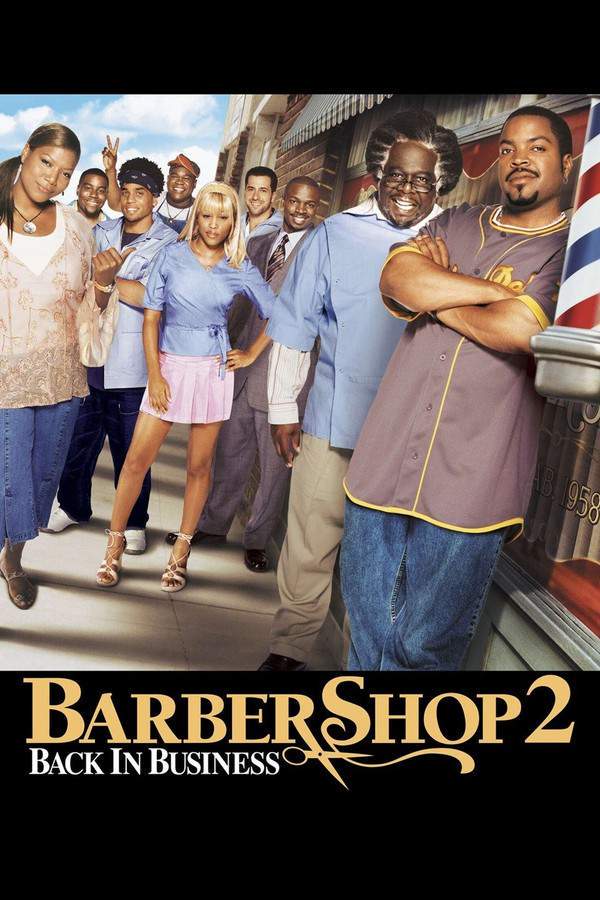
Calvin Palmer Jr. and his barbershop team in Chicago face a new wave of challenges as he reopens the business. Personal struggles and workplace conflicts arise, complicated by the arrival of a trendy rival shop, Nappy Cutz. As Calvin works to maintain his barbershop’s identity, he also witnesses the changing landscape of his community, threatened by gentrification. He must find a way to preserve the shop’s unique spirit amidst these evolving circumstances.
Find where to stream, rent, or buy Barbershop 2: Back in Business (2004) in the US with current JustWatch availability, up-to-date pricing, and platform listings for subscription, rental, and digital purchase options.
Warning: spoilers below!
Haven’t seen Barbershop 2: Back in Business yet? This summary contains major spoilers. Bookmark the page, watch the movie, and come back for the full breakdown. If you're ready, scroll on and relive the story!
Read the complete plot breakdown of Barbershop 2: Back in Business (2004), including all key story events, major twists, and the ending explained in detail. Discover what really happened, and what it all means.
Since the previous film’s events, Calvin Palmer, Jr. (Ice Cube) has confidently embraced his position as the owner of his grandfather’s and father’s barbershop in the inner city. However, a new challenge arises when Quentin Leroux (Harry Lennix), an aggressive developer, launches a competing barbershop chain called Nappy Cutz across the street. This flashy establishment boasts extravagant features like complimentary wine upon entry, an aquarium floor teeming with live fish, and staff dressed in bikinis, positioning itself as a serious threat to Calvin’s business and claiming that Calvin’s barbershop will fail within seven months due to their superior service.
Calvin’s wife offers him wise counsel, urging him not to panic over the rumors surrounding Nappy Cutz’s amenities. Meanwhile, Calvin grapples with internal issues at his barbershop. Isaac (Troy Garity), the only white barber, has found newfound fame but feels underappreciated, asserting his star status by branding his customers with a signature “I”. On the other hand, Terri (Eve) is progressing in managing her temper but struggles with her growing feelings for Ricky (Michael Ealy). Concurrently, Jimmy (Sean Patrick Thomas) has left the shop to work for local alderman Lalowe Brown (Robert Wisdom), while Calvin’s cousin Kenard (Kenan Thompson), fresh out of barber school, proves unable to meet customer expectations.
Calvin is encouraged to sell his barbershop to a Cineplex developer; however, he stands firm against these overtures. To enhance his shop’s appeal, he organizes a barbecue for patrons and establishes new customer interaction rules. This adjustment reveals that Eddie, another barber, has been exempt from paying booth rent, further complicating dynamics at the shop.
Curiosity drives the crew to sneak into Nappy Cutz, where they discover the upscale furnishings and facilities, including a basketball court. As the rivalry escalates, Calvin opts to remodel his shop with modern decor and improved amenities. Despite setbacks, such as Kenard’s mishap during a televised haircut for Alderman Brown, Calvin stays resolute against selling.
The looming threat of gentrification becomes clear when Calvin receives a lucrative offer in exchange for supporting the city’s pro-gentrification legislation, which would significantly impact the livelihood of the entire community. As tensions rise, Eddie reflects on his past, recalling the chaos following Martin Luther King Jr.’s assassination and his personal journey, which draws him closer to Calvin.
In a twist of fate, Calvin’s ex-girlfriend Gina (Queen Latifah), who manages the beauty shop next door, adds another layer of complexity with her ongoing conflict with Eddie. However, in a moment of clarity, Calvin chooses not to accept the bribe and fervently advocates against the detrimental plans for his neighborhood at a city council meeting. Despite his impassioned plea about the potential damage to the community, the council still approves the legislation.
Throughout this tumultuous journey, Terri and Ricky embrace their feelings for each other, while Isaac makes his way back to Calvin’s shop after leaving Nappy Cutz. Although the community faces the consequences of gentrification, their loyalty towards Calvin’s barbershop remains steadfast, highlighting the strong bonds that hold the neighborhood together.
Last updated: November 02, 2024 at 11:57
Explore frequently asked questions about Barbershop 2: Back in Business (2004) with spoiler-rich answers covering the full plot summary, major story beats, character motivations, hidden details, and ending meaning. This movie summary FAQ helps explain confusing scenes, plot twists, and narrative decisions in clear, searchable detail.
Nappy Cutz threatens Calvin's shop because it offers luxurious amenities like complimentary wine, an aquarium floor, and staff dressed in bikinis, features that starkly contrast with Calvin's modest establishment. Developer Quentin Leroux confidently claims Calvin's shop will fail within seven months due to their superior service and flashy presentation. The contrast attracts customers seeking a premium experience, putting significant financial pressure on the traditional barbershop.
The threat is established early when Nappy Cutz opens across the street with extravagant features designed to attract customers away from Calvin's shop.
Calvin refuses the bribe because accepting it would mean supporting pro-gentrification legislation that would destroy the entire community's livelihood, not just his business. Though the offer is lucrative, his connection to the neighborhood and its people runs deep, his grandfather and father built the barbershop there, and he believes selling out would betray that legacy. His impassioned speech at the city council reflects his commitment to preserving the community's identity and way of life.
Earlier, Calvin's wife advises him not to panic over Nappy Cutz's amenities, showing his tendency to stay grounded despite external pressures.
Despite Calvin's impassioned plea against the pro-gentrification legislation at the city council meeting, the council still approves the legislation, dealing a blow to the community. However, the barbershop survives because of the community's unwavering loyalty to Calvin's business. The outcome is bittersweet, the legislation passes causing real damage to the neighborhood, but Calvin's shop endures thanks to the strong bonds within the community.
The threat of gentrification looms throughout the film as Calvin receives offers from developers, building tension toward this pivotal council vote.
The summary mentions that during Calvin's establishment of new customer interaction rules, it is revealed that Eddie has been exempt from paying booth rent. This discovery adds complexity to the shop's internal dynamics and creates tension among the barbers. The exact reason for Eddie's exemption is not detailed in the provided summary, but it appears to be a long-standing arrangement that becomes a point of contention when Calvin implements new shop policies.
This detail surfaces during Calvin's efforts to modernize shop management and improve customer relations.
Isaac, the only white barber at Calvin's shop, has gained significant fame and popularity, even branding his customers with a signature 'I' to mark his work. Despite this recognition, he feels underappreciated by the rest of the team. His assertion of star status creates tension in the barbershop, leading him to eventually leave for Nappy Cutz before ultimately returning. The conflict stems from a mismatch between his growing ego and the collaborative environment of the traditional barbershop.
Isaac's fame and his branding of customers with an 'I' sets up his internal conflict about recognition and belonging.
Jimmy leaves the barbershop to accept a position working for local alderman Lalowe Brown. This career move represents a significant change in his life path, taking him away from the barbershop environment. The departure affects the team's dynamics and removes one of the regular barbers from Calvin's shop, contributing to the challenges Calvin faces during this turbulent period.
Jimmy's decision to leave comes at a time when the shop is already dealing with multiple pressures from competition and internal issues.
Throughout the film, Terri works on managing her temper while secretly grappling with growing romantic feelings for Ricky. Her internal struggle to control her emotions adds complexity to her character arc. Eventually, Terri and Ricky embrace their feelings for each other, resulting in a romantic relationship developing between them as one of the film's secondary storylines.
Terri's struggle with her temper is established early, and her feelings for Ricky are hinted at as the story progresses.
Curiosity drives Calvin and his crew to sneak into Nappy Cutz to see firsthand what all the hype is about. They discover an upscale establishment with extravagant furnishings and facilities, including a basketball court, a far cry from Calvin's modest shop. This reconnaissance mission underscores the stark contrast between the two businesses and motivates Calvin to respond by remodeling his own shop with modern decor and improved amenities to better compete.
The visit happens after Calvin's wife advises him not to panic over Nappy Cutz's rumors, but curiosity prevails.
Kenard, Calvin's cousin who has just graduated from barber school, proves unable to meet customer expectations at the shop. His lack of experience and skill creates challenges for Calvin, who must balance maintaining high standards with family loyalty. Kenard's struggles add pressure to Calvin's plate as he tries to run a quality barbershop while facing external competition from Nappy Cutz.
Kenard's arrival as a new barber is introduced early as a source of internal challenge for Calvin.
Eddie reflects on the chaos that followed Martin Luther King Jr.'s assassination, bringing historical context to the current struggles of the community. This reflection connects the present-day gentrification threat to the neighborhood's painful history of racial tension and displacement. Eddie's personal journey through that turbulent time draws him closer to Calvin, strengthening their bond as they face external threats together.
This reflection occurs as the gentrification threat intensifies, linking past community struggles with present challenges.
Calvin's wife offers him wise counsel during the Nappy Cutz crisis, urging him not to panic over the rumors and flashy amenities of the competing shop. Her advice serves as a guiding light, helping Calvin stay grounded amidst the intense competition. Her support represents the stabilizing influence in Calvin's life as he navigates business challenges and community threats.
This advice comes early in the conflict, setting the tone for how Calvin should approach the rivalry.
Discover curated groups of movies connected by mood, themes, and story style. Browse collections built around emotion, atmosphere, and narrative focus to easily find films that match what you feel like watching right now.
Stories where local shops become battlegrounds for community and identity.If you liked the community spirit and small-business struggles in Barbershop 2: Back in Business, explore these movies. This thread gathers films where a local shop is more than just a business—it's a home for relatable characters, witty banter, and a fight to preserve identity against modern challenges.
The narrative follows a small business owner and their ensemble staff as they confront a significant threat to their livelihood, often from a larger, more impersonal force. While the central conflict provides stakes, the story is equally driven by the interpersonal dynamics, comedic moments, and personal growth of the characters who work there, culminating in a resolution that reaffirms the value of community.
Movies are grouped here for their shared focus on a small business as a central character, their blend of workplace comedy with genuine emotional stakes, and their ultimately hopeful tone that champions community loyalty over pure commercial success.
Stories where community triumphs are tinged with the cost of progress.Fans of Barbershop 2: Back in Business will appreciate these movies that explore the bittersweet reality of city life. This collection features stories where neighborhoods change, communities band together, and victories are heartfelt but imperfect, blending hope with a touch of melancholy for what's lost.
The narrative pattern involves a tight-knit community or individual facing the external pressure of urban change. The story explores the frustration and nostalgia associated with a disappearing landscape, building towards a climax where a partial victory is achieved—often saving a symbolic place or relationship—but the larger forces of change continue, resulting in an ending that is uplifting yet realistically somber.
These movies share a specific emotional mix: a hopeful and determined tone undercut by the frustrations of modern urban life, a steady pacing that allows for character development, and a bittersweet ending feel that reflects the complex nature of progress and community preservation.
Don't stop at just watching - explore Barbershop 2: Back in Business in full detail. From the complete plot summary and scene-by-scene timeline to character breakdowns, thematic analysis, and a deep dive into the ending - every page helps you truly understand what Barbershop 2: Back in Business is all about. Plus, discover what's next after the movie.
Track the full timeline of Barbershop 2: Back in Business with every major event arranged chronologically. Perfect for decoding non-linear storytelling, flashbacks, or parallel narratives with a clear scene-by-scene breakdown.
Discover the characters, locations, and core themes that shape Barbershop 2: Back in Business. Get insights into symbolic elements, setting significance, and deeper narrative meaning - ideal for thematic analysis and movie breakdowns.
Discover movies like Barbershop 2: Back in Business that share similar genres, themes, and storytelling elements. Whether you’re drawn to the atmosphere, character arcs, or plot structure, these curated recommendations will help you explore more films you’ll love.
Barbershop 2: Back in Business (2004) Scene-by-Scene Movie Timeline
Barbershop 2: Back in Business (2004) Movie Characters, Themes & Settings
Barbershop 2: Back in Business (2004) Spoiler-Free Summary & Key Flow
Movies Like Barbershop 2: Back in Business – Similar Titles You’ll Enjoy
Grown Ups 2 (2013) Spoiler-Packed Plot Recap
Anchorman 2: The Legend Continues (2013) Spoiler-Packed Plot Recap
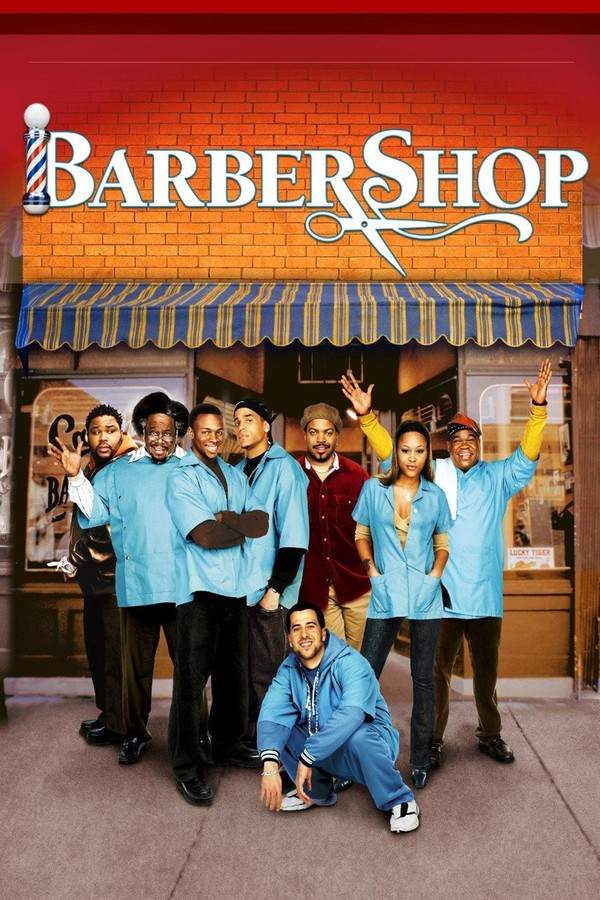
Barbershop (2002) Full Movie Breakdown
Beauty Shop (2005) Full Movie Breakdown
Caddyshack II (1988) Film Overview & Timeline
Horrible Bosses 2 (2014) Full Movie Breakdown
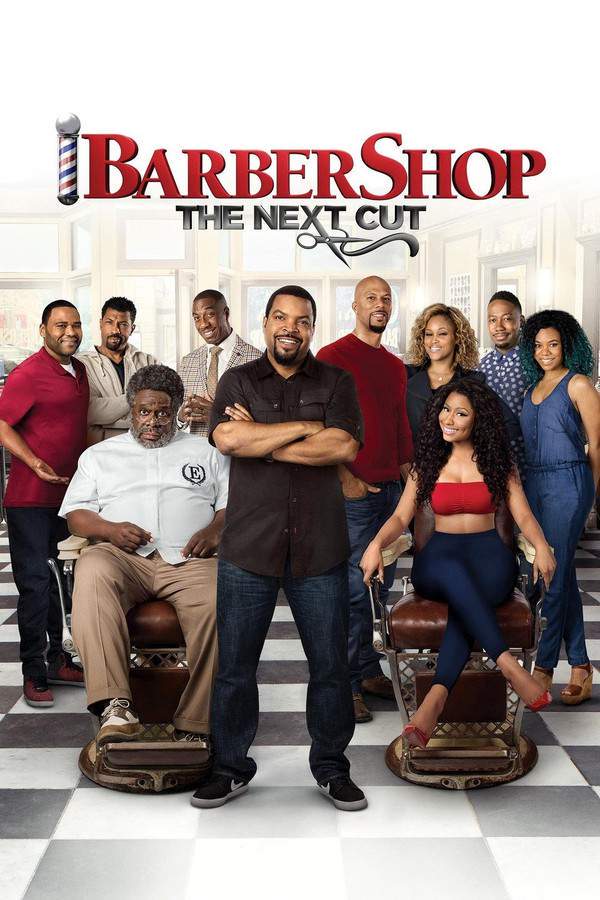
Barbershop: The Next Cut (2016) Full Summary & Key Details
Bar Fight! (2022) Story Summary & Characters
I Got the Hook Up 2 (2019) Story Summary & Characters
Good Burger 2 (2023) Film Overview & Timeline
Happy Gilmore 2 (2025) Plot Summary & Ending Explained
Benchwarmers 2: Breaking Balls (2019) Spoiler-Packed Plot Recap
Joe’s Bed-Stuy Barbershop: We Cut Heads (1983) Movie Recap & Themes
The Barber Shop (1933) Story Summary & Characters
Nora’s Hair Salon II: A Cut Above (2008) Full Movie Breakdown