Plot Explained Spoilers guaranteed!
Plot Explained

Browse by genre

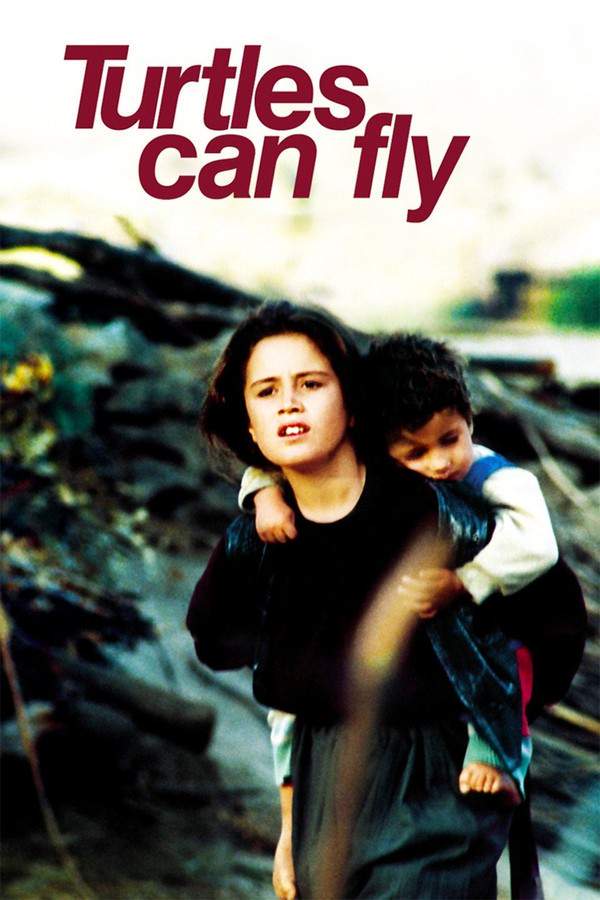
Turtles Can Fly (2005) movie poster

Characters & Themes

Turtles Can Fly (2005) Characters, Setting & Themes Explained

Release, runtime and language
2005 · 98 min · Kurdish
Directed by
Bahman Ghobadi
Starring
Avaz Latif, Soran Ebrahim

Amidst the looming shadow of the Iraq War, this drama portrays the lives of children in Kurdistan facing displacement and hardship. They navigate a world shaped by conflict, where hope is scarce and the impact of war weighs heavily on their young lives. The film offers a poignant look at resilience and the enduring spirit of those affected by devastating circumstances.

On this page (7)
  1. 1 Characters explained (4)
  2. 2 Where & when it takes place
  3. 3 Themes & meaning (3)
  4. 4 Character & meaning questions
  5. 5 Movie threads
  6. 6 Movies like Turtles Can Fly
  7. 7 Every angle

4 main characters · contains spoilers

Turtles Can Fly Characters Explained: Who Is Who

The main characters of Turtles Can Fly (2005), heroes and villains: what drives them, how they change over the course of the story and what each of them reveals about the film's bigger ideas.

  • Kak Satellite (Soran Ebrahim)

    Kak Satellite is a thirteen-year-old boy who exhibits charisma and manipulation skills, leading other children in a hazardous life amidst war. He thrives in his role, installing satellite dishes to gain information about the unfolding conflict. His journey reveals a complex interplay of leadership, resourcefulness, and the heavy burden of witnessing suffering.

    • 👦 Youth
    • 🌠 Leader
  • Agrin

    Agrin is a deeply troubled girl grappling with the traumatic memories of her past. Tied to her brother's misfortunes, she struggles with guilt and a sense of burden, particularly regarding her care for the blind toddler, Riga. Her character represents the fragile nature of hope and the heartbreaking choices that stem from inner turmoil.

    • 👧 Trauma
    • 🍼 Motherhood
  • Hengov

    Hengov is Agrin’s disabled brother, burdened by clairvoyance that isolates him from others. His character provides a mirror to the family's struggles, as he faces physical limitations while seeking to protect those he loves. Hengov’s tragic journey culminates in the heartbreaking loss of his family members.

    • 👨‍🦽 Vulnerability
    • 💭 Visionary
  • Riga

    Riga is the blind toddler cared for by Agrin and Hengov, representing both innocence and the heavy weight of trauma. His existence is a painful reminder for Agrin, encapsulating the complex dynamics of love, guilt, and hope in the face of despair.

    • 👶 Innocence
    • 💔 Burden

Last updated: October 22, 2024 at 21:42

Was this helpful?

Setting

Where and When Does Turtles Can Fly Take Place?

The setting of Turtles Can Fly (2005): the year and time period, the places and locations, and how they shape the characters, the mood and the tension of the story.

Time period

Pre-US invasion of Iraq

The film is set just before the US invasion of Iraq, a period marked by political tension and social upheaval. This time frame amplifies the challenges faced by the characters as they cope with war, oppression, and the fragile nature of hope amidst adversity.

Location

Kurdish refugee camp

The story takes place in a Kurdish refugee camp located on the Iraq–Turkey border, characterized by its temporary shelters and a community of displaced individuals. This camp serves as a haven for those fleeing conflict, where inhabitants navigate the daily struggles of survival amidst uncertainty and despair.

  • 🏕️ Refugee Camp
  • 🌍 Iraq-Turkey Border

Last updated: October 22, 2024 at 21:42

Was this helpful?

3 major themes

Turtles Can Fly Meaning: Themes & Message Explained

What is Turtles Can Fly (2005) really about? The emotional, social and philosophical themes the film keeps returning to, its symbolism and the message beneath the surface.

  • Trauma

    Trauma permeates the narrative as characters confront the haunting consequences of war and violence. Agrin's backstory illustrates the devastating impact of her experiences, shaping her relationship with her child, Riga. The theme emphasizes the lingering effects of trauma on individuals and their struggle for healing.

  • Hope and Despair

    Hope and despair coexist profoundly within the refugee camp, shifting with the characters' situations. Kak Satellite embodies a flicker of hope as he gathers children to clear minefields, yet the persistent suffering and loss darken this hope, culminating in tragic consequences that challenge the possibility of a brighter future.

  • Survival

    Survival is a central theme, manifesting in the resourcefulness of Kak Satellite and the desperate choices made by Agrin. The characters navigate perilous conditions and moral dilemmas, emphasizing the lengths to which they go for their well-being and the safety of their loved ones.

Last updated: October 22, 2024 at 21:42

Was this helpful?

Character & theme questions

Turtles Can Fly Characters & Meaning: Your Questions Answered

The questions people ask about Turtles Can Fly (2005): who the characters really are, their relationships, what the symbols mean, where it takes place and what the movie is really about. Each answer contains spoilers.

Q1

Where is the movie set?

The story takes place in a Kurdish refugee camp on the Iraq-Turkey border. This temporary settlement serves as a haven for displaced individuals fleeing conflict, characterized by makeshift shelters and a community struggling with daily survival amid uncertainty and despair.

  • kurdish refugee camp
  • iraq-turkey border
  • setting
  • location
Q2

When does the story take place?

The film is set just before the US invasion of Iraq in 2003. This period was marked by intense political tension and social upheaval, which amplifies the challenges faced by the characters as they cope with war, oppression, and the fragile nature of hope amidst looming conflict.

  • pre-iraq invasion
  • time period
  • 2003
  • kurdish refugees
Q3

What are the main themes of the film?

The film explores three interconnected themes: trauma, hope and despair, and survival. Trauma permeates the narrative as characters confront the haunting consequences of war and violence. Hope and despair coexist within the refugee camp, shifting with the characters' circumstances. Survival manifests through the resourcefulness of characters like Kak Satellite and the desperate choices they make in perilous conditions.

  • themes
  • trauma
  • hope
  • despair
  • survival
  • war
  • iraq war
Q4

Who is Kak Satellite?

Kak Satellite is a thirteen-year-old boy who leads other children in a hazardous life amidst war. He is charismatic and manipulative, installing satellite dishes to gather information about the unfolding conflict. His character embodies leadership and resourcefulness, though he carries the heavy burden of witnessing suffering.

  • kak satellite
  • soran ebrahim
  • main character
  • leader
  • kurdish boy
Q5

Who is Agrin and what is her story?

Agrin is a deeply troubled girl grappling with traumatic memories of her past. She struggles with guilt tied to her brother's misfortunes and bears the heavy responsibility of caring for the blind toddler, Riga. Her character represents the fragile nature of hope and the heartbreaking choices that stem from inner turmoil in the face of war.

  • agrin
  • character
  • trauma
  • blind child
  • riga
Q6

Who is Riga?

Riga is a blind toddler cared for by Agrin and Hengov. He represents both innocence and the heavy weight of trauma that passes through generations of war-affected families. His existence serves as a painful reminder for Agrin, encapsulating the complex dynamics of love, guilt, and hope in the face of despair.

  • riga
  • blind toddler
  • innocence
  • trauma
  • child
Q7

Who is Hengov and what happens to him?

Hengov is Agrin's disabled brother, burdened by clairvoyance that isolates him from others. His character provides a mirror to the family's struggles as he faces physical limitations while seeking to protect those he loves. His tragic journey culminates in the heartbreaking loss of family members.

  • hengov
  • brother
  • disabled
  • clairvoyant
  • family
Q8

What does the film say about hope?

The film presents hope and despair as deeply intertwined in the refugee camp. Kak Satellite embodies a flicker of hope as he gathers children to clear minefields, yet persistent suffering and loss darken this hope. The story challenges the possibility of a brighter future, culminating in tragic consequences that question whether hope can survive such relentless hardship.

  • hope
  • despair
  • optimism
  • tragedy
  • kak satellite
  • landmines
Q9

How does the film depict trauma?

Trauma is pervasive throughout the narrative, with characters confronting the haunting consequences of war and violence. Agrin's backstory illustrates the devastating impact of her experiences, shaping her relationship with her child, Riga. The film emphasizes the lingering psychological effects on individuals and their struggle for healing in an environment that offers no respite.

  • trauma
  • war trauma
  • psychological
  • children
  • iraq war effect
Q10

What is life like in the refugee camp depicted in the film?

Life in the Kurdish refugee camp is characterized by daily struggles for survival amid uncertainty and despair. The community consists of displaced individuals who have fled conflict, living in temporary shelters. The film depicts the harsh realities of refugee life, including the constant threat of violence, lack of resources, and the desperate measures families take to protect their children.

  • refugee camp
  • displaced
  • kurdish
  • survival
  • poverty
  • hardship

Movie threads

More Movies Like Turtles Can Fly, by Mood & Story

Curated lists built around what makes Turtles Can Fly tick: the same mood, the same kind of story or the same emotional payoff. Each list explains why these movies belong together.

Movies about children in war like Turtles Can Fly

Unflinching stories about the profound trauma and loss of innocence suffered by children in conflict zones. For viewers seeking more movies like Turtles Can Fly, this section features powerful dramas that explore the impact of war on children. These films share a similar heavy emotional weight and bleak tone, focusing on themes of survival, trauma, and the loss of innocence in conflict zones.

  • harrowing
  • traumatic
  • bleak
  • oppressive
  • somber
  • despairing
  • Tone: bleak, harrowing
  • Pacing: steady, methodical
Why these movies?

The story pattern: Narratives in this thread typically follow children or a group of children as their world is irrevocably shattered by war. The journey is one of disillusionment, moving from a semblance of normalcy into a harsh reality of survival, often culminating in tragic losses and a profound, lingering sense of despair without redemption.

Why they belong together: These films are grouped together because they share a specific thematic focus on the cost of war paid by children. The connection is forged through their intense, heavy emotional weight, consistently bleak tone, and a commitment to portraying the traumatic psychological impact rather than glorifying combat.


Bleak and hopeless movies like Turtles Can Fly

Stories that offer no respite or hopeful resolution, culminating in profound tragedy. If you appreciated the unflinching pessimism and tragic ending of Turtles Can Fly, this collection features similar films with bleak tones and sad endings. These movies share a steady pacing that builds towards despair, offering no redemption for their characters and leaving viewers with a heavy emotional impact.

  • bleak
  • hopeless
  • tragic
  • somber
  • melancholic
  • despairing
  • Tone: bleak, despairing, tragic
  • Pacing: steady, inevitable
Why these movies?

The story pattern: The narrative pattern is one of accumulating tragedy. Characters' efforts are ultimately futile against overwhelming forces, and the story arc concludes with devastating losses—such as death, suicide, or complete psychological breakdown—reinforcing a worldview devoid of hope or meaning.

Why they belong together: The coherence of this thread comes from a shared emotional destination: a profoundly sad and hopeless ending. The films are united by their bleak tone, heavy emotional weight, and a narrative structure that methodically eliminates any possibility of a positive outcome, creating a specific, challenging viewing experience.

If you liked this

Movies Like Turtles Can Fly

Similar movies to Turtles Can Fly: the same genre, themes or kind of story. Each one comes with its own plot summary, timeline and ending explained.

Browse all movie summaries

Every angle

Turtles Can Fly (2005) Explained: Plot, Timeline & Characters

Everything about Turtles Can Fly in one place: what happens in the plot summary, the timeline in chronological order, the characters and meaning and a spoiler-free summary. What's After the Movie adds the cast, box office and post-credit scenes.

Coming soon on iOS and Android

The Plot Explained Movie Summary App

Plot summaries, endings explained and timelines on your phone. Catch up on any movie in minutes, save your favorites and never miss a twist again.

Be the first to know when we launch. Your email stays private, always.

Learn more about the app