Plot Explained Spoilers guaranteed!
Plot Explained

Browse by genre

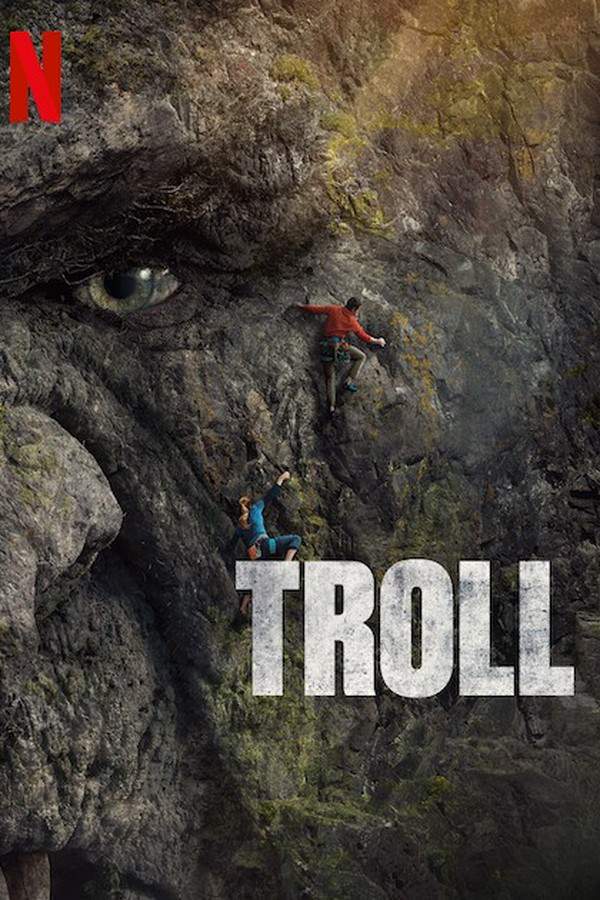
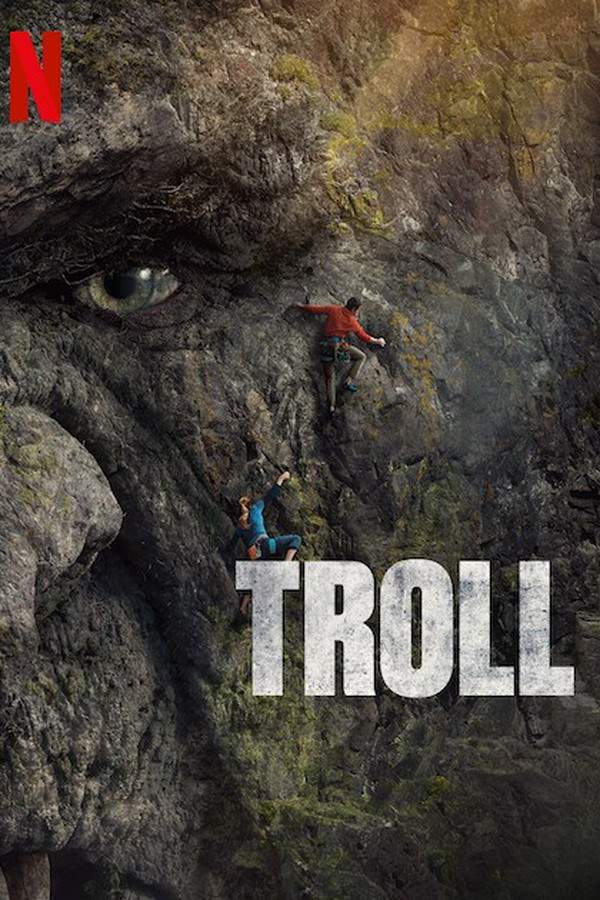
Troll (2022) movie poster

Ending Explained

Troll (2022) Ending Explained – Final Scene & Meaning

Release, runtime and language
2022 · 101 min · Norwegian
Echo score 59
Directed by
Roar Uthaug
Starring
Anneke von der Lippe, Gard B. Eidsvold, Fridtjov Såheim, Mads Sjøgård Pettersen, Bjarne Hjelde, Dennis Storhøi

Deep within the Dovre mountains, a colossal troll awakens after a millennium of sleep, unleashing chaos as it moves toward Oslo. A determined group embarks on a perilous journey to stop the creature, confronting a blend of ancient myth and modern reality as they face the escalating destruction.

On this page (6)
  1. 1 What happens at the end
  2. 2 Final events in order
  3. 3 Ending questions answered
  4. 4 Movie threads
  5. 5 Movies like Troll
  6. 6 Every angle

Ending explained · contains spoilers

What Happens at the End of Troll?

How Troll (2022) ends, what the final scene means, which earlier moments set it up and how to read the ending if the film leaves it open. The full ending explained, with every spoiler.

The ending of "Troll" reveals that the creature isn’t inherently evil but rather a misunderstood force of nature, driven by pain and loneliness. Nora, having learned the truth about the Troll, recognizes that it’s not a mindless monster but a creature in need of compassion. She persuades the military and her colleagues to turn off the artificial UV lights that harm the Troll and instead communicate with it, echoing her father’s earlier advice about believing with her heart. As she pleads for the Troll to be left alone and shown mercy, the creature begins to disintegrate under the sunlight, transforming into a colossal boulder in the heart of Oslo.

This act of mercy underscores the film’s message that humans often destroy what they don’t understand—a reflection of environmental destruction and the arrogance of technological hubris. Nora’s empathy highlights the importance of respecting nature’s unknown forces rather than fearing or destroying them. By allowing the Troll to return to its natural state, she effectively prevents a catastrophe and preserves a piece of Norway’s ancient folklore and wilderness. The mid-credit scene hints at the possibility of more trolls hiding in the mountains, suggesting that this encounter was just the beginning and leaving the door open for a potential sequel. Ultimately, the film urges viewers to “let the mountains live,” embracing coexistence with the natural world instead of domination or destruction.

The ending of "Troll" shows us that the creature isn’t truly malicious but rather a lonely, misunderstood part of nature. Nora, having come to understand the Troll’s pain and innocence, chooses compassion over violence. She persuades the military and her colleagues to stop using artificial UV light, which is hurting the creature, and instead appeals to its sense of mercy, just as her father once advised. As the sun rises, the Troll begins to burn and disintegrate into a huge boulder, signifying its return to the natural world. This act of mercy emphasizes the movie’s message about respecting nature’s mysteries instead of exploiting or destroying them out of fear or hubris.

The story underscores the importance of empathy and coexistence, illustrating that fear often leads to destruction, whereas understanding can lead to harmony. The mid-credits scene hints at more hidden trolls in the mountains, leaving the possibility that this is only the beginning of a larger story. Overall, the film ends on a note of hope, urging us to "let the mountains live," embracing a deeper respect for the natural world and its ancient mythologies.

The ending of "Troll" reveals that the creature isn’t inherently evil but a lonely force of nature seeking its home. Nora, understanding the Troll's pain and innocence, chooses compassion over fight, turning off the artificial UV lights that harm it. She then convinces the military to leave the creature alone and communicate with it from her heart. As she does, the Troll begins to burn away in the rising sunlight, transforming into a massive boulder in the middle of Oslo. This act reflects the movie’s core message: humans often destroy what they don’t understand, but kindness and empathy can help preserve the natural world.

The film closes with a hint of more trolls lurking in the mountains, suggesting this encounter was only the beginning. The final scene leaves viewers with a reminder to “let the mountains live,” advocating for respect and coexistence with nature rather than exploitation. The story ultimately emphasizes that understanding and compassion can turn fearsome monsters into part of the world's natural beauty and mythology, with the possibility of future confrontations hinted at in the scene after the credits.

The ending of "Troll" shows that the creature is not a malicious monster, but a misunderstood part of nature driven by loneliness and pain. Nora, having learned the truth about the Troll, recognizes its innocence and chooses empathy over destruction. She convinces the military to turn off the harmful artificial UV lights and appeals to the Troll to leave the city and return to its home. As the sunlight finally reaches the creature, it begins to disintegrate, transforming into a giant boulder in the middle of Oslo. This peaceful end highlights the film’s message that humans often destroy what they don't understand out of fear; instead, compassion and understanding can save both nature and ourselves.

The final scenes hint that more trolls could be hidden in the mountains, implying this was only a partial victory and leaving open the possibility of further encounters. The movie urges viewers to "let the mountains live"—to respect and coexist with the natural world, recognizing that sometimes, the greatest monsters are made by human arrogance and ignorance. The ending promotes a hopeful reminder that kindness and belief in the unknown can transform fear into harmony, hinting that nature’s mysteries are best preserved with empathy rather than violence. The scene after the credits teases that the story might not be over, leading viewers to wonder if more trolls remain in hiding, waiting to be rediscovered.
Last updated: June 25, 2025 at 09:00

Was this helpful?

The last 4 events

How Troll Ends: The Final Events in Order

The last events of Troll (2022) in chronological order, the run-up to the ending explained above. The complete timeline has all 14 events, scene by scene.

Open the full timeline
  1. Planning the Final Trap

    Nora and military soldier Kris formulate a plan using UV light from tanning beds to trap the troll. They coordinate with Andreas to delay the nuclear strike, stressing the importance of finding a non-lethal way to address the threat.

  2. The Lure with the Skull

    As part of their plan, they lure the troll with a skull, hoping to guide it into their trap. However, at the critical moment, Nora hesitates, torn between her desire to save the creature and the looming catastrophe.

  3. The Troll's Fate

    With the sun rising, the trap's mechanism is triggered, leading to the troll's devastating end. This moment leaves a heavy toll on Nora, who struggles with the repercussions of their actions against the mythical being.

    Where
    Oslo
  4. Aftermath and Reflection

    In the wake of the troll's passing, silence envelops Oslo, but a deep rumble is heard from the Dovre Mountains. This rumble leaves the characters and the audience with questions about the possibility of other trolls still lurking in the shadows.

    Where
    Dovre Mountains

Ending questions answered

Troll Ending: Your Questions Answered

The questions people ask most about the ending of Troll (2022): what the final scene means, how the twist works, what happens to each character and how to read the ending. Each answer contains spoilers.

Q1

Why does the troll turn into a boulder at the end?

The troll disintegrates under the natural sunlight after the UV lights are turned off, and its physical form transforms into a massive boulder in the heart of Oslo. This represents the creature returning to its natural state, essentially becoming part of the mountain and Norwegian landscape once more. The transformation symbolizes the troll's peaceful return to nature rather than a violent death.

Foreshadowing: Earlier scenes establish that trolls are creatures of stone and mountain, making this transformation a logical return to their origins.

  • troll transformation
  • boulder
  • sunlight
  • troll death
  • stone creature
Q2

How does Nora convince the military to stop attacking the troll?

Nora appeals to the military's sense of mercy and uses her newfound understanding of the troll's pain and loneliness. She argues that the creature is not malicious but misunderstood, and that destroying it would repeat the same mistake humans have always made, eliminating what they don't understand. Her emotional plea, combined with the creature's non-aggressive response to her communication, shifts the military's approach from attack to observation.

Foreshadowing: Nora's father's earlier advice about believing with her heart foreshadows her ability to connect with the creature beyond military protocol.

  • Nora
  • military
  • compassion
  • persuasion
  • empathy
Q3

What does the mid-credits scene mean?

The mid-credits scene shows another troll hidden in the Dovre mountains, implying that more of these creatures exist and this encounter was only the beginning. This serves as a setup for a potential sequel and reinforces the film's message that ancient mythological beings remain hidden in nature, waiting to be discovered, or misunderstood.

Foreshadowing: The film establishes early on that the awakened troll was not alone, setting up the possibility of additional creatures.

  • mid-credits
  • sequel
  • more trolls
  • mountain
  • ending hint
Q4

Is the troll actually evil in the movie?

No, the ending reveals the troll is not evil but a lonely, misunderstood force of nature driven by pain and disorientation after waking from a millennium of sleep. Its destructive path toward Oslo is not malice but confusion, it's simply trying to return home to the mountains. The creature only attacks when threatened or harmed, such as by the UV lights.

Foreshadowing: The troll's initial appearances show it destroying infrastructure but not actively hunting or killing people unless provoked.

  • troll motivation
  • not evil
  • misunderstood
  • nature
  • pain
Q5

What happens to Nora at the end of the movie?

Nora survives and successfully prevents the troll's destruction by convincing the military to stand down. She communicates with the creature from a place of empathy, fulfilling her father's advice about believing with her heart. While she achieves her goal of saving the creature, the victory is bittersweet, the troll disintegrates into a boulder rather than returning fully to its mountain home.

Foreshadowing: Nora's character arc throughout the film builds toward this moment of choosing compassion over her professional duty to stop the threat.

  • Nora survival
  • ending
  • protagonist
  • compassion
  • character fate
Q6

What does the boulder represent in the ending?

The boulder represents the troll's transformation back into an inert part of nature, a return to being part of the Norwegian landscape it once roamed. Rather than a corpse or a monument to victory, it becomes a living reminder of the creature's existence and the message that ancient mysteries should be respected rather than destroyed. It transforms the troll from a monster into a geological feature that belongs to the land.

Foreshadowing: The film repeatedly connects trolls to the mountains and stone, making this natural transformation feel like a homecoming.

  • boulder symbol
  • nature
  • transformation
  • mountain
  • symbolism
Q7

Why were the artificial UV lights turned off?

Nora persuades her colleagues and the military to turn off the artificial UV lights because they are harming the troll. The creature is vulnerable to UV light, and continuing to use it would kill or severely damage the creature. Turning off the lights is the first step toward peaceful communication and demonstrates Nora's shift from combat to compassion.

Foreshadowing: Earlier scenes establish that the UV lights cause visible pain and damage to the troll, making their eventual deactivation a logical turning point.

  • UV lights
  • military equipment
  • Nora decision
  • harm prevention
Q8

What is the movie's message about nature?

The film delivers a message that humans often destroy what they don't understand out of fear and hubris. The ending emphasizes coexistence rather than domination, respecting nature's mysteries instead of exploiting or destroying them. The final tagline "let the mountains live" advocates for preserving ancient natural wonders and mythological heritage rather than eliminating them with modern technology.

Foreshadowing: The troll's origin as a centuries-old creature and its connection to Norwegian folklore establishes nature's ancient wisdom versus human technological arrogance.

  • environmental message
  • nature
  • coexistence
  • respect
  • human arrogance
Q9

Is the troll dead at the end?

The troll ceases to exist in its living, moving form and transforms into an inert boulder in Oslo. Whether this constitutes "death" is ambiguous, the creature disintegrates under natural sunlight, suggesting its physical form returns to stone. Some may interpret this as death, while others see it as a transformation back to its original state as part of the mountain landscape.

Foreshadowing: The troll's vulnerability to sunlight was established throughout the film, making this outcome inevitable once the UV lights were disabled.

  • troll fate
  • death
  • boulder
  • transformation
  • sunlight

Movie threads

More Movies Like Troll, by Mood & Story

Curated lists built around what makes Troll tick: the same mood, the same kind of story or the same emotional payoff. Each list explains why these movies belong together.

Movies like Troll: Modern Crisis Against Mythical Threats

Stories where ancient creatures or forces wreak havoc on the contemporary world. If you enjoyed the high-stakes clash of ancient myth and modern reality in Troll, explore these movies where legendary creatures or primordial forces threaten contemporary society. These stories deliver epic destruction and tense survival scenarios, blending scientific inquiry with folklore.

  • epic
  • destructive
  • urgent
  • mysterious
  • anxious
  • large-scale
  • Tone: tense, destructive, epic
  • Pacing: fast, urgent
Why these movies?

The story pattern: These narratives typically unfold as a catastrophic discovery, followed by a race against time as the threat escalates. Characters often include scientists and officials grappling with an inexplicable phenomenon, leading to a final confrontation that questions humanity's place in the natural world.

Why they belong together: Movies in this thread share a core tension between the rational present and the mythical past. They feature high-intensity action, a tense and urgent tone, and explore themes of environmental consequence and humanity's hubris, creating a coherent vibe of epic, destructive wonder.

Bittersweet Monster Stories like Troll

Creature features where victory comes with a profound sense of loss and moral ambiguity. For viewers who appreciated the emotional complexity and bittersweet ending of Troll, this list features similar monster movies. These films go beyond simple destruction, exploring the tragedy of the creature's existence and the heavy cost of victory in stories like Troll.

  • bittersweet
  • tragic
  • tense
  • thought-provoking
  • melancholic
  • empathetic
  • Tone: tense, bittersweet, melancholic
  • Pacing: steady, character-driven
Why these movies?

The story pattern: The narrative pattern involves initially perceiving the creature as a pure threat, followed by revelations about its nature or origins that evoke sympathy. The final act forces a necessary but lamentable choice, resulting in a victory that is somber and morally weighted rather than triumphant.

Why they belong together: These films are grouped by their shared emotional arc—shifting from fear to a nuanced understanding of the monster. They consistently deliver a bittersweet ending feel and medium to heavy emotional weight, prioritizing poignant themes over pure spectacle.

If you liked this

Movies Like Troll

Similar movies to Troll: the same genre, themes or kind of story. Each one comes with its own plot summary, timeline and ending explained.

Browse all movie summaries

Every angle

Troll (2022) Explained: Plot, Ending, Timeline & Characters

Everything about Troll in one place: what happens in the plot summary, the timeline in chronological order, the characters and meaning, the ending explained and a spoiler-free summary. What's After the Movie adds the cast, box office and post-credit scenes.

Coming soon on iOS and Android

The Plot Explained Movie Summary App

Plot summaries, endings explained and timelines on your phone. Catch up on any movie in minutes, save your favorites and never miss a twist again.

Be the first to know when we launch. Your email stays private, always.

Learn more about the app