










Plot Explained Spoilers guaranteed!
Plot Explained

Browse by genre

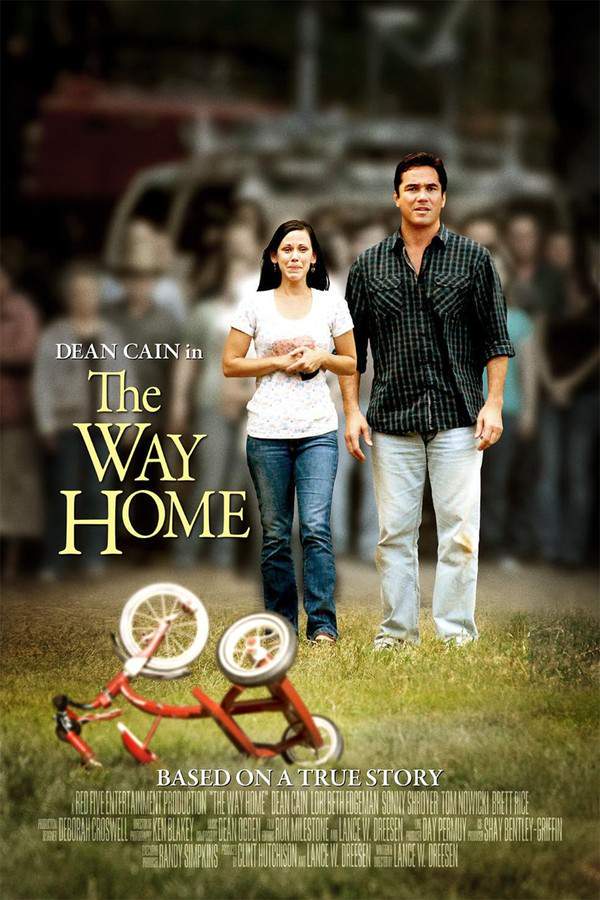
The Way Home (2002) movie poster

Characters & Themes

The Way Home (2002) Characters, Setting & Themes Explained

Release, runtime and language
2002 · 80 min · English
Directed by
Jeong-hyang Lee
Starring
Eul-boon Kim, Hyo-hee Dong, Seung-ho Yu

A close-knit rural community rallies to help a family searching for their lost two-year-old son. As the desperate search continues, long-held secrets surface, challenging the bonds of the community and testing the resilience of the family facing unimaginable heartbreak. The unfolding events reveal the true strength found in human connection amidst overwhelming uncertainty and the profound impact of loss.

On this page (8)
  1. 1 Where to watch
  2. 2 Characters explained (2)
  3. 3 Where & when it takes place
  4. 4 Themes & meaning (3)
  5. 5 Character & meaning questions
  6. 6 Movie threads
  7. 7 Movies like The Way Home
  8. 8 Every angle

Where to watch

Where to Watch The Way Home (2002)

Where can you watch The Way Home? Stream, rent or buy it in the US, including on Fawesome, Hoopla and The CW: current JustWatch availability with up-to-date prices.

Streaming availability powered by JustWatch

2 main characters · contains spoilers

The Way Home Characters Explained: Who Is Who

The main characters of The Way Home (2002), heroes and villains: what drives them, how they change over the course of the story and what each of them reveals about the film's bigger ideas.

  • Sang-woo (Seung-ho Yu)

    Sang-woo is a seven-year-old city boy initially portrayed as spoiled and rude towards his grandmother. His contempt for her rural lifestyle highlights his immaturity. However, through various experiences during his stay, he evolves, ultimately recognizing and valuing her love and sacrifices.

    • 👶 Child
    • 👎 Anger
  • Grandmother (Eul-boon Kim)

    The grandmother is a resilient 78-year-old woman who, despite her inability to speak, exhibits deep love and care for her grandson. Struggling with her own hardships yet remaining nurturing, she embodies selflessness and strength, ultimately becoming a pivotal figure in Sang-woo's emotional growth.

    • 👵 Elderly
    • 💖 Love

Last updated: October 22, 2024 at 20:02

Was this helpful?

Setting

Where and When Does The Way Home Take Place?

The setting of The Way Home (2002): the year and time period, the places and locations, and how they shape the characters, the mood and the tension of the story.

Time period

The story unfolds in contemporary South Korea, reflecting modern societal challenges and familial dynamics. It highlights the relationship between a city boy and his rural grandmother during a summer visit, capturing timeless themes of growth and understanding across generations.

Location

Quaint Korean village, Countryside

The film is set in a quaint Korean village, characterized by its simplicity and natural beauty. The rural landscape is marked by modest homes, farming fields, and a close-knit community. This serene environment starkly contrasts with the urban life Sang-woo is accustomed to, emphasizing the cultural and generational divide.

  • 🏡 Village
  • 🌾 Countryside

Last updated: October 22, 2024 at 20:02

Was this helpful?

3 major themes

The Way Home Meaning: Themes & Message Explained

What is The Way Home (2002) really about? The emotional, social and philosophical themes the film keeps returning to, its symbolism and the message beneath the surface.

  • Family

    Family bonds and unconditional love are central themes in the movie. As Sang-woo navigates his resentment towards his grandmother, he gradually learns to appreciate her sacrifices and kindness. The film poignantly illustrates how familial relationships can evolve through understanding and shared experiences.

  • Isolation

    The theme of isolation is evident in both Sang-woo's initial rejection of his grandmother and her own loneliness due to her old age and mute condition. This isolation is challenged as they slowly begin to connect, prompting reflections on empathy and human connection despite differences.

  • Growth

    Personal growth is a prominent theme as Sang-woo transitions from indifference to affection for his grandmother. His experiences in the village teach him important lessons about compassion, responsibility, and the value of relationships, marking a significant change in his character by the end of the film.

Last updated: October 22, 2024 at 20:02

Was this helpful?

Character & theme questions

The Way Home Characters & Meaning: Your Questions Answered

The questions people ask about The Way Home (2002): who the characters really are, their relationships, what the symbols mean, where it takes place and what the movie is really about. Each answer contains spoilers.

Q1

Where is The Way Home set?

The film takes place in a quaint Korean village in the countryside, characterized by modest homes, farming fields, and a close-knit rural community. This serene setting starkly contrasts with the urban environment that Sang-woo, the young city boy, is accustomed to living in.

  • korean village
  • rural setting
  • countryside
  • location
Q2

When does The Way Home take place?

The story unfolds in contemporary South Korea during a summer visit. It reflects modern societal challenges and familial dynamics while capturing timeless themes of growth and understanding across generations.

  • south korea
  • modern era
  • summer
  • contemporary
Q3

Who is the grandmother in The Way Home?

The grandmother is a resilient 78-year-old woman named Eul-boon Kim who cannot speak. Despite her mute condition and personal hardships, she demonstrates deep love and care for her grandson Sang-woo, embodying selflessness and strength throughout the film.

  • grandmother
  • eul-boon kim
  • mute
  • caregiver
Q4

Who is Sang-woo in The Way Home?

Sang-woo is a seven-year-old city boy played by Seung-ho Yu. Initially portrayed as spoiled and rude towards his grandmother, his contempt for her rural lifestyle highlights his immaturity. Through experiences in the village, he evolves and ultimately recognizes and values her love and sacrifices.

  • sang-woo
  • seung-ho yu
  • city boy
  • protagonist
Q5

What is the main theme of family in The Way Home?

Family bonds and unconditional love are central themes. As Sang-woo navigates his initial resentment towards his grandmother, he gradually learns to appreciate her sacrifices and kindness. The film illustrates how familial relationships can evolve through understanding and shared experiences.

  • family bonds
  • unconditional love
  • relationships
  • grandmother grandson
Q6

How does isolation appear as a theme in The Way Home?

Isolation is evident in both Sang-woo's initial rejection of his grandmother and her own loneliness due to her old age and mute condition. This isolation is gradually challenged as they begin to connect, prompting reflections on empathy and human connection despite their differences.

  • isolation
  • loneliness
  • empathy
  • connection
Q7

What is the theme of personal growth in The Way Home?

Personal growth is a prominent theme as Sang-woo transitions from indifference to affection for his grandmother. His experiences in the village teach him important lessons about compassion, responsibility, and the value of relationships, marking a significant change in his character by the end of the film.

  • personal growth
  • character development
  • transformation
  • compassion
Q8

How does the film show the divide between city and countryside?

The film contrasts Sang-woo's urban lifestyle with the rural Korean village setting, highlighting both cultural and generational differences. His initial disdain for his grandmother's simple lifestyle represents this divide, which narrows as he becomes immersed in village life and forms a bond with her.

  • urban vs rural
  • cultural divide
  • generation gap
  • city countryside
Q9

Why can't the grandmother speak in The Way Home?

The grandmother is mute and cannot speak. Despite this communication barrier, she exhibits deep love and care for her grandson through her actions, sacrifices, and nurturing nature, ultimately connecting with Sang-woo in ways that transcend verbal communication.

  • mute
  • speechless
  • communication
  • nonverbal
Q10

What is the emotional tone of The Way Home?

The film has a bittersweet tone, balancing the initial sadness of the grandmother's hardship and the boy's cruelty with the profound hopefulness of his eventual transformation. The emotional journey moves from anger and intolerance to love and connection.

  • bittersweet
  • emotional tone
  • heartwarming
  • sadness hope

Movie threads

More Movies Like The Way Home, by Mood & Story

Curated lists built around what makes The Way Home tick: the same mood, the same kind of story or the same emotional payoff. Each list explains why these movies belong together.

Rural Character Dramas like The Way Home

Gentle stories of personal transformation set against the backdrop of pastoral life. Discover movies like The Way Home that explore quiet, heartfelt stories of personal growth set in rural environments. These films share a gentle pace and focus on the subtle, transformative power of human connection within a close-knit community.

  • gentle
  • contemplative
  • heartfelt
  • nostalgic
  • redemptive
  • tender
  • Tone: bittersweet, heartfelt
  • Pacing: slow, contemplative
Why these movies?

The story pattern: Stories in this thread typically follow a character's emotional journey from a state of isolation, selfishness, or ignorance to one of empathy, connection, and understanding. The narrative is often linear and character-driven, with the rural setting acting as a catalyst for introspection and change.

Why they belong together: These films are grouped together for their shared focus on a gentle, low-intensity atmosphere, a straightforward narrative centered on emotional maturation, and a setting where the simplicity of rural life highlights the complexity of human relationships.
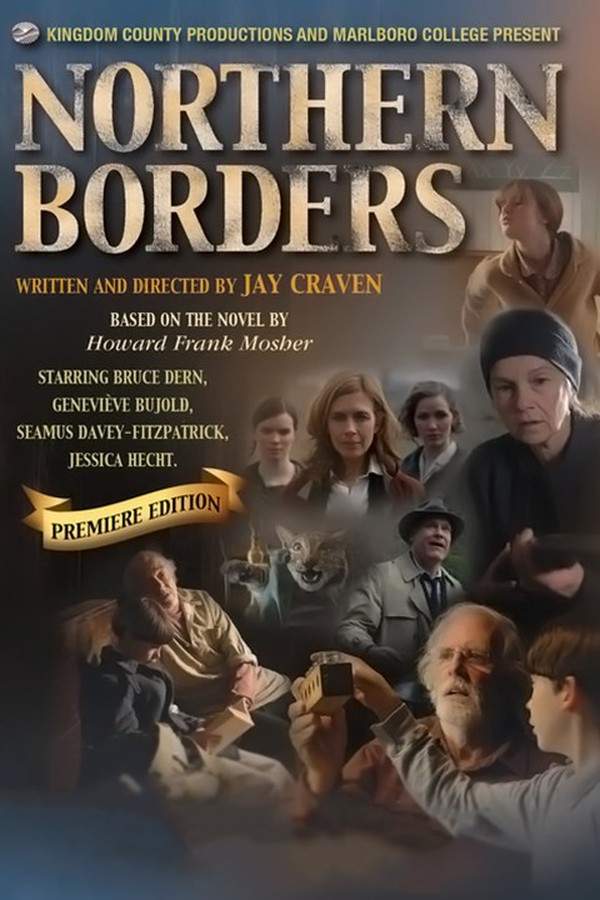
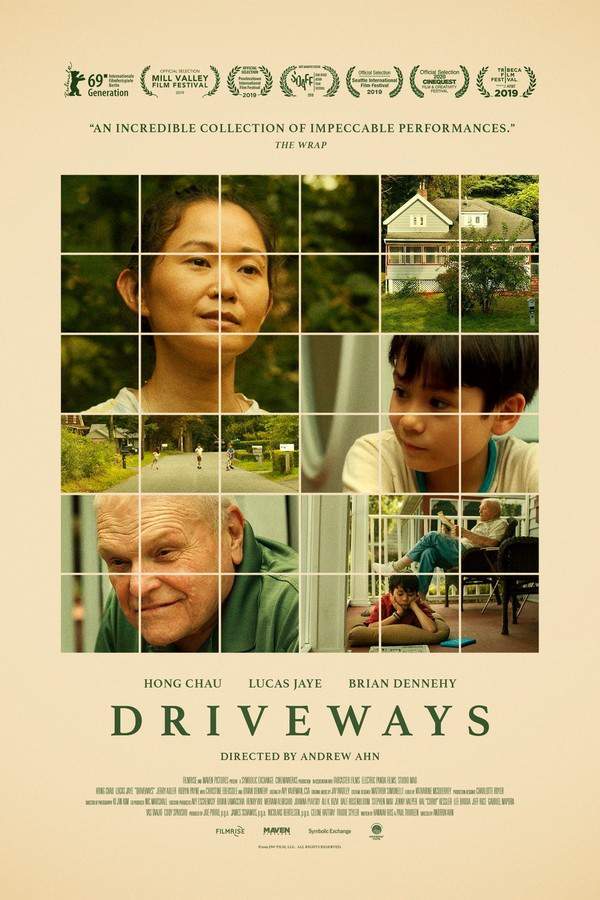
Bittersweet Journeys of Emotional Growth like The Way Home

Stories where guarded hearts slowly open through quiet acts of love. If you liked The Way Home's story of a boy's emotional thawing, you'll enjoy these movies about guarded characters who learn to love. These films feature a slow, tender pace and culminate in a poignant, bittersweet sense of connection.

  • tender
  • melancholic
  • redemptive
  • heartfelt
  • contemplative
  • poignant
  • Tone: bittersweet, tender, melancholic
  • Pacing: slow, gradual
Why these movies?

The story pattern: The narrative pattern involves a protagonist, initially defined by emotional distance or cruelty, who is gradually softened by the persistent, often silent, love of another character. The conflict is internal and relational, resolved not by grand gestures but by accumulated small moments of care.

Why they belong together: Movies in this thread share a specific character arc of emotional transformation, a slow, deliberate pacing that allows the change to feel earned, and a bittersweet tone that balances the pain of the journey with the hope of the outcome.

If you liked this

Movies Like The Way Home

Similar movies to The Way Home: the same genre, themes or kind of story. Each one comes with its own plot summary, timeline and ending explained.

Browse all movie summaries

Every angle

The Way Home (2002) Explained: Plot, Timeline & Characters

Everything about The Way Home in one place: what happens in the plot summary, the timeline in chronological order, the characters and meaning and a spoiler-free summary. What's After the Movie adds the cast, box office and post-credit scenes.

Coming soon on iOS and Android

The Plot Explained Movie Summary App

Plot summaries, endings explained and timelines on your phone. Catch up on any movie in minutes, save your favorites and never miss a twist again.

Be the first to know when we launch. Your email stays private, always.

Learn more about the app