Plot Explained Spoilers guaranteed!
Plot Explained

Browse by genre

The Hawks and the Sparrows (1966) movie poster

Timeline

The Hawks and the Sparrows (1966) Timeline Explained – Every Event in Order

Release, runtime and language
1966 · 85 mins · Italian
Directed by
Pier Paolo Pasolini
Starring
Ninetto Davoli, Cesare Gelli, Femi Benussi, Nello Appodia, Renato Montalbano, Fides Stagni

Pasolini’s off‑beat comedy treats weighty subjects with whimsy, following a father and his son as they wander through an allegorical landscape accompanied by a loquacious bird. The bird delivers sharp social and political commentary, turning their stroll into a contemplative satire on modern life.

On this page (5)
  1. 1 Events in order (14)
  2. 2 Timeline questions answered
  3. 3 Movie threads
  4. 4 Movies like The Hawks and the Sparrows
  5. 5 Every angle

14 events in order · contains spoilers

The Hawks and the Sparrows Timeline: Events in Chronological Order

Every key event of The Hawks and the Sparrows (1966) in order, scene by scene, with when and where it takes place. Use it to untangle flashbacks, time jumps and parallel storylines, to refresh your memory before the sequel or to find the exact scene you are thinking of.

  1. Opening credits and theme

    The film opens with Ennio Morricone's score accompanying the credits as Domenico Modugno sings. The music and imagery establish Pasolini's playful, satirical tone. This opening frames Totò and Ninetto's world before the narrative truly begins.

    When
    opening
    Where
    Film opening sequence
  2. Totò and Ninetto wander Rome and countryside

    Totò and his son Ninetto roam the streets around Rome and wander into the surrounding countryside. They observe a body being removed from a house after a murder, reacting with curiosity rather than fear. The scene blends everyday life with a sense of societal violence and absurdity.

    Where
    Rome and surrounding countryside
  3. The talking crow appears

    A crow talks to them, introduced by intertitles that declare it a left-wing intellectual of the old school. The bird becomes a guide through the film's satire and fables. Its antics mix political commentary with surreal humor.

    Where
    on the road
  4. The Crow's parable of Fra Ciccillo and Fra Ninetto

    The Crow recounts a tale in which two Franciscan friars are sent by Saint Francis to preach to hawks and sparrows. The parable explores language, love, and social division with a Marxist-inflected lens. It sets up a critique of power and solidarity that threads through the movie.

    Where
    the Crow's storytelling sequence
  5. Birds learn their speech but fail to love each other

    The friars manage to communicate with both hawks and sparrows by discovering their language, and they preach the commandment of love to each group separately. Yet hawks and sparrows remain divided, continuing to prey on one another. Saint Francis offers a hopeful, but unresolved, path toward reconciliation.

    Where
    birds' realm (within the tale)
  6. Saint Francis and the Marxist perspective

    Saint Francis explains the relationship between hawks and sparrows from a Marxist perspective and urges the friars to keep preaching. The scene bridges religious symbolism with social critique. It reinforces the film's provocative melding of spirituality and politics.

    Where
    story's frame within the parable
  7. Return to the journey; Crow stays with them

    After the tale, Totò and Ninetto continue their journey and the Crow remains by their side. The episodic road trip unfolds with a mix of street comedy and political satire. The Crow's presence keeps a running thread through the film.

    Where
    on the road
  8. Landowners confront them

    They are chased off by landowners who order them off their land when caught defecating. The scene uses crude humor to critique property relations and social power. It sharpens the film's edge against hypocritical authority.

    Where
    landowners' property
  9. Poverty-stricken family episode

    The duo encounters a family living in absolute poverty with no food. Totò threatens to drive them out if the rent isn't paid, turning on the audience with a satirical portrayal of economic desperation. The moment highlights vulnerability within the social order.

    Where
    poverty-stricken home
  10. Traveling actors and their Cadillac

    A group of traveling actors representing marginalized groups persuades the pair to push the group's Cadillac car along the road. The sequence satirizes social labels and solidarity through comedic collaboration. It also underscores the performative nature of societal roles.

    Where
    roadside with troupe
  11. The rich man and the debt

    They meet a wealthy man who waits for the money Totò owes him, in contrast to the rent-demand earlier. The encounter critiques capitalist relations and the randomness of debt in the duo's surreal journey. It adds another social type to the film's panorama.

    Where
    rich man's setting
  12. News footage of Palmiro Togliatti's funeral

    The film interrupts with news footage of Palmiro Togliatti's funeral, juxtaposing the travelers' light episodes with a real-world political moment. The moment anchors the satire in contemporary Italian history. It disrupts the episodic flow with a stark, ceremonial image.

    Where
    television news sequence
  13. Prostitute encounter

    They encounter a prostitute, and the Crow remains a companion in their wandering. The encounter adds another layer of social observation to the film's mosaic. It foreshadows the Crow's fate as the path grows harsher.

    Where
    street
  14. The Crow is killed and eaten

    Following the prostitute episode, Totò and Ninetto kill and eat the Crow, ending the bird's presence in their journey. The act underscores the film's bleak, surreal humor and the duo's ultimate moral drift. The ending emphasizes Pasolini's provocative, boundary-pushing storytelling.

    Where
    on the road

Last updated: October 09, 2025 at 11:19

Was this helpful?

Timeline questions answered

The Hawks and the Sparrows Timeline Explained: Your Questions Answered

When does it happen, and why in that order? The questions people ask about the chronology of The Hawks and the Sparrows (1966): time jumps, flashbacks, cause and effect between scenes and the correct order of events, each answered with spoilers.

Q1

What does the crow represent in the film?

The crow is presented as a left-wing intellectual of the old school, introduced with intertitles declaring it as such. It serves as a satirical guide who delivers philosophical and political commentary throughout the journey, representing the kind of Marxist-minded intellectuals who existed before Palmiro Togliatti's death. The bird's speech is deliberately verbose and didactic, parodying academic political discourse.

  • crow
  • left-wing intellectual
  • political satire
  • Pasolini
Q2

What do the hawks and sparrows represent in the parable?

The hawks represent the powerful and wealthy social classes, while the sparrows represent the weak and poor. This allegory directly mirrors class struggle, with the predatory relationship between hawks eating sparrows symbolizing how the ruling class exploits the working class. The parable uses this simple animal hierarchy to illustrate systemic social division.

  • hawks
  • sparrows
  • allegory
  • class struggle
  • power
Q3

Why can't the friars get the hawks and sparrows to love each other?

Despite learning the language of both birds and preaching the commandment of love to each group separately, the friars fail to unite them because the fundamental power dynamic remains unchanged. Hawks continue to prey on sparrows because that is their nature and their means of survival. The parable suggests that love alone cannot overcome structurally embedded class conflict without addressing the underlying economic and power structures.

  • friars
  • love
  • class conflict
  • social division
  • failure
Q4

What does Saint Francis say about the hawks and sparrows?

Saint Francis explains the relationship between the two factions from a Marxist perspective, acknowledging that the divide between powerful and weak is deeply entrenched. He urges the friars to continue preaching anyway, suggesting that perseverance in spreading the message of love is still valuable even when immediate reconciliation seems impossible. This scene fuses religious symbolism with communist ideology.

  • Saint Francis
  • Marxism
  • religion
  • politics
  • parable
Q5

Why do Totò and Ninetto kill and eat the crow?

Following their encounter with a prostitute, Totò and Ninetto kill and eat the crow, which functions as a brutal metaphor for how intellectual idealists are consumed and destroyed by the very people they try to help. The act represents a nihilistic conclusion where the protagonists, having witnessed throughout their journey the failures of love, faith, and political commentary to change society, ultimately reject and destroy the symbolic voice of conscience itself.

Foreshadowing: The crow's fate is foreshadowed by the increasingly harsh encounters along the journey, particularly the poverty and desperation they witness, which suggest that abstract idealism cannot survive in a world of material need.

  • crow death
  • nihilism
  • intellectual consumption
  • ending
Q6

Why does the film include footage of Palmiro Togliatti's funeral?

The film interrupts its fictional narrative with actual news footage of Palmiro Togliatti's funeral, the longtime leader of the Italian Communist Party. This inserts real-world political history into Pasolini's allegory, grounding the abstract class struggle commentary in a specific moment of Italian political mourning. It signals that the film's satire is directly engaged with post-war Italian politics and the death of a key leftist figure.

  • Togliatti
  • funeral
  • Italian communism
  • politics
  • 1960s
Q7

Why does Totò threaten to evict the poor family?

When Totò and Ninetto encounter a family living in absolute poverty with no food, Totò threatens to drive them out if the rent isn't paid. This moment is deliberately uncomfortable and satirical, showing how even those at the bottom of society can be turned into instruments of oppression. It reflects Pasolini's critique of how economic desperation forces everyone into complicity with unjust systems, regardless of their own circumstances.

  • poverty
  • rent
  • class solidarity
  • irony
  • social critique
Q8

What is the significance of the traveling actors pushing their Cadillac?

The scene features a group of traveling actors who represent society's margins, women, LGBTQ people, the elderly, racial minorities, and the disabled, persuading Totò and Ninetto to push their broken-down Cadillac. This satirical moment plays with stereotypes about social labels while also showing solidarity across marginalized groups. The Cadillac itself symbolizes the unreachable aspirations of society even for those who exist outside its mainstream.

  • traveling actors
  • marginalized groups
  • solidarity
  • stereotype
  • Cadillac
Q9

What is the significance of the body being carried from the house at the beginning?

Early in their wanderings, Totò and Ninetto witness a body being carried from a house after a murder, reacting with curiosity rather than fear. This opening moment establishes the film's tone of blending everyday life with societal violence and absurdity. It sets up the journey as one where death and social dysfunction are constant background elements, not extraordinary events.

  • murder
  • body
  • opening
  • death
  • society
Q10

How do the friars learn to speak with the birds?

After persistent failed attempts to preach to the hawks and sparrows, the two Franciscan friars discover the language of birds, allowing them to communicate with both groups. This breakthrough represents the power of understanding and listening to those who are different, learning their language rather than imposing one's own. However, this linguistic success does not translate into actual reconciliation between the groups.

  • friars
  • bird language
  • communication
  • understanding

Movie threads

More Movies Like The Hawks and the Sparrows, by Mood & Story

Curated lists built around what makes The Hawks and the Sparrows tick: the same mood, the same kind of story or the same emotional payoff. Each list explains why these movies belong together.

Philosophical Journeys with Animal Guides like in The Hawks and the Sparrows

Fables where animal companions deliver sharp social and political commentary. If you enjoyed the allegorical journey in The Hawks and the Sparrows, discover other movies that use animal guides to explore philosophical themes. This thread features similar fables where creatures provide biting social commentary, blending whimsy with profound insights on modern life.

  • allegorical
  • philosophical
  • whimsical
  • satirical
  • contemplative
  • unsettling
  • Tone: whimsical, satirical, contemplative
  • Pacing: steady, journey-based
Why these movies?

The story pattern: Stories typically follow characters on a physical or metaphorical journey, during which an intelligent or talking animal companion joins them. The narrative unfolds through a series of encounters and dialogues, with the animal serving as a catalyst for reflection and critique. The journey often ends with a challenging moral conclusion that reframes the entire experience.

Why they belong together: Movies are grouped here for their shared structure: a quest narrative driven by an animal's perspective. They balance a fable-like, whimsical tone with heavy thematic weight, using surreal elements to deliver poignant social and political observations. The pacing is often steady, focusing on contemplation over action.
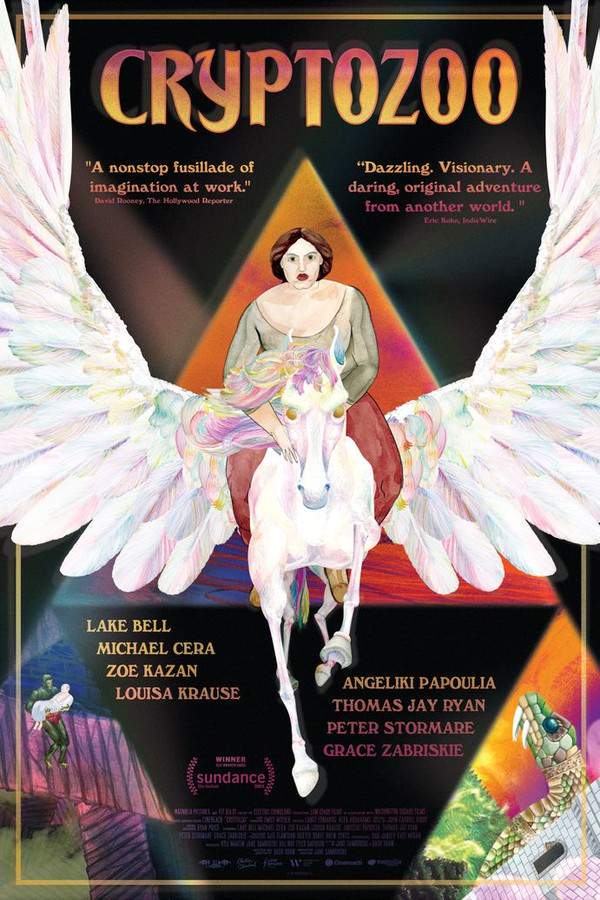
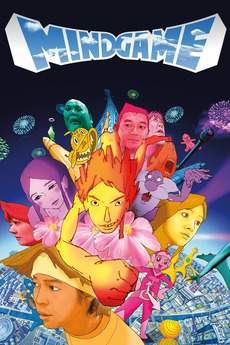
Bleak Satire Disguised as Whimsy like in The Hawks and the Sparrows

Stories that use playful charm to deliver a stark, unsettling message. Looking for movies like The Hawks and the Sparrows that blend whimsy with dark satire? This thread collects films where a cheerful or quirky facade is used to explore heavy, bleak themes, resulting in a complex and unforgettable narrative experience.

  • satirical
  • bleak
  • whimsical
  • thought-provoking
  • unsettling
  • allegorical
  • Tone: whimsical, bleak, satirical
  • Pacing: steady, contemplative
Why these movies?

The story pattern: The narrative often follows a deceptively simple plot that gradually reveals its darker, more complex underpinnings. Characters may start in a state of innocence or ignorance, with the whimsical elements slowly peeling back to expose harsh realities. The climax or ending typically delivers a sobering, sometimes nihilistic, conclusion that re-contextualizes the preceding events.

Why they belong together: This group is defined by a distinct tonal contrast: a whimsical, often comedic presentation layered over a core of serious social commentary and emotional weight. The movies share a feeling of intellectual unease, using satire and allegory to challenge the viewer, and often conclude on a bleak or ambiguous note that underscores the critique.

If you liked this

Movies Like The Hawks and the Sparrows

Similar movies to The Hawks and the Sparrows: the same genre, themes or kind of story. Each one comes with its own plot summary, timeline and ending explained.

Browse all movie summaries

Every angle

The Hawks and the Sparrows (1966) Explained: Plot, Timeline & Characters

Everything about The Hawks and the Sparrows in one place: what happens in the plot summary, the timeline in chronological order, the characters and meaning and a spoiler-free summary. What's After the Movie adds the cast, box office and post-credit scenes.

Coming soon on iOS and Android

The Plot Explained Movie Summary App

Plot summaries, endings explained and timelines on your phone. Catch up on any movie in minutes, save your favorites and never miss a twist again.

Be the first to know when we launch. Your email stays private, always.

Learn more about the app