Plot Explained Spoilers guaranteed!
Plot Explained

Browse by genre

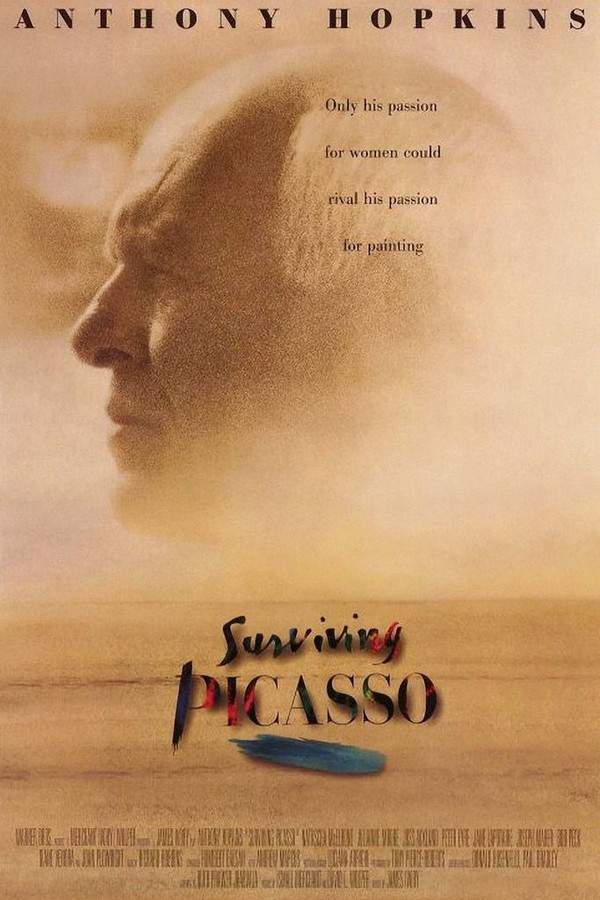
Surviving Picasso (1996) movie poster

Timeline

Surviving Picasso (1996) Timeline Explained – Every Event in Order

Release, runtime and language
1996 · 125 min · English
Loading streaming availability…
Directed by
James Ivory
Starring
Anthony Hopkins, Natascha McElhone
Budget
$16M

The film explores the complex relationship between Pablo Picasso and Françoise Gilot, examining the intersection of art, love, and personal identity. Gilot becomes Picasso's muse and the mother of his children, experiencing firsthand the intensity of his creative process and romantic entanglements. The story traces the evolution of Picasso’s relationships, from the elegance of Olga Khokhlova to the passionate connection with Dora Maar, all while Gilot strives to maintain her own artistic vision and independence amidst the turbulent dynamic.

On this page (6)
  1. 1 Where to watch
  2. 2 Events in order (14)
  3. 3 Timeline questions answered
  4. 4 Movie threads
  5. 5 Movies like Surviving Picasso
  6. 6 Every angle
Loading streaming availability…

14 events in order · contains spoilers

Surviving Picasso Timeline: Events in Chronological Order

Every key event of Surviving Picasso (1996) in order, scene by scene, with when and where it takes place. Use it to untangle flashbacks, time jumps and parallel storylines, to refresh your memory before the sequel or to find the exact scene you are thinking of.

  1. Meeting Picasso

    Françoise Gilot, a young artist, meets the famous painter Pablo Picasso at Le Petit Benoit, a quaint bistro in Nazi-occupied Paris. This encounter marks the beginning of a significant relationship that alters the course of her life and career.

    Where
    Le Petit Benoit, Paris
  2. Invitation to Picasso's Studio

    After their initial meeting, Picasso invites Françoise and her friend to his home and studio located at 7 Rue des Grands-Augustins. This invitation opens the door for deeper interaction between them.

    Where
    7 Rue des Grands-Augustins, Paris
  3. Decision to Pursue Art

    Despite her father's disapproval, Françoise decides to pursue a career as a painter encouraged by Picasso. This decision showcases her determination to follow her passion over familial expectations.

  4. Conflict with Her Father

    When Françoise informs her father of her decision to become a painter, he reacts violently, beating her for her choice. This physical abuse signifies the oppressive environment she faces from her family.

  5. Encouragement to Create

    Picasso continues to encourage Françoise to explore her talents and paint. His support is instrumental in her artistic journey, as it gives her the confidence to create despite external challenges.

  6. Development of Their Affair

    As Françoise becomes more involved in her art, a romantic relationship develops between her and Picasso. This affair is characterized by both passion and turbulence, reflecting Picasso's complex personality.

  7. Moving in Together

    Françoise eventually moves in with Picasso, fully immersing herself in the tumultuous world of the artist. Living together brings both joy and challenges, as Picasso's character traits begin to reveal themselves.

  8. Picasso's Selfishness

    Throughout their relationship, Picasso often exhibits selfish behavior, such as firing his long-serving driver without regard for others. These actions highlight his self-centered nature and impact the dynamics of their relationship.

  9. Family Life

    Despite the turmoil, Françoise and Picasso have two children together, creating a family unit in the South of France near Cannes. This period represents both happiness and ongoing struggles within their relationship.

    Where
    South of France, near Cannes
  10. Representation of Other Women

    The film also touches on the lives of other significant women in Picasso’s life, including Olga Khokhlova, Dora Maar, and Marie-Thérèse Walter. These portrayals enrich the narrative and contextualize Françoise’s experience with Picasso.

  11. Growing Tensions

    As time goes on, tensions continue to grow between Françoise and Picasso due to his increasingly neglectful behavior and womanizing ways. This mounting pressure strains their relationship further.

  12. Departure from Picasso

    Ultimately, Françoise decides to leave Picasso, concluding that his emotional coldness is unbearable. This decision signifies her reclaiming of independence and prioritizing her own well-being.

  13. Jacqueline Roque's Entrance

    After Françoise's departure, Jacqueline Roque moves in with Picasso, effectively replacing her in his life. This transition underscores the cyclical nature of Picasso's relationships and the impact on his former partners.

  14. Legacy of Their Relationship

    Françoise's time with Picasso not only shapes her as an artist but also influences her life decisions in the years that follow. The relationship ultimately serves as a significant chapter in her artistic and personal development.

Last updated: October 24, 2024 at 08:02

Was this helpful?

Timeline questions answered

Surviving Picasso Timeline Explained: Your Questions Answered

When does it happen, and why in that order? The questions people ask about the chronology of Surviving Picasso (1996): time jumps, flashbacks, cause and effect between scenes and the correct order of events, each answered with spoilers.

Q1

Why did Françoise Gilot stay with Picasso despite his selfish and womanizing behavior?

Françoise stayed because Picasso encouraged her artistic development and believed in her talent when no one else did. Despite his selfishness, his support gave her the confidence to pursue painting as a career. However, his charm and passion eventually gave way to emotional coldness, which ultimately led to her departure.

Foreshadowing: Earlier scenes show Picasso firing his driver without regard, foreshadowing his pattern of discarding people when they no longer serve him.

  • françoise gilot
  • picasso relationship
  • emotional manipulation
  • artistic inspiration
Q2

Why did Picasso fire his long-serving driver?

Picasso fired his driver after years of loyal service to demonstrate his ability to do whatever he wanted without consequence. This incident illustrates his self-centered nature and willingness to discard people who served him, setting the tone for how he would later treat romantic partners.

Foreshadowing: This moment establishes Picasso's pattern of treating people as disposable, which later applies to his relationships with women.

  • picasso character
  • selfishness
  • firing driver
  • picasso personality
Q3

Why did Françoise's father beat her for wanting to become a painter?

Françoise's father wanted her to become a lawyer rather than pursue art, viewing painting as an impractical and unworthy profession. His violent reaction represents the oppressive family expectations she faced and the cultural pressure women faced to pursue respectable careers over artistic passions.

Foreshadowing: This conflict with her father establishes Françoise's willingness to defy convention, which makes her later attraction to Picasso's unconventional lifestyle more understandable.

  • françoise father
  • family conflict
  • painting career
  • parental disapproval
Q4

How did Picasso influence Françoise Gilot's artistic development?

Picasso encouraged Françoise to paint and explore her talents, providing the confidence and mentorship she needed to pursue art seriously. His belief in her abilities gave her the courage to continue despite her father's opposition. However, being in his shadow also meant her own artistic identity was often overshadowed by his greatness.

Foreshadowing: Picasso's encouragement from their first meeting sets up the central tension between her artistic independence and his dominating presence.

  • françoise gilot artist
  • picasso mentorship
  • artistic development
  • woman painter
Q5

Why did Françoise Gilot finally leave Picasso?

Françoise left because of Picasso's emotional coldness and his growing relationship with Jacqueline Roque. She realized his attention had shifted to another woman and that she could no longer tolerate his neglect. Her departure represents her reclaiming of independence and prioritizes her own well-being over remaining in a toxic dynamic.

Foreshadowing: The mounting tensions throughout their relationship and Picasso's pattern of replacing women foreshadow this eventual departure.

  • françoise leaves picasso
  • jacqueline roque
  • emotional coldness
  • relationship ending
Q6

Who were the other women in Picasso's life mentioned in the film?

The film depicts several of Picasso's significant relationships: Olga Khokhlova (his first wife), Dora Maar (a passionate lover and artist), Marie-Thérèse Walter (another mistress), and Jacqueline Roque (who eventually replaces Françoise). These women represent different phases of Picasso's life and show the cyclical nature of his relationships.

Foreshadowing: The inclusion of these women foreshadows Françoise's eventual replacement and highlights Picasso's pattern of moving between women.

  • olga khokhlova
  • dora maar
  • marie-thérèse walter
  • jacqueline roque
  • picasso women
Q7

How did Jacqueline Roque replace Françoise Gilot in Picasso's life?

After Françoise left, Jacqueline Roque moved in with Picasso, effectively taking her place in his home and life. This replacement illustrates Picasso's pattern of replacing his partners with new women, showing the cyclical and disposable nature of his romantic relationships. Jacqueline represents the next iteration in a long line of women in Picasso's life.

Foreshadowing: Picasso's earlier infidelity and the depiction of other women in his life foreshadow this transition to Jacqueline.

  • jacqueline roque
  • picasso replacement
  • relationship cycle
  • new woman
Q8

What caused the tensions between Françoise and Picasso to grow over time?

Tensions grew due to Picasso's increasingly neglectful behavior and continuing womanizing ways. His emotional coldness and the arrival of new women in his life strained the relationship further. Despite having two children together and relocating to the South of France, the fundamental issues of his self-centered nature never resolved.

Foreshadowing: Early incidents of Picasso's selfishness, like firing his driver, planted seeds for the eventual deterioration of the relationship.

  • relationship tension
  • picasso neglect
  • infidelity
  • emotional distance
Q9

Why was it significant that Françoise met Picasso in Nazi-occupied Paris?

The Nazi occupation created a backdrop of danger and upheaval, making Picasso's invitation to his studio feel like a bold and potentially risky encounter. This setting highlights the courage both characters showed in forming their relationship during wartime, adding intensity to their initial connection.

Foreshadowing: The dangerous setting establishes the unconventional and daring nature of their relationship from the very beginning.

  • nazi occupied paris
  • wartime paris
  • historical context
  • left bank bistro
Q10

Why did Françoise Gilot choose to pursue art despite her father's violent opposition?

Françoise chose art because her passion for painting was stronger than her father's expectations. Meeting Picasso and receiving his encouragement solidified her resolve. She was willing to endure physical abuse rather than give up her dream of becoming a painter, showing her determination to forge her own path.

Foreshadowing: This early defiance of family authority foreshadows her later ability to leave Picasso when the relationship became unbearable.

  • artistic passion
  • family expectations
  • woman artist
  • defiance

Movie threads

More Movies Like Surviving Picasso, by Mood & Story

Curated lists built around what makes Surviving Picasso tick: the same mood, the same kind of story or the same emotional payoff. Each list explains why these movies belong together.

Movies about the cost of genius like Surviving Picasso

Stories exploring the turbulent lives behind great art and the people consumed by genius. If you liked Surviving Picasso, explore more movies about the turbulent lives of artists and their muses. These similar drama films examine the fine line between creative passion and personal destruction, perfect for fans of intense biographical stories.

  • obsessive
  • passionate
  • melancholic
  • intimate
  • frustrating
  • artistic
  • Tone: bittersweet, melancholic
  • Pacing: steady, character driven
Why these movies?

The story pattern: The narrative pattern follows a central figure of immense talent whose personal life is a landscape of emotional volatility. The story is often told from the perspective of a close companion or muse, charting their journey from admiration and inspiration to confrontation with the toxicity and personal sacrifice inherent in the relationship.

Why they belong together: Movies are grouped here for their shared focus on the dark side of artistic brilliance. They share a bittersweet or melancholic tone, a steady, character-driven pace, and a central theme exploring the conflict between monumental creative achievement and profound personal failings.

Movies about leaving a toxic relationship like Surviving Picasso

Emotional journeys of finding the strength to walk away from a captivating but harmful relationship. Find movies like Surviving Picasso that center on the difficult decision to leave a destructive love. These similar drama and romance films capture the bittersweet feeling of choosing self-respect over passion, for viewers who appreciate stories of female independence and emotional resilience.

  • passionate
  • frustrating
  • melancholic
  • introspective
  • heartbreaking
  • empowering
  • Tone: bittersweet, sad
  • Pacing: steady, emotional
Why these movies?

The story pattern: The emotional journey typically begins with enchantment and deep immersion in a captivating relationship. As the controlling or toxic nature of the partnership becomes clear, the protagonist faces an internal struggle between their lingering attachment and the need for self-preservation, culminating in a sad but necessary departure that signifies growth.

Why they belong together: These films are connected by a specific character arc: the evolution from enamored participant to disillusioned survivor. They share a bittersweet tone, a steady pacing that allows for emotional depth, and a core theme of sacrificing a great love for one's own well-being and autonomy.

If you liked this

Movies Like Surviving Picasso

Similar movies to Surviving Picasso: the same genre, themes or kind of story. Each one comes with its own plot summary, timeline and ending explained.

Browse all movie summaries

Every angle

Surviving Picasso (1996) Explained: Plot, Timeline & Characters

Everything about Surviving Picasso in one place: what happens in the plot summary, the timeline in chronological order, the characters and meaning and a spoiler-free summary. What's After the Movie adds the cast, box office and post-credit scenes.

Coming soon on iOS and Android

The Plot Explained Movie Summary App

Plot summaries, endings explained and timelines on your phone. Catch up on any movie in minutes, save your favorites and never miss a twist again.

Be the first to know when we launch. Your email stays private, always.

Learn more about the app