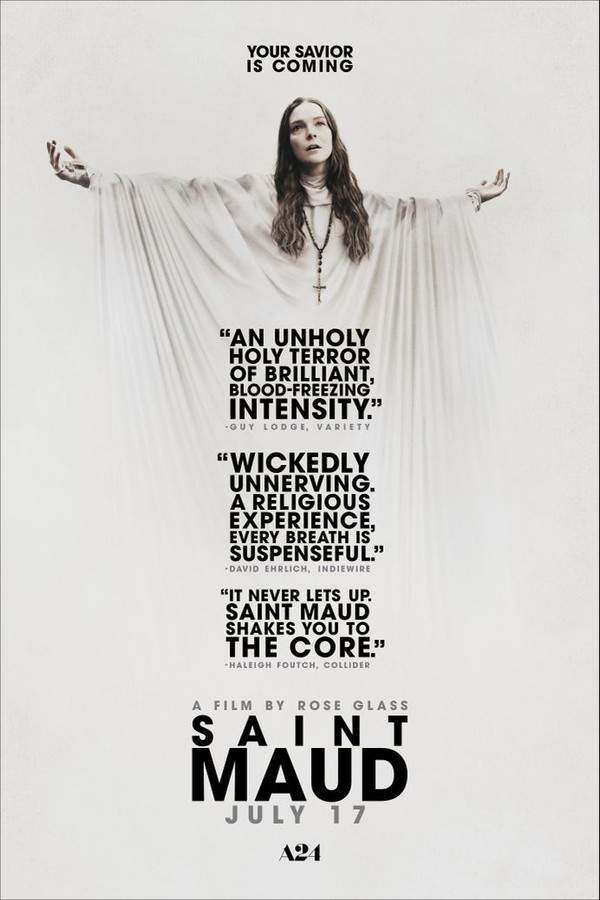
A devoted and troubled nurse, Maud, becomes obsessed with saving her dying patient's soul, believing it's her sacred duty. As she grows closer to the woman, her faith intensifies, and the boundaries between her religious fervor and mental instability begin to dissolve. Maud's increasingly fervent attempts at spiritual redemption lead her down a dark path, blurring the lines between compassion and obsession, and raising questions about her own sanity.
Warning: spoilers below!
Haven’t seen Saint Maud yet? This summary contains major spoilers. Bookmark the page, watch the movie, and come back for the full breakdown. If you're ready, scroll on and relive the story!
Read the complete plot breakdown of Saint Maud (2021), including all key story events, major twists, and the ending explained in detail. Discover what really happened—and what it all means.
A nurse named Katie struggles to save a patient in her care despite a desperate attempt at CPR. Time passes, and she adopts a new identity as Maud, becoming a devoted Roman Catholic. Now working as a private palliative care nurse in a quaint seaside town in England, she is assigned to care for Amanda (Jennifer Ehle), a former dancer and choreographer from the U.S. who is facing stage four lymphoma. Amanda is embittered by her diagnosis and candidly expresses her profound fear of the oblivion that death brings.
In a twist of fate, Maud believes that she has been chosen by God to save Amanda’s soul, who has long rejected faith. Their relationship grows as Maud shares her belief in divine presence, and together they experience moments of ecstatic prayer. However, tensions rise when Maud grows wary of Amanda’s companion, Carol (Lily Frazer), who regularly visits and has a financial arrangement with Amanda for intimacy.
Determined to protect Amanda’s soul, Maud begs Carol to cease her visits, fearing for her patient’s spiritual wellbeing. Yet, during Amanda’s birthday celebration, Amanda publicly derides Maud, revealing that she tried to separate them. In a fit of anger, Maud strikes Amanda, leading to her dismissal from her caregiving position.
Feeling abandoned by God, Maud seeks solace in a local pub but finds herself ostracized. After an encounter that turns traumatic, she is haunted by memories of past failures, including the death of her patient. Her emotional turmoil deepens when she comes across Amanda’s new nurse and sees their amiable relationship, which infuriates her.
In the solitude of her rundown apartment, Maud begs for divine guidance, and feels that God is urging her to prepare for a significant act of faith. She interprets a swirling cloud formation as a holy sign. That night, adorned in a makeshift robe and clutching rosary beads, she sneaks into Amanda’s home after the new care nurse has left. There, she finds the frail Amanda in bed, who, seeking forgiveness for her earlier mockery, suggests they reminisce about their shared experience of divine presence—only to reveal that it was all a deception, and that God is just an illusion.
In horror, Maud realizes the truth and a furious confrontation ensues, culminating in her stabbing Amanda in a delirious frenzy, believing she is acting on God’s will. The next morning, in a chilling act of despair, Maud walks onto the beach, drenches herself in acetone, and prays, uttering her final words in Welsh—“Glory to God”—before igniting herself in flames. In her last agonizing moments, she envisions angelic wings as onlookers kneel in awe, yet the reality of her pain remains brutally poignant as she screams, trapped in the balance between grace and horror.
Last Updated: November 15, 2024 at 20:27
Still wondering what the ending of Saint Maud (2021) really means? Here’s a spoiler-heavy breakdown of the final scene, major twists, and the deeper themes that shape the film’s conclusion.
Maud’s journey culminates in her attempting to save Amanda’s soul through an intense act of religious fanaticism. Dressed as a saint and wielding religious symbols, she confronts Amanda, who has been playing along with her faith out of boredom or fear. When Amanda begins to question her beliefs and turns into a literal demon in Maud’s eyes, Maud reacts violently and stabs her to death. This act can be seen as the culmination of her delusion—believing she is performing divine work by eradicating evil, but it may also reflect her fractured mental state. Afterward, Maud sets herself on fire on the beach, a symbol of her complete surrender to her faith and her desire for martyrdom.

The ending is deliberately ambiguous. From one perspective, Maud’s visions of divine intervention, angels, and her notion of sainthood could be interpreted as a manifestation of her mental illness and obsessive faith, blurring the line between reality and hallucination. The scene of her burning on the beach, with the image of angel wings on her back and her screaming in agony, might symbolize her belief that she is becoming a saint through suffering. However, the evidence on screen—Amanda’s body lying dead with scissors in her neck—suggests her actions are rooted in her disturbed mind rather than a divine mission. Ultimately, the film leaves it open to viewers to decide whether Maud is a true savior or a tragic and deluded figure consumed by her fanaticism.
Last Updated: June 25, 2025 at 08:57
Discover curated groups of movies connected by mood, themes, and story style. Browse collections built around emotion, atmosphere, and narrative focus to easily find films that match what you feel like watching right now.
Character-driven stories where a single, consuming obsession leads to self-destruction.For viewers who appreciated the intense psychological portrait in Saint Maud, this list features movies with similar character arcs. Find more films about protagonists spiraling into obsession, where the main drama unfolds within a fractured mind, leading to dark and tragic outcomes.
The narrative typically follows a protagonist who latches onto a singular purpose, often with a misguided sense of righteousness. As their obsession deepens, their grip on reality weakens, escalating their actions to extreme and ultimately self-destructive conclusions. The story is a straight-line dive into a personal abyss.
Movies are grouped here due to their central focus on a character's obsessive arc, the high emotional intensity, and the dark, often bleak tone. They share a psychological, character-driven approach rather than relying on external plot mechanics.
Atmospheric horror where tension builds slowly within a confined or oppressive setting.If the oppressive, slow-building tension of Saint Maud gripped you, explore these similar horror films. This selection focuses on movies that create a palpable sense of dread through atmosphere and psychological unease, often set in confined spaces that enhance the feeling of being trapped.
Stories in this thread use a deliberate pace to build an unsettling atmosphere. The setting—whether a single house, a mind, or a small town—acts as a pressure cooker. The narrative focuses on the gradual amplification of unease until it boils over into a devastating, often bleak, finale.
These films are united by their slow pacing, oppressive and claustrophobic mood, high psychological tension, and dark tone. They are less about external monsters and more about the horror of internal or situational entrapment.
Don't stop at just watching — explore Saint Maud in full detail. From the complete plot summary and scene-by-scene timeline to character breakdowns, thematic analysis, and a deep dive into the ending — every page helps you truly understand what Saint Maud is all about. Plus, discover what's next after the movie.
Track the full timeline of Saint Maud with every major event arranged chronologically. Perfect for decoding non-linear storytelling, flashbacks, or parallel narratives with a clear scene-by-scene breakdown.
Discover the characters, locations, and core themes that shape Saint Maud. Get insights into symbolic elements, setting significance, and deeper narrative meaning — ideal for thematic analysis and movie breakdowns.
What really happened at the end of Saint Maud? This detailed ending explained page breaks down final scenes, hidden clues, and alternate interpretations with expert analysis and viewer theories.
Get a quick, spoiler-free overview of Saint Maud that covers the main plot points and key details without revealing any major twists or spoilers. Perfect for those who want to know what to expect before diving in.
Visit What's After the Movie to explore more about Saint Maud: box office results, cast and crew info, production details, post-credit scenes, and external links — all in one place for movie fans and researchers.
Discover movies like Saint Maud that share similar genres, themes, and storytelling elements. Whether you’re drawn to the atmosphere, character arcs, or plot structure, these curated recommendations will help you explore more films you’ll love.
Saint Maud (2021) Scene-by-Scene Movie Timeline
Saint Maud (2021) Movie Characters, Themes & Settings
Saint Maud (2021) Ending Explained & Theories
Saint Maud (2021) Spoiler-Free Summary & Key Flow
Movies Like Saint Maud – Similar Titles You’ll Enjoy
The Magdalene Sisters (2003) Full Summary & Key Details
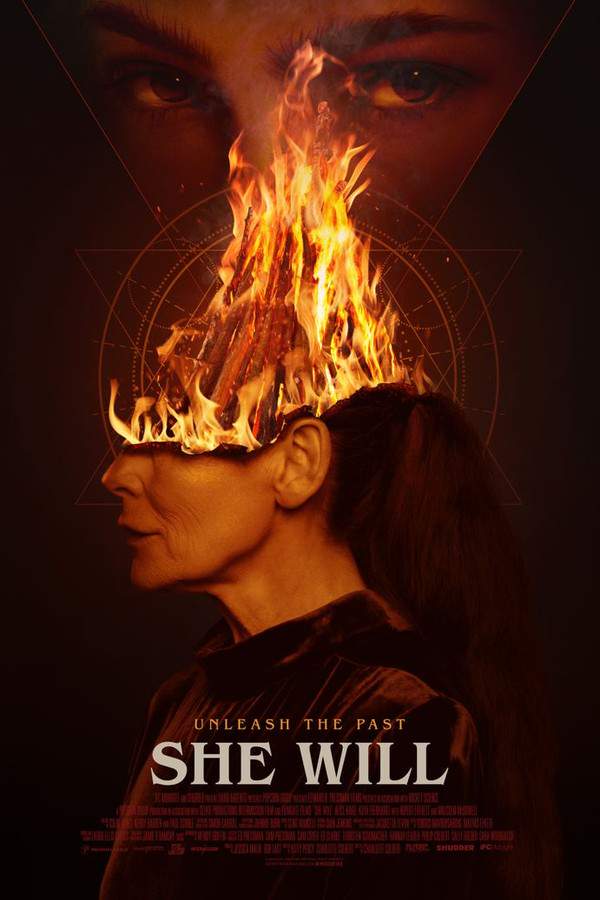
She Will (2022) Ending Explained & Film Insights
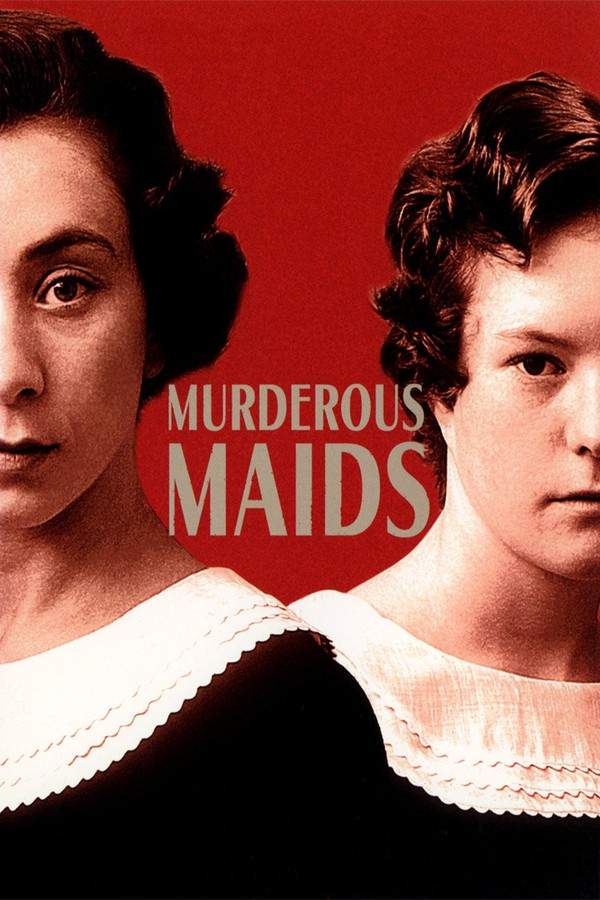
Murderous Maids (2002) Story Summary & Characters
Sun Choke (2016) Complete Plot Breakdown
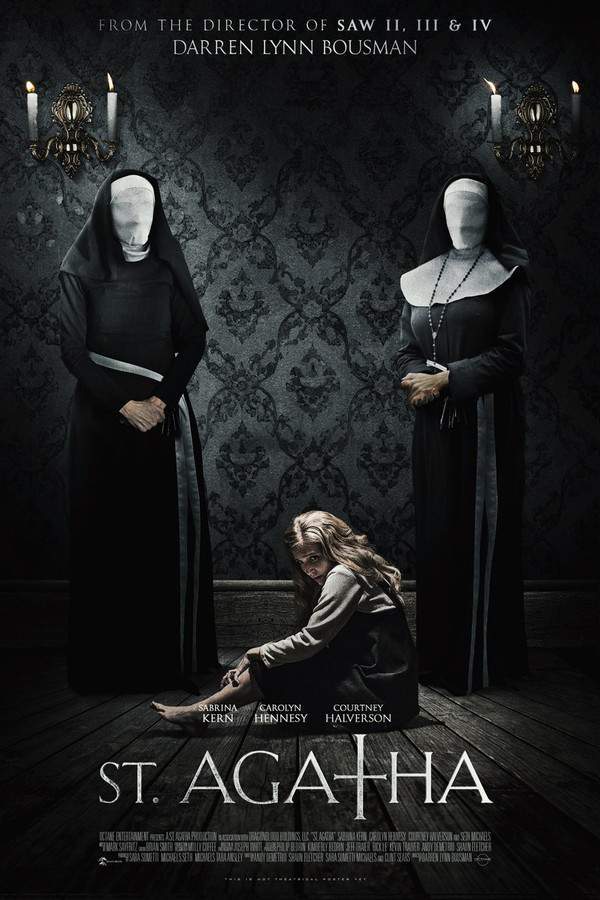
St. Agatha (2019) Plot Summary & Ending Explained
Mad Cowgirl (2006) Spoiler-Packed Plot Recap
Matriarch (2022) Complete Plot Breakdown
Saint Clare (2025) Detailed Story Recap
Saint Maud (2019) Full Summary & Key Details
Sacred Flesh (2000) Plot Summary & Ending Explained
A Holy Place (1990) Detailed Story Recap
Obsessed (2022) Ending Explained & Film Insights
Killer Nun (1979) Full Movie Breakdown
Mantis in Lace (1968) Spoiler-Packed Plot Recap
Requiem for a Maiden (1992) Film Overview & Timeline