Year: 2004
Runtime: 152 min
Language: English
Director: Taylor Hackford
Budget: $40M
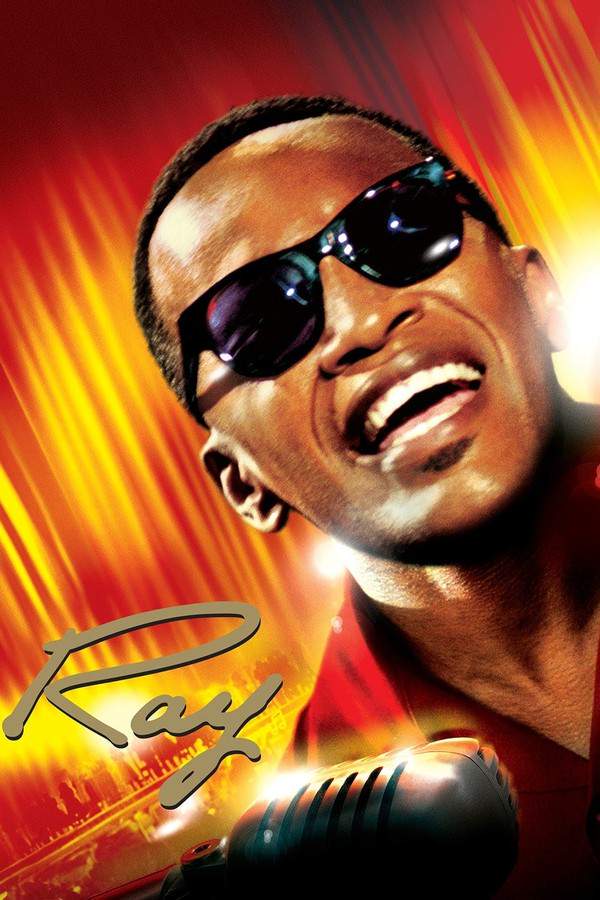
This film chronicles the life of Ray Charles, portraying his remarkable journey from a childhood marked by tragedy to becoming a groundbreaking music icon. Jamie Foxx delivers an award-winning performance as Charles, showcasing his determination to overcome adversity and revolutionize the landscape of soul music. The story explores both the triumphs and personal struggles that defined his career and cemented his enduring legacy as one of the greatest entertainers of all time.
Warning: spoilers below!
Haven’t seen Ray yet? This summary contains major spoilers. Bookmark the page, watch the movie, and come back for the full breakdown. If you're ready, scroll on and relive the story!
Explore the full timeline and setting of Ray (2004). Follow every major event in chronological order and see how the environment shapes the story, characters, and dramatic tension.
Last updated: October 22, 2024 at 19:17
Meet the key characters of Ray (2004), with detailed profiles, motivations, and roles in the plot. Understand their emotional journeys and what they reveal about the film’s deeper themes.
Last updated: October 22, 2024 at 19:17
Explore the central themes of Ray (2004), from psychological, social, and emotional dimensions to philosophical messages. Understand what the film is really saying beneath the surface.
Last updated: October 22, 2024 at 19:17
Browse frequently asked questions about Ray (2004) focused on characters, relationships, themes, symbols, setting, and story context. This movie info FAQ gives spoiler-aware explanations for character arcs, world details, and thematic interpretation so readers can better understand what the film is really about.
Seattle serves as the primary setting for Ray's early career in the film. The city is depicted as a vibrant hub with a rich music scene and cultural diversity, where Ray collaborates with notable musicians and performs in nightclubs. This urban environment plays a significant role in shaping his musical evolution and eventual success.
The film spans several decades, beginning in the 1940s when Ray Charles starts his musical career as a blind teenager. It follows his journey through the civil rights era of the 1950s and 1960s, his struggles with addiction in the later decades, and concludes with his legacy and passing in 2004. The timeline captures over sixty years of American music and social change.
Ray Charles faces numerous obstacles throughout the film, including becoming blind at a young age, losing his brother in a tragic accident, and experiencing racial segregation. He also struggles with drug addiction later in life. Despite these hardships, his resilience and love for music help him transform adversity into artistic breakthrough, making him a legendary figure in music history.
The film portrays Ray Charles's active involvement in the civil rights movement. He notably refuses to perform for segregated audiences, using his platform to champion equality and challenge racial discrimination. His stance against segregation in his performances becomes a significant aspect of his legacy, demonstrating how he used his celebrity to advocate for social justice during the civil rights era.
Music is portrayed as central to Ray Charles's identity throughout the movie. It serves as both his refuge from life's difficulties and his primary means of self-expression. The film demonstrates how Ray blends various musical genres, gospel, jazz, R&B, and soul, creating a unique sound that transforms the music landscape whileasserting his individuality as an artist.
Della Bea, portrayed by Kerry Washington, is Ray Charles's wife and partner. As the daughter of a preacher, she struggles with Ray's incorporation of gospel influences into secular music. Her character represents the emotional toll that Ray's demanding lifestyle and career choices take on his family relationships, while also showing his unwavering support system.
Jack Lauderdale, portrayed by Robert Wisdom, serves as a pivotal mentor figure in Ray Charles's career. He offers Ray a lucrative record deal that propels him toward mainstream success. Jack's recognition of Ray's unique talent marks a significant turning point, helping establish Ray as an artist and launching his journey to becoming a music icon.
Marlene Andre, played by Denise Dowse, is a club owner who represents the darker side of the music industry. She exploits Ray's talent for her own financial gain, taking advantage of his early career vulnerability. Her character highlights the challenges many aspiring musicians face from exploitative industry figures.
Ray Charles is portrayed as groundbreaking for his revolutionary blending of musical genres, particularly combining gospel with secular music in ways that created soul music. His innovative approach transformed the American music landscape, influencing countless artists across multiple genres and earning him recognition as one of the greatest entertainers in music history.
The film maintains a hopeful tone despite covering heavy subject matter, including trauma, addiction, and racial prejudice. It balances dark moments with the uplifting power of music, creating a bittersweet emotional journey. The narrative concludes with redemption and professional recognition while acknowledging Ray's lifelong struggles, resulting in an emotionally resonant but ultimately uplifting viewing experience.
Discover curated groups of movies connected by mood, themes, and story style. Browse collections built around emotion, atmosphere, and narrative focus to easily find films that match what you feel like watching right now.
Uplifting stories of artists overcoming personal demons to achieve legendary status.Explore movies like Ray that chronicle the lives of legendary musicians. If you enjoyed the story of Ray Charles's journey from adversity to icon, you'll find similar inspiring biographies of artists who overcame great odds to leave a lasting legacy. These films blend emotional depth with the power of music.
These narratives typically follow a chronological, steady-paced arc from a protagonist's humble or tragic beginnings through their personal and professional struggles, culminating in a legacy-celebrating but bittersweet conclusion. The central conflict is often internal, battling addiction or trauma, as well as external, facing racial or societal injustice.
Movies are grouped here for their shared focus on a real-life artist's arduous journey, balanced tone of gritty hardship and hopeful triumph, steady biographical pacing, and heavy emotional weight centered on themes of legacy, addiction, and overcoming adversity.

Intense character studies where profound personal flaws are conquered through resilience.Discover movies with redemption arcs similar to Ray. If you were moved by Ray Charles's battle with addiction and his journey toward personal and professional redemption, this collection features other intense character dramas about individuals overcoming their deepest struggles to find a form of peace and triumph.
The narrative pattern involves a protagonist burdened by a significant flaw or trauma (e.g., addiction, guilt) that dictates their life. The story is a steady unpacking of this burden through consequential events and relationships, leading to a climactic point of choice or realization. The ending acknowledges the scars of the journey while affirming the value of the struggle.
These films share a high-intensity, heavy emotional core driven by a central character's arduous path from a state of profound personal crisis to a hard-earned state of redemption or acceptance, often with a bittersweet resolution.
Don't stop at just watching - explore Ray in full detail. From the complete plot summary and scene-by-scene timeline to character breakdowns, thematic analysis, and a deep dive into the ending - every page helps you truly understand what Ray is all about. Plus, discover what's next after the movie.
Read a complete plot summary of Ray, including all key story points, character arcs, and turning points. This in-depth recap is ideal for understanding the narrative structure or reviewing what happened in the movie.
Track the full timeline of Ray with every major event arranged chronologically. Perfect for decoding non-linear storytelling, flashbacks, or parallel narratives with a clear scene-by-scene breakdown.
Discover movies like Ray that share similar genres, themes, and storytelling elements. Whether you’re drawn to the atmosphere, character arcs, or plot structure, these curated recommendations will help you explore more films you’ll love.
Ray (2004) Plot Summary & Movie Recap
Ray (2004) Scene-by-Scene Movie Timeline
Ray (2004) Spoiler-Free Summary & Key Flow
Movies Like Ray – Similar Titles You’ll Enjoy
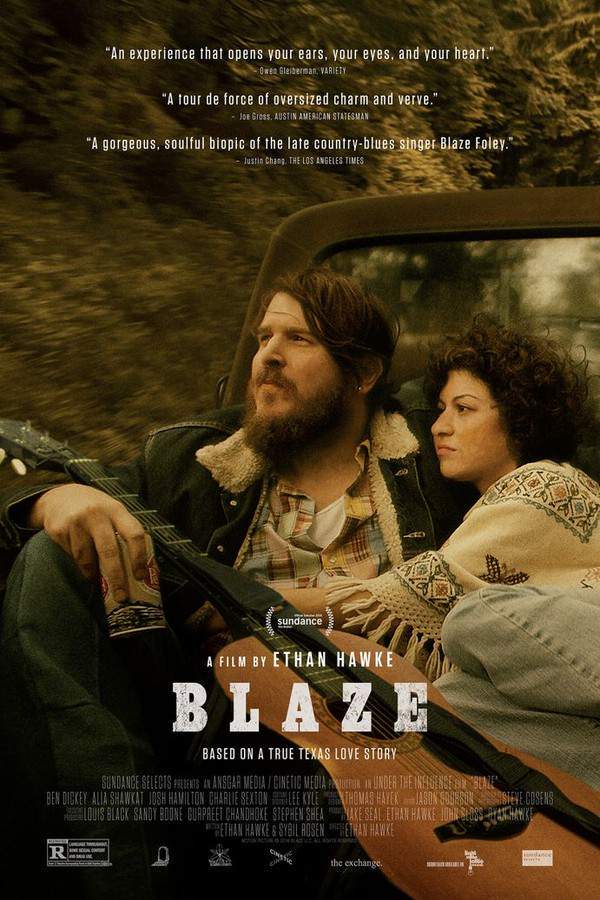
Blaze (2018) Full Summary & Key Details
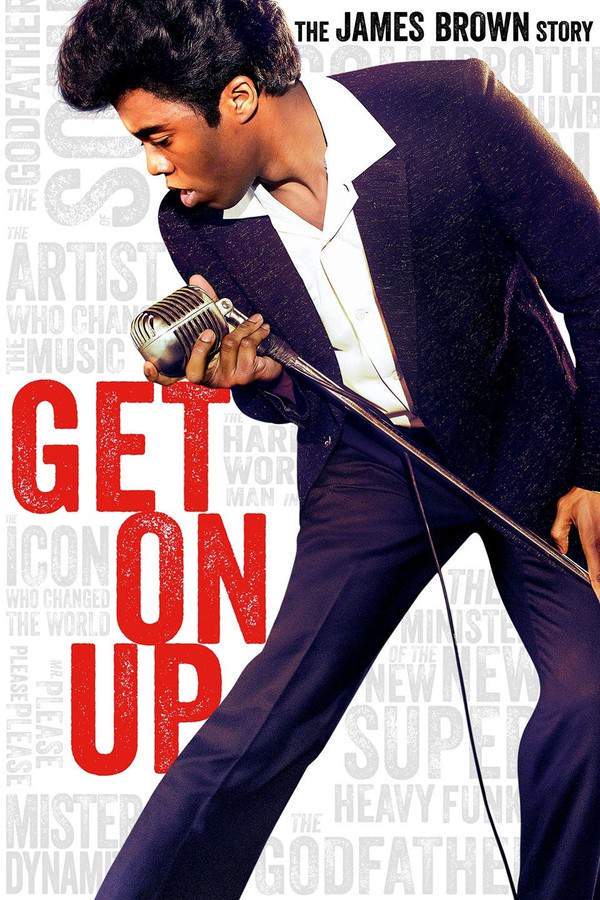
Get On Up (2014) Detailed Story Recap
Miles Ahead (2016) Detailed Story Recap
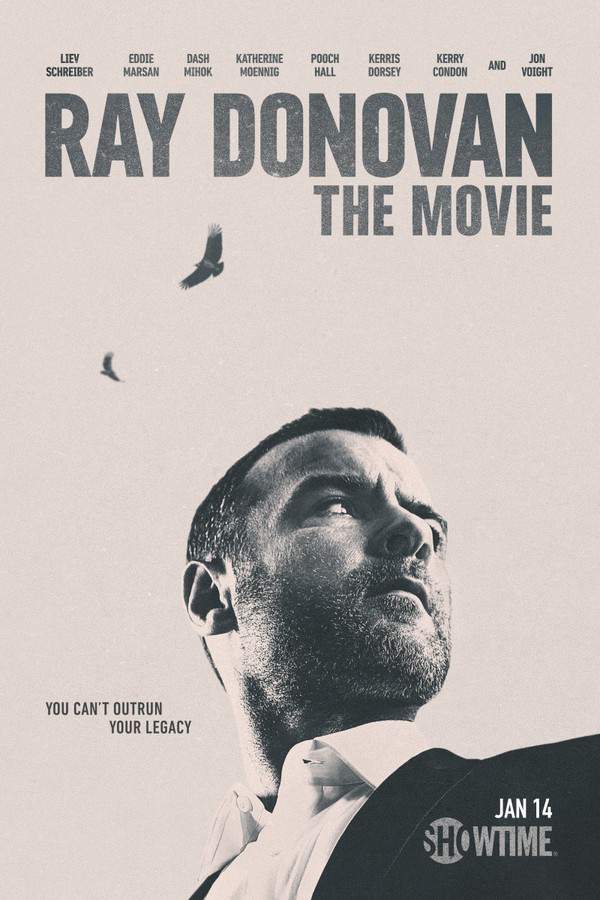
Ray Donovan: The Movie (2022) Movie Recap & Themes
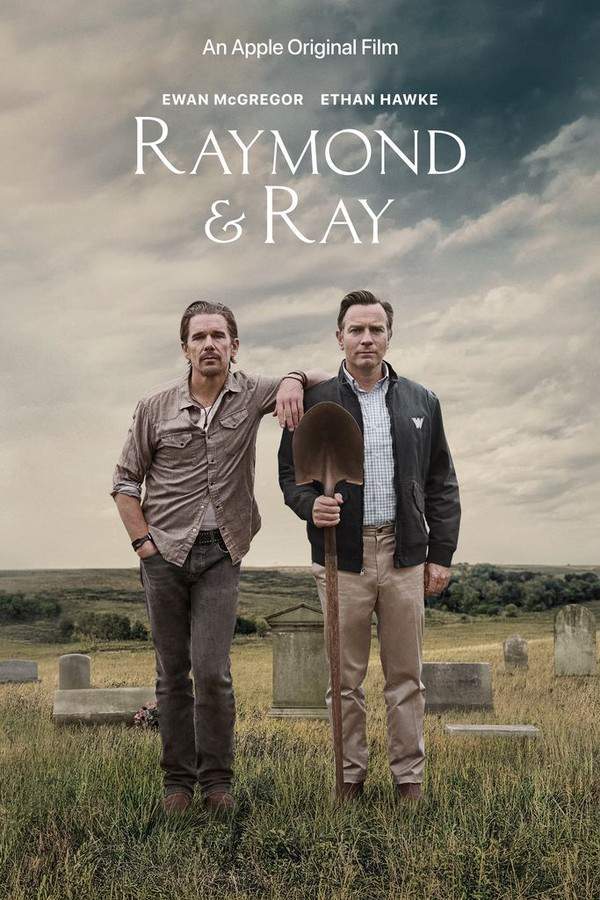
Raymond & Ray (2022) Film Overview & Timeline
Cadillac Records (2008) Detailed Story Recap
Antwone Fisher (2002) Film Overview & Timeline
Safety (2020) Complete Plot Breakdown
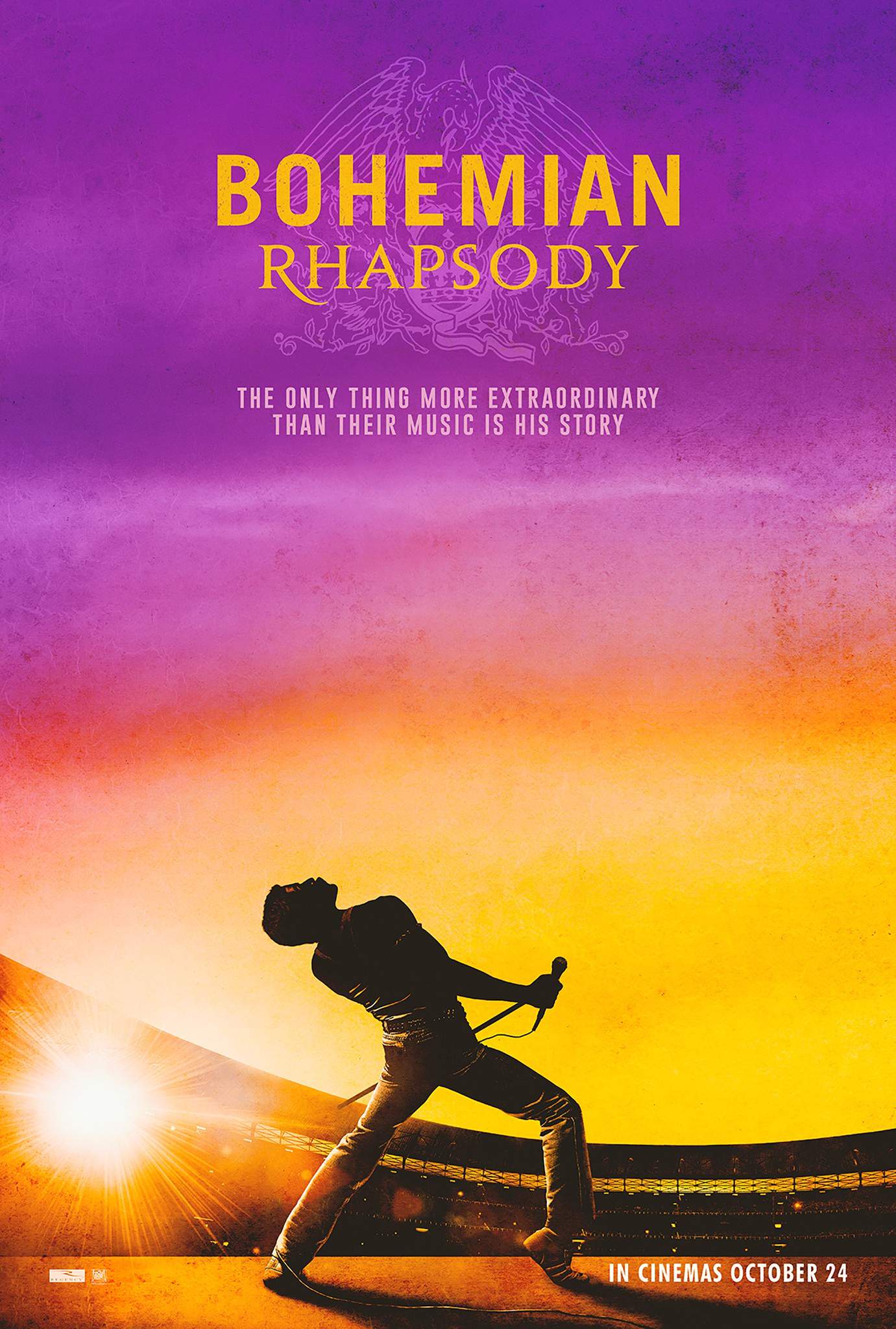
Bohemian Rhapsody (2018) Full Movie Breakdown
Rhapsody in Blue (1945) Ending Explained & Film Insights
Miles (2017) Spoiler-Packed Plot Recap
#FreeRayshawn (1000) Spoiler-Packed Plot Recap
The Music of Satyajit Ray (1984) Spoiler-Packed Plot Recap
Ballad in Blue (1965) Movie Recap & Themes
Sugar Ray Robinson: The Bright Lights and Dark Shadows of a Champion (1998) Full Movie Breakdown