Plot Explained Spoilers guaranteed!
Plot Explained

Browse by genre

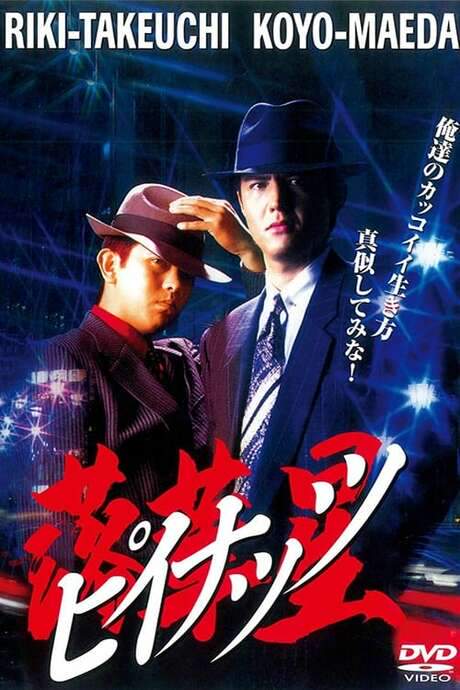
Peanuts (1996) movie poster

Characters & Themes

Peanuts (1996) Characters, Setting & Themes Explained

Release, runtime and language
1996 · 87 mins · Japanese
Directed by
Takashi Miike
Starring
Riki Takeuchi, Hiroshi Katsuno, Mai Kitajima, Kenji Imai, Sakae Umezu, Koyo Maeda

Two mysterious tough guys infuriate a local gang after helping an elderly grocery store owner with his debts by robbing a yakuza organised gambling den.

On this page (6)
  1. 1 Characters explained (13)
  2. 2 Where & when it takes place
  3. 3 Themes & meaning (3)
  4. 4 Character & meaning questions
  5. 5 Movie threads
  6. 6 Every angle

13 main characters · contains spoilers

Peanuts Characters Explained: Who Is Who

The main characters of Peanuts (1996), heroes and villains: what drives them, how they change over the course of the story and what each of them reveals about the film's bigger ideas.

  • Ryuji Hoshikawa

    One of two enigmatic tough guys who win at the track and navigate a brutal underworld. He and Kyotaro respond to debt with street smarts and violence, forming a loose alliance as they confront the Hyakkikai. He participates in the Hyakkikai robbery to help repay Makimura's debt, demonstrating loyalty to friends over strict legality.

    • 🗡️ Street-smart
    • 🤝 Loyal
    • 💥 Violent
  • Kyotaro Ochiai

    The other enigmatic tough guy whose actions mirror Ryuji's blend of cunning and force. He fights with the Hyakkikai, ultimately kills Gori during a confrontation, and escapes with Ryuji and the former Hyakkikai workers. His decisions drive major shifts in the gang dynamics and the pursuit of repayment and revenge.

    • 🗡️ Calculated
    • 🧭 Streetwise
    • 💥 Violent
  • Tetsu

    A member of the Hyakkikai posing as a car dealer who swindles winnings. He is part of the scheme that entangles Ryuji and Kyotaro with the Hyakkikai and contributes to the escalating tension between rival factions.

    • 🧩 Deceptive
    • 💰 Money-first
    • 🗡️ Violent
  • Mr. Makimura

    An elderly fish seller overwhelmed by debts to the Hyakkikai. He attempts to take his own life but is saved by Ryuji and Kyotaro after they rob a Hyakkikai gambling den to fund repayment, illustrating his vulnerability and the human cost of the debt network.

    • 💔 Desperate
    • 🕊️ Hard-working
    • 💰 Debt-driven
  • Kurogane Mitsuko

    Head of the Kurogane gang who controls the Hyakkikai; she bribes detective Yabe to dig into the robbery and has a controlling, ruthless approach to power. Her relationship to Yukari and the broader conflict reveals the intersections of family, crime, and legacy.

    • 👑 Leader
    • 🗡️ Ruthless
    • 💼 Corrupt
  • Mr. Gori

    Boss of the Hyakkikai who collects debts but is unable to repay all stolen money to Kurogane. He is beaten by Kyotaro and later killed in a confrontation, symbolizing the brutal consequences of the underworld power struggle.

    • 🏛️ Boss
    • 💥 Violent
    • 🗡️ Power struggles
  • Yukari

    Kurogane's daughter who has a child with a Black man named George and insists on staying with him, creating a personal crossfire between family loyalties and factional demands. Her presence adds a domestic dimension to the gang warfare.

    • 💞 Family
    • 🧭 Loyalties
    • 🌍 Cross-cultural
  • Takakura

    Kurogane's underboss who is ordered to kill George and coordinates debt-collection schemes. He also supports Takakura's kidnapping of Sugiyama to lure Kyotaro, highlighting the methodical and ruthless planning within the gang hierarchy.

    • ⚔️ Enforcer
    • 🧭 Strategist
  • Mr. Fukuda

    A businessman who hires Ryuji and Kyotaro to collect a large debt from Yukichi Sugiyama, showing how front-facing commerce intersects with coercive debt collection in the criminal underworld.

    • 💼 Business
    • 🕵️‍♂️ Plotter
  • Yukichi Sugiyama

    A debt debtor who is also tied to drug smuggling; his abduction by Takakura and the subsequent drug-switching operation drive much of the plot’s tension and risk for the protagonists.

    • 💊 Drug trade
    • 💰 Debt
    • 🧭 Deceiver
  • Mary

    Mrs. Makimura's daughter who answers Kyotaro's calls and receives roses at work, reflecting the personal connections that exist within the criminal world and the impact of debt and violence on ordinary people.

    • 💌 Innocent
    • 🕊️ In danger
  • Yabe

    A detective bribed by Kurogane to investigate the robbery and who connects Ryuji and Kyotaro to Makimura, illustrating how law enforcement can be entangled with crime and corruption.

    • 🕵️ Detective
    • 🧩 Manipulative
  • Muto

    Kurogane's enforcer who claims a brother was murdered by a rival gang; Kyotaro later kills Muto, marking another turning point in the cycle of vengeance and retribution that drives the plot.

    • 👊 Enforcer
    • 🗡️ Violent

Last updated: October 04, 2025 at 16:15

Was this helpful?

Setting

Where and When Does Peanuts Take Place?

The setting of Peanuts (1996): the year and time period, the places and locations, and how they shape the characters, the mood and the tension of the story.

Time period

The events take place in a contemporary urban Japan environment, where organized crime, debt collection, and undercover investigations drive the narrative. The atmosphere is tense and rapid, with violence and scheming rivalries unfolding in a modern city setting.

Location

Tokyo, Japan

The story unfolds in a gritty urban Japan setting centered on neon-lit streets, gambling dens, and underground debt networks. Key locations include a horse racing track, the Hyakkikai gambling den, its offices, and Ginza, the bustling commercial district. The city serves as a dense backdrop for gang rivalries, bribery, and street-level justice.

  • 🏙️ Urban setting
  • 🕳️ Underworld
  • 🗺️ Tokyo

Last updated: October 04, 2025 at 16:15

Was this helpful?

3 major themes

Peanuts Meaning: Themes & Message Explained

What is Peanuts (1996) really about? The emotional, social and philosophical themes the film keeps returning to, its symbolism and the message beneath the surface.

  • Justice

    The film explores how law and order collide with personal codes of honor. Detectives and rival gangs manipulate situations to their advantage, often blurring the line between right and wrong. The protagonists’ vigilante actions raise questions about true justice in a world ruled by money and power. Loyalties are tested as characters decide whether to follow the law or their own sense of right.

  • Greed

    Money drives most decisions, from track winnings to debt settlements and bribes. The pursuit of cash fuels betrayals, drug smuggling, and guaranteed violence, showing how wealth corrupts and distorts relationships. Characters resort to cunning schemes to secure profits, regardless of the cost to others. The relentless greed sequences propel the plot and escalate the conflict.

  • Betrayal

    Betrayal threads through every major turn, from deceit within the Hyakkikai to double-crosses among allies. Alliances crumble as characters prioritize self-preservation over loyalty. The narrative hinges on who can be trusted when power and debt collide. Crossings and misdirection culminate in surprise reversals that redefine who is an ally and who is an enemy.

Last updated: October 04, 2025 at 16:15

Was this helpful?

Character & theme questions

Peanuts Characters & Meaning: Your Questions Answered

The questions people ask about Peanuts (1996): who the characters really are, their relationships, what the symbols mean, where it takes place and what the movie is really about. Each answer contains spoilers.

Q1

Where is the movie set?

The story takes place in Tokyo, Japan, unfolding across neon-lit urban streets, gambling dens, and underground debt networks. Key locations include a horse racing track, the Hyakkikai gambling den, and Ginza, the bustling commercial district.

  • tokyo setting
  • japan
  • gambling dens
  • locations
Q2

When does the story take place?

The events occur in contemporary modern Japan, where organized crime, debt collection, and underground dealings drive the narrative. The setting reflects a present-day urban environment with no specific historical era indicated.

  • contemporary
  • modern japan
  • time period
  • urban setting
Q3

What are the main themes?

The film explores three interconnected themes: Justice examines how law and personal honor collide, with protagonists taking vigilante actions that blur moral lines. Greed shows how money corrupts decisions, driving betrayals and violence throughout the underworld. Betrayal threads through every major turn as alliances crumble and characters prioritize self-preservation.

  • themes
  • justice
  • greed
  • betrayal
  • moral ambiguity
Q4

What does the Justice theme represent?

The Justice theme explores how law enforcement and personal codes of honor often conflict. Detectives and rival gangs manipulate situations to their advantage, blurring the line between right and wrong. The protagonists' vigilante actions raise questions about true justice in a world ruled by money and power.

  • justice theme
  • law
  • honor
  • vigilante
  • morality
Q5

How does Greed drive the story?

Greed fuels most decisions in the film, from track winnings to debt settlements and bribes. The pursuit of cash leads to betrayals, drug smuggling, and guaranteed violence. Characters resort to cunning schemes to secure profits regardless of the cost to others, escalating the central conflict.

  • greed theme
  • money
  • corruption
  • betrayal
  • profit
Q6

Who are the main protagonists?

Ryuji Hoshikawa and Kyotaro Ochiai are two enigmatic tough guys who navigate Tokyo's brutal underworld. They use street smarts and violence to respond to debt situations, forming a loose alliance while confronting the Hyakkikai gang. Their actions drive the main conflict as they help an elderly debtor by robbing a gambling den.

  • ryuji
  • kyotaro
  • protagonists
  • tough guys
  • main characters
Q7

Who is Mr. Makimura?

Mr. Makimura is an elderly fish seller overwhelmed by debts to the Hyakkikai gang. He represents the vulnerable ordinary person trapped in the debt network. After attempting to take his own life, he is saved by Ryuji and Kyotaro when they rob a gambling den to fund repayment, illustrating the human cost of the underworld's financial pressure.

  • makimura
  • elderly fish seller
  • debt
  • victim
  • underworld
Q8

Who is Kurogane Mitsuko?

Kurogane Mitsuko is the head of the Kurogane gang, which controls the Hyakkikai gambling operation. She is a controlling, ruthless figure who bribes detective Yabe to investigate the robbery. Her relationship to her daughter Yukari reveals how family loyalties intersect with crime and legacy in the underworld hierarchy.

  • kurogane
  • gang leader
  • boss
  • power
  • control
Q9

What is the Hyakkikai?

The Hyakkikai is a gambling den and debt collection operation in Tokyo's underworld. Run by boss Mr. Gori, it serves as a key location where debts are collected and illegal activities unfold. The gang becomes a central antagonist as Ryuji and Kyotaro rob its gambling den to settle Makimura's debts.

  • hyakkikai
  • gambling den
  • gang
  • yakuza
  • debt collection
Q10

How does the film portray law enforcement?

The film shows law enforcement as deeply entangled with crime. Detective Yabe is bribed by Kurogane to investigate the robbery, illustrating how the police can be corrupted by the criminal underworld. This corruption reinforces the theme that justice is arbitrary in a world ruled by money and power.

  • police
  • detective
  • corruption
  • law
  • bribery
  • yabe
Q11

Who is Yukari in the story?

Yukari is Kurogane's daughter who has a child with a man named George. She insists on staying with him despite factional demands, creating personal conflict within the gang warfare. Her presence adds a domestic dimension to the otherwise violent criminal landscape.

  • yukari
  • kurogane daughter
  • family
  • relationship
  • personal conflict
Q12

What is the tone and atmosphere of the movie?

The film maintains a consistently dark, tense atmosphere with rapid pacing. Violence, beatings, and killings unfold relentlessly throughout the narrative. The tone focuses on harsh realities of debt, brutality, and moral compromise within the yakuza world, with no elements of hope or levity to lighten the mood.

  • tone
  • atmosphere
  • dark
  • violent
  • gritty
  • brutal

Movie threads

More Movies Like Peanuts, by Mood & Story

Curated lists built around what makes Peanuts tick: the same mood, the same kind of story or the same emotional payoff. Each list explains why these movies belong together.

Grim Yakuza Underworld Thrillers like Peanuts

Brutal tales of survival and shifting loyalties within the criminal underworld. Discover movies like Peanuts where desperate characters navigate the brutal hierarchy of the yakuza. These films share a dark, tense atmosphere, high-stakes violence, and themes of debt and betrayal. If you enjoyed the grim criminal underworld of Peanuts, you'll find similar stories here.

  • brutal
  • grim
  • tense
  • cynical
  • oppressive
  • anxious
  • Tone: dark, cynical, oppressive
  • Pacing: fast, relentless
Why these movies?

The story pattern: Stories in this thread typically follow individuals caught in the machinations of a powerful crime syndicate. The narrative often involves a desperate act that sparks a violent conflict, forcing characters to navigate a web of shifting allegiances where trust is a liability and survival is the only goal.

Why they belong together: These movies are grouped by their shared setting within the yakuza world, a consistent tone of grim cynicism, and a focus on the brutal realities of honor, debt, and violence. They deliver a specific, immersive experience of organized crime from a distinctly Japanese perspective.

Fast-Paced Crime Spiral Movies like Peanuts

Where one desperate act triggers an uncontrollable chain reaction of violence. If you liked the non-stop action and consequences in Peanuts, this thread features similar fast-paced crime thrillers. These movies start with a single explosive event that sends the protagonists on a desperate run, featuring high tension, shifting loyalties, and ambiguous outcomes.

  • tense
  • fast-paced
  • anxious
  • chaotic
  • brutal
  • desperate
  • Tone: tense, dark, anxious
  • Pacing: fast, chaotic
Why these movies?

The story pattern: The narrative pattern is defined by a catalyst—often a robbery or act of defiance—that immediately puts the protagonists on a collision course with powerful forces. The plot is a domino effect of violence and retaliation, leaving characters to react and survive rather than plan, often culminating in an uncertain fate.

Why they belong together: This grouping centers on a shared narrative structure and pacing. The movies are united by their breakneck speed, high intensity from start to finish, and the thematic focus on actions unleashing irreversible consequences, creating a gripping sense of impending doom.

Every angle

Peanuts (1996) Explained: Plot, Timeline & Characters

Everything about Peanuts in one place: what happens in the plot summary, the timeline in chronological order, the characters and meaning and a spoiler-free summary. What's After the Movie adds the cast, box office and post-credit scenes.

Coming soon on iOS and Android

The Plot Explained Movie Summary App

Plot summaries, endings explained and timelines on your phone. Catch up on any movie in minutes, save your favorites and never miss a twist again.

Be the first to know when we launch. Your email stays private, always.

Learn more about the app