Plot Explained Spoilers guaranteed!
Plot Explained

Browse by genre

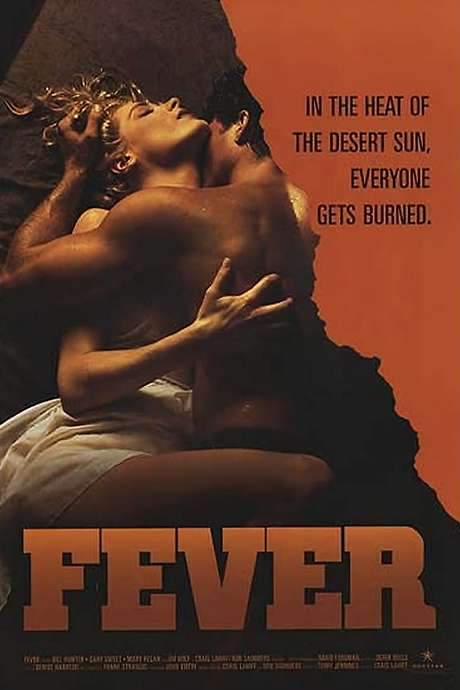
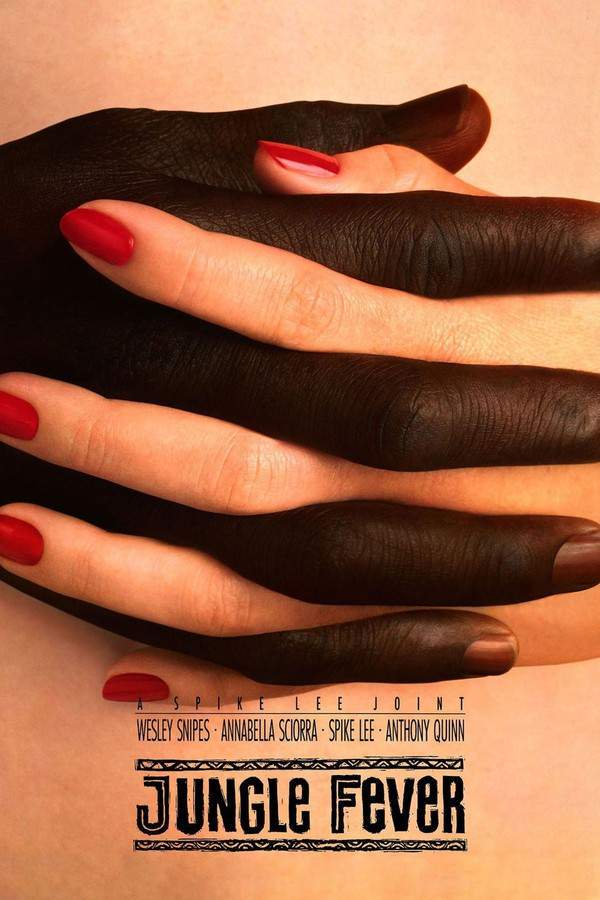
Jungle Fever (1991) movie poster

Plot Summary

Jungle Fever (1991) Plot Summary Explained

Release, runtime and language
1991 · 132 min · English
Loading streaming availability…
Directed by
Spike Lee
Starring
Samuel L. Jackson, John Turturro, Lonette McKee, Anthony Quinn, Wesley Snipes, Ossie Davis
Budget
$14M

A married Black lawyer’s passionate affair with a white secretary challenges societal expectations and strains personal relationships. As the truth of their relationship is revealed, the lawyer, Flipper, faces intense disapproval and must confront the repercussions of his actions. The drama explores themes of love, prejudice, and the complexities of navigating personal desires within a society grappling with deeply ingrained biases.

On this page (6)
  1. 1 Where to watch
  2. 2 What happens: full plot
  3. 3 Plot questions answered
  4. 4 Movie threads
  5. 5 Movies like Jungle Fever
  6. 6 Every angle
Loading streaming availability…

Full plot summary · contains spoilers

What Happens in Jungle Fever: Full Plot Summary

The whole story of Jungle Fever (1991) explained, from the opening scene to the final frame: every key event, every twist and what it all adds up to. Read it as a quick recap before the sequel, to check a scene you missed, or to finally understand what really happened.

Flipper Purify, played by Wesley Snipes, is a devotedly married African American man thriving in his career at an architectural firm in New York City. His life takes an unexpected turn when an Italian American woman, Angela "Angie" Tucci, portrayed by Annabella Sciorra, is brought on board as a temporary secretary. Flipper expresses his dissatisfaction to his partners, Jerry (Tim Robbins) and Leslie (Brad Dourif), desiring an African American secretary, but they insist on hiring "the best human being for the job."

Upon returning to his Harlem home after a visit with his close friend Cyrus (Spike Lee), Flipper shares the news of his promotion with his wife, Drew, played by Lonette McKee. Although Drew urges him to remain cautious in case his promotion gets revoked, Flipper reassures her not to stress about it. Meanwhile, Angie heads back to her home in Bensonhurst, where she prepares dinner for her father Mike (Frank Vincent) and her two brothers, Charlie (David Dundara) and Jimmy (Michael Imperioli). Her boyfriend, Paulie Carbone, played by John Turturro, arrives to take her out for a date. Paulie, a regular Italian-American man working at a grocery store, faces antagonism from Angie's brothers, who threaten him over his intentions with Angie.

As night falls, Flipper and Angie find themselves working late at the office, which leads to a casual conversation about cooking. Their work atmosphere shifts, culminating in a dinner within his office, resulting in a compromising moment on his desk. The subsequent day, Flipper walks his daughter silently to school, reflecting a new tension in his life. At the office, he voices his desire to become a partner, but after his request is dismissed, he makes the impulsive decision to quit, asserting that his contributions have significantly benefited the firm. Leslie suggests they require "a little more time," while Jerry reacts angrily to his resignation, implying it's Flipper's ego that's dictating his choices.

Later that evening in the park, Flipper confesses his unfaithfulness to Cyrus. Their discussion is disrupted by the sudden arrival of Flipper's older brother, Gator, portrayed by Samuel L. Jackson, who begs Flipper for cash to sustain his drug habit. Despite a moment of resistance, Flipper ultimately succumbs to familial obligation.

Meanwhile, Angie confides in her friends about her relationship with Flipper, shocking them when she discloses his race. Despite her plea for secrecy, the gossiping continues, inevitably reaching her brothers and father Mike. The following evening, Flipper and Angie experience blatant hostility from the restaurant staff due to their interracial relationship. Flipper's complaint to an African-American waitress (Queen Latifah) only elicits a reprimand for his choice in partners. Returning home, Flipper finds a furious Drew tossing his belongings from the window, leading him to temporarily move back in with his parents, Lucinda (Ruby Dee) and the Good Reverend Doctor (Ossie Davis).

As tensions heighten, Flipper confronts Cyrus over the betrayal regarding their private matters, only to discover that Cyrus's wife Vera has spread rumors, straining their friendship. Flipper's anger leads to his definitive break with Cyrus as he grapples with the idea that loyalty lies with family, regardless of their judgment.

In a bid to reconcile with Drew, Flipper brings her flowers at her workplace, only to have them rejected amid a heated argument. At the same time, Angie chooses to end her relationship with Paulie, who receives emotional support from his father Lou (Anthony Quinn) after his heartbreak. Upon returning home, Angie faces violence from her father Mike for dating a black man, leading her to move in with Flipper.

Their cohabitation brings its set of challenges, especially when a dinner with Flipper's parents reveals their disapproval of their son's interracial relationship. As societal pressures mount, their relationship becomes increasingly strained. A pivotal moment occurs when two police officers, Officer Long (Rick Aiello) and Officer Ponte (Miguel Sandoval), nearly arrest Flipper after a false report claiming a white woman is in distress, misinterpreting their relationship.

When Angie confesses her romantic involvement with Flipper to Paulie, he becomes devastated, spurring him to seek connection with a black female regular customer named Orin Goode (Tyra Ferrell). However, familial racism complicates his pursuits, leading to conflicts with his friends and disappointing outcomes even when he persists.

As the story unfolds, a desperate Gator invades his parent's home, demanding money, resulting in a violent confrontation with the Reverend. In a moment riddled with tension, the Reverend inflicts a life-altering injury on Gator, who passes away in Lucinda's arms.

Ultimately, Flipper acknowledges the superficiality underlying his relationship with Angie, leading to a poignant breakup where they both recognize their mutual curiosity regarding interracial dating. Returning home, Angie apologizes to her father for the turmoil her relationship has caused.

In the end, Flipper finds himself in a questionable position with Drew once more, engaging in an intimate encounter despite the unresolved issues between them. As he leaves, he bids farewell to his daughter, Ming (Veronica Timbers), before experiencing a shocking encounter with a young girl soliciting him for sex, provoking a visceral reaction of horror. This confrontation serves as a haunting reminder of the cyclical nature of their struggles, leaving the audience to contemplate the deeper implications of their journey.
Last updated: November 03, 2024 at 22:34

Was this helpful?

Plot questions answered

Jungle Fever Plot Explained: Your Questions Answered

The questions people ask most about Jungle Fever (1991): what happens in the confusing scenes, why the characters do what they do, the twists, hidden details and what the ending means. Each answer contains spoilers.

Q1

Why does Flipper quit his architectural job?

Flipper quits his job at the architectural firm after his partners reject his request to become a partner. Though he had contributed significantly to the firm's success, they tell him they need more time to consider his partnership. Frustrated by this dismissal and feeling unappreciated despite his contributions, he impulsively resigns on the spot, telling them they've benefited greatly from his work.

Foreshadowing: Earlier in the film, Flipper expresses dissatisfaction about not having an African American secretary, showing his growing restlessness with the firm's decisions.

  • Flipper quit job
  • architectural firm
  • partnership
  • betrayal
Q2

How does Gator die in the film?

Gator, Flipper's older brother who is addicted to heroin, desperately breaks into his parents' home demanding money from the Reverend. During the violent confrontation that ensues, the Reverend accidentally kills Gator in a scuffle. Gator dies in his mother Lucinda's arms, making the tragic incident a devastating family tragedy.

Foreshadowing: Gator previously appeared in the park asking Flipper for money to feed his drug habit, establishing his desperation and the pattern of familial conflict surrounding his addiction.

  • Gator death
  • Reverend
  • drug addiction
  • family tragedy
Q3

Why do Flipper and Angie break up?

Flipper and Angie mutually recognize that their relationship was built more on curiosity about each other's worlds rather than genuine love. The constant societal pressure, family disapproval, and racial hostility take a heavy toll. They acknowledge their relationship lacks depth, leading to a poignant breakup where both accept their mutual curiosity about interracial dating has run its course.

Foreshadowing: Their relationship began as an impulsive office encounter, and throughout the film, they struggle with cultural differences and external hatred that strains any real connection.

  • Flipper Angie breakup
  • interracial relationship
  • mutual curiosity
Q4

Why does Drew throw Flipper's belongings out the window?

Drew discovers Flipper's infidelity with Angie and is furious. She literally tosses his belongings out of their window to symbolically remove him from her life and home. This explosive reaction marks the definitive end of their marriage, forcing Flipper to move back in with his parents.

Foreshadowing: Earlier, Drew had urged Flipper to be cautious about his promotion, hinting at underlying tension and instability in their relationship.

  • Drew anger
  • infidelity
  • marriage breakdown
  • belongings
Q5

Why do police officers almost arrest Flipper?

Police officers respond to a false report claiming a white woman is in distress at Flipper's location. When they arrive, they misinterpret the situation involving Flipper and Angie, nearly arresting Flipper simply because of their interracial relationship. This incident highlights the racial profiling and prejudice they face throughout the film.

Foreshadowing: Earlier, Flipper and Angie experience hostility at a restaurant, establishing the theme of societal suspicion toward their relationship.

  • police arrest
  • racial profiling
  • false report
  • interracial couple
Q6

Why does Angie's father Mike react violently to her relationship?

When Angie's father Mike learns that she is dating a Black man, he physically attacks her in a violent outburst. This brutal reaction stems from deep-seated racist attitudes within the Italian-American family. The violence forces Angie to leave her home and move in with Flipper, severing ties with her family.

Foreshadowing: Angie's brothers previously threatened Paulie about his intentions with her, showing the family's possessive and controlling nature over her relationships.

  • Mike violence
  • Angie father
  • racism
  • family rejection
Q7

Why does Flipper's friendship with Cyrus end?

Flipper confronts Cyrus after learning that rumors about his affair have spread. He believes Cyrus betrayed his confidence. The conflict reveals that Cyrus's wife Vera was the source of the gossip, but the damage is done. Flipper decides loyalty to family matters more, even if family judges him harshly, and ends the friendship.

Foreshadowing: Flipper confesses his infidelity to Cyrus in the park, establishing their close friendship that becomes fractured by this betrayal.

  • Cyrus friendship
  • betrayal
  • rumors
  • loyalty
Q8

Why does Paulie try to date a Black woman after Angie leaves him?

After Angie confesses her romantic involvement with Flipper, Paulie is devastated and seeks revenge by pursuing a Black female regular customer named Orin Goode. However, his attempt at revenge dating fails due to racism from his own friends and the complexities of using someone as a pawn in his emotional revenge. He faces rejection and disappointment.

Foreshadowing: Paulie's initial relationship with Angie was already challenged by her brothers' hostility, showing the theme of territorial control over women.

  • Paulie revenge
  • dating Black woman
  • Orin Goode
  • emotional pain
Q9

Why do Flipper's parents disapprove of his relationship with Angie?

When Flipper brings Angie to dinner at his parents' home, both his mother Lucinda and the Reverend express clear disapproval of their son's interracial relationship. Their disapproval reflects their own struggle with societal expectations and possibly internalize the prejudice their son faces from the outside world, creating a painful paradox for Flipper.

Foreshadowing: The Reverend's rigid moral stance and Lucinda's traditional values were established earlier in the film.

  • Flipper parents
  • Lucinda
  • Reverend
  • disapproval
  • interracial
Q10

What does the disturbing ending encounter mean?

At the film's end, after Flipper attempts to reconcile with his wife Drew, he leaves and is approached by a young girl soliciting him for sex. He reacts with horror at this encounter. This haunting moment suggests the cyclical nature of struggles in his life, temptation, moral compromise, and the generational patterns of dysfunction that continue to plague him, leaving his future uncertain.

Foreshadowing: Earlier, Gator's drug addiction and desperate behavior foreshadowed cycles of self-destruction within the family.

  • ending interpretation
  • prostitute
  • cycle
  • horror
  • ambiguity
Q11

Why does Flipper return to Drew despite their issues?

Despite the breakdown of their marriage due to his affair, Flipper finds himself back with Drew, engaging in an intimate encounter. His return appears driven more by familiar comfort and unresolved patterns rather than genuine reconciliation. The ambiguous nature of their reunion suggests a cycle of dysfunction, as his final disturbing encounter hints at continued moral struggles.

Foreshadowing: Drew's earlier warning about his promotion being revoked and her concern for stability hint at their troubled dynamic.

  • Flipper Drew reconciliation
  • return marriage
  • unresolved issues

Movie threads

More Movies Like Jungle Fever, by Mood & Story

Curated lists built around what makes Jungle Fever tick: the same mood, the same kind of story or the same emotional payoff. Each list explains why these movies belong together.

Movies about forbidden desires and societal pressure like Jungle Fever

Stories where personal relationships are tested by deeply ingrained prejudices. If you liked Jungle Fever, you'll find similar movies here that explore controversial relationships, interracial romance, and the heavy weight of societal judgment. These dramas focus on characters whose personal choices are met with intense external pressure, prejudice, and family conflict, leading to emotionally heavy, tense viewing experiences.

  • tense
  • confrontational
  • uncomfortable
  • gritty
  • melancholic
  • anxious
  • Tone: tense, confrontational, melancholic
  • Pacing: steady, methodical escalation
Why these movies?

The story pattern: These narratives typically follow a character or couple whose relationship is deemed taboo by their community, family, or society at large. The central conflict stems from external forces—prejudice, tradition, moral codes—that systematically challenge and attempt to dismantle the bond, forcing characters to confront their own identities and the personal cost of their choices.

Why they belong together: This thread groups movies that share a core theme of forbidden love or desires being crushed by societal pressure. They are united by a tense, confrontational tone, heavy emotional weight, and a focus on the destructive impact of bias and hypocrisy on personal happiness.

Movies about the destructive fallout of affairs like Jungle Fever

Intense affairs that collapse under the weight of their own consequences. Find movies similar to Jungle Fever that explore the bitter aftermath of adultery and passionate affairs. These films depict intense romantic connections that unravel due to addiction, betrayal, and family conflict, leading to bleak or bittersweet endings where characters face irreversible damage to their lives and relationships.

  • melancholic
  • tense
  • passionate
  • tragic
  • uncomfortable
  • gritty
  • Tone: tense, melancholic, bittersweet
  • Pacing: steady, consequential
Why these movies?

The story pattern: The narrative pattern follows a passionate, often illicit, romance that begins with intensity but is doomed from the start. The story methodically chronicles the chain reaction of consequences—betrayal, broken trust, collateral damage to family and friends—culminating in an ending where the passion is extinguished, leaving behind only regret and a fractured reality.

Why they belong together: These movies are grouped by their shared focus on a passionate romance that serves as a catalyst for destruction. They share a high emotional intensity, a steady pace that builds toward inevitable collapse, and a bittersweet or bleak ending feel that emphasizes the high cost of fleeting desire.

If you liked this

Movies Like Jungle Fever

Similar movies to Jungle Fever: the same genre, themes or kind of story. Each one comes with its own plot summary, timeline and ending explained.

Browse all movie summaries

Every angle

Jungle Fever (1991) Explained: Plot, Timeline & Characters

Everything about Jungle Fever in one place: what happens in the plot summary, the timeline in chronological order, the characters and meaning and a spoiler-free summary. What's After the Movie adds the cast, box office and post-credit scenes.

Coming soon on iOS and Android

The Plot Explained Movie Summary App

Plot summaries, endings explained and timelines on your phone. Catch up on any movie in minutes, save your favorites and never miss a twist again.

Be the first to know when we launch. Your email stays private, always.

Learn more about the app