Plot Explained Spoilers guaranteed!
Plot Explained

Browse by genre

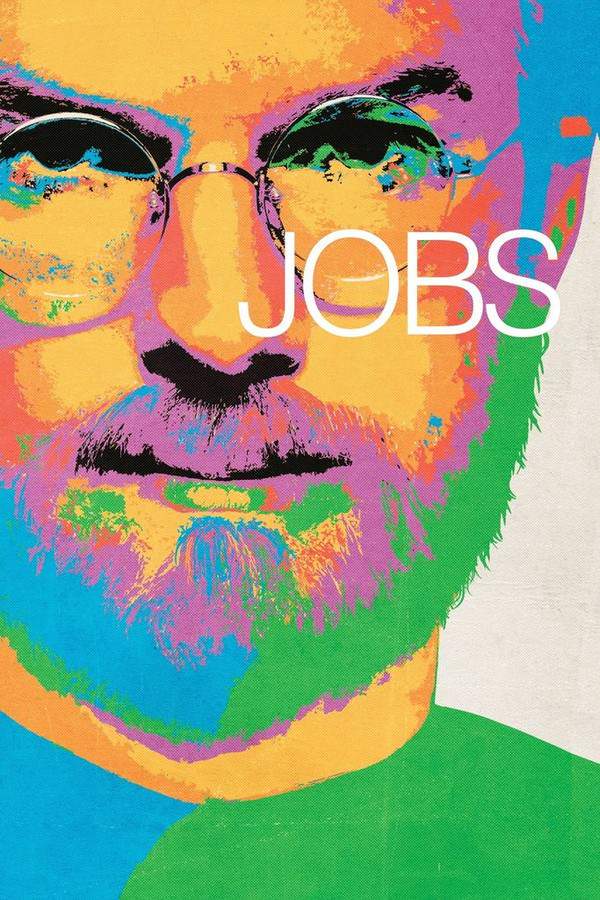
Jobs (2013) movie poster

Timeline

Jobs (2013) Timeline Explained – Every Event in Order

Release, runtime and language
2013 · 128 min · English
Loading streaming availability…
Directed by
Joshua Michael Stern
Starring
J.K. Simmons, Lukas Haas, Lesley Ann Warren, James Woods, Dermot Mulroney, Matthew Modine
Budget
$12M

In 1976, a rebellious Steve Jobs drops out of college and joins forces with the tech-savvy Wozniak to build the Apple 1 computer in a garage. Their creation sparks a technological revolution and launches Apple into the spotlight. The film explores Jobs’s journey as a visionary leader, depicting his successes and the challenges he faced, ultimately leading to a dramatic downfall and a pivotal moment in the history of innovation, ambition, and the relentless pursuit of perfection.

On this page (6)
  1. 1 Where to watch
  2. 2 Events in order (16)
  3. 3 Timeline questions answered
  4. 4 Movie threads
  5. 5 Movies like Jobs
  6. 6 Every angle
Loading streaming availability…

16 events in order · contains spoilers

Jobs Timeline: Events in Chronological Order

Every key event of Jobs (2013) in order, scene by scene, with when and where it takes place. Use it to untangle flashbacks, time jumps and parallel storylines, to refresh your memory before the sequel or to find the exact scene you are thinking of.

  1. iPod Unveiling

    In 2001, Steve Jobs reveals the iPod during an Apple Town Hall meeting. This moment marks a significant leap in personal technology, showcasing Apple's innovative spirit and setting the stage for the company's future successes.

    When
    2001
    Where
    Apple Town Hall
  2. Jobs at Reed College

    The story flashes back to 1974, where Jobs is attending Reed College after dropping out. Despite his decision, he still takes classes, seeking knowledge and inspiration, particularly from a calligraphy course.

    When
    1974
    Where
    Reed College
  3. Reconnecting with Daniel Kottke

    During his time at Reed, Jobs reconnects with friend Daniel Kottke, who excitedly sees him reading 'Be Here Now' by Baba Ram Dass. This meeting embarks them on a transformative journey that includes experimental experiences with LSD.

  4. Trip to India

    Jobs and Kottke's shared experiences lead them to India, seeking enlightenment and deeper understanding. This journey becomes a pivotal moment in Jobs' life, influencing his approach to business and design.

    Where
    India
  5. Apple Computer Foundation

    In 1976, Jobs returns to Los Altos, California, living with his adoptive parents. He partners with Steve Wozniak, who has developed the Apple I. Despite potential legal conflicts with Apple Records, they start their own company, Apple Computer.

    When
    1976
    Where
    Los Altos, California
  6. Homebrew Computer Club Demonstration

    Wozniak showcases the Apple I at the Homebrew Computer Club, which helps them secure a critical contract with Paul Terrell. This demonstration proves vital in establishing their presence in the burgeoning personal computer market.

    Where
    Homebrew Computer Club
  7. Transforming the Garage

    Jobs transforms his family's garage into a workplace for Apple Computer. As they gather a talented team, they work tirelessly to bring the Apple I to life, illustrating the humble beginnings of their tech empire.

    Where
    Family Garage
  8. Funding from Mike Markkula

    After facing initial setbacks, Jobs and Wozniak secure essential funding from Mike Markkula. This financial backing enables them to push forward with their vision for Apple, turning it into a legitimate startup.

  9. Launch of Apple II

    In 1977, Jobs and Wozniak unveil the Apple II at the West Coast Computer Faire. This product becomes a landmark success, propelling them into the spotlight and laying the groundwork for future products.

    When
    1977
    Where
    West Coast Computer Faire
  10. Personal Turmoil

    With their rapid success, Jobs experiences personal estrangement from longtime friends and his girlfriend, Chris-Ann Brennan. When she reveals her pregnancy, Jobs denies paternity, complicating his personal life.

  11. Hiring John Sculley

    To stabilize Apple, Jobs recruits John Sculley as CEO. This decision marks a critical turning point for both Jobs and the company, as he seeks to align leadership with the company's fast-paced growth.

  12. Leadership Changes

    Jobs faces challenges within the company, leading to his removal from the Lisa project. He is designated to lead the Macintosh Group, where tensions rise as he asserts control over the original team.

  13. Macintosh Launch

    The Macintosh is launched in 1984 to significant acclaim, showcasing Jobs' vision for personal computing. However, the success is overshadowed by internal conflicts and changes within the company’s structure.

    When
    1984
  14. Ousting from Apple

    By 1985, Jobs is forced out of Apple by Sculley, marking a painful chapter in his career. This ousting leads Jobs to explore new ventures, including the founding of NeXT.

    When
    1985
  15. Return to Apple

    In 1996, after years away from Apple, Jobs is invited back as CEO, leading to a period of revitalization. He dismisses former adversaries and fuels innovations that reestablish Apple's position in the tech industry.

    When
    1996
  16. Think Different Commercial

    The film concludes with Jobs recording dialogue for the iconic Think Different commercial. This moment symbolizes his enduring influence on the company and his role in shaping modern technology.

    When
    1997

Last updated: October 27, 2024 at 21:53

Was this helpful?

Timeline questions answered

Jobs Timeline Explained: Your Questions Answered

When does it happen, and why in that order? The questions people ask about the chronology of Jobs (2013): time jumps, flashbacks, cause and effect between scenes and the correct order of events, each answered with spoilers.

Q1

Why did Steve Jobs drop out of college but still stay at Reed?

Jobs dropped out of Reed College because he couldn't afford the tuition after one semester. However, he stayed enrolled and continued attending classes for the next 18 months, auditing courses that interested him like calligraphy. Dean Jack Dudman allowed him to remain at the school and even took a personal interest in his education.

Foreshadowing: His obsession with calligraphy later influenced the design of the Macintosh's typography.

  • steve jobs
  • reed college
  • drop out
  • education
  • calligraphy
Q2

Why did Steve Jobs travel to India?

Jobs traveled to India seeking spiritual enlightenment after his experiences with LSD and reading Baba Ram Dass's book 'Be Here Now.' He went with friend Daniel Kottke to visit the ashrams of India and explore Eastern spirituality, looking for deeper meaning after his experimental phase.

Foreshadowing: The India trip marked the beginning of Jobs' lifelong interest in combining spirituality with technology.

  • steve jobs
  • india
  • trip
  • spirituality
  • daniel kottke
  • enlightenment
Q3

How did Steve Jobs and Steve Wozniak start Apple together?

Jobs was working at Atari when he learned that his friend Steve Wozniak had built a personal computer called the Apple I. Jobs convinced Wozniak to go into business with him, and they founded Apple Computer in Jobs' parents' garage in 1976. Jobs handled the business side while Wozniak focused on the technical engineering.

Foreshadowing: Their partnership at the Homebrew Computer Club would lead to a multi-billion dollar company.

  • steve jobs
  • steve wozniak
  • apple computer
  • founded
  • partnership
  • garage
Q4

Why did Steve Jobs deny that Lisa was his daughter?

Jobs denied paternity when his high school girlfriend Chris-Ann Brennan told him she was pregnant with his child. He refused to accept responsibility and denied that Lisa was his daughter, even when presented with evidence. This denial caused a rift in their relationship and affected Lisa's childhood, though Jobs eventually acknowledged her years later.

Foreshadowing: Jobs' denial of Lisa created a central emotional conflict that the film resolves with their reconciliation.

  • steve jobs
  • lisa brennan-jobs
  • daughter
  • denial
  • paternity
  • chris-ann brennan
Q5

Why was Steve Jobs fired from Apple?

Jobs was ousted from Apple in 1985 by CEO John Sculley, who had been hired by Jobs himself. Sculley convinced the board that Jobs was too erratic and difficult to work with. Jobs had been leading the Macintosh division but clashed with other executives over company direction. The board voted to remove Jobs from his operational duties, forcing him to leave the company he founded.

Foreshadowing: Jobs' ousting set the stage for his eventual triumphant return over a decade later.

  • steve jobs
  • fired
  • apple
  • john sculley
  • ousted
  • macintosh
Q6

How did Steve Jobs return to Apple as CEO?

In 1996, Apple was struggling financially and CEO Gil Amelio brought Jobs in as a consultant. Apple eventually bought Jobs' company NeXT, and the board realized they needed Jobs to save the company. Jobs was reinstated as CEO, dismissed Amelio, and transformed Apple with innovations like the iMac and iPod, leading to the company's resurgence.

Foreshadowing: The 2001 iPod launch shown at the beginning of the film was one result of his return.

  • steve jobs
  • return
  • apple
  • ceo
  • gil amelio
  • next
  • 1996
Q7

Why did Steve Jobs push Jef Raskin out of the Macintosh project?

Jobs took over the Macintosh Group after being removed from the Lisa project. He systematically pushed out the original leader, Jef Raskin, who had been instrumental in conceiving the Mac. Jobs wanted full control over the project's direction and believed his vision for the computer was superior. Raskin left Apple as a result of Jobs' takeover of the team.

Foreshadowing: This aggressive leadership style was typical of Jobs throughout his career.

  • steve jobs
  • jef raskin
  • macintosh
  • pushed out
  • leadership
  • apple
Q8

What was the Think Different commercial about?

The Think Different commercial was an iconic Apple advertisement that Jobs created after returning to the company in 1997. It featured famous innovators and creatives like Einstein, Picasso, and Martin Luther King Jr., celebrating 'the people who are crazy enough to think they can change the world.' The commercial symbolized Apple's identity under Jobs' renewed leadership.

  • think different
  • commercial
  • apple
  • advertisement
  • 1997
  • steve jobs
Q9

How did the Apple II computer become successful?

The Apple II became successful after Wozniak unveiled it at the 1977 West Coast Computer Faire. Unlike the Apple I, it was a complete, ready-to-use personal computer with color graphics and an attractive design. The demo caught attention, leading to massive orders. It became the first mass-produced personal computer and established Apple as an industry leader.

Foreshadowing: The success of Apple II funded the development of the Macintosh project.

  • apple ii
  • successful
  • steve wozniak
  • west coast computer faire
  • 1977
  • launch
Q10

Why was there a naming conflict between Apple Computer and Apple Records?

When Jobs and Wozniak named their company Apple Computer, there was already a company called Apple Records owned by The Beatles. Wozniak joked about this conflict, noting that Jobs preferred Bob Dylan (whose music was on Columbia Records) over The Beatles. Despite concerns about potential legal issues, they proceeded with the name, eventually reaching a settlement with Apple Records.

  • apple records
  • apple computer
  • beatles
  • bob dylan
  • name conflict
  • legal

Movie threads

More Movies Like Jobs, by Mood & Story

Curated lists built around what makes Jobs tick: the same mood, the same kind of story or the same emotional payoff. Each list explains why these movies belong together.

Visionary Innovation Biopics Like Jobs

Dramatic stories of ambitious visionaries who change the world. Explore movies like Jobs that dramatize the lives of ambitious inventors and business leaders. If you enjoyed the story of Steve Jobs, you'll find similar tales of technological breakthroughs, boardroom battles, and the personal cost of genius in these gripping biographical dramas.

  • inspiring
  • driven
  • tense
  • transformative
  • ambitious
  • estranged
  • Tone: hopeful, driven, tense
  • Pacing: fast, chronological
Why these movies?

The story pattern: The narrative follows a classic rise, fall, and redemption arc, focusing on a single-minded individual whose revolutionary idea disrupts an industry. The story is propelled by professional rivalry, personal betrayals, and the immense pressure of turning a vision into reality, ultimately culminating in a legacy-defining success.

Why they belong together: These movies are grouped by their focus on real-world innovation, medium-to-high emotional tension from business conflicts, and a hopeful tone that celebrates human achievement despite significant personal costs. They share a fast-paced structure that efficiently covers years of struggle and triumph.

Movies About the Cost of Ambition Like Jobs

Stories exploring the relationships sacrificed for great success. Discover films similar to Jobs that delve into the theme of ambition's personal toll. If the story of Steve Jobs's strained relationships resonated with you, these movies explore the moral compromises and emotional sacrifices often required for greatness in various fields.

  • ambitious
  • estranged
  • reflective
  • tense
  • driven
  • regretful
  • Tone: reflective, tense, bittersweet
  • Pacing: steady, character-driven
Why these movies?

The story pattern: The narrative centers on a protagonist whose singular focus on a goal leads to significant personal losses, often portrayed through the breakdown of key relationships. The story arc involves a period of reflection or crisis where the character must confront the consequences of their choices, sometimes leading to a late reconciliation or a bittersweet acknowledgment of what was lost.

Why they belong together: These movies share a medium emotional weight derived from the personal costs of success, a tension between professional triumph and personal failure, and reflective moments that question the price of ambition. They balance a transformative, ambitious vibe with a undercurrent of sadness from estrangement or betrayal.

If you liked this

Movies Like Jobs

Similar movies to Jobs: the same genre, themes or kind of story. Each one comes with its own plot summary, timeline and ending explained.

Browse all movie summaries

Every angle

Jobs (2013) Explained: Plot, Timeline & Characters

Everything about Jobs in one place: what happens in the plot summary, the timeline in chronological order, the characters and meaning and a spoiler-free summary. What's After the Movie adds the cast, box office and post-credit scenes.

Coming soon on iOS and Android

The Plot Explained Movie Summary App

Plot summaries, endings explained and timelines on your phone. Catch up on any movie in minutes, save your favorites and never miss a twist again.

Be the first to know when we launch. Your email stays private, always.

Learn more about the app