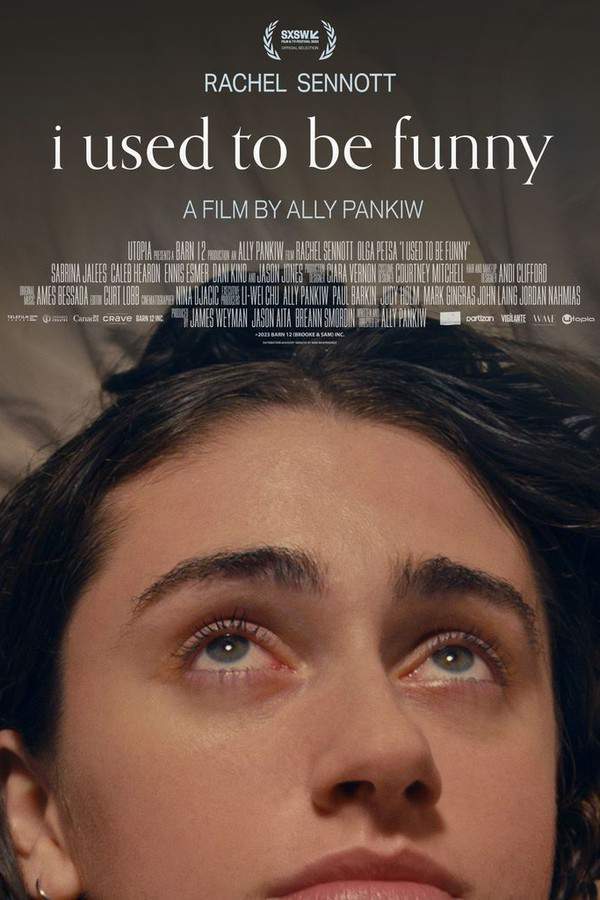
I Used to Be Funny
 #2,229 48
 Year: 2024
Runtime: 1 h 45 m
Language: english
Director: Ally Pankiw
Echo Score: 78Budget: $2M
When a former charge unexpectedly goes missing, aspiring comedian and au pair Sam Cowell’s life is thrown into turmoil. Haunted by PTSD and grappling with anxieties, she must confront her inner demons while joining the search for Brooke. This journey forces her to face her past and offers a chance to rediscover her voice and find her way forward.
Where to Watch I Used to Be Funny?
Find where to stream, rent, or buy I Used to Be Funny (2024) in the US with current JustWatch availability, up-to-date pricing, and platform listings for subscription, rental, and digital purchase options.









Streaming availability powered by 
Warning: spoilers below!
Haven’t seen I Used to Be Funny yet? This summary contains major spoilers. Bookmark the page, watch the movie, and come back for the full breakdown. If you're ready, scroll on and relive the story!
Timeline & Setting – I Used to Be Funny (2024)
Explore the full timeline and setting of I Used to Be Funny (2024). Follow every major event in chronological order and see how the environment shapes the story, characters, and dramatic tension.
Last updated: October 22, 2024 at 21:20
Main Characters – I Used to Be Funny (2024)
Meet the key characters of I Used to Be Funny (2024), with detailed profiles, motivations, and roles in the plot. Understand their emotional journeys and what they reveal about the film’s deeper themes.
Last updated: October 22, 2024 at 21:20
Major Themes – I Used to Be Funny (2024)
Explore the central themes of I Used to Be Funny (2024), from psychological, social, and emotional dimensions to philosophical messages. Understand what the film is really saying beneath the surface.
Last updated: October 22, 2024 at 21:20
I Used to Be Funny (2024) Character & Theme Questions Answered – Info FAQ
Browse frequently asked questions about I Used to Be Funny (2024) focused on characters, relationships, themes, symbols, setting, and story context. This movie info FAQ gives spoiler-aware explanations for character arcs, world details, and thematic interpretation so readers can better understand what the film is really about.
Where does the movie take place?
The film is set in contemporary times, primarily in musical venues in Peckham, London. Key locations include Peckham's Finest, a local pub known for its vibrant nightlife and live music performances, and Firestarter studios, a creative space for artists to collaborate and produce music.
What time period is the movie set in?
The movie takes place in modern contemporary times, reflecting the current struggles of musicians in today's competitive music industry. The setting captures the present-day challenges artists face when pursuing their passion in a world of constant rejection and evolving cultural landscapes.
What are the main themes of the movie?
The film explores three core themes: Music and Passion, which examines the joy and struggle of pursuing one's artistic dreams; Heartbreak and Healing, focusing on overcoming past trauma and grief; and Friendship and Support, highlighting how meaningful relationships can lead to personal renewal and purpose.
Who is Sam Cowell and what is her role?
Sam Cowell is a vibrant character portrayed by Rachel Sennott, whose passion for music resonates throughout the story. She serves as an encouraging presence who inspires those around her, especially Vince, to pursue their dreams. Her cheerful demeanor and keen insights during rehearsals make her a crucial element in the band's musical journey.
Who is Cameron Renner and what role does he play?
Cameron Renner is a multifaceted character who instills a sense of camaraderie within the musical group. His supportive nature provides a solid foundation for the band, emphasizing the importance of collaboration and trust among friends. Throughout the film, Cameron's presence brings positivity and encouragement, serving as an inspirational force.
Who is Brooke Renner in the story?
Brooke Renner is a supportive character who embodies the nurturing aspect of friendship within the film. Her investment in Stevie's musical aspirations highlights the importance of believing in one's potential. Brooke's connection with the band symbolizes the support structure that can foster talent and self-belief in aspiring musicians.
What does the Music and Passion theme represent?
Music serves as the backbone of the film, illustrating both the joy and struggle in pursuing one's passion. The characters navigate the highs and lows of their musical journey, emphasizing that true fulfillment comes from meaningful relationships rather than fleeting fame.
How does the Heartbreak and Healing theme play out?
The theme of heartbreak is prevalent in Vince's character as he grapples with his past, including the loss of his brother. His journey highlights the healing process that comes from building genuine connections and the impact of mentorship on personal growth. The film portrays how overcoming past wounds is essential for moving forward.
What is the Friendship and Support theme about?
The bond formed between Vince and Stevie is a core theme, showcasing how friendship helps overcome adversity. Their relationship illustrates how support systems can lead to personal development and offer a renewed sense of purpose. Together, they demonstrate that true success is not just about individual achievements but collective victories.
What kind of world does the movie portray?
The film portrays the competitive world of modern music, highlighting the struggles artists face in reclaiming past glory. It captures the challenges of pursuing one's passion while dealing with rejection, loss, and the longing to rediscover one's voice. The world is grounded in realistic portrayals of the music industry rather than glamorous stereotypes.
What is the overall tone and emotional weight of the film?
The film has a hopeful tone despite touching on heavy themes like grief, PTSD, and professional failure. The emotional weight remains medium as the story balances personal struggles with a consistently hopeful arc. It culminates in a happy ending that solidifies the bond between the main characters, emphasizing resolution and positive change.

Explore Movie Threads
Discover curated groups of movies connected by mood, themes, and story style. Browse collections built around emotion, atmosphere, and narrative focus to easily find films that match what you feel like watching right now.
Redemptive Journeys with Humor like I Used to Be Funny
Characters confronting their past find hope and healing through human connection. Explore movies like I Used to Be Funny, where characters find hope and healing through connection. This collection features uplifting dramedies about personal redemption, mentorship, and finding your way forward with a blend of heart and humor. If you enjoyed Sam's journey, you'll find similar stories here.









Narrative Summary
The narrative typically follows a protagonist burdened by a difficult past or recent failure. An external event or new relationship—often with a younger or more vulnerable person—forces them to engage with the world again. The story unfolds steadily, balancing moments of reflection and emotional weight with humor and small victories, culminating in a hopeful resolution that emphasizes personal growth over complete perfection.
Why These Movies?
Movies in this thread are grouped by their shared focus on redemption arcs that feel earned and authentic. They blend medium emotional weight with a consistently hopeful tone, using humor not to dismiss pain but to show resilience. The pacing is character-driven and steady, making the journey of healing feel realistic and rewarding.
Gentle Dramedies of Personal Growth like I Used to Be Funny
Quiet stories where overcoming internal struggles leads to finding one's voice. Find movies similar to I Used to Be Funny that sensitively explore mental health and finding your voice. These gentle dramedies focus on internal struggles, personal growth, and the supportive relationships that help characters move forward. If you liked the hopeful and reflective vibe, you'll enjoy these stories.
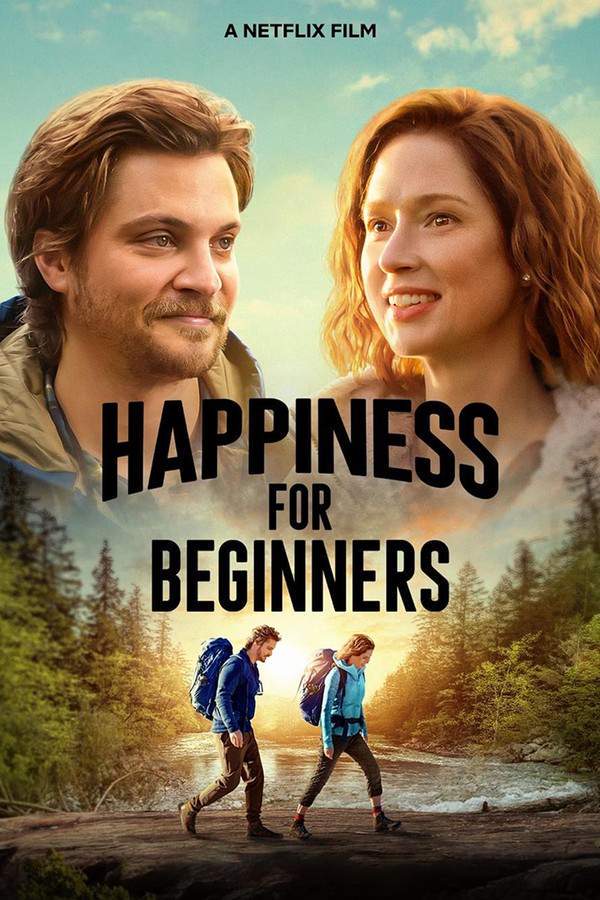
Happiness for Beginners
2023

Hope Springs
2003
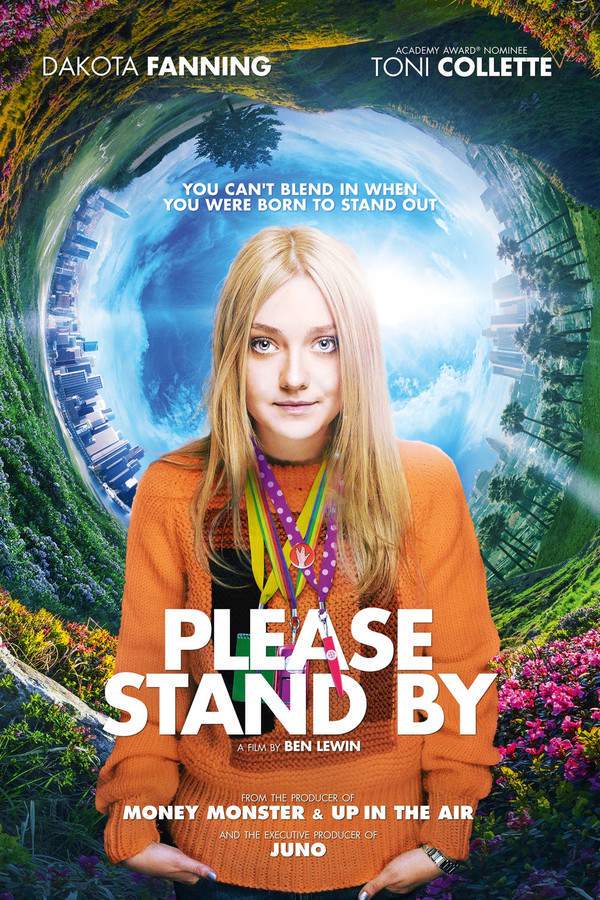
Please Stand By
2018
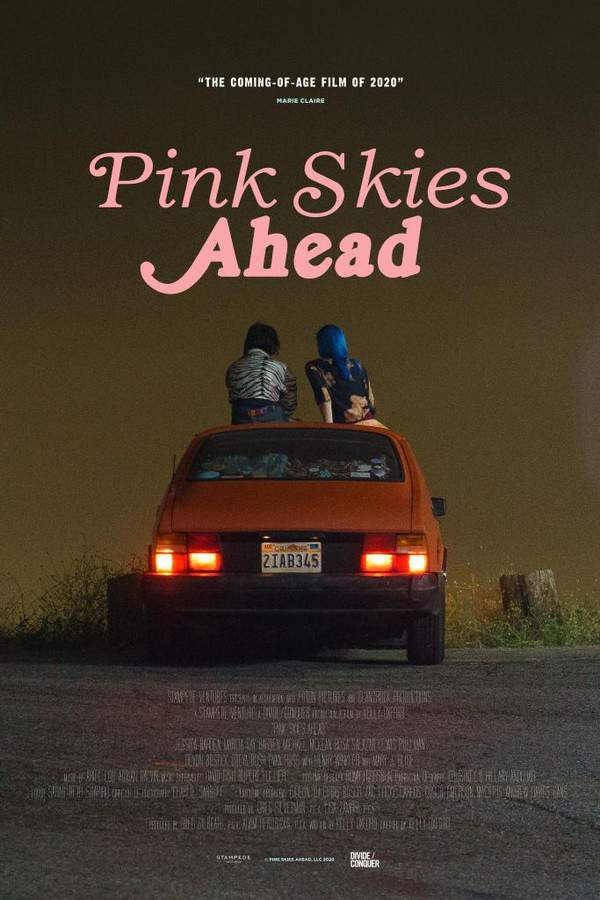
Pink Skies Ahead
2021

Dramatic School
1938

Where Hope Grows
2015

How Old Are You
2014
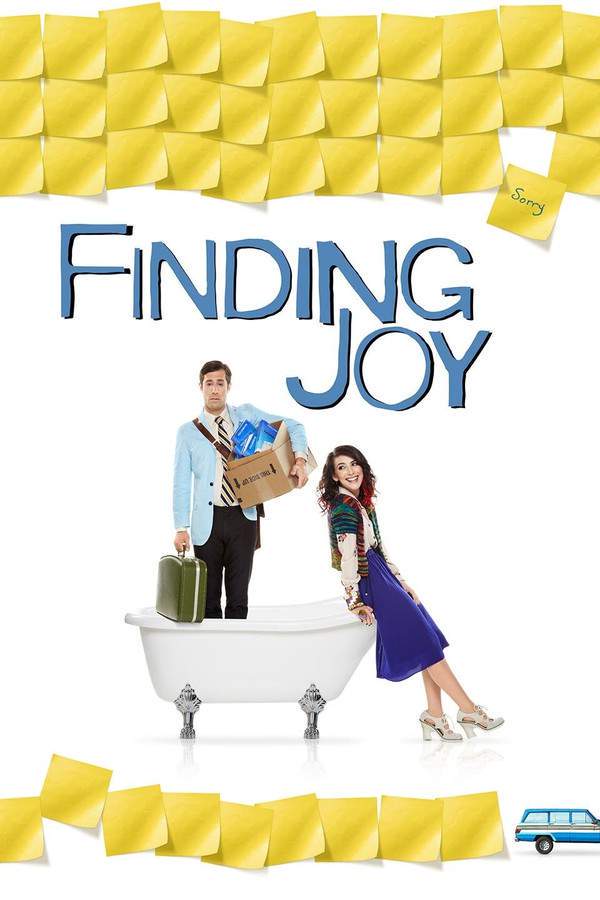
Finding Joy
2013

Tumse Na Ho Payega
2023

The Secret: Dare to Dream
2020

Second Act
2023
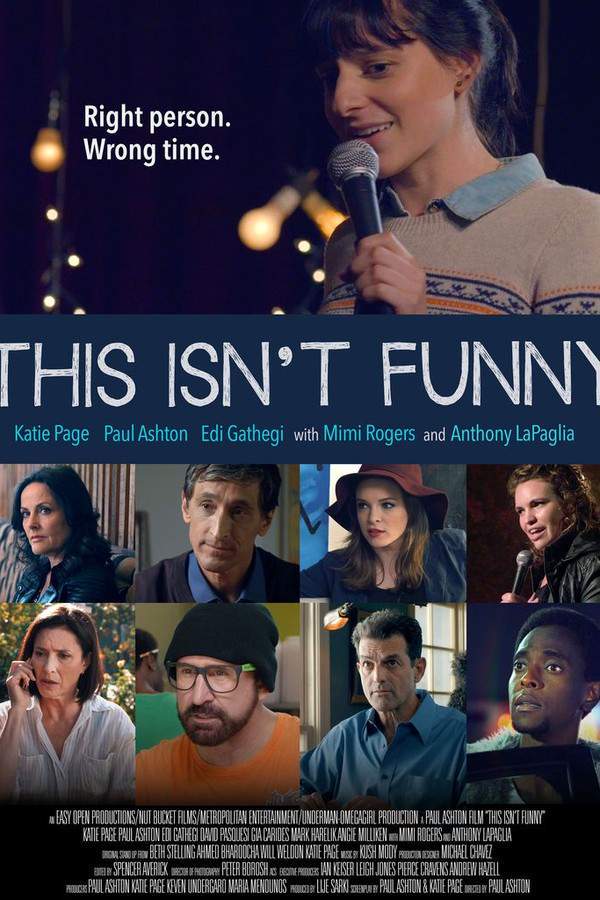
This Isn't Funny
2015
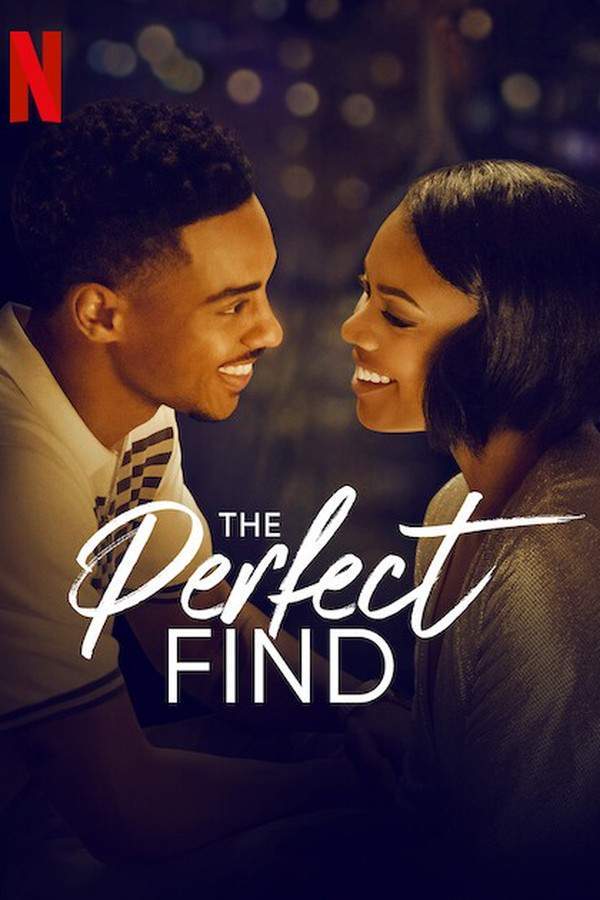
The Perfect Find
2023
I Used to Be Funny
2024

We Can Do That
2008
Narrative Summary
These narratives prioritize character interiority over external plot. The protagonist's journey is defined by managing their inner world—be it grief, anxiety, or trauma—while taking small, often difficult steps toward engagement and recovery. The plot serves the character arc, with a steady pace that allows for reflection and gradual change, leading to a conclusion that feels hopeful and earned.
Why These Movies?
These films share a specific mood blend: they are melancholic and reflective yet ultimately heartwarming and uplifting. They handle serious topics like PTSD or grief without becoming overwhelmingly heavy, maintaining a medium intensity and a straightforward narrative complexity that keeps the focus squarely on the emotional journey and personal breakthrough.
Unlock the Full Story of I Used to Be Funny
Don't stop at just watching - explore I Used to Be Funny in full detail. From the complete plot summary and scene-by-scene timeline to character breakdowns, thematic analysis, and a deep dive into the ending - every page helps you truly understand what I Used to Be Funny is all about. Plus, discover what's next after the movie.
I Used to Be Funny Summary
Read a complete plot summary of I Used to Be Funny, including all key story points, character arcs, and turning points. This in-depth recap is ideal for understanding the narrative structure or reviewing what happened in the movie.

I Used to Be Funny Timeline
Track the full timeline of I Used to Be Funny with every major event arranged chronologically. Perfect for decoding non-linear storytelling, flashbacks, or parallel narratives with a clear scene-by-scene breakdown.

I Used to Be Funny Ending Explained
What really happened at the end of I Used to Be Funny? This detailed ending explained page breaks down final scenes, hidden clues, and alternate interpretations with expert analysis and viewer theories.



Similar Movies to I Used to Be Funny
Discover movies like I Used to Be Funny that share similar genres, themes, and storytelling elements. Whether you’re drawn to the atmosphere, character arcs, or plot structure, these curated recommendations will help you explore more films you’ll love.
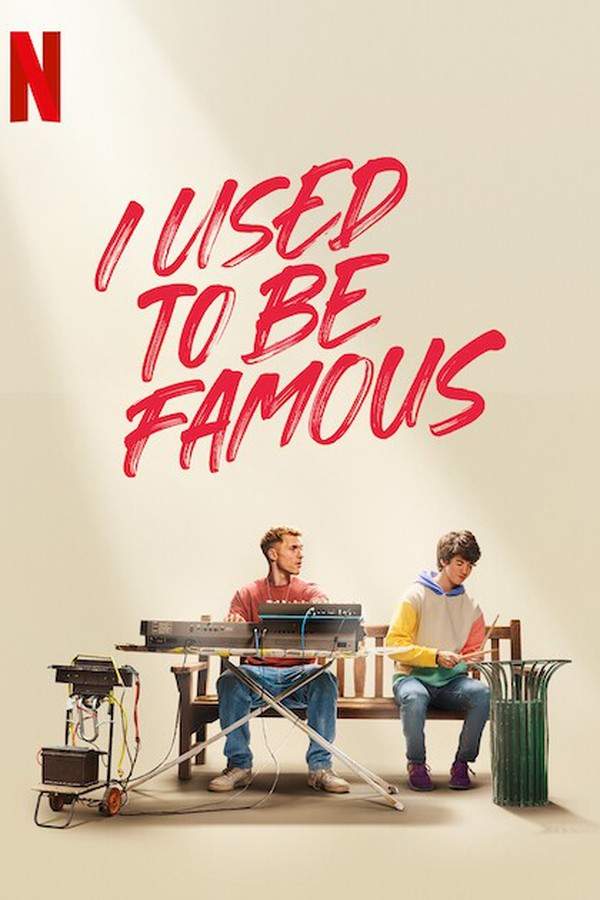
I Used to Be Famous
2022
This Isn't Funny
2015
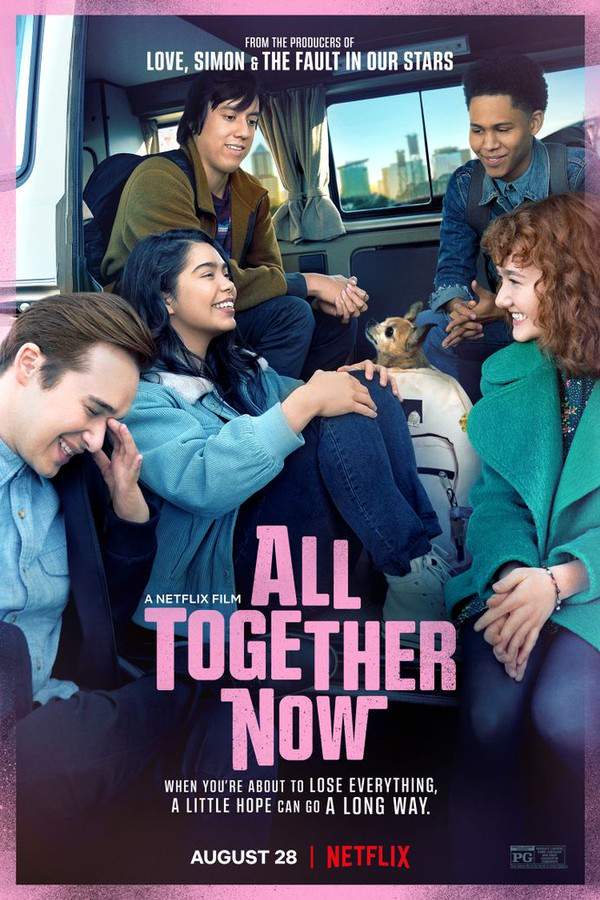
All Together Now
2020

Funny People
2009
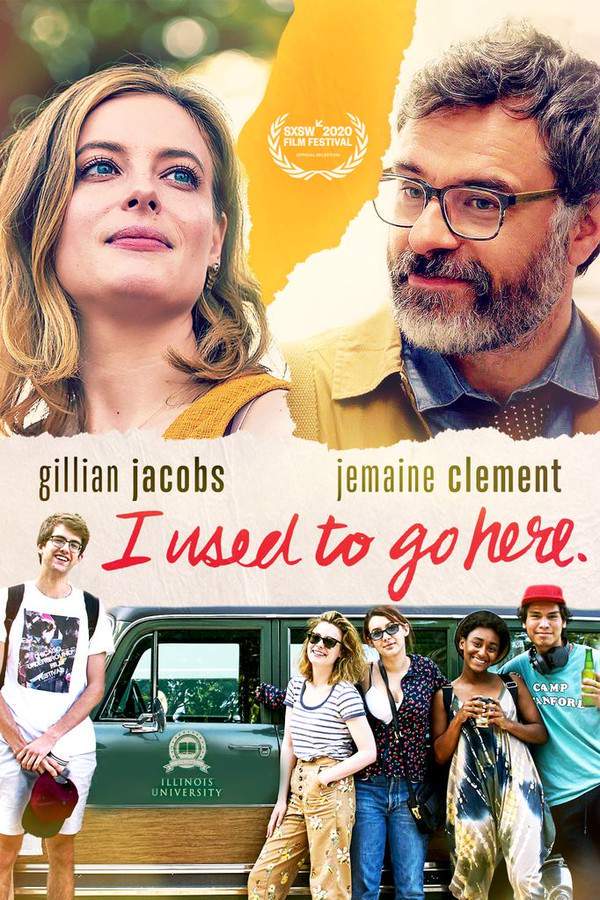
I Used to Go Here
2020

I Used to Be Darker
2013
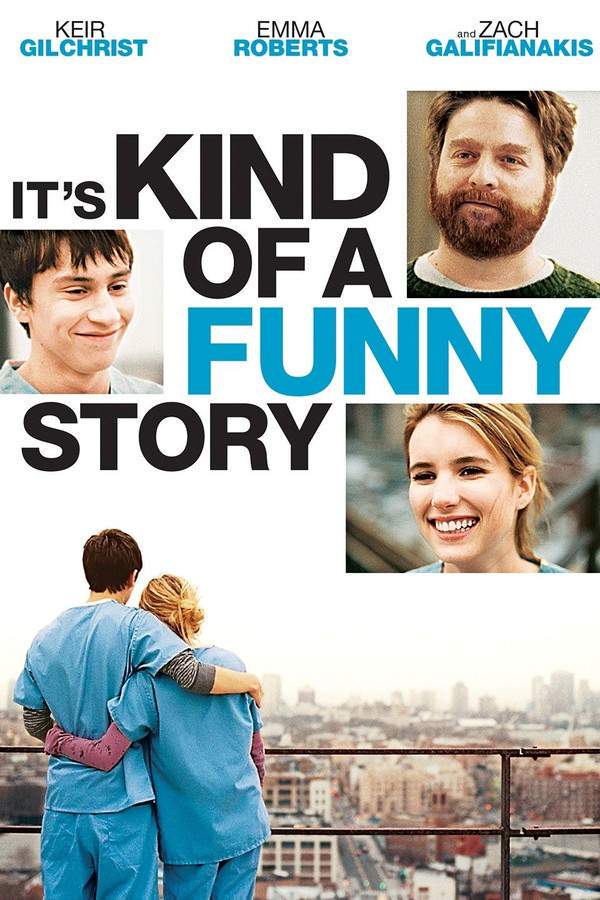
It's Kind of a Funny Story
2010

Funny Cow
2017

I’ll Be There
2003

The Funny Farm
1983

Only When I Laugh
1981

Before I Go
2021

Funnyman
1967

Not Friends
2023
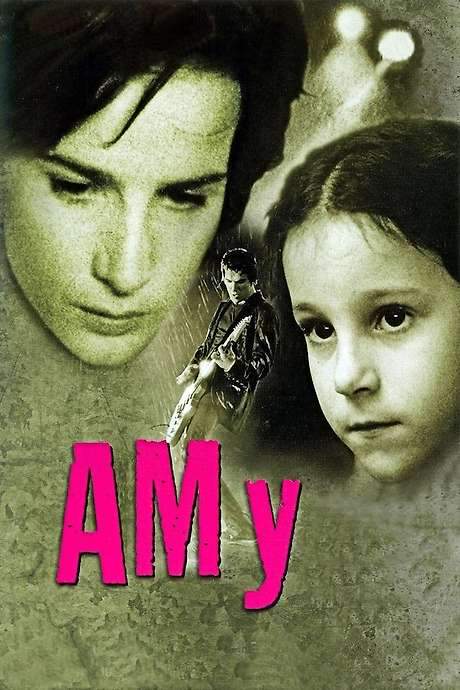
Amy
1997
Explore More About Movie I Used to Be Funny
I Used to Be Funny (2024) Plot Summary & Movie Recap
I Used to Be Funny (2024) Scene-by-Scene Movie Timeline
I Used to Be Funny (2024) Ending Explained & Theories
I Used to Be Funny (2024) Spoiler-Free Summary & Key Flow
Movies Like I Used to Be Funny – Similar Titles You’ll Enjoy
I Used to Be Famous (2022) Detailed Story Recap
This Isn't Funny (2015) Full Summary & Key Details
All Together Now (2020) Story Summary & Characters
Funny People (2009) Spoiler-Packed Plot Recap
I Used to Go Here (2020) Story Summary & Characters
I Used to Be Darker (2013) Full Movie Breakdown
It's Kind of a Funny Story (2010) Plot Summary & Ending Explained
Funny Cow (2017) Story Summary & Characters
I’ll Be There (2003) Detailed Story Recap
The Funny Farm (1983) Story Summary & Characters
Only When I Laugh (1981) Ending Explained & Film Insights
Before I Go (2021) Spoiler-Packed Plot Recap
Funnyman (1967) Plot Summary & Ending Explained
Not Friends (2023) Full Movie Breakdown
Amy (1997) Full Summary & Key Details