Year: 1962
Runtime: 90 min
Language: French
Director: Agnès Varda
A pop singer, Cléo, grapples with anxiety and uncertainty while awaiting biopsy results. Spending two hours wandering through Paris, she reflects on her life and relationships. Along the way, she encounters acquaintances and a soldier recently returned from war, whose experiences challenge her self-centered worldview. Through these interactions, Cléo begins a journey of introspection, ultimately gaining a new understanding of herself and the world around her.
Warning: spoilers below!
Haven’t seen Cléo from 5 to 7 yet? This summary contains major spoilers. Bookmark the page, watch the movie, and come back for the full breakdown. If you're ready, scroll on and relive the story!
Read the complete plot breakdown of Cléo from 5 to 7 (1962), including all key story events, major twists, and the ending explained in detail. Discover what really happened—and what it all means.
Singer Cléo Victoire embarks on a journey filled with existential dread and self-discovery after attending a tarot card reading that leaves her unsettled. The fortune teller reveals that an ominous force is looming over Cléo, exposing her to a doctor involved in a perilous undertaking. As the reading continues, Cléo is confronted with the Hanged Man card, signaling an impending negative shift in her life, and upon being asked about her health, she confirms her illness. The fortune teller then pulls the Death card, emphasizing that it symbolizes significant change rather than just mortality, yet Cléo succumbs to despair, believing doom is inevitable. In a moment of vulnerability, she seeks solace through a palm reading, but the fortune teller, unable to assist, leaves her seeking answers.
Distraught, Cléo encounters her maid, Angèle at a café, where she recounts the chilling details of her reading. Hearing Cléo’s agitation and thoughts of suicide in the face of possible cancer, Angèle comforts her with a café owner providing coffee for reassurance. The two engage in some retail therapy as they shop for hats, with Cléo choosing a striking black fur hat despite Angèle’s warning against wearing something new on a Tuesday. Cléo insists on taking the hat home, saying it would bring her comfort, yet they arrange for it to be sent to her residence instead.
During their taxi ride home, one of Cléo’s songs plays on the radio, reigniting her anxiety as news of the Algerian War fills the airwaves. They have an enlightening discussion with their female taxi driver about the perils she faces on the job. However, as they near Cléo’s home, she becomes nauseated, attributing this to her illness. Upon their arrival, Angèle advises Cléo not to disclose her condition to her lover as “men hate illness.” When her lover arrives, he expresses his busy schedule and only manages to spare a kiss, failing to acknowledge Cléo’s unspoken fears about her health.
Once he departs, Cléo is joined by Bob, a pianist, and Maurice, a songwriter, for rehearsal. They attempt to lighten the mood by jokingly pretending to be doctors, but Cléo isn’t amused. As they practice, a dark cloud looms over Cléo’s spirits as she performs “Sans toi,” which resonates deeply with her fear of death. Confidently, she remarks that while she is spoiled, true love is scarce, prompting her to leave abruptly.
Her journey continues as she ventures into town, where a street performer captivates her attention with an unusual act. At a café, Cléo plays her song on the jukebox but is dismayed to see it elicits no reaction from her surroundings. Shortly after, she visits Dorothée, an old friend who is modeling nude for sculptors. They share contrasting views on body image, and during their heartfelt conversation, Cléo confides her anxiety about her medical results.
At the cinema, they watch a silent comedy that features Jean-Luc Godard and Anna Karina, culminating in a poignant moment where a comedic turn of events lightens the mood after Karina’s character seemingly meets her end. However, as they leave, Cléo inadvertently breaks a mirror, interpreting it as a sign of misfortune related to an unfortunate event she later hears about at a nearby café.
With the day winding down, she decides to return to Parc Montsouris, where she meets Antoine, a sensitive soldier on leave from the war. He imparts a pensive reflection on mortality, encouraging Cléo to embrace her true name, Florence. Together, they ponder the weight of illness and the futility of dying in conflict. As they decide to journey together for her hospital appointment, things take a turn when Cléo learns the results of her tests are more manageable than expected, leaving her feeling a surge of optimism. Antoine expresses his desire to stay by her side, and as they share a tender moment under the vast sky, Cléo finally feels a sense of liberation from her fear, smiling brightly into what lies ahead.
Last Updated: November 15, 2024 at 19:13
Discover curated groups of movies connected by mood, themes, and story style. Browse collections built around emotion, atmosphere, and narrative focus to easily find films that match what you feel like watching right now.
Stories where a looming crisis sparks profound personal reflection in a compressed timeframe.Discover movies like Cléo from 5 to 7 that capture a character's profound existential journey unfolding in real-time over a single day. These films use a compressed timeframe to explore themes of mortality, self-discovery, and the search for meaning against the backdrop of everyday life.
Narratives in this thread typically follow a character awaiting news or confronting a pivotal event that forces them to re-evaluate their life. Structured around a tight timeline, the story unfolds through a series of small encounters and introspective moments, moving from anxiety and self-absorption towards a more grounded, hopeful acceptance of life's fragility.
Movies are grouped here based on their shared structure of a compressed timeframe, a protagonist facing an existential threat, and a focus on quiet, internal transformation over external plot. They share a melancholic but ultimately hopeful tone, blending urban realism with philosophical depth.
Quiet films where a solitary walk through a city becomes a journey of self-discovery.If you liked the wandering journey through Paris in Cléo from 5 to 7, explore these other films where a solitary walk through a city drives a story of melancholy and self-discovery. These movies use the urban environment to mirror a character's internal state and emotional growth.
The narrative pattern involves a protagonist, often in a state of emotional distress, walking aimlessly through a city. The plot is minimal, replaced by a series of vignettes, chance encounters, and observations that collectively chip away at their worldview. The physical journey parallels an emotional arc from isolation and anxiety towards connection and a new perspective.
These movies share a specific mood and structure: a slow, contemplative pace, a melancholic tone underpinned by a hopeful resolution, and the use of an urban setting as an active participant in the character's psychological journey. The focus is on atmosphere and internal change over conventional plot.
Don't stop at just watching — explore Cléo from 5 to 7 in full detail. From the complete plot summary and scene-by-scene timeline to character breakdowns, thematic analysis, and a deep dive into the ending — every page helps you truly understand what Cléo from 5 to 7 is all about. Plus, discover what's next after the movie.
Track the full timeline of Cléo from 5 to 7 with every major event arranged chronologically. Perfect for decoding non-linear storytelling, flashbacks, or parallel narratives with a clear scene-by-scene breakdown.
Discover the characters, locations, and core themes that shape Cléo from 5 to 7. Get insights into symbolic elements, setting significance, and deeper narrative meaning — ideal for thematic analysis and movie breakdowns.
Get a quick, spoiler-free overview of Cléo from 5 to 7 that covers the main plot points and key details without revealing any major twists or spoilers. Perfect for those who want to know what to expect before diving in.
Visit What's After the Movie to explore more about Cléo from 5 to 7: box office results, cast and crew info, production details, post-credit scenes, and external links — all in one place for movie fans and researchers.
Discover movies like Cléo from 5 to 7 that share similar genres, themes, and storytelling elements. Whether you’re drawn to the atmosphere, character arcs, or plot structure, these curated recommendations will help you explore more films you’ll love.
Cléo from 5 to 7 (1962) Scene-by-Scene Movie Timeline
Cléo from 5 to 7 (1962) Movie Characters, Themes & Settings
Cléo from 5 to 7 (1962) Spoiler-Free Summary & Key Flow
Movies Like Cléo from 5 to 7 – Similar Titles You’ll Enjoy
Full Moon in Paris (1984) Plot Summary & Ending Explained
Amélie (2001) Ending Explained & Film Insights
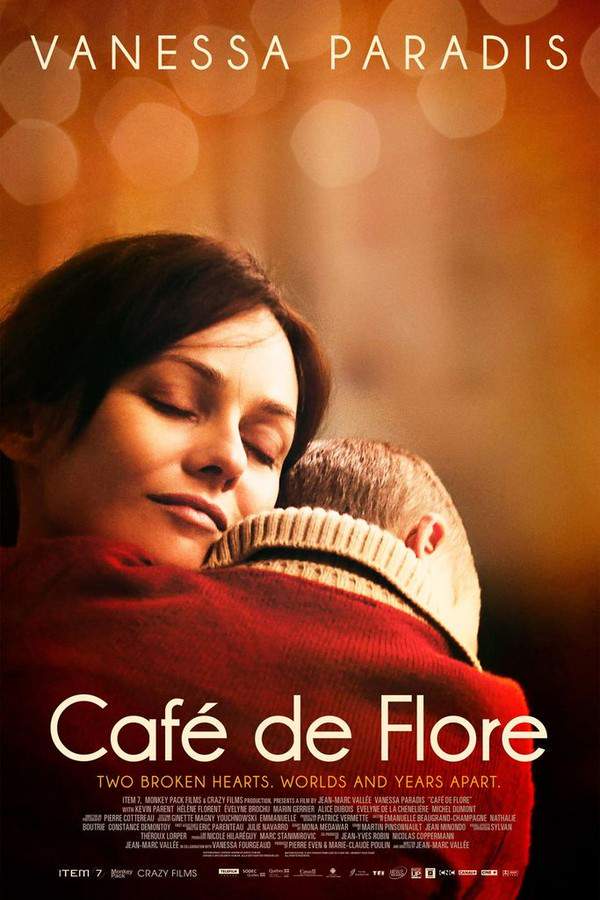
Café de Flore (2012) Film Overview & Timeline
5x2 (2005) Plot Summary & Ending Explained
5 to 7 (2015) Ending Explained & Film Insights
Ladies (2017) Plot Summary & Ending Explained
Féminin plurielles (2018) Story Summary & Characters
Seventeen Times Cécile Cassard (2002) Ending Explained & Film Insights
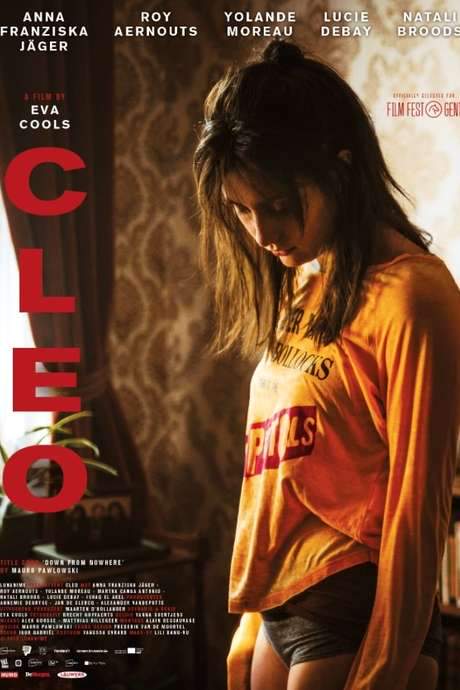
Cleo (2019) Full Summary & Key Details
Cléo from 5 to 7: Remembrances and Anecdotes (2005) Plot Summary & Ending Explained
Seven Days… Seven Nights (1960) Full Movie Breakdown
Céline (1992) Detailed Story Recap
Cléo, Melvil et moi (2023) Full Summary & Key Details
Chloé (1996) Spoiler-Packed Plot Recap
Woman Times Seven (1967) Spoiler-Packed Plot Recap