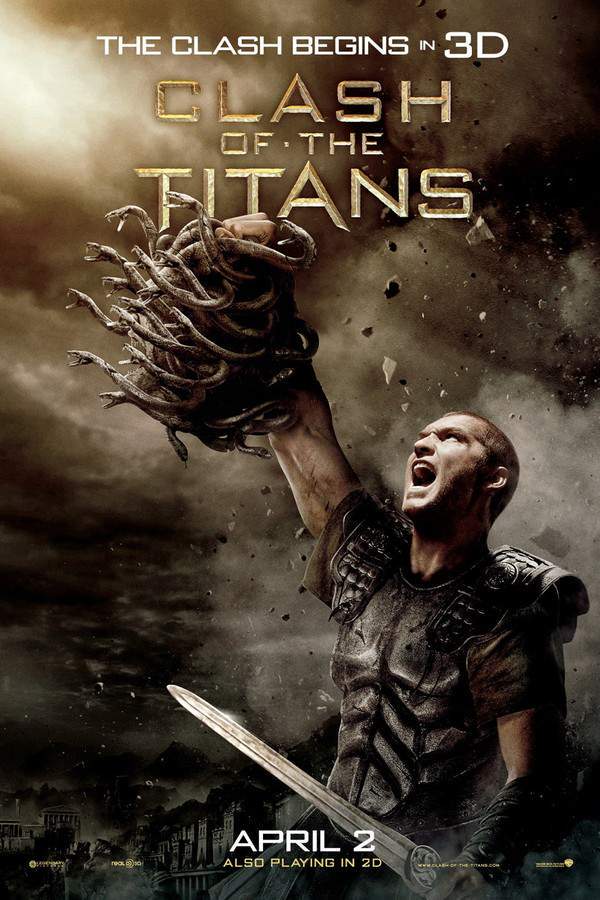
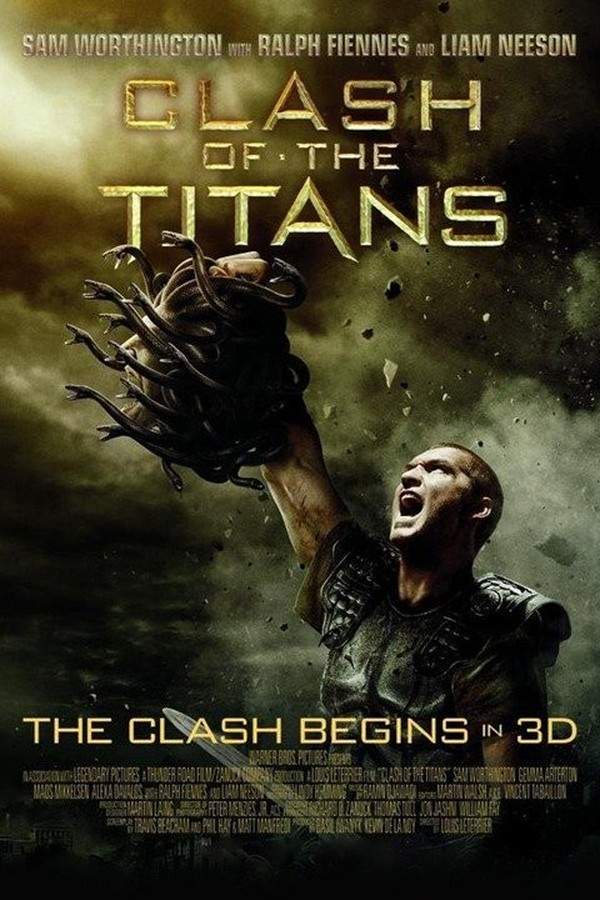
A mortal man, Perseus, must embrace his divine lineage to avert global destruction. After being betrayed by Hades, the god of the underworld, Perseus embarks on a perilous journey with a courageous group. They face formidable monsters and navigate dangerous landscapes, challenging the gods and striving to prevent a devastating war. Perseus confronts his destiny and fights to change the course of the world.
Find where to stream, rent, or buy Clash of the Titans (2010) in the US with current JustWatch availability, up-to-date pricing, and platform listings for subscription, rental, and digital purchase options.
Warning: spoilers below!
Haven’t seen Clash of the Titans yet? This summary contains major spoilers. Bookmark the page, watch the movie, and come back for the full breakdown. If you're ready, scroll on and relive the story!
Read the complete plot breakdown of Clash of the Titans (2010), including all key story events, major twists, and the ending explained in detail. Discover what really happened, and what it all means.
Three powerful Olympians, the brothers Zeus (Liam Neeson), Poseidon (Danny Huston), and Hades (Ralph Fiennes), once fought valiantly against the Titans. After their victory, Hades crafted the fearsome Kraken, a creature that would come to play a pivotal role in their new dominion. While Zeus took on the responsibility of humanity and ruled over them, Poseidon claimed the seas. However, Hades, tricked by Zeus, was left to govern the gloomy Underworld.
As the years passed, Hades learned that he could draw power not just from the worship of mortals but from their fear. A fateful day arrives when fisherman Spyros discovers a coffin in the depths of the ocean, revealing baby Perseus (Sam Worthington) and his deceased mother, Danae. Raising Perseus as his own, Spyros’s fate unravels when Hades orchestrates a massacre in retaliation against humans who defy the gods, leading to the tragic loss of Spyros’s family, leaving only Perseus to survive.
The soldiers taking Perseus back to Argos witness a feast in honor of their homecoming, where King Kepheus (Vincent Regan) and Queen Cassiopeia boast about their family, drawing unwanted attention from Hades. In a dramatic appearance, he persuades Zeus to punish humanity for their insolence. Hades avenges his anger by killing the remaining soldiers, whilst also aging Queen Cassiopeia into oblivion. He threatens that if Princess Andromeda (Alexa Davalos) is not sacrificed to the Kraken within ten days, Argos will face annihilation.
In the Underworld, Hermes (Alexander Siddig), the divine messenger, reveals the existence of Perseus to Zeus but suggests the possibility of offering him protection. However, Zeus coldly decides to abandon his son to his destiny among mortals. In his imprisonment, Perseus meets Io, a tragic figure cursed with eternal youth. She recounts the tale of Zeus’s transgression against Acrisius, the former king of Argos, leading to heartbreak and vengeance.
Determined to slay the Kraken and weaken Hades, Perseus sets forth on a perilous quest. He is joined by brave soldiers from Argos, including the monster-hunters Ixas (Hans Matheson) and Kucuk (Mouloud Achour), along with Io. Meanwhile, Hades confers with Calibos, formerly Acrisius, revealing his intent to eradicate Perseus, whom he sees as a growing threat.
During their journey, Perseus and his comrades discover a magical sword forged in Olympus. However, Perseus chooses to reject the divine gifts, believing he must forge his own path. The journey is fraught with challenges, including an attack from Calibos that leads to the emergence of monstrous scorpions from his blood. Luckily, they are rescued by the Djinn, mystical beings who seek to thwart the gods’ sinister plans.
Upon entering the eerie Garden of Stygia, Perseus learns from the Stygian Witches that the head of the fearsome Medusa (Natalia Vodianova) is key to defeating the Kraken. Although he is warned that the quest will lead to his demise, Perseus bravely proceeds. He receives a golden drachma from Zeus, enabling him to secure passage through the Underworld.
In the Witches’ lair, a devastating battle ensues, costing many lives under Medusa’s petrifying gaze. But Perseus, against all odds, manages to behead the monster. Tragically, as he returns to confront Calibos, he finds that Io has fallen to the antagonist’s treachery. In a climactic confrontation, Perseus defeats Calibos and defeats the curse upon him.
Returning to Argos, Perseus learns of a plot to sacrifice Andromeda, which he desperately seeks to thwart. He triumphs over Hades’ harpies and uses Medusa’s head to petrify the Kraken before the cult leader meets his demise. In a final showdown, Hades scoffs at Perseus’ bravery, but with raw resolve, Perseus uses the divine sword to banish him.
Ultimately, Perseus declines the offer of kingship and the offer to become a god from Zeus, preferring to remain among mortals. In a poignant act, Zeus resurrects Io, leading to a heartfelt reunion as Pegasus soars in the skies above. In the end, while Perseus embraces his human life, Zeus ominously warns that the threat from Hades will eventually return, heralding a future marked by darkness.
Last updated: November 02, 2024 at 12:20
Explore frequently asked questions about Clash of the Titans (2010) with spoiler-rich answers covering the full plot summary, major story beats, character motivations, hidden details, and ending meaning. This movie summary FAQ helps explain confusing scenes, plot twists, and narrative decisions in clear, searchable detail.
Hades targets Argos because Queen Cassiopeia boasted that her daughter Andromeda was more beautiful than the sea nymphs, offending the gods. Additionally, Hades has discovered that he can draw power from human fear rather than just worship, giving him motivation to punish and terrorize humanity.
The film establishes early on that Hades gains strength from mortals' fear, explaining his extreme response to Cassiopeia's arrogance.
Zeus learns of Perseus's existence from Hermes but chooses to let his son face his mortal fate among humans. Despite Hermes suggesting Perseus could be protected, Zeus decides not to intervene, viewing it as a test of Perseus's destiny.
The earlier scene establishing Zeus's cold demeanor toward humanity foreshadows his willingness to let Perseus suffer.
Perseus uses the severed head of Medusa to petrify the Kraken. After obtaining the head from the Stygian Witches' lair, he returns to Argos and confronts the creature just as it's about to devour Andromeda, turning it to stone with Medusa's gaze.
The Stygian Witches explicitly tell Perseus that Medusa's head is the key to defeating the Kraken, providing clear setup for this solution.
Perseus refuses the divine sword because he believes he must forge his own destiny rather than rely on the gods' gifts. This decision reflects his determination to prove that a mortal can accomplish what the gods cannot, without being beholden to them.
This choice establishes Perseus's core motivation to prove himself as a hero independent of divine favor.
Calibos is the cursed form of Acrisius, the former king of Argos. Zeus originally transformed Acrisius into Calibos as punishment for the king's attempt to kill Perseus as an infant. Hades later manipulates the corrupted Calibos to hunt down Perseus.
Io's recounting of Zeus's transgression against Acrisius sets up the revelation of Calibos's true identity.
Io was a priestess who discovered Zeus's secret affair with Danae. To silence her, the gods transformed her into a gorgon, but Perseus's grandfather Acrisius completing the transformation resulted in her current cursed form of eternal youth without aging or dying.
Io's backstory is revealed through her own recounting to Perseus while imprisoned, explaining her connection to his family.
Perseus declines Zeus's offers of both kingship and godhood, choosing instead to remain among mortals. He values his human life and wants to live among the people he saved, believing his identity as a mortal hero is more meaningful than divine status.
Perseus's earlier rejection of the Olympus sword establishes his preference for forging his own path without divine handouts.
Hades discovers that he can draw power not just from mortal worship but from their fear. This revelation motivates his aggressive campaign against Argos and his creation of the Kraken, as fear generates greater supernatural strength for him.
The opening establishes Hades's resentment toward Zeus for being relegated to the Underworld, explaining his motivation to find alternative power sources.
Perseus receives a golden drachma from Zeus, which allows him to secure passage through the Underworld. This divine assistance enables him to reach the Stygian Witches' lair where Medusa resides.
Hermes's earlier revelation about Perseus's divine heritage sets up Zeus's eventual intervention.
Hades harbors resentment toward Zeus for tricking him into ruling the gloomy Underworld while Zeus took humanity and Poseidon claimed the seas. When mortals defy the gods, Hades sees an opportunity to seize power through fear and punish his brother by destroying what Zeus loves.
The opening Titan War sequence establishes the brothers' unequal division of power, setting the foundation for Hades's bitterness.
Hades orchestrates a massacre of the village where Perseus was raised as revenge for mortals defying the gods. The attack destroys Spyros's family, leaving only Perseus as the sole survivor, setting Perseus on his heroic path.
The film establishes early that Hades punishes mortals who defy the gods, making this retaliation consistent with his character.
Hades gives Argos exactly ten days to sacrifice Princess Andromeda to the Kraken or face total destruction. This urgent deadline creates the film's central time pressure, driving Perseus's race against time to obtain Medusa's head.
The deadline is established during Hades's dramatic appearance at the feast in Argos, providing clear stakes from the beginning.
Discover curated groups of movies connected by mood, themes, and story style. Browse collections built around emotion, atmosphere, and narrative focus to easily find films that match what you feel like watching right now.
Heroic mortals rise in spectacular conflict against vengeful deities.If you enjoyed the god-defying action in Clash of the Titans, this collection features similar movies where mortal heroes battle vengeful deities. Explore other epic fantasies with high-stakes divine conflict, mythic monster battles, and a grand, perilous atmosphere.
The narrative follows a classic hero's journey, often one of reluctant destiny, where a mortal or demigod must embrace their power to confront tyrannical or vengeful gods. The conflict escalates through a series of monumental challenges and monster battles, leading to a final, world-altering clash that tests the limits of human will.
Movies in this thread share a core theme of humanity versus divinity, executed with high intensity and fast pacing. They are united by their grandiose scale, dark mythic tone, and focus on spectacular action set-pieces that define the struggle against cosmic odds.
The world is saved, but personal fulfillment comes at a heavy cost.For viewers who liked the somber resolution of Clash of the Titans, this thread gathers action-packed films that conclude with a bittersweet victory. Discover similar high-intensity adventures where the hero saves the day but must accept a personal cost or an ominous future.
The journey follows a clear, action-driven path where the hero overcomes immense external challenges. However, the resolution is nuanced; while the primary threat is vanquished, the protagonist often rejects a grand reward, bears a personal loss, or faces a lingering danger, resulting in an ending that is victorious yet deeply melancholic.
These films are grouped by their shared emotional structure: a high-intensity, straightforward narrative that builds to a climax where success is tempered by sacrifice or foreboding. The mix of epic action with a somber, contemplative conclusion creates a distinct and memorable viewing experience.
Don't stop at just watching - explore Clash of the Titans in full detail. From the complete plot summary and scene-by-scene timeline to character breakdowns, thematic analysis, and a deep dive into the ending - every page helps you truly understand what Clash of the Titans is all about. Plus, discover what's next after the movie.
Track the full timeline of Clash of the Titans with every major event arranged chronologically. Perfect for decoding non-linear storytelling, flashbacks, or parallel narratives with a clear scene-by-scene breakdown.
Discover the characters, locations, and core themes that shape Clash of the Titans. Get insights into symbolic elements, setting significance, and deeper narrative meaning - ideal for thematic analysis and movie breakdowns.
Discover movies like Clash of the Titans that share similar genres, themes, and storytelling elements. Whether you’re drawn to the atmosphere, character arcs, or plot structure, these curated recommendations will help you explore more films you’ll love.
Clash of the Titans (2010) Scene-by-Scene Movie Timeline
Clash of the Titans (2010) Movie Characters, Themes & Settings
Clash of the Titans (2010) Spoiler-Free Summary & Key Flow
Movies Like Clash of the Titans – Similar Titles You’ll Enjoy
Immortals (2011) Detailed Story Recap
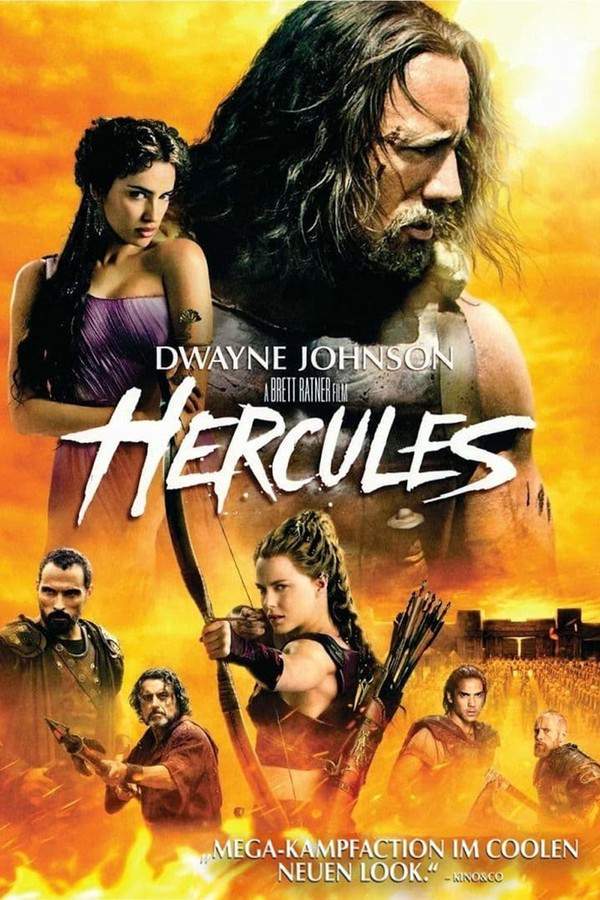
Hercules (2014) Ending Explained & Film Insights
Hercules (1997) Ending Explained & Film Insights
Clash of the Titans (1981) Movie Recap & Themes
Jason and the Argonauts (1963) Movie Recap & Themes
300: Rise of an Empire (2014) Full Summary & Key Details
Poseidon (2006) Story Summary & Characters
Gods of Egypt (2016) Complete Plot Breakdown
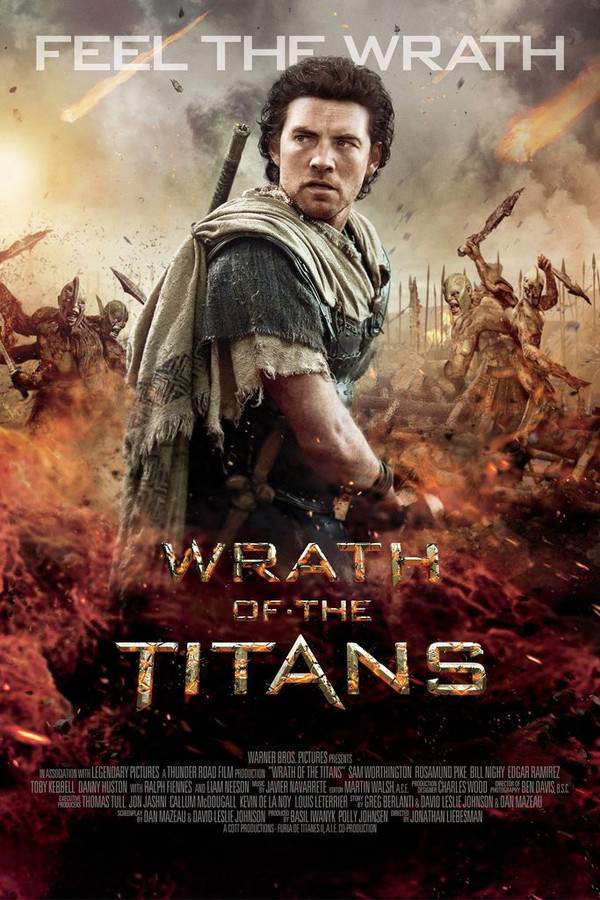
Wrath of the Titans (2012) Story Summary & Characters
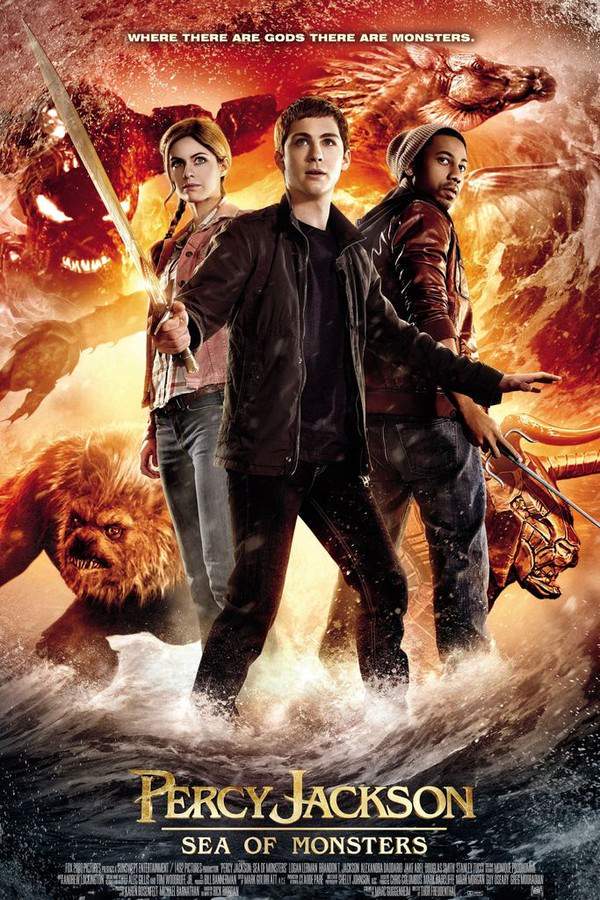
Percy Jackson: Sea of Monsters (2013) Plot Summary & Ending Explained
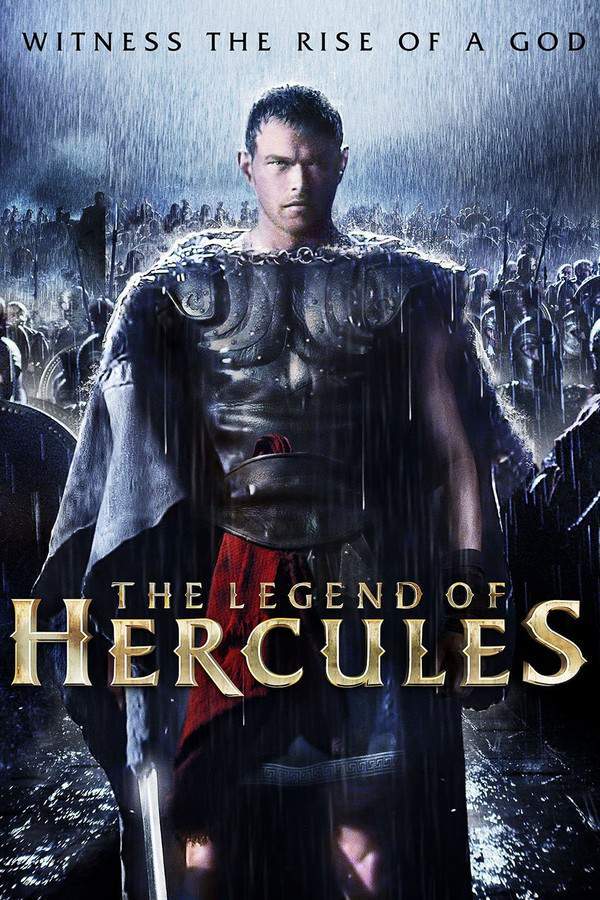
The Legend of Hercules (2014) Plot Summary & Ending Explained
Perseus (1992) Full Summary & Key Details
Hercules, Samson & Ulysses (1963) Complete Plot Breakdown
Son of Hercules vs. Medusa (1963) Ending Explained & Film Insights
Hercules (1958) Plot Summary & Ending Explained