






Plot Explained Spoilers guaranteed!
Plot Explained

Browse by genre

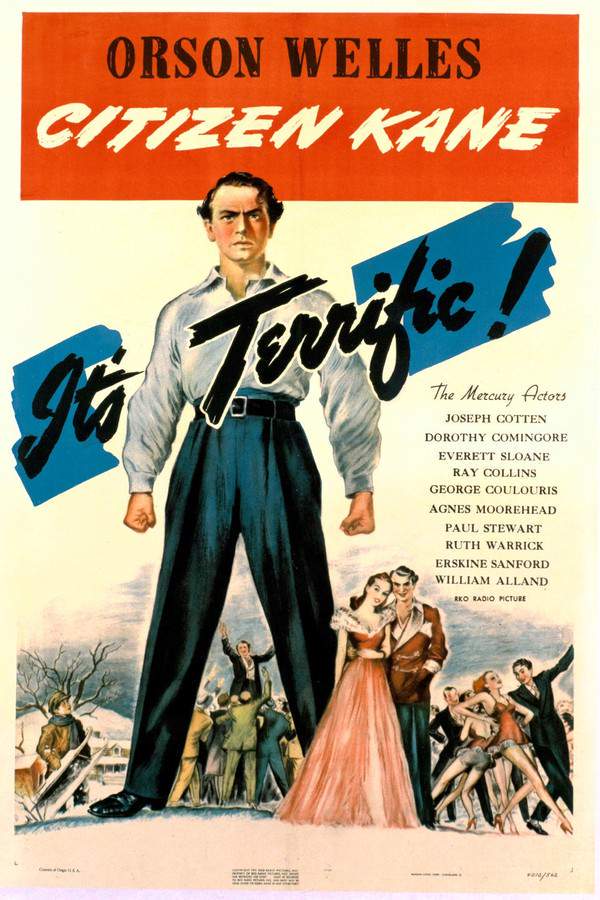
Citizen Kane (1941) movie poster

Timeline

Citizen Kane (1941) Timeline Explained – Every Event in Order

Release, runtime and language
1941 · 1 h 59 m · English
Starring
Orson Welles, Paul Stewart, Joseph Cotten, Agnes Moorehead, Erskine Sanford, Ray Collins

Following the death of publishing tycoon Charles Foster Kane, a reporter is tasked with uncovering the meaning behind his final, mysterious word: "Rosebud." Through interviews with Kane's acquaintances—friends, rivals, and family—the reporter pieces together a portrait of a complex and often contradictory man, exploring his childhood, career, and ultimately, the source of his enduring unhappiness. The investigation reveals a story of ambition, love, loss, and the elusive nature of memory.

On this page (7)
  1. 1 Where to watch
  2. 2 Events in order (15)
  3. 3 Timeline questions answered
  4. 4 Movie threads
  5. 5 Movies like Citizen Kane
  6. 6 Categories
  7. 7 Every angle

Where to watch

Where to Watch Citizen Kane (1941)

Where can you watch Citizen Kane? Stream, rent or buy it in the US, including on Amazon Video, Apple TV Store and Fandango At Home: current JustWatch availability with up-to-date prices.

Streaming availability powered by JustWatch

15 events in order · contains spoilers

Citizen Kane Timeline: Events in Chronological Order

Every key event of Citizen Kane (1941) in order, scene by scene, with when and where it takes place. Use it to untangle flashbacks, time jumps and parallel storylines, to refresh your memory before the sequel or to find the exact scene you are thinking of.

  1. Charles Foster Kane's Death

    In a grand mansion known as Xanadu in Florida, the wealthy newspaper publisher Charles Foster Kane lies on his deathbed. As he passes away, he whispers the word 'Rosebud' while holding a snow globe, which subsequently slips from his hand and shatters on the floor.

    Where
    Xanadu, Florida
  2. The Newsreel Obituary

    Following Kane's death, a newsreel obituary highlights the major milestones of his life, depicting him as an immensely wealthy individual with a wealthy media empire. It narrates his rise from humble beginnings to owning 13 newspapers and radio stations across the United States.

  3. Kane's Humble Origins

    The discussion transitions into Kane’s childhood, revealing that he was born into a poor family in Colorado. In 1871, after discovering a gold mine on her property, his mother decided to place him in the care of Walter Parks Thatcher for a better education.

    When
    1871
    Where
    Colorado
  4. Life with Thatcher

    As young Kane plays joyfully in the snow with his sled, he is unaware that his mother has given up control of the gold mine in exchange for a trust fund. This trust would later grant him a significant fortune at the age of 25, leading him to a different life path.

    Where
    Boarding-house, Colorado
  5. Kane Enters Journalism

    At the age of 25, after gaining control over his trust fund, Kane dives into the world of journalism. He acquires control of the New York Inquirer and adopts a sensationalist style of yellow journalism, swiftly building its readership.

    Where
    New York
  6. Conflict with Thatcher

    Kane's aggressive newspaper tactics infuriate Thatcher, who is directly affected by the scandalous articles. Despite losing significant money—up to $1 million per year—Kane clings to the ownership of his paper and his reputation.

    When
    Pre-1929
  7. The Stock Market Crash

    The Great Depression strikes, and after the 1929 stock market crash, Kane is forced to relinquish control of his prized newspaper empire to Thatcher. This marks a significant downslide in Kane's business ventures and influence.

    When
    1929
  8. Marrying Emily Norton

    While building his career, Kane marries Emily Norton, niece of a U.S. President. Their marriage, however, is marred by Kane's uncompromising public persona and his fierce criticism of government policies, which adds tension to their relationship.

  9. The Affair with Susan Alexander

    During his political ambitions, Kane begins an affair with Susan Alexander, an aspiring singer, leading to a scandal. This relationship ultimately results in Kane's political career being shattered, as both his wife and political rival confront him about the affair.

  10. Kane's Second Marriage

    Kane marries Susan, but their relationship deteriorates as he pressures her into a singing career for which she is not suited. Her lack of talent and ambition leads to a tension-filled marriage, causing Susan to feel trapped.

  11. Susan's Downfall and Departure

    After enduring years of domineering control and isolation at Xanadu, Susan attempts to take her life due to Kane's oppressive nature. Ultimately, she leaves him, marking a turning point in Kane's already tragic life.

    Where
    Xanadu
  12. Kane's Descent into Madness

    After Susan departs, Kane spirals into a fit of rage, violently destroying her belongings. He then unexpectedly calms down upon coming across the snow globe, where he utters 'Rosebud' one last time, reflecting his lost innocence.

    Where
    Xanadu
  13. The Search for 'Rosebud'

    Reporter Jerry Thompson continues his investigation into Kane's last word, interviewing Kane's friends and associates in an attempt to uncover its meaning. Despite thorough inquiries, he is unable to determine the significance of 'Rosebud.'

  14. The Reveal of 'Rosebud'

    As Thompson concludes his efforts, the camera zooms in on a simple sled—the very sled Kane played with as a child. It is revealed that 'Rosebud' was the name of this humble object, symbolizing the joy and innocence lost in Kane's life.

  15. The Sled's Destruction

    In a tragic irony, the sled is discarded and burned, perceived as junk by the staff of Xanadu. This act underscores the overarching theme of lost dreams and the ultimate futility of Kane's pursuits throughout his life.

    Where
    Xanadu

Last updated: January 19, 2025 at 18:49

Was this helpful?

Timeline questions answered

Citizen Kane Timeline Explained: Your Questions Answered

When does it happen, and why in that order? The questions people ask about the chronology of Citizen Kane (1941): time jumps, flashbacks, cause and effect between scenes and the correct order of events, each answered with spoilers.

Q1

Why does Charles Foster Kane say Rosebud before dying?

Kane says "Rosebud" as his final word because it is the name of the sled he was playing with as a child the moment his mother decided to send him away to live with Walter Parks Thatcher. The word represents his lost childhood innocence and the happiness he never found again despite his immense wealth and power.

Foreshadowing: Earlier in the film, young Kane is shown happily playing with his sled named Rosebud in the snow while inside the house his mother signs documents giving up control of his future.

  • rosebud
  • final word
  • dying scene
  • sled
  • childhood
Q2

What does Rosebud actually mean?

Rosebud is the name of the sled young Kane possessed in his childhood home in Colorado. The film reveals this at the end when the camera zooms in on the sled being burned as junk, showing that the mysterious word that drove the entire investigation was simply the name of a childhood toy that symbolized lost innocence.

Foreshadowing: The snow globe Kane holds as he dies physically resembles the snowy scene from his childhood, connecting the two objects.

  • rosebud meaning
  • sled
  • symbolism
  • innocence
  • childhood
Q3

Why did Kane's mother send him away?

Kane's mother sent him away after gold was discovered on her property, believing he would have a better life and education under the care of banker Walter Parks Thatcher. She feared her husband was irresponsible and wanted to secure Kane's future through a trust fund managed by Thatcher, though this meant separating young Kane from his childhood home.

Foreshadowing: The scene shows young Kane playing happily with his sled outside while the adults discuss his fate indoors, emphasizing the innocence of the child who doesn't understand he is about to lose everything.

  • mother
  • sent away
  • thatcher
  • trust fund
  • childhood
  • colorado
Q4

Why did Kane's political career fail?

Kane's political ambitions collapsed when his affair with Susan Alexander was exposed. His wife Emily and his political rival both discovered the relationship, creating a scandal that destroyed his candidacy. Kane had been using his newspapers to attack the President's policies while secretly conducting the affair, and when revealed, the hypocrisy ruined his political future.

Foreshadowing: Leland warns Kane that his criticism of the President while pursuing an affair would destroy him, which proves prophetic.

  • political career
  • affair
  • scandal
  • susan alexander
  • election
Q5

Why did Kane force Susan to pursue an opera career?

Kane forced Susan into an opera career because he wanted to prove his power and create something worthy of his ambition, much like his newspaper empire. He refused to accept that she lacked talent or genuine desire for the career, instead throwing enormous resources at making her a star, which ultimately humiliated them both.

Foreshadowing: Kane's pattern of pursuing grand projects to fill an inner void is established early through his newspaper ambitions.

  • susan alexander
  • opera
  • career
  • control
  • ambition
Q6

Why was Kane unhappy despite being so wealthy?

Kane was unhappy because his pursuit of wealth and power was never about genuine fulfillment but rather an attempt to fill the void left by losing his childhood and family. The film suggests that his material success could never replace the simple joy represented by his sled Rosebud, and his destructive relationships and failed ambitions all stem from this early trauma.

Foreshadowing: The contrast between the joyful child with the sled and the lonely man with the snow globe establishes this emotional core throughout the film.

  • unhappiness
  • wealth
  • loneliness
  • emptiness
  • childhood trauma
Q7

What was the conflict between Kane and Walter Parks Thatcher?

The conflict stemmed from Kane's aggressive yellow journalism attacks on Thatcher's businesses and banking interests once he took control of his trust fund at 25. Despite losing a million dollars annually on his newspaper, Kane refused to stop his relentless campaign against Thatcher, creating a lifelong adversarial relationship that only ended with Thatcher's death.

Foreshadowing: Young Kane's joyful ignorance of his mother's financial decisions foreshadows his later defiance of those who controlled his money.

  • walter thatcher
  • conflict
  • journalism
  • newspaper
  • business rivalry
Q8

Why did Susan Alexander leave Kane?

Susan left Kane after years of oppressive control and isolation at Xanadu. Kane forced her into an unwanted opera career, confined her to his mansion, and dismissed her feelings. The breaking point came when she attempted suicide due to the psychological toll of his domination. After surviving, she finally gathered the strength to leave him.

Foreshadowing: Susan's earlier complaints about being trapped and her failed opera career foreshadow her desperate act and eventual departure.

  • susan alexander
  • left
  • suicide
  • xanadu
  • control
  • abuse
Q9

Why does Kane destroy Susan's room after she leaves?

After Susan leaves, Kane enters her empty bedroom and smashes her belongings in a violent rage, symbolizing his inability to accept loss or abandonment. This breakdown represents his ultimate loss of control, after which he unexpectedly calms upon finding the snow globe and whisper Rosebud.

Foreshadowing: Kane's pattern of violent reactions to rejection is established earlier in the film, particularly in his responses to political and personal defeats.

  • destroyed room
  • rage
  • anger
  • snow globe
  • breakdown
Q10

What is the connection between the snow globe and Rosebud?

The snow globe physically resembles the snowy Colorado landscape where young Kane played with his sled named Rosebud. Kane clutches the snow globe as he dies, and it shatters when it falls from his hand, mirroring how his childhood happiness was lost. The globe serves as a symbolic link to the lost sled and the innocence it represents.

Foreshadowing: The snow globe appears in the opening death scene and again during Kane's breakdown, creating a visual motif connecting past and present.

  • snow globe
  • connection
  • symbolism
  • childhood
  • object
Q11

Does the reporter ever discover what Rosebud means?

No, the reporter Jerry Thompson never discovers the meaning of Rosebud during his investigation. He interviews Kane's friends, family, and associates but cannot determine the significance of the word. Only the audience learns the truth through the film's final revelation showing the sled being burned.

Foreshadowing: The interviews with Bernstein, Leland, and Susan provide fragmentary clues but deliberately obscure the simple truth.

  • reporter
  • investigation
  • discovered
  • answer
  • truth
  • jerry thompson
Q12

Why is the sled burned at the end of the film?

The sled is burned because the staff at Xanadu perceive it as worthless junk with no understanding of its significance. They are unaware that it belonged to Charles Kane or that Rosebud was his final word. This tragic irony underscores the film's theme of lost innocence and the futility of Kane's material pursuits.

Foreshadowing: The contrast between the emotional weight the audience feels and the casual disposal by workers reinforces the film's bittersweet tone.

  • sled burned
  • destroyed
  • junk
  • irony
  • ending

Movie threads

More Movies Like Citizen Kane, by Mood & Story

Curated lists built around what makes Citizen Kane tick: the same mood, the same kind of story or the same emotional payoff. Each list explains why these movies belong together.

The Tragic Decline of a Great Man in films like Citizen Kane

Epic character studies of powerful figures brought down by their own flaws. Explore movies like Citizen Kane that delve into the rise and fall of powerful figures. If you appreciated the deep character study of Charles Foster Kane, you'll find similar stories exploring ambition, legacy, and the personal cost of power in these epic dramas.

  • tragic
  • epic
  • reflective
  • lonely
  • ambitious
  • oppressive
  • Tone: melancholic, tragic
  • Pacing: variable, epic
Why these movies?

The story pattern: Narratives in this thread typically follow a biographical or chronological arc, tracing a protagonist's ascent to power and influence, followed by a gradual decline driven by internal flaws such as hubris, loneliness, or a corrupted moral compass. The story structure often emphasizes the contrast between public achievement and private emptiness.

Why they belong together: Movies are grouped here for their shared focus on a monumental character arc, a melancholic tone exploring lost potential, and a heavy emotional weight stemming from the protagonist's ultimate tragedy. They share a similar pacing that allows for a deep, reflective study of a complex life.

Investigative puzzle narratives like in Citizen Kane

Stories where a central mystery is unraveled through fragmented, subjective memories. Discover movies with narrative structures similar to Citizen Kane. If you liked the investigative journalism and fragmented flashbacks used to uncover the truth about Charles Foster Kane, you'll enjoy these complex stories that piece together a mystery through unreliable memory and multiple perspectives.

  • investigative
  • non-linear
  • atmospheric
  • reflective
  • unreliable narrator
  • psychological
  • Tone: reflective, investigative, melancholic
  • Pacing: variable, slow burn
Why these movies?

The story pattern: The narrative pattern involves a present-day investigation, often by an outsider, that triggers a series of flashbacks from different characters connected to a central figure or event. These recollections are subjective and sometimes contradictory, forcing the audience to critically assess the information and construct a cohesive understanding of what truly happened.

Why they belong together: These films are grouped by their shared complex, non-linear plot structure, their investigative and reflective mood, and their thematic focus on the fallibility of memory. They create a specific viewing experience centered on intellectual engagement and the gradual revelation of emotional truths.

If you liked this

Movies Like Citizen Kane

Similar movies to Citizen Kane: the same genre, themes or kind of story. Each one comes with its own plot summary, timeline and ending explained.

Browse all movie summaries

Categories

Movie Lists Featuring Citizen Kane

Citizen Kane appears in these hand-built movie categories. Each one groups movies by a specific mood, theme or story type, with their plot summaries and endings explained.

View all movie categories

Every angle

Citizen Kane (1941) Explained: Plot, Timeline & Characters

Everything about Citizen Kane in one place: what happens in the plot summary, the timeline in chronological order, the characters and meaning and a spoiler-free summary. What's After the Movie adds the cast, box office and post-credit scenes.

Coming soon on iOS and Android

The Plot Explained Movie Summary App

Plot summaries, endings explained and timelines on your phone. Catch up on any movie in minutes, save your favorites and never miss a twist again.

Be the first to know when we launch. Your email stays private, always.

Learn more about the app