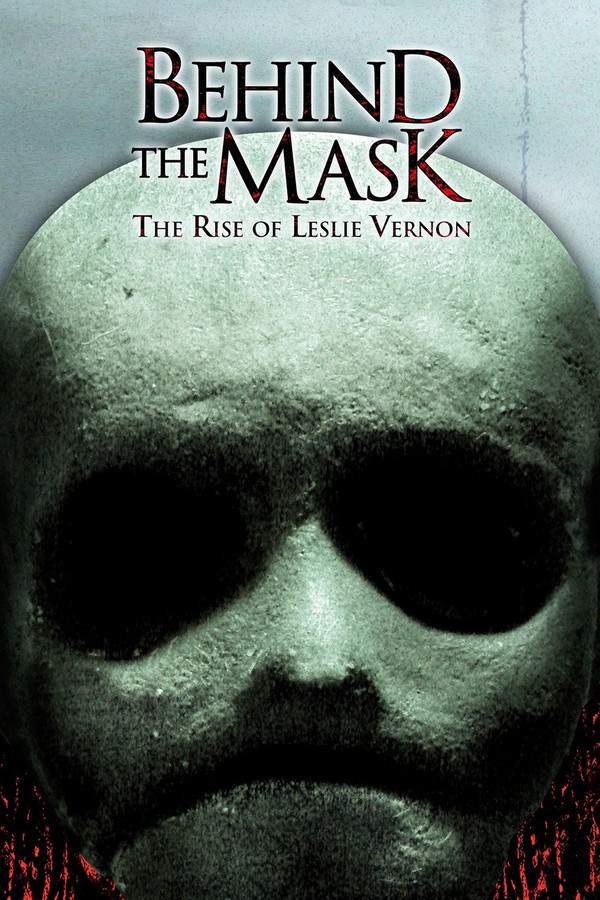
Behind the Mask: The Rise of Leslie Vernon
Year: 2007
Runtime: 92 min
Language: English
Director: Scott Glosserman
A documentary film crew follows aspiring serial killer Leslie Vernon as he meticulously plans and prepares to become a horror icon. He intends to create the perfect killing spree, documenting every step of his process, from choosing locations to crafting his persona. As the filmmakers delve deeper into Vernon’s twisted methods, the boundary between reality and the horror movie genre becomes increasingly blurred, leading to a darkly comedic and terrifying exploration of obsession and mayhem.
Warning: spoilers below!
Haven’t seen Behind the Mask: The Rise of Leslie Vernon yet? This summary contains major spoilers. Bookmark the page, watch the movie, and come back for the full breakdown. If you're ready, scroll on and relive the story!
Behind the Mask: The Rise of Leslie Vernon (2007) – Full Plot Summary & Ending Explained
Read the complete plot breakdown of Behind the Mask: The Rise of Leslie Vernon (2007), including all key story events, major twists, and the ending explained in detail. Discover what really happened—and what it all means.
In this disturbing blend of reality and horror, a journalist named Taylor Gentry and her filmmaking team, consisting of Doug and Todd, set off on a chilling documentary journey into the realm of notorious slasher villains. Their primary focus is on Leslie Vernon, a seemingly charismatic individual who claims to embody the resurrected spirit of a boy from a local urban legend that ended tragically. However, Leslie’s tale is thick with deception, as he meticulously engineers a series of gruesome happenings at his alleged family residence—a dilapidated farmhouse hidden deep within the woods.
Leslie’s sinister intentions revolve around orchestrating the murder of a group of unsuspecting teenagers, ultimately aiming to confront his selected “survivor girl,” Kelly Curtis, a 17-year-old high school student. To ensure the success of his horrific plan, Leslie methodically prepares the farmhouse, cutting off escape routes, outlining prime killing zones, sabotaging potential weapons in the barn, and even manipulating the electrical system to fail. His chilling reflections on human behavior amidst chaos reveal the disturbing truth about how people cluster together without offering genuine safety, stumble over solid ground, and seek refuge in perilous spots.
As Taylor and her crew chronicle Leslie’s meticulous arrangements, they encounter his enigmatic mentor, Eugene, who offers unsettling perspectives on the psyche of killers like Leslie. According to Eugene, these figures act as agents of good by embodying the essence of pure evil, thus bringing out the best in those surrounding them. This warped philosophy is exemplified when Eugene’s wife breezily proposes the idea of eliminating the local librarian, Mrs. Collinwood, as a “stinger kill” designed to entice Kelly into Leslie’s web.
The documentary takes a dramatic twist when psychiatrist Doc Halloran interrupts their filming, unveiling the fact that Leslie Mancuso—not Leslie Vernon—is the true identity of their subject. When Taylor confronts Leslie with the shocking revelation, he reacts aggressively. As she contemplates dropping the documentary, she surprisingly reconciles with him and opts to continue filming his meticulously orchestrated killing spree. This choice engenders profound questions regarding the thinning boundary between reality and fiction as well as their own role in endorsing a horror narrative that feels alarmingly genuine.
Amid the creative excitement of witnessing Leslie’s dark imagination unfold, a troubling sense of moral discomfort begins to invade their shared consciousness. On that disastrous night, as they plead for Leslie to halt his deadly pursuits, he is unyielding, convinced that his Survivor Girl must face him to truly define herself. Despite his calls for them to leave, the group eventually resolves to resist Leslie’s wicked designs, marking a crucial transition from documentary realism to a more traditional horror storyline.
As Taylor works to rally the remaining teens using their shared knowledge against Leslie, she comes to the heart-wrenching realization that her crew has unwittingly become pawns in Leslie’s game. They look to Kelly—who is no longer a virgin—for guidance, but she tragically meets her end in her desperate attempt to escape. In a selfless act, Todd diverts Leslie’s attention away from the house, one of the critical variables Leslie had warned could undermine his narrative. Now, Taylor struggles to keep the group from falling into Leslie’s meticulously designed traps.
A profound revelation hits Taylor when she understands that, as a virgin herself, she was always meant to be Leslie’s Survivor Girl. As the group increasingly diminishes and Leslie continues his relentless assault, Taylor confronts her tormentor just as he anticipated—crushing his skull with an apple press and igniting the shed where their horrific encounter unfolded, seemingly marking the end of Leslie. In the aftermath, she discovers Doug and Doc Halloran, both of whom managed to survive their fateful encounters.
As the credits begin to roll, security footage captures a haunting scene of Leslie’s charred remains, disturbingly still showing signs of life upon an autopsy table.
Last Updated: November 22, 2024 at 16:27

Explore Movie Threads
Discover curated groups of movies connected by mood, themes, and story style. Browse collections built around emotion, atmosphere, and narrative focus to easily find films that match what you feel like watching right now.
Meta horror satires like in Behind the Mask: The Rise of Leslie Vernon
Horror movies that turn the genre's own rules and tropes against the audience.If you liked the smart, self-referential deconstruction of slasher movies in 'Behind the Mask,' explore these other films that cleverly play with horror tropes. This list features movies that use meta-humor and genre-savvy characters to deliver a thought-provoking and terrifying experience.
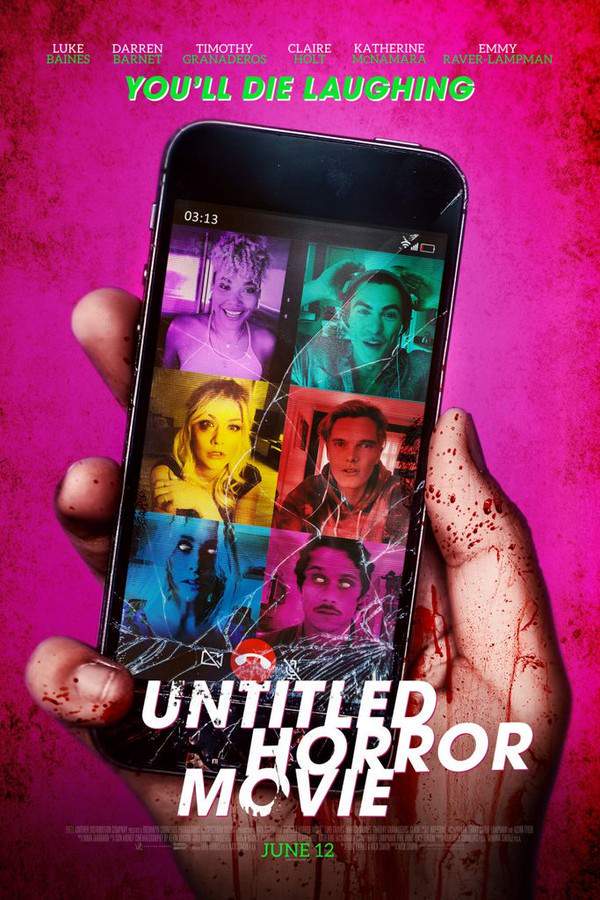
Untitled Horror Movie
2021
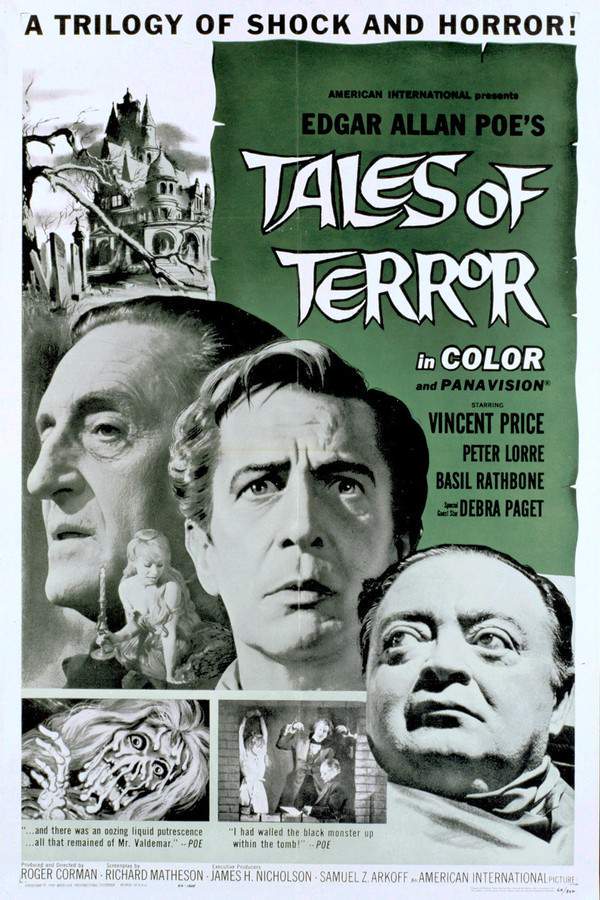
Tales of Terror
1962
Behind the Mask: The Rise of Leslie Vernon
2007
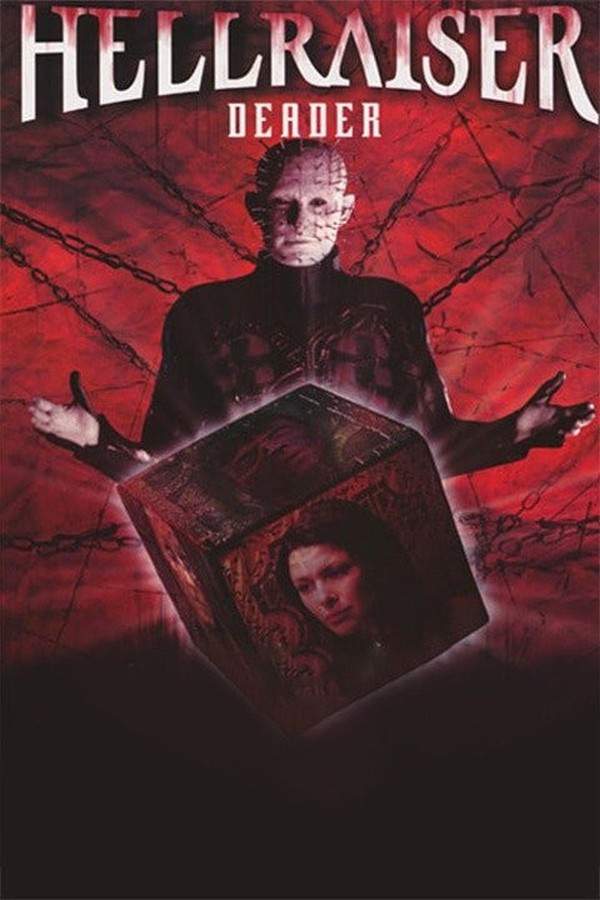
Hellraiser: Deader
2005
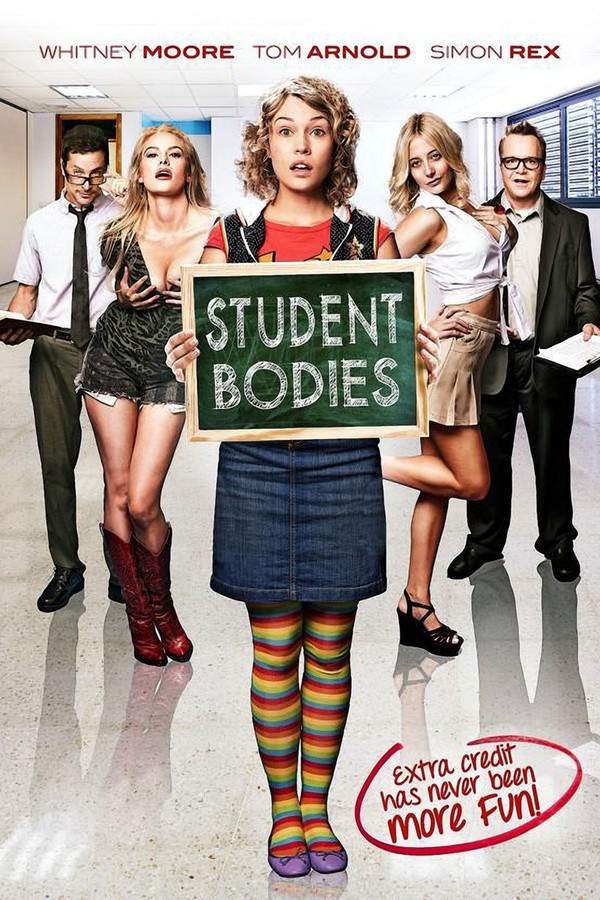
Student Bodies
1981
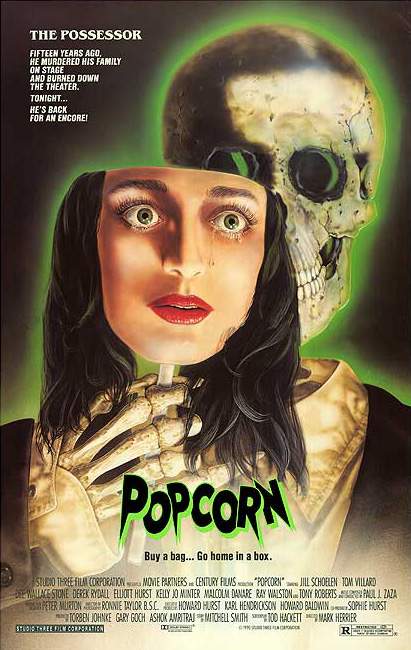
Popcorn
1991
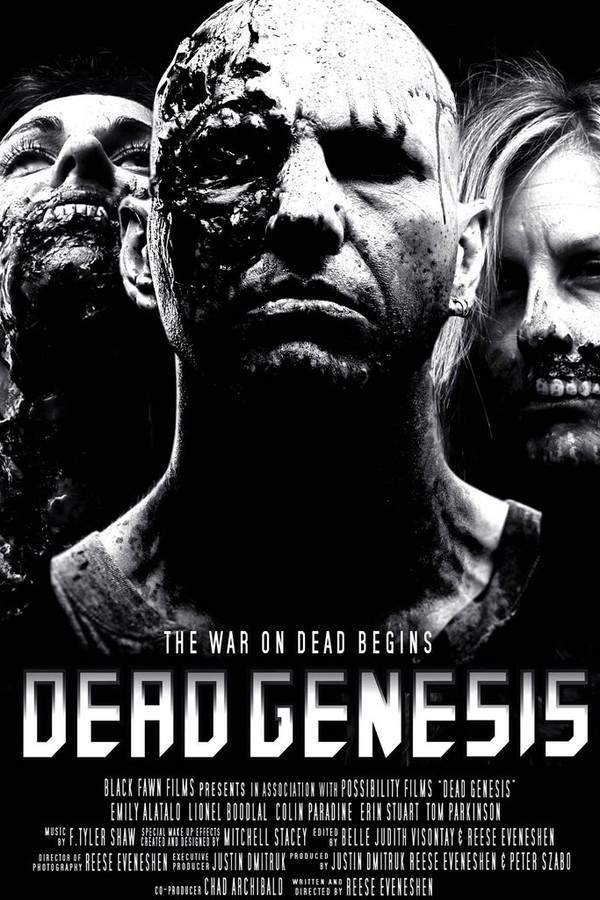
Dead Tone
2009

All Hallows’ Eve
2013

L.A. Slasher
2015

You Might Be the Killer
2018

Slaughter Studios
2002

The Last Horror Film
1982

Unmasked Part 25
1989

Shriek of the Mutilated
1974
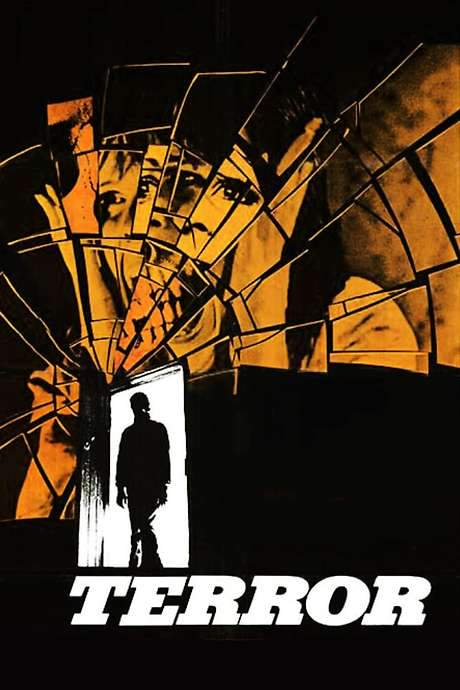
Terror
1978
Narrative Summary
Films in this thread often feature characters who are aware they are in a horror scenario, or they explore the 'rules' of survival and fear from an analytical perspective. The narrative conflict frequently shifts from a simple struggle for survival to a battle against a pre-ordained story or a system of tropes.
Why These Movies?
They are grouped by their shared approach of deconstructing horror conventions. This creates a specific, intellectually engaging viewing experience that combines scares with satire, appealing to fans who appreciate horror on a more analytical level.
Thrillers about dangerous documentaries like in Behind the Mask: The Rise of Leslie Vernon
Stories where filmmakers become dangerously entangled with their disturbing subjects.For fans of 'Behind the Mask' who were captivated by the crew's moral descent into complicity, this list features movies about documentary projects that spiral out of control. These stories explore the ethical dilemmas and visceral terror of getting too close to a dark subject.
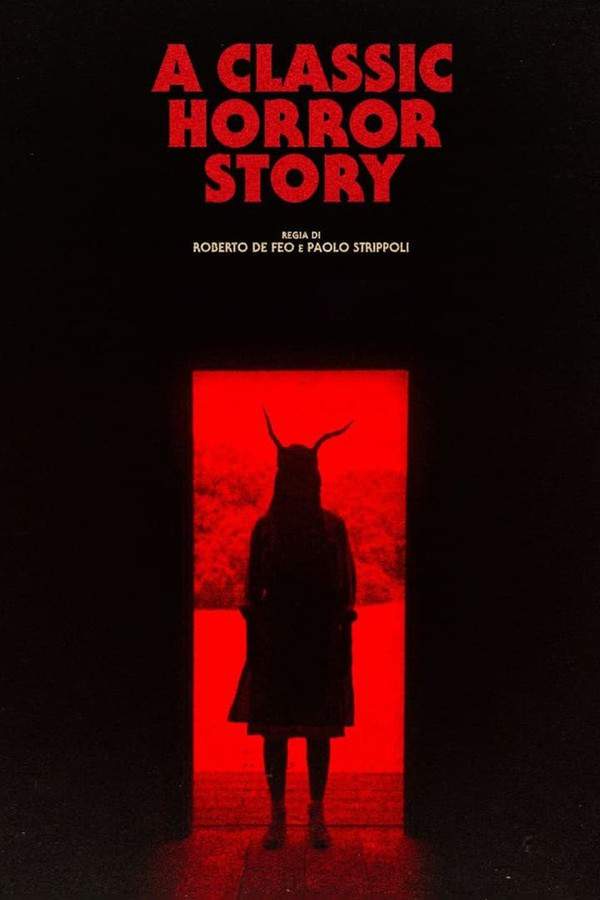
A Classic Horror Story
2021
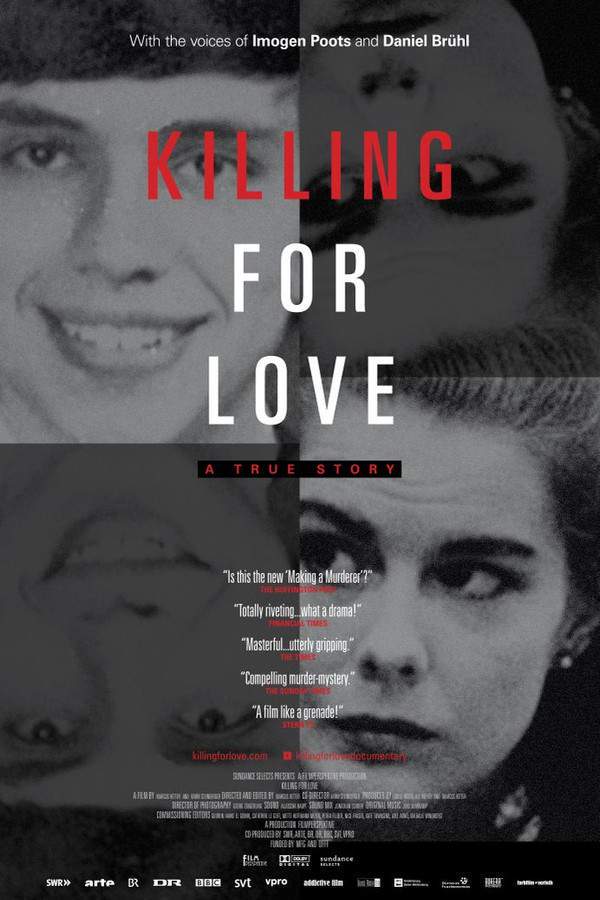
Killing for Love
2017
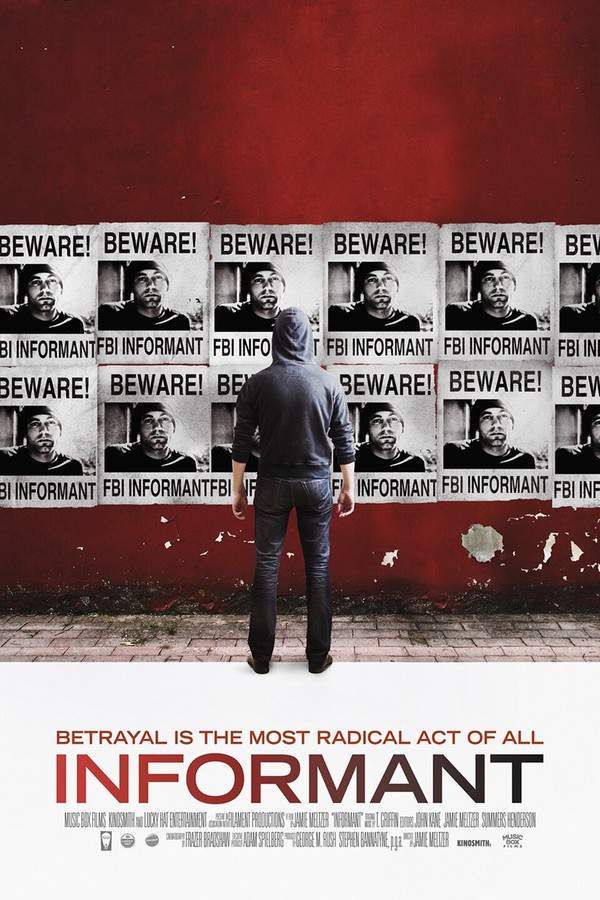
Informant
2013
Behind the Mask: The Rise of Leslie Vernon
2007
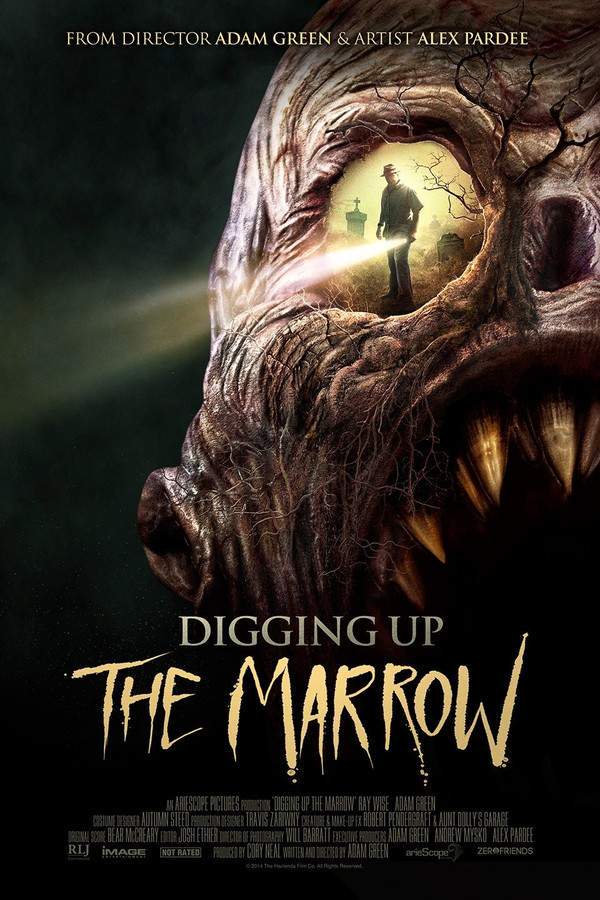
Digging Up the Marrow
2015

Mortal Remains
2013
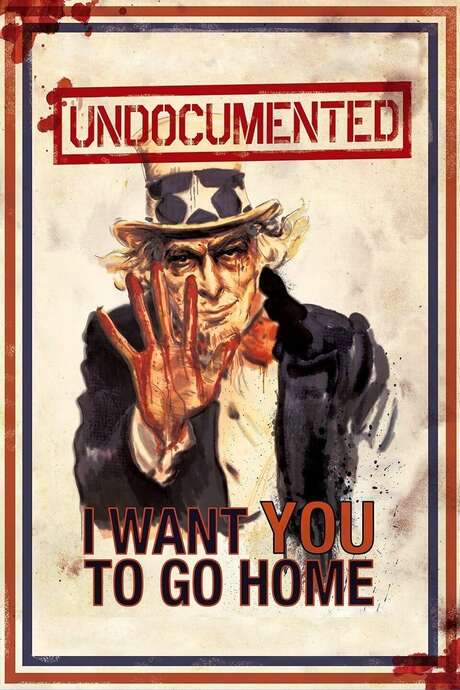
Undocumented
2010

Women Who Kill
2016
L.A. Slasher
2015

Death of a Vlogger
2019

A Serial Killer’s Guide to Life
2019

Return to Cabin by the Lake
2001

Deadly Games
1982

The Interview
1998
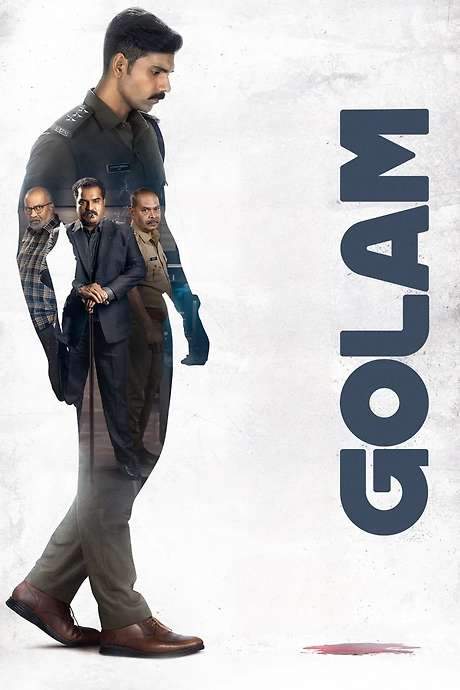
Golam
2024
Narrative Summary
The narrative typically follows a film crew or journalist as they gain unprecedented access to a charismatic but dangerous individual or group. The initial objectivity gives way to fascination, manipulation, and eventual peril, forcing the observers to become active participants in the story they set out to document.
Why These Movies?
They share a core premise that explores the ethics of documentary filmmaking and the psychological tension of proximity to evil. This creates a unique, anxiety-inducing vibe centered on moral ambiguity and the collapse of the safe distance between art and reality.
Unlock the Full Story of Behind the Mask: The Rise of Leslie Vernon
Don't stop at just watching — explore Behind the Mask: The Rise of Leslie Vernon in full detail. From the complete plot summary and scene-by-scene timeline to character breakdowns, thematic analysis, and a deep dive into the ending — every page helps you truly understand what Behind the Mask: The Rise of Leslie Vernon is all about. Plus, discover what's next after the movie.
Behind the Mask: The Rise of Leslie Vernon Timeline
Track the full timeline of Behind the Mask: The Rise of Leslie Vernon with every major event arranged chronologically. Perfect for decoding non-linear storytelling, flashbacks, or parallel narratives with a clear scene-by-scene breakdown.

Characters, Settings & Themes in Behind the Mask: The Rise of Leslie Vernon
Discover the characters, locations, and core themes that shape Behind the Mask: The Rise of Leslie Vernon. Get insights into symbolic elements, setting significance, and deeper narrative meaning — ideal for thematic analysis and movie breakdowns.
Behind the Mask: The Rise of Leslie Vernon Spoiler-Free Summary
Get a quick, spoiler-free overview of Behind the Mask: The Rise of Leslie Vernon that covers the main plot points and key details without revealing any major twists or spoilers. Perfect for those who want to know what to expect before diving in.


Similar Movies to Behind the Mask: The Rise of Leslie Vernon
Discover movies like Behind the Mask: The Rise of Leslie Vernon that share similar genres, themes, and storytelling elements. Whether you’re drawn to the atmosphere, character arcs, or plot structure, these curated recommendations will help you explore more films you’ll love.





Explore More About Movie Behind the Mask: The Rise of Leslie Vernon
Behind the Mask: The Rise of Leslie Vernon (2007) Scene-by-Scene Movie Timeline
Behind the Mask: The Rise of Leslie Vernon (2007) Movie Characters, Themes & Settings
Behind the Mask: The Rise of Leslie Vernon (2007) Spoiler-Free Summary & Key Flow
Movies Like Behind the Mask: The Rise of Leslie Vernon – Similar Titles You’ll Enjoy
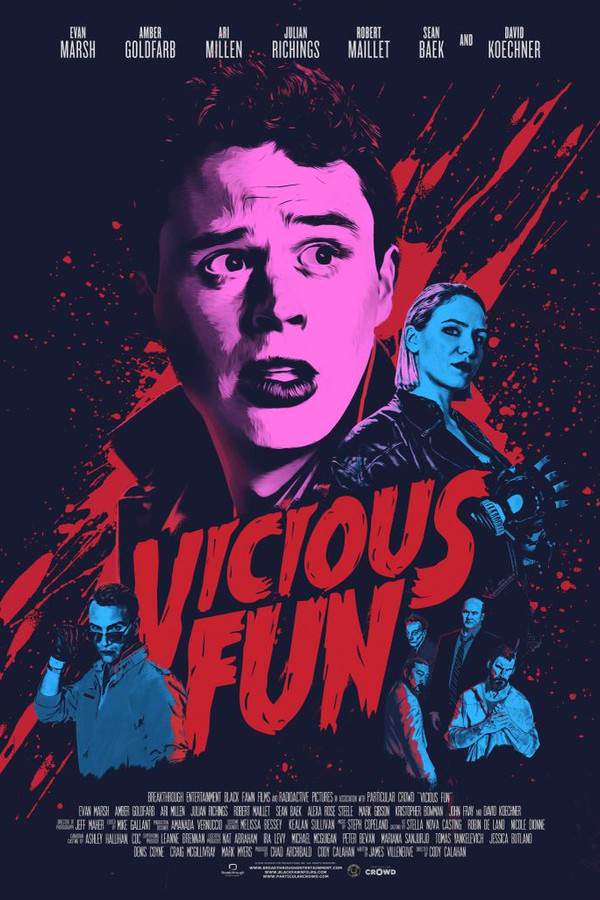
Vicious Fun (2021) Film Overview & Timeline
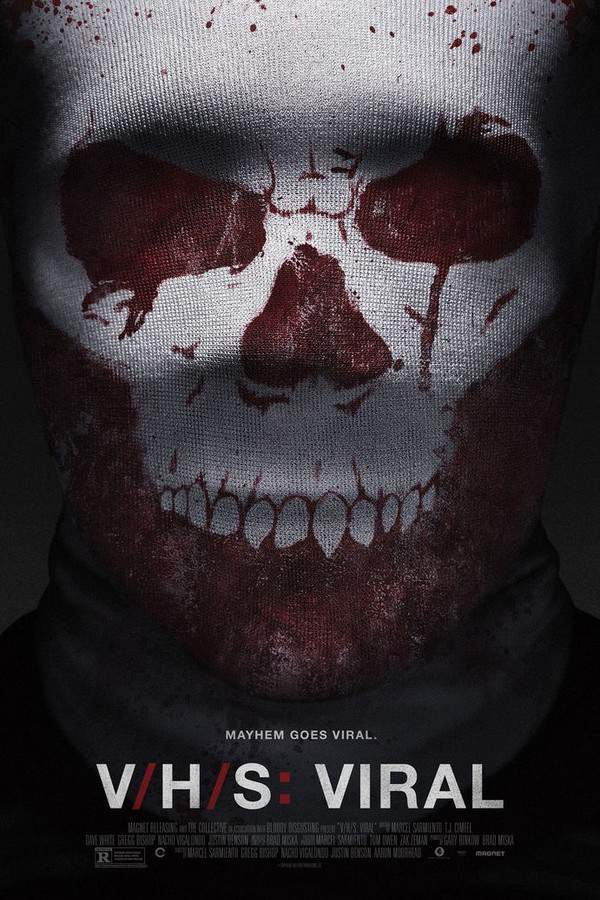
V/H/S: Viral (2014) Spoiler-Packed Plot Recap
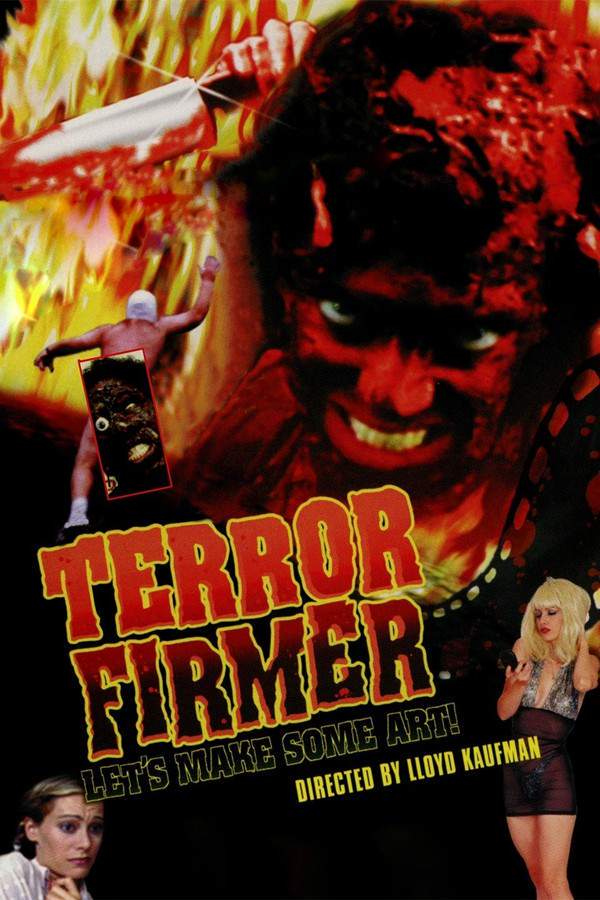
Terror Firmer (1999) Plot Summary & Ending Explained
Masked Mutilator (2019) Plot Summary & Ending Explained
Mask of Murder (1985) Ending Explained & Film Insights
The Horror Show (1989) Spoiler-Packed Plot Recap
Unmasked Part 25 (1989) Full Movie Breakdown
Evil Laugh (1986) Plot Summary & Ending Explained
How to Be a Serial Killer (2008) Movie Recap & Themes
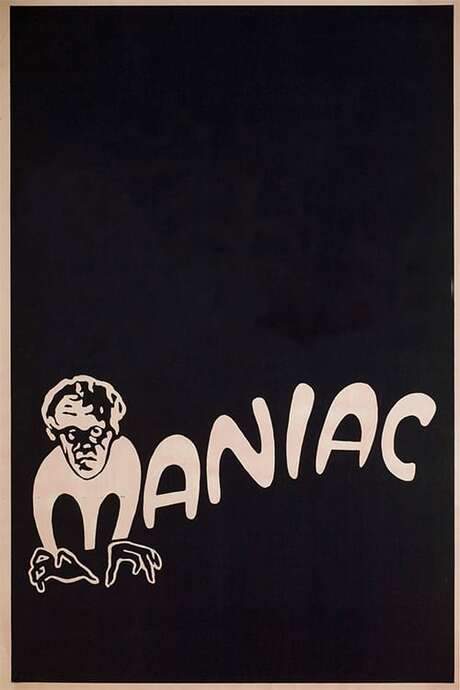
Maniac (1934) Plot Summary & Ending Explained
Killer Movie (2008) Detailed Story Recap
Behind the Mask (1932) Film Overview & Timeline
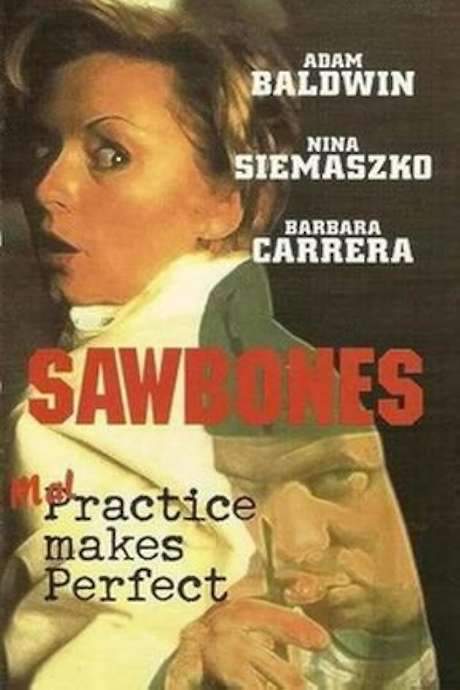
Sawbones (1995) Complete Plot Breakdown
Slasher (2022) Detailed Story Recap
Follow You (2024) Detailed Story Recap