












Plot Explained Spoilers guaranteed!
Plot Explained

Browse by genre

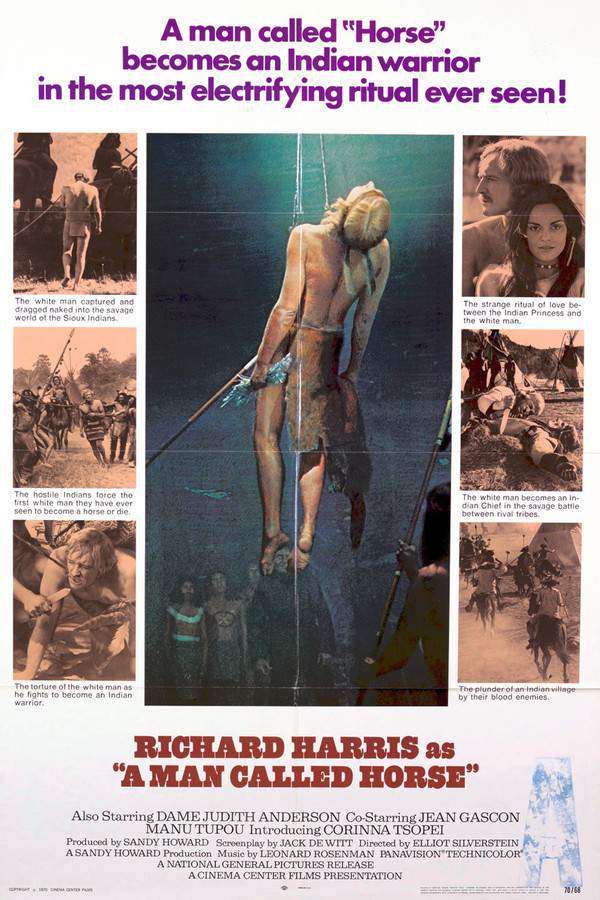
A Man Called Horse (1970) movie poster

Timeline

A Man Called Horse (1970) Timeline Explained – Every Event in Order

Release, runtime and language
1970 · 114 min · English
JustWatch #7,288 5
Directed by
Elliot Silverstein
Starring
Dub Taylor, Richard Harris, Judith Anderson, Corinna Tsopei, Eddie Little Sky, James Gammon

In 1825, English hunter John Morgan is captured and taken as a captive of a Sioux tribe. Stripped of his privileged life, he is forced into servitude alongside another captive, Batise. Through perseverance and courage, Morgan begins to learn the Sioux language and customs. He proves his worth in battle, gradually earning the respect of the tribe and shedding his aristocratic background to fully embrace the Sioux way of life and become one with the proud nation.

On this page (6)
  1. 1 Where to watch
  2. 2 Events in order (12)
  3. 3 Timeline questions answered
  4. 4 Movie threads
  5. 5 Movies like A Man Called Horse
  6. 6 Every angle

Where to watch

Where to Watch A Man Called Horse (1970)

Where can you watch A Man Called Horse? Stream, rent or buy it in the US, including on MGM Plus, Fawesome and Mometu: current JustWatch availability with up-to-date prices.

Streaming availability powered by JustWatch

12 events in order · contains spoilers

A Man Called Horse Timeline: Events in Chronological Order

Every key event of A Man Called Horse (1970) in order, scene by scene, with when and where it takes place. Use it to untangle flashbacks, time jumps and parallel storylines, to refresh your memory before the sequel or to find the exact scene you are thinking of.

  1. John Morgan's Capture

    John Morgan, an English aristocrat, unexpectedly finds himself captured by a Native American tribe. His initial moments are filled with confusion and fear as he is relegated to the status of a mere beast among his captors.

  2. First Encounter with Hostility

    Upon his arrival, Morgan experiences hostility and disdain from the members of the tribe. However, he bravely chooses to immerse himself in their culture, seeking a way to connect with them despite the challenges he faces.

  3. Influence of Batise

    Batise, the tribe's half-breed fool who is unable to escape due to his injuries, becomes a pivotal figure in Morgan’s journey. Their relationship grows as Batise's prior attempts at liberation highlight the complexity of their shared struggles.

  4. Learning Sioux Customs

    As Morgan digs deeper into the Sioux customs and traditions, he gains a profound respect for the vibrant cultural legacy of his captors. This newfound understanding marks the beginning of his transformation from an outsider to a valued member of the tribe.

  5. Battle Against Shoshone Warriors

    In a significant act of bravery, Morgan casts aside his aristocratic upbringing and engages in a fierce battle against two Shoshone warriors. His success in slaying them earns him respect and the title of a warrior among his adoptive kin.

  6. Proposal of Marriage

    Following his display of valor, Morgan proposes marriage to a woman of the tribe. He offers a bride-price of horses he obtained through conquest, signifying his commitment and integration into Sioux society.

  7. Initiatory Rites

    To affirm his commitment to the tribe and his marriage proposal, Morgan bravely undergoes the painful initiatory rites. This ritual serves as a critical affirmation of his dedication to his new life among the Sioux.

  8. Adoption of Sioux Name

    Embracing his new identity, Morgan adopts the Sioux name 'Shunkawakan,' which means 'Horse.' This change signifies not just a shift in name, but also a profound transformation in his worldview and self-identity.

  9. Confrontation with Batise

    Morgan confronts Batise regarding his misguided understanding of Sioux culture and death. This pivotal moment pushes Morgan further along his path of acceptance and understanding of the tribe's values.

  10. Defending the Tribe

    During a crucial attack from the Shoshone enemy, Morgan plays a vital role in defending the tribe. This moment solidifies his status as a true son of the Sioux people, showcasing his loyalty and courage.

  11. Breaking Away from Aristocracy

    As he stands shoulder to shoulder with his tribe, Morgan's connection to his English aristocracy fades. He transcends his past identity, experiencing a deep bond with both the land and its inhabitants, embodying the potential for profound cultural connection.

  12. Transformation into a Tribal Leader

    Morgan’s journey exemplifies a radical personal transformation from an English nobleman to a respected member of the Sioux tribe. His experiences lead him to embody the tribe's principles and values as he emerges as a leader among them.

Last updated: November 21, 2024 at 12:38

Was this helpful?

Timeline questions answered

A Man Called Horse Timeline Explained: Your Questions Answered

When does it happen, and why in that order? The questions people ask about the chronology of A Man Called Horse (1970): time jumps, flashbacks, cause and effect between scenes and the correct order of events, each answered with spoilers.

Q1

Why does John Morgan choose to embrace Sioux culture instead of trying to escape?

Morgan realizes that resistance would lead to death or perpetual suffering. After witnessing the tribe's customs and finding respect through his actions, he understands that survival and meaning come from acceptance rather than fighting his circumstances. His willingness to learn the language, participate in daily life, and ultimately fight for the tribe demonstrates his genuine transformation from captive to willing participant.

Foreshadowing: Earlier scenes show Morgan's initial despair and isolation, which makes his eventual openness to cultural immersion more meaningful.

  • john morgan
  • sioux culture
  • cultural assimilation
  • acceptance
  • captivity
Q2

Why is Batise hamstrung and unable to escape?

Batise is a half-breed fool who previously attempted to escape from the tribe. As punishment for this rebellion, the tribe hamstrung him by cutting the tendons behind both knees, leaving him permanently crippled and unable to walk properly. This physical disability serves as both a warning to other captives and a symbol of the tribe's harsh justice.

Foreshadowing: The timeline notes Batise's prior escape attempt, making his crippled state a consequence of that failed rebellion.

  • batise
  • hamstringing
  • punishment
  • escape attempt
  • crippled
Q3

What do the initiatory rites represent in the film?

The initiatory rites are a painful ritual that Morgan undergoes to prove his commitment to the tribe and to his proposed marriage. These rites signify his complete break from his former English identity and his willingness to endure suffering for his new family. By surviving the ordeal, Morgan demonstrates that he has truly abandoned his aristocratic background and embraced the Sioux way of life.

Foreshadowing: Morgan's proposal of marriage with horses obtained through conquest shows his growing integration before the rites occur.

  • initiatory rites
  • ritual
  • commitment
  • marriage
  • tribal customs
Q4

Why does Morgan fight the Shoshone warriors?

Morgan fights the two Shoshone warriors to prove his worth and earn respect within the tribe. As a captive and outsider, he has no status, and fighting is the primary way to achieve honor in Sioux society. By successfully killing both warriors, he transcends his role as a servant and earns the title of warrior, marking his first major step toward acceptance.

Foreshadowing: The timeline establishes Morgan's earlier period of servitude and hostility from tribe members, making this fight a necessary turning point.

  • shoshone warriors
  • battle
  • warrior status
  • proving worth
  • combat
Q5

What does the name Shunkawakan mean?

Shunkawakan is the Sioux name given to Morgan, which translates to Horse. This name represents his complete transformation in identity and worldview. The adoption of this new name signifies his rejection of his English aristocracy and his embrace of his new life as a member of the Sioux tribe, marking a profound shift in his self-identity.

Foreshadowing: The film title itself hints at this eventual adoption of the horse name, creating narrative anticipation.

  • shunkawakan
  • name
  • horse
  • sioux name
  • identity change
Q6

Why does Morgan confront Batise about his view of death?

Morgan confronts Batise because Batise sees death merely as an escape from his suffering and crippling. This confrontation highlights Morgan's deep investment in his adopted tribe and his understanding of Sioux values regarding death and meaning. Morgan has grown to value life within the community, making Batise's nihilistic perspective incompatible with his new worldview.

Foreshadowing: Batise's earlier escape attempt and subsequent punishment establish his hopelessness, which Morgan now challenges.

  • batise
  • death
  • confrontation
  • suicide
  • meaning of life
Q7

How does Morgan earn warrior status in the tribe?

Morgan earns warrior status by successfully fighting and killing two Shoshone warriors in battle. This act of bravery demonstrates his willingness to risk his life for the tribe and proves his combat abilities. The victory earns him respect from the Sioux and marks his transition from captive to recognized warrior.

Foreshadowing: His earlier immersion in Sioux customs and language prepared him for this moment of proving himself through action.

  • warrior status
  • battle
  • respect
  • tribal integration
  • proving oneself
Q8

Why is the bride-price of horses significant?

The bride-price demonstrates Morgan's integration into Sioux economic and social customs. By offering horses obtained through his own conquest of the Shoshone warriors, he shows that he can provide for a family within the tribe's system. This offering signifies his commitment to both his intended wife and to Sioux society as a whole.

Foreshadowing: The horses come from Morgan's warrior victory, connecting his combat achievement directly to his social advancement.

  • bride price
  • marriage
  • horses
  • sioux customs
  • social integration
Q9

What does Morgan sacrifice to become a member of the tribe?

Morgan sacrifices his entire former identity as an English aristocrat. He gives up his privileged background, his name, his culture, and his former life completely. The ending is bittersweet because while he gains a new family and purpose, he does so by losing everything from his past self, including any possibility of returning to his original life.

Foreshadowing: The meta notes describe the ending as bittersweet, with Morgan gaining a new family at the total sacrifice of his former self.

  • sacrifice
  • identity loss
  • aristocracy
  • transformation
  • personal cost
Q10

How does Morgan play a role in defending the tribe against Shoshone attack?

During the crucial Shoshone attack, Morgan fights alongside his tribe members to defend their land and people. This direct participation in tribal defense solidifies his status as a true son of the Sioux, demonstrating his loyalty and commitment. His willingness to risk his life for the tribe proves his complete transformation from captive to dedicated tribe member.

Foreshadowing: His earlier warrior victory against Shoshone warriors establishes his capability and motivation to defend against this enemy.

  • shoshone attack
  • defense
  • battle
  • tribal loyalty
  • warrior
Q11

How does Morgan emerge as a tribal leader?

Morgan emerges as a leader through a combination of earning warrior status, demonstrating cultural understanding, and showing courage in battle. His transformation from outsider to respected member follows a clear arc where each achievement builds toward leadership. The tribe recognizes his commitment and abilities, allowing him to rise beyond his status as a captured Englishman.

Foreshadowing: His progressive integration, from learning customs to fighting warriors to defending the tribe, follows a logical leadership path.

  • tribal leader
  • leadership
  • respect
  • authority
  • cultural integration
Q12

Why is the ending considered bittersweet?

The ending is bittersweet because Morgan achieves genuine belonging, love, and purpose within the Sioux tribe, yet this comes at the complete cost of his former self and former life. He cannot return to England or reclaim his aristocratic identity. The film suggests his transformation is permanent and absolute, gaining a new family means losing everything he was before.

Foreshadowing: The meta notes explicitly describe the ending as bittersweet with heavy emotional weight and the total sacrifice of his former self.

  • bittersweet ending
  • transformation
  • sacrifice
  • loss
  • new beginning

Movie threads

More Movies Like A Man Called Horse, by Mood & Story

Curated lists built around what makes A Man Called Horse tick: the same mood, the same kind of story or the same emotional payoff. Each list explains why these movies belong together.

Brutal cultural immersion stories like A Man Called Horse

Characters endure painful trials to earn a place in a foreign society. Discover movies like A Man Called Horse, where characters endure extreme hardship to integrate into a foreign culture. If you were captivated by the painful transformation into a Sioux warrior, you'll find similar respectful yet harrowing stories of survival, identity loss, and finding a new family.

  • transformative
  • harrowing
  • immersive
  • brutal
  • painful
  • respectful
  • Tone: dark, respectful, harrowing
  • Pacing: steady, methodical
Why these movies?

The story pattern: This thread follows a linear but demanding character arc. Typically beginning with captivity or alienation, the protagonist faces grueling physical and psychological trials. The narrative unfolds as a series of tests, where learning customs, enduring pain, and proving loyalty are the only paths to acceptance, culminating in a complete, costly rebirth.

Why they belong together: Movies in this group share a specific blend of high intensity, dark tone, and heavy emotional weight. They are united by the core theme of transformative cultural integration achieved through suffering, creating an immersive and emotionally draining experience centered on identity and belonging.

Gritty survival and found family movies like A Man Called Horse

Bonds forged in extreme hardship, leading to a new sense of belonging. If you liked the earned respect and new purpose in A Man Called Horse, explore similar films about found family forged in adversity. These movies feature characters forming deep bonds through survival, often in western or historical settings with a steady pace and bittersweet emotional payoff.

  • earnest
  • immersive
  • painful
  • transformative
  • harrowing
  • respectful
  • Tone: dark, bittersweet, earnest
  • Pacing: steady, character driven
Why these movies?

The story pattern: Narratives in this thread follow a character's journey from isolation to belonging. The plot is driven by survival challenges that force disparate individuals to rely on each other. Loyalty is tested, and a new, unconventional family structure emerges from the crucible of a harsh world, often at the cost of the protagonist's old life.

Why they belong together: These films are grouped by their focus on the emotional payoff of finding a place to belong after immense struggle. They share a mix of dark, punishing realities with an underlying hopefulness about human connection, creating a bittersweet feel with heavy emotional weight and a steady, character-driven pace.

If you liked this

Movies Like A Man Called Horse

Similar movies to A Man Called Horse: the same genre, themes or kind of story. Each one comes with its own plot summary, timeline and ending explained.

Browse all movie summaries

Every angle

A Man Called Horse (1970) Explained: Plot, Timeline & Characters

Everything about A Man Called Horse in one place: what happens in the plot summary, the timeline in chronological order, the characters and meaning and a spoiler-free summary. What's After the Movie adds the cast, box office and post-credit scenes.

Coming soon on iOS and Android

The Plot Explained Movie Summary App

Plot summaries, endings explained and timelines on your phone. Catch up on any movie in minutes, save your favorites and never miss a twist again.

Be the first to know when we launch. Your email stays private, always.

Learn more about the app