Year: 2013
Runtime: 102 mins
Language: Chinese
Amidst social unrest in ancient China, the Imperial Court accumulates gold from local governments to bolster the royal army. When this treasure is stolen during transport, the court dispatches elite guards to recover it. However, the guards discover they are not the only ones seeking the stolen gold, leading to a dangerous pursuit filled with unexpected challenges and rival factions.
Warning: spoilers below!
Haven’t seen 7 Assassins yet? This summary contains major spoilers. Bookmark the page, watch the movie, and come back for the full breakdown. If you're ready, scroll on and relive the story!
Explore the full timeline and setting of 7 Assassins (2013). Follow every major event in chronological order and see how the environment shapes the story, characters, and dramatic tension.
Last updated: February 17, 2026 at 17:07
Meet the key characters of 7 Assassins (2013), with detailed profiles, motivations, and roles in the plot. Understand their emotional journeys and what they reveal about the film’s deeper themes.
Last updated: February 17, 2026 at 17:07
Explore the central themes of 7 Assassins (2013), from psychological, social, and emotional dimensions to philosophical messages. Understand what the film is really saying beneath the surface.
Last updated: February 17, 2026 at 17:07
Browse frequently asked questions about 7 Assassins (2013) focused on characters, relationships, themes, symbols, setting, and story context. This movie info FAQ gives spoiler-aware explanations for character arcs, world details, and thematic interpretation so readers can better understand what the film is really about.
Huang Jin Xia is a tranquil outpost town that serves as a refuge for communities seeking safety and peace. It sits near a harsh desert corridor where rebels smuggle goods and weapons, placing it at the crossroads between order and upheaval. The dusty, sun-scorched landscape frames the constant tension between stability and chaos that drives the story.
The movie takes place during the Late 19th century, specifically around the Boxer Rebellion era (1899-1901). This volatile period saw China facing both foreign influence and internal reform movements. The era's emphasis on duty, honor, and sacrifice shapes every character's decisions as the nation grapples with mounting instability.
The film portrays patriotism as a balance between personal safety and national fate. Governor Zhuo embodies the belief that the country's future depends on courageous choices from both officials and ordinary citizens. The arrival of revolutionary leader Tie Yun tests whether the community will defend its peaceful life or embrace upheaval. True patriotism, the narrative suggests, lies in protection and resilience as much as in warlike daring.
Heroism in the film emerges across generations, from veteran guardians to younger revolutionaries, when lives hang in the balance. Master Mao's disciplined leadership and acts of self-sacrifice anchor the town's response to danger. The desert ambushes and rescue missions highlight courage that transcends personal risk. The film presents heroism as a constant negotiation between duty, virtue, and the costs of action.
Love acts as a personal compass amid political turmoil, shaping choices and loyalties throughout the film. Xilian's relationship with Master Mao evolves from rescue to a deeper, heart-driven connection that reveals a softer side behind a warrior's exterior. This bond personalizes the upheaval, reminding the audience that human connections endure even when nations tremble. Sacrifice and devotion show how love can guide resilience in turbulent times.
Master Mao is a battle-hardened warrior who fought in the Boxer Rebellion and now guards Huang Jin Xia town. He is calm, disciplined, and protective, with a quiet resolve that masks a compassionate heart. Years earlier he rescued Xilian and her child, a memory that continues to influence his actions. Throughout the story, Mao becomes the moral center of the town's defense, embodying both its strength and tenderness.
Tie Yun is a dedicated revolutionary leader determined to procure arms for the uprising against foreign influence and internal corruption. He embodies resolve and strategic thinking, yet his arrival to Huang Jin Xia disturbs the town's peaceful equilibrium. His presence forces old guards and new rebels to reassess loyalties and consider the true costs of rebellion. Tie Yun represents the disruptive but passionate force of revolutionary change.
Governor Zhuo is a visionary official who believes the nation's fate rests on prudent action and reform. He orchestrates connections between revolutionary leaders and Huang Jin Xia, hoping to steer any uprising toward a purpose that could actually save the country rather than destroy it. Zhuo's strategic mind and faith in transformation drive much of the plot's political turning points, making him a key figure in the tension between order and revolution.
The Prince of Pok Yee Kak is a figure of ambition and power whose presence destabilizes Huang Jin Xia town with his plans. He introduces conflict and challenges the delicate balance between revolutionaries and the established order. His actions complicate loyalties among all factions and push characters toward decisive choices. The Prince represents the corrupt authority that both revolutionaries and loyalists must contend with.
Xilian is a woman who was rescued by Master Mao years before the story begins, giving her a sense of safety and belonging in Huang Jin Xia. She lives with a measure of innocence and curiosity about the world, unaware of Mao's past involvement in her life. Their shared past and present circumstances gradually pull them toward a deeper connection, adding a layer of emotional complexity to the film's political tensions.
The harsh desert corridor surrounding Huang Jin Xia creates an atmosphere of isolation, danger, and moral ambiguity. It is a space where rebels smuggle goods and weapons, upsetting the town's calm. The visual elements of dust, heat, and distant horizons mirror the story's themes of survival and moral compromise. The landscape underscores the constant threat of ambushes and the precarious balance between order and chaos that defines the characters' lives.
Discover curated groups of movies connected by mood, themes, and story style. Browse collections built around emotion, atmosphere, and narrative focus to easily find films that match what you feel like watching right now.
High-stakes pursuits for vital resources during times of revolution and unrest. Explore movies similar to 7 Assassins, where a high-stakes treasure hunt unfolds against a backdrop of political revolution. If you enjoyed the blend of historical conflict and action-packed pursuit, these films deliver a comparable sense of peril and heroism.
Narratives typically follow a group or individual tasked with recovering a vital asset during a time of crisis. The plot unfolds as a series of encounters with rival factions, ambushes, and moral tests, driving toward a climax where possession of the treasure determines the outcome of a larger conflict.
Movies in this thread are grouped by their central premise: a MacGuffin-driven quest set against a volatile historical or political landscape. They share a mix of high-stakes action, themes of honor and betrayal, and a focus on how personal missions intersect with grand historical events.
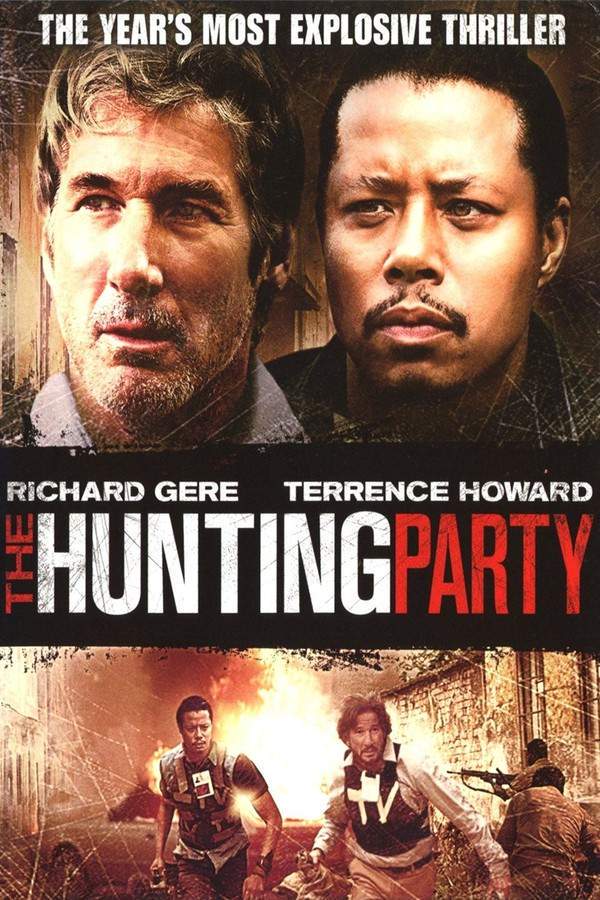
Former warriors are forced out of retirement to face one last, defining challenge. Discover films similar to 7 Assassins where a band of retired experts is compelled back into action. If you liked the theme of seasoned warriors reuniting for a last stand, these movies explore the resilience and burden of past glory.
The narrative arc revolves around the summons back to action, the reassembly of the team, and the confrontation with a new threat that echoes their old lives. The journey is as much about reconciling with the past as it is about overcoming the present danger, often culminating in a rediscovery of purpose.
These films are united by the powerful theme of legacy and reluctant heroism. They explore the tension between a desire for peace and the call of duty, focusing on characters whose experience is both a burden and their greatest asset in a final, high-stakes confrontation.
Don't stop at just watching - explore 7 Assassins in full detail. From the complete plot summary and scene-by-scene timeline to character breakdowns, thematic analysis, and a deep dive into the ending - every page helps you truly understand what 7 Assassins is all about. Plus, discover what's next after the movie.
Read a complete plot summary of 7 Assassins, including all key story points, character arcs, and turning points. This in-depth recap is ideal for understanding the narrative structure or reviewing what happened in the movie.
Track the full timeline of 7 Assassins with every major event arranged chronologically. Perfect for decoding non-linear storytelling, flashbacks, or parallel narratives with a clear scene-by-scene breakdown.