Plot Explained Spoilers guaranteed!
Plot Explained

Browse by genre

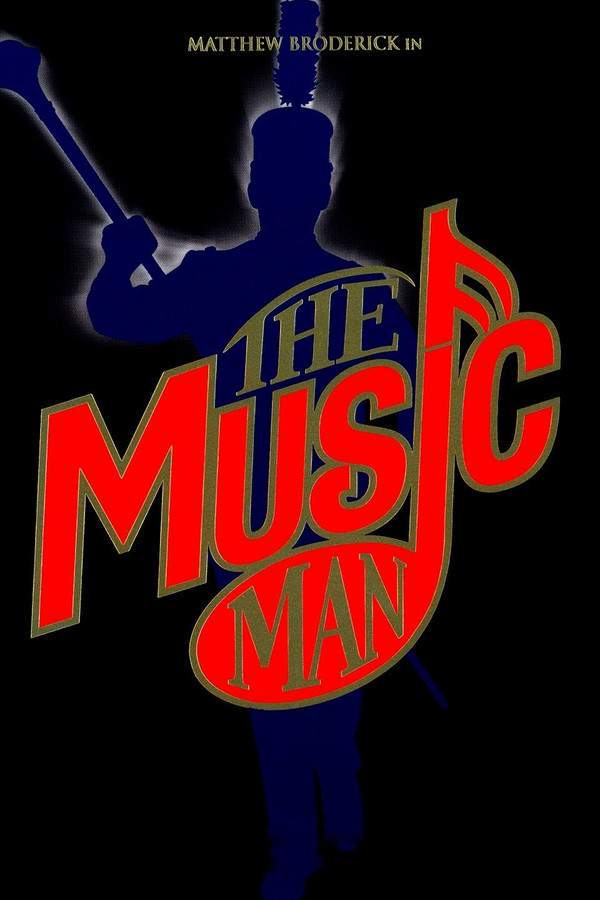
The Music Man (1962) movie poster

Plot Summary

The Music Man (1962) Plot Summary Explained

Release, runtime and language
1962 · 151 min · English
Directed by
Morton DaCosta
Starring
Paul Ford, Robert Preston, Buddy Hackett, Hermione Gingold, Shirley Jones, Al Shea

A charismatic con man, Professor Harold Hill, arrives in the small town of River City, Iowa, with a deceptive plan to enrich himself. He intends to swindle the residents by convincing them to form a boys' band. However, his scheme is challenged by the intelligent and skeptical town librarian, Marian Paroo, who sees through his facade. As Harold tries to carry out his con, he unexpectedly finds himself falling for Marian, leading to a change of heart and a surprising turn of events.

On this page (6)
  1. 1 Where to watch
  2. 2 What happens: full plot
  3. 3 Plot questions answered
  4. 4 Movie threads
  5. 5 Movies like The Music Man
  6. 6 Every angle

Where to watch

Where to Watch The Music Man (1962)

Where can you watch The Music Man? Stream, rent or buy it in the US, including on Hoopla, Plex and Tubi TV: current JustWatch availability with up-to-date prices.

Streaming availability powered by JustWatch

Full plot summary · contains spoilers

What Happens in The Music Man: Full Plot Summary

The whole story of The Music Man (1962) explained, from the opening scene to the final frame: every key event, every twist and what it all adds up to. Read it as a quick recap before the sequel, to check a scene you missed, or to finally understand what really happened.

The film begins in 1912, showcasing a group of traveling salesmen on a train, who express their despair over societal changes that threaten their livelihoods. They disdain the notorious conman, Professor Harold Hill, notorious for selling musical instruments and uniforms to children while promising to form a band, only to vanish shortly after. As one salesman remarks, “He don't know one note from another!” Just before the train leaves River City, Iowa, Hill reveals himself, making a hasty escape.

Upon arriving in the quaint Midwestern town, filled with earnest and unpretentious residents, Hill is welcomed with open arms, much to his delight. He reunites with an old acquaintance, Marcellus Washburn, who now lives a respectable life in River City. Their conversation turns nostalgic as they reminisce about their past exploits in selling. Marcellus warns Hill that the town librarian, Marian Paroo, is too astute for his schemes, turning Hill's plans into both a professional and romantic challenge.

The ineffectual mayor's wife, Eulalie Mackechnie Shinn, makes her appearance soon after, criticizing Marian for recommending what she deems inappropriate literature for her daughter. Meanwhile, Hill cleverly identifies the installation of a pool table as his battleground, rallying the townsfolk with the catchy tune, “Ya got trouble / right here in River City.”

Marian, initially aloof, becomes subjected to Hill’s affections as he attempts to charm her with absurd pickup lines, which she swiftly rebuffs. Their encounters intensify as he tries to involve her in his dubious plans while simultaneously winning over the townspeople. Young Winthrop Paroo (played by Ron Howard), Marian's introverted brother who struggles with his lisp, finds newfound confidence with Hill's encouragement.

Love blossoms amidst the Fourth of July celebrations, where Hill's ambitions for a youth band are met with mixed reactions. As he fumbles through town, singing and dancing his way into the hearts of the locals, Marian's skepticism begins to wane, especially when she sees the positive changes in Winthrop inspired by Hill.

Tension mounts when the town's moral guardians, consisting of the school board and the mayor’s wife, demand to see Hill's credentials, leading to a series of chaotic musical numbers. His charm and quick thinking often save him from being exposed; however, as rumors circulate about his shady past, the stakes rise.

At a sociable gathering, amid an array of humorous antics and romantic tension, Hill’s affection for Marian becomes evident. Their duet, “Till There Was You,” highlights their growing relationship, but the dark undercurrent of his deception looms. When the town’s people uncover evidence of Hill's fraudulent activities, chaos ensues, leading to a confrontational assembly at the town hall.

As Hill's world begins to crumble, Marian courageously defends him, rallying the community to recognize the joy he has brought to River City. Over time, the assembled townsfolk come to acknowledge their experiences, leading to a heartwarming resolution. Ultimately, with the children's ragtag band on display and spirited performances, Hill finds redemption—not just through music, but also through the love and respect of the townsfolk and, more importantly, Marian.

In a triumphant ending, the once-chaotic band plays a harmonious rendition of “Seventy Six Trombones,” encapsulating the newfound spirit and unity of a town changed forever by Harold Hill’s charming deception.

Last updated: October 25, 2024 at 10:11

Was this helpful?

Plot questions answered

The Music Man Plot Explained: Your Questions Answered

The questions people ask most about The Music Man (1962): what happens in the confusing scenes, why the characters do what they do, the twists, hidden details and what the ending means. Each answer contains spoilers.

Q1

Why does Harold Hill come to River City?

Harold Hill arrives in River City with a conman scheme to swindle the townspeople. He plans to sell them musical instruments and uniforms by convincing them to form a boys' band, then disappear with the money before anyone discovers he cannot actually teach music. This is his signature con that he has used in many towns before.

Foreshadowing: The film opens with traveling salesmen discussing Hill's notorious reputation for this exact scheme.

  • harold hill conman
  • river city scheme
  • boys band con
Q2

What is Harold Hill's con?

Harold Hill's con involves persuading the citizens of River City to invest in a boys' band. He promises to provide instruments, uniforms, and music lessons, collecting payment upfront. However, Hill cannot read or play music himself, he plans to take the money and leave town before anyone realizes he never intended to actually teach the children.

Foreshadowing: The opening scene establishes Hill's pattern: taking payment for band equipment and vanishing without providing lessons.

  • harold hill scam
  • conman plan
  • musical instruments scheme
Q3

Why does Marian Paroo distrust Harold Hill?

Marian Paroo, the town librarian, distrusts Harold Hill because she recognizes his conman tactics immediately. Marcellus Washburn warns Hill that Marian is too intelligent for his schemes, and she proves this by seeing through his smooth talk from their first encounter. Her skepticism is rooted in both her sharp intellect and her protective instincts toward her brother Winthrop.

Foreshadowing: Marcellus specifically warns Hill that Marian 'reads books' and is not fooled by ordinary charm.

  • marian paroo suspicion
  • librarian
  • harold hill exposed
Q4

How does Harold Hill help Winthrop Paroo?

Harold Hill helps Winthrop Paroo overcome his insecurities by encouraging him to join the boys' band. Winthrop, who has a noticeable lisp and is shy, gains confidence through Hill's attention and belief in him. This positive influence on Winthrop becomes one of the genuine good things that comes from Hill's time in River City.

Foreshadowing: Hill's initial interest in Winthrop appears self-serving to gain Marian's favor, but it has lasting positive effects.

  • winthrop paroo
  • lisp
  • confidence
  • boys band
Q5

Why does Marian defend Harold at the town hall?

Marian defends Harold Hill at the town hall because she has witnessed the genuine positive changes he brought to Winthrop and the community. Despite knowing about his deception, she recognizes that his impact was real and beneficial, the children learned music, the town united, and her brother found confidence. Her defense shows her love for him has grown beyond his lies.

Foreshadowing: Marian's earlier skepticism gradually shifts as she observes Hill's genuine connection with Winthrop.

  • marian defends hill
  • town hall confrontation
  • forgiveness
Q6

Does Harold Hill actually teach the children music?

Harold Hill cannot teach music, he admits himself that he 'don't know one note from another.' However, by the film's end, the children somehow manage to play successfully. The movie glosses over this, implying that the town's excitement and commitment to the band, combined with some basic instruction from other sources, produced a functional ensemble.

Foreshadowing: The traveling salesmen's opening dialogue establishes Hill's complete lack of musical knowledge.

  • music lessons
  • cannot play
  • band learns
Q7

Why do the townspeople forgive Harold Hill?

The townspeople forgive Harold Hill because they recognize the genuine good he brought to River City. Despite his deceptive intentions, he inspired unity, brought joy, and transformed their children. The positive changes in Winthrop and the community's newfound spirit make it difficult for them to hold his original motives against him.

Foreshadowing: The town's transformation is visible throughout the film as they embrace the band concept and community spirit.

  • forgiveness
  • redemption
  • town accepts hill
Q8

How does Harold Hill change by the end of the movie?

Harold Hill transforms from a selfish conman into someone who genuinely cares about the town and its people. While he initially planned to swindle River City, his experiences, particularly his relationship with Marian and his positive impact on Winthrop, lead him to embrace real values. He finds redemption not through abandoning his charm, but by channeling it into genuine community building.

Foreshadowing: Hill's affection for Marian grows throughout the film, creating internal conflict with his original scheme.

  • harold hill transformation
  • redemption
  • character change
Q9

What is the pool table trouble in River City?

The pool table installation in the local tavern is what gives Harold Hill his opening to launch his scheme. He frames it as a moral threat to the town's youth in his song 'Ya Got Trouble,' using the townspeople's concerns about their children's welfare to convince them they need the boys' band as a wholesome alternative to the pool table.

Foreshadowing: Hill uses the pool table as a symbolic 'enemy' to rally the community against.

  • pool table
  • moral panic
  • ya got trouble
Q10

When do Marian and Harold fall in love?

Marian and Harold fall in love gradually throughout the film, culminating in their duet 'Till There Was You.' Marian's resistance softens as she sees how kindly Harold treats her brother Winthrop, while Harold finds himself genuinely drawn to Marian's intelligence and integrity. Their relationship develops amid the tension of his approaching exposure as a fraud.

Foreshadowing: Their romantic tension builds through repeated encounters and Hill's increasingly sincere attempts to win her over.

  • marian and harold
  • romance
  • till there was you
Q11

What happens when the town demands to see Harold's credentials?

When the town's moral guardians demand to see Harold Hill's credentials, he uses his quick thinking and charm to evade immediate exposure. He deflects with theatrical diversions and technical jargon, convincing the school board and mayor's wife that his credentials are in order. However, this confrontation marks a turning point where the pressure intensifies and rumors of his suspicious past begin circulating more seriously.

Foreshadowing: This confrontation sets up the eventual town hall scene where his deception is nearly exposed.

  • credentials
  • school board
  • mayor's wife
  • confrontation
Q12

Why does the town embrace the boys' band idea?

The town embraces the boys' band idea because Harold Hill brilliantly taps into their desires for community improvement and protection of their children. He convinces them that a band will keep youth away from the pool table and other 'corrupting' influences. The catchy musical numbers and his charismatic salesmanship make the idea appealing as both a moral safeguard and a source of town pride.

Foreshadowing: Hill's opening number 'Ya Got Trouble' directly addresses parental fears to gain immediate support.

  • boys band
  • town pride
  • community unity

Movie threads

More Movies Like The Music Man, by Mood & Story

Curated lists built around what makes The Music Man tick: the same mood, the same kind of story or the same emotional payoff. Each list explains why these movies belong together.

Movies about charming con artists finding redemption like The Music Man

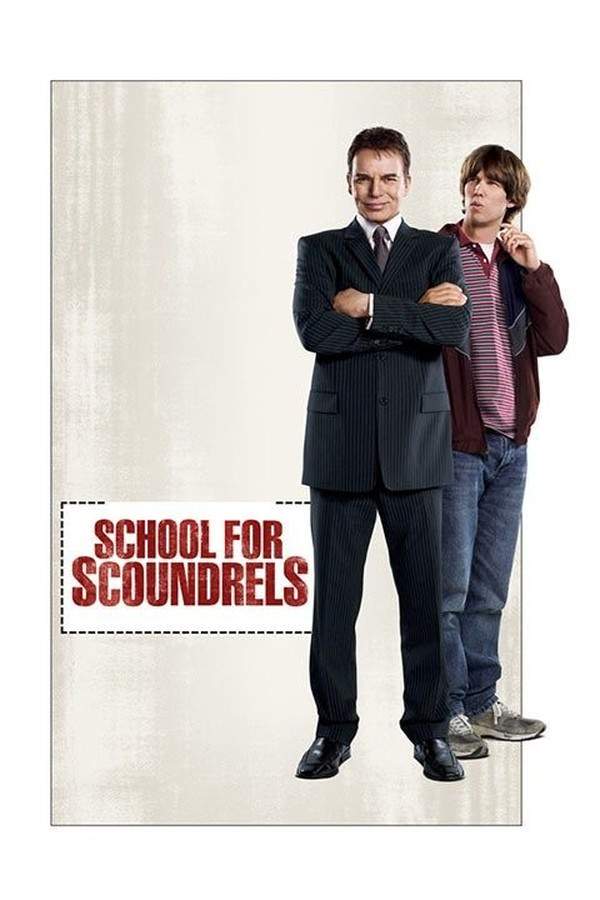
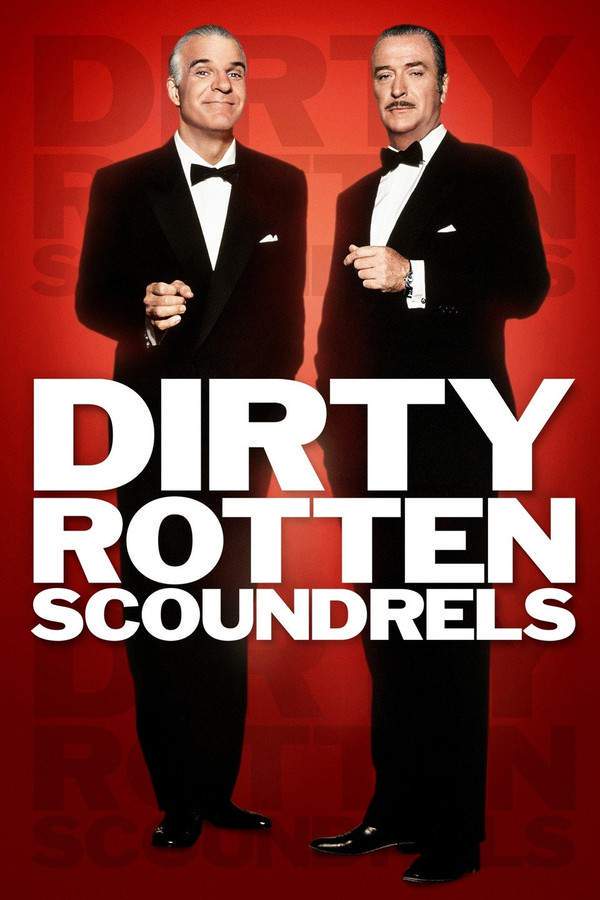
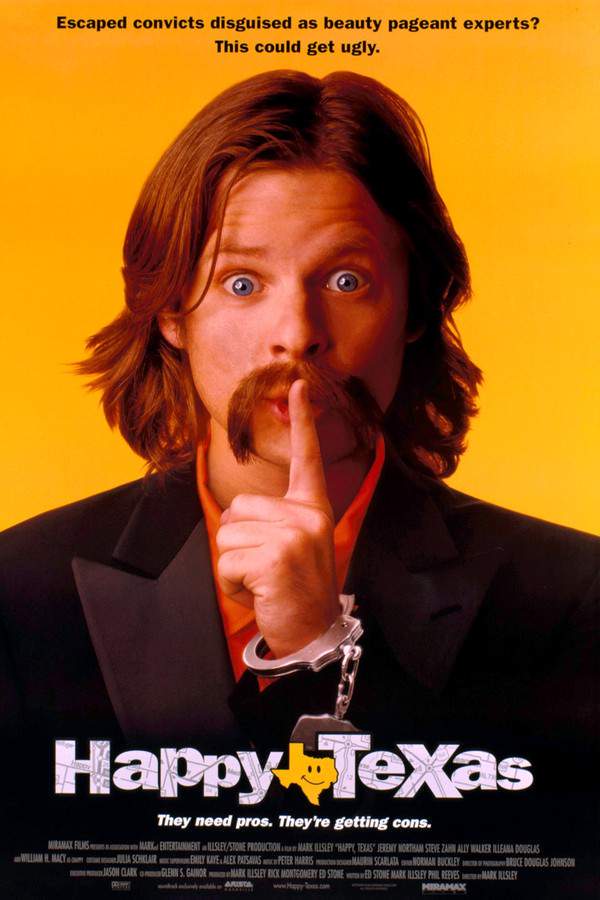
Charismatic tricksters find their conscience and a chance at love. If you enjoyed watching Harold Hill's transformation in The Music Man, you'll love these movies about charismatic tricksters who find a heart of gold. These films feature charming rogues, romantic tension, and feel-good redemption arcs that prove love can conquer misguided ambitions.

  • charming
  • romantic
  • hopeful
  • whimsical
  • uplifting
  • redemptive
  • Tone: light, hopeful, charming
  • Pacing: steady, character-driven
Why these movies?

The story pattern: Stories in this thread follow a familiar arc: a confident trickster arrives with a selfish plan, but their facade is challenged by a clever skeptic or the genuine warmth of a community. The plot hinges on the con artist's internal conflict as their growing affection clashes with their original motives, leading to a climactic choice between personal gain and doing the right thing, usually resulting in a happy, redemptive resolution.

Why they belong together: These movies are grouped by their shared focus on a specific character redemption arc, blending a LIGHT or HOPEFUL tone with a STEADY pace. They balance the thrill of a clever con with the emotional payoff of a character choosing love and community over selfishness, creating a consistently uplifting and charming viewing experience.

Movies about small-town community spirit and transformation like The Music Man

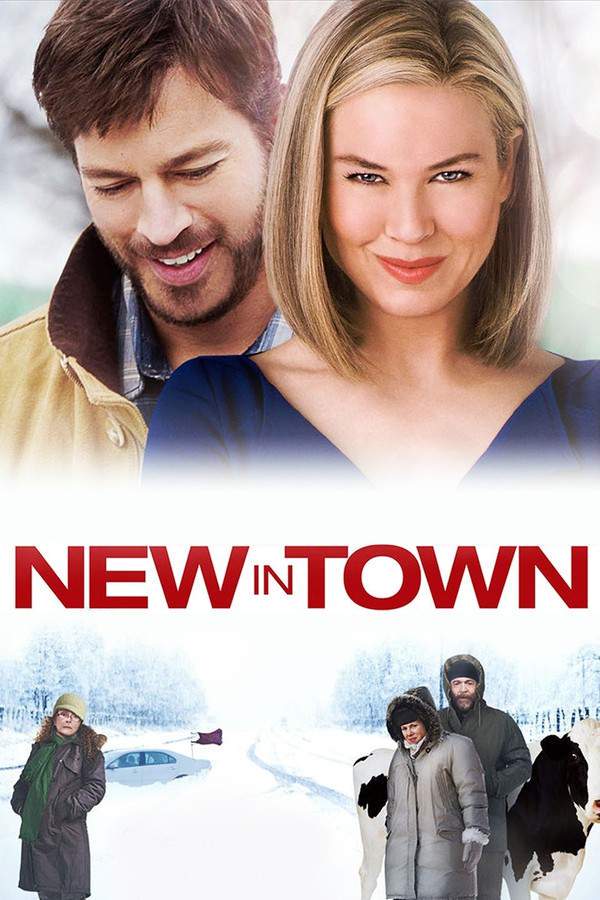
Stories where a unique arrival brings a struggling community together. Fans of the community spirit in The Music Man will enjoy these stories of small-town transformations. Discover movies where an outsider brings a town together through music, performance, or sheer charm, resulting in uplifting tales of hope, unity, and joyful conclusions.

  • nostalgic
  • upbeat
  • hopeful
  • whimsical
  • community
  • joyful
  • Tone: hopeful, whimsical, nostalgic
  • Pacing: steady, episodic
Why these movies?

The story pattern: The narrative pattern involves a tight-knit, sometimes stagnant community being shaken up by an external force. Initial skepticism or conflict gives way to collective participation in a shared goal, often a performance or project. The story celebrates how individual differences are set aside for the common good, leading to a unifying, celebratory finale that reinforces the value of community.

Why they belong together: This thread groups movies based on their shared setting and thematic core: the power of community. They consistently evoke a nostalgic, hopeful, and whimsical mood through a STEADY pace and MEDIUM intensity that comes from communal stakes rather than personal danger. The experience is defined by its feel-good, optimistic outlook on human connection.

If you liked this

Movies Like The Music Man

Similar movies to The Music Man: the same genre, themes or kind of story. Each one comes with its own plot summary, timeline and ending explained.

Browse all movie summaries

Every angle

The Music Man (1962) Explained: Plot, Timeline & Characters

Everything about The Music Man in one place: what happens in the plot summary, the timeline in chronological order, the characters and meaning and a spoiler-free summary. What's After the Movie adds the cast, box office and post-credit scenes.

Coming soon on iOS and Android

The Plot Explained Movie Summary App

Plot summaries, endings explained and timelines on your phone. Catch up on any movie in minutes, save your favorites and never miss a twist again.

Be the first to know when we launch. Your email stays private, always.

Learn more about the app