Plot Explained Spoilers guaranteed!
Plot Explained

Browse by genre

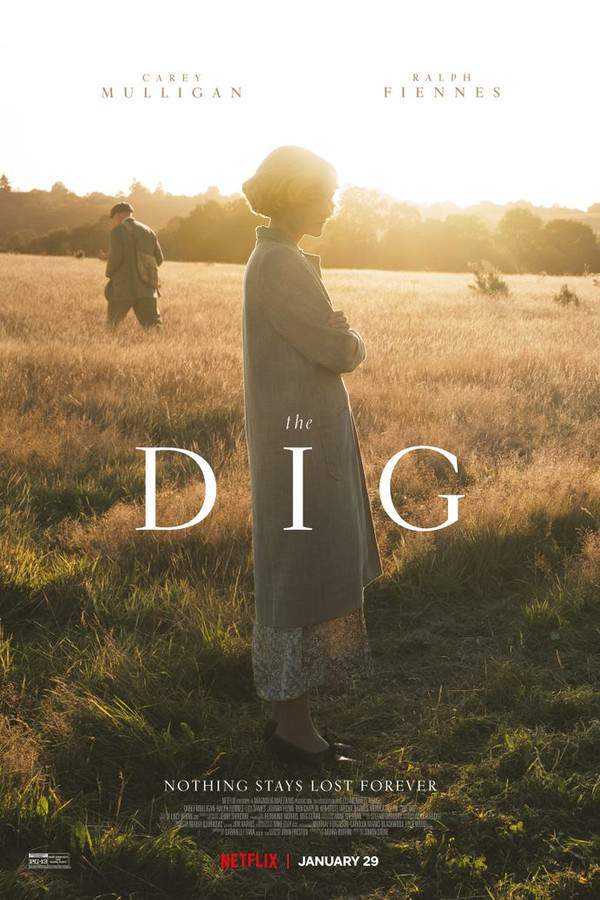
The Dig (2021) movie poster

Plot Summary

The Dig (2021) Plot Summary & Ending Explained

Release, runtime and language
2021 · 112 min · English
Echo score 79
JustWatch #19,262 16
Directed by
Simon Stone
Starring
Lily James, Ralph Fiennes, Robert Wilfort, Johnny Flynn, Archie Barnes, Arsher Ali
Budget
$15M

During the 19th century in England, a determined archaeologist discovers a centuries-old mystery while excavating a ship buried within a forgotten cemetery. The vessel lies on the grounds of a reclusive woman’s estate, and as he investigates, he begins to unearth long-held secrets and confront a shadowy past. He must unravel the history of the ship and its connection to the estate’s owner.

On this page (9)
  1. 1 Where to watch
  2. 2 What happens: full plot
  3. 3 Plot questions answered
  4. 4 How it ends
  5. 5 The book behind the movie
  6. 6 Movie threads
  7. 7 Movies like The Dig
  8. 8 Categories
  9. 9 Every angle

Where to watch

Where to Watch The Dig (2021)

Where can you watch The Dig? Stream, rent or buy it in the US, including on fuboTV, Philo and Fawesome: current JustWatch availability with up-to-date prices.

Streaming availability powered by JustWatch

Full plot summary · contains spoilers

What Happens in The Dig: Full Plot Summary

The whole story of The Dig (2021) explained, from the opening scene to the final frame: every key event, every twist and what it all adds up to. Read it as a quick recap before the sequel, to check a scene you missed, or to finally understand what really happened.

In the year 1939, the story unfolds as Suffolk landowner Edith Pretty hires local self-taught archaeologist and excavator Basil Brown to explore the large burial mounds at her serene estate in Sutton Hoo. Initially, she proposes a payment equivalent to the minimal agricultural wage, similar to what he earned from the Ipswich Museum. However, Brown finds this offer insufficient and negotiates a better deal of £2 a week, which she gladly agrees to.

Despite attempts by his former employers to lure him to excavate a Roman villa they believe to be more significant, Brown holds steadfast, proposing that the mounds might, in fact, date back to the Anglo-Saxon period rather than the more recognized Viking era. As he undertakes his excavation with a few estate assistants, he carefully uncovers the most promising of the mounds. There’s a harrowing moment when a trench unexpectedly collapses on him, but he is thankfully rescued just in time.

As the narrative progresses, Brown spends more time with Edith, a widow facing her own challenges, and her spirited young son, Robert Pretty. While neglecting letters from his own wife, May, he becomes deeply involved in their lives. Edith faces her own health issues, receiving stern advice from her doctor to minimize stress.

One of the pivotal moments occurs when Brown discovers iron rivets from a ship, hinting that the burial site may belong to someone of significant status, potentially a king. Local archaeologist James Reid Moir attempts to join the excavation but is turned away. Instead, Edith brings her cousin Rory Lomax on board to assist. News of their discoveries spreads rapidly, attracting the attention of Cambridge archaeologist Charles Phillips, who declares the site of national importance and takes control of the dig by order of the Office of Works.

As the threat of war looms, Philips enlarges the team, incorporating Peggy Piggott, who goes on to unveil the first distinctly Anglo-Saxon artifact. Although Brown initially retains a position to maintain order at the site, Edith insists on his return to excavating. Ultimately, he unearths a Merovingian Tremissis, a small but significant gold coin from Late Antiquity, leading Philips to officially classify the location as one of considerable historical value.

Philips expresses the desire to send the discovered items to the British Museum, but Edith, concerned over potential damage from air raids in London, declares her ownership rights. An inquest verifies her claim to the ship and its invaluable grave goods; however, as her health deteriorates, her spirit begins to wane.

Meanwhile, Peggy, feeling disregarded by her husband Stuart—who harbors his own secret—embarks on a romance with Rory, but their relationship is cut short as he is soon drafted into the Royal Air Force. In a heartfelt gesture, Edith decides to donate the Sutton Hoo treasures to the British Museum, ensuring that Brown is recognized for his invaluable contributions. Tragically, she passes away in 1942.

Years later, it is revealed in a note that the treasures were hidden in the London Underground during the war and were first displayed—without Basil Brown receiving any recognition—nine long years after Edith's death. It wasn't until recently that Brown was rightly acknowledged for his efforts, and his name now graces a permanent place alongside Edith Pretty's at the British Museum.
Last updated: November 15, 2024 at 17:38

Was this helpful?

Plot questions answered

The Dig Plot Explained: Your Questions Answered

The questions people ask most about The Dig (2021): what happens in the confusing scenes, why the characters do what they do, the twists, hidden details and what the ending means. Each answer contains spoilers.

Q1

Why did Charles Phillips take control of the Sutton Hoo excavation?

Cambridge archaeologist Charles Phillips declared the Sutton Hoo site of national importance after learning about the discoveries. He assumed control by order of the Office of Works, which had the authority to intervene in significant archaeological finds. Although this diminished Basil Brown's leadership role, Phillips expanded the team with additional experts and ensured the excavation received the resources and recognition it deserved.

  • charles phillips
  • sutton hoo
  • excavation control
  • office of works
Q2

Why did Edith Pretty initially refuse to send the treasures to the British Museum?

Edith Pretty refused because she feared the treasures would be damaged during air raids on London. With World War II looming, she was concerned about the vulnerability of London-based institutions to bombing. An inquest later verified her ownership claim, confirming she had legal right to the ship and grave goods.

Foreshadowing: Earlier in the story, the threat of war is established as a growing concern throughout England.

  • edith pretty
  • british museum
  • air raids
  • ownership claim
  • world war 2
Q3

Why wasn't Basil Brown initially credited for the Sutton Hoo discovery?

When the treasures were first displayed at the British Museum nine years after Edith Pretty's death in 1951, Basil Brown received no recognition. This oversight reflected the academic biases of the time, where self-taught archaeologists like Brown were often overshadowed by university-trained professionals. Charles Phillips, who led the Cambridge team, was credited as the primary archaeologist despite Brown being the one who initially uncovered the site and made the key discoveries.

  • basil brown
  • credit
  • british museum
  • historical recognition
  • archaeology
Q4

What happened to the Sutton Hoo treasures during World War II?

Following Britain's declaration of war in 1939, the Sutton Hoo treasures were hidden in the London Underground to protect them from potential bomb damage. This decision was made while Edith Pretty still owned the artifacts and before she later chose to donate them permanently to the British Museum.

  • treasures
  • world war 2
  • london underground
  • protection
  • bombing
Q5

Why did Edith Pretty eventually decide to donate the treasures to the British Museum?

Edith Pretty decided to donate the Sutton Hoo treasures to the British Museum in a selfless gesture, ensuring that Brown would be recognized for his invaluable contributions. Her decision came as her health deteriorated, and she wanted to secure the artifacts' permanent preservation and public accessibility while also honoring the man who made the discovery possible.

  • edith pretty
  • donation
  • british museum
  • basil brown
  • recognition
Q6

Why were the iron rivets discovered at Sutton Hoo so significant?

The iron rivets discovered by Basil Brown indicated that the burial mound contained a ship, not just a typical Anglo-Saxon grave. This immediately suggested the burial belonged to someone of extraordinary status, likely a king or noble, as ship burials were reserved for the highest ranks of Anglo-Saxon society. This revelation transformed the excavation from a local curiosity to a discovery of national importance.

  • iron rivets
  • ship burial
  • anglo-saxon
  • king
  • sutton hoo
Q7

Why did Basil Brown neglect his correspondence with his wife May?

As Basil Brown spent more time at the Sutton Hoo estate, he became deeply involved in the lives of Edith Pretty and her young son Robert. While excavating, he neglected his letters from his wife May, choosing to focus on the excavation and his growing connection to the Pretty family rather than maintaining his own family correspondence.

  • basil brown
  • wife may
  • correspondence
  • neglect
  • sutton hoo
Q8

What was the Merovingian Tremissis found at Sutton Hoo?

The Merovingian Tremissis was a small gold coin from the Late Antiquity period, dating to roughly 600-700 AD. Its discovery by Basil Brown provided crucial dating evidence that helped confirm the burial site was from the Anglo-Saxon era, not the Viking period as some initially suspected. This finding led Phillips to officially classify the location as historically significant.

  • merovingian tremissis
  • gold coin
  • dating
  • anglo-saxon
  • archaeology
Q9

Why did Peggy Piggott begin a relationship with Rory Lomax?

Peggy Piggott felt disregarded by her husband Stuart, who was keeping his own secret. During the excavation, she grew close to Rory Lomax, Edith Pretty's cousin who had been brought in to assist. Their relationship developed as they worked together at the site, but it was cut short when Rory was drafted into the Royal Air Force as war approached.

  • peggy piggott
  • rory lomax
  • relationship
  • royal air force
  • war
Q10

Why was Edith Pretty's health a concern during the excavation?

Edith Pretty received stern advice from her doctor to minimize stress, indicating she was already facing serious health issues when the excavation began. Her condition progressively worsened throughout 1939 and 1940, ultimately contributing to her decision to donate the treasures and leading to her death in 1942.

  • edith pretty
  • health
  • doctor
  • stress
  • death 1942

Ending explained

What Happens at the End of The Dig?

How The Dig (2021) ends, in short: the final scene, the last twist and what it means for the characters. The full ending explained, with every spoiler, lives on its own page.

Read the full ending explained

In the film's climax, Scott and Jane undertake a desperate attempt to escape from their captors, Victor and Lola. Just as Lola is about to shoot Jane, Jane manages to protect herself with the small knife from her necklace, stabbing Lola in the neck. Meanwhile, Victor is preoccupied tending to Lola's injuries, giving Scott and Jane a crucial moment to break free. They try to flee in a car, but Victor intervenes once more, pulling Scott out and attacking him violently. In the ensuing struggle, Scott gains the upper hand, pushing Victor in front of the car. Jane then aggressively drives the vehicle, running Victor over and causing him to crash into a nearby house, which results in his death.

After this violent turn, Scott and Jane, battered and scarred physically and emotionally, manage to make a narrow escape from the chaos. The ending signifies their survival, but not without a price. Their harsh experiences have forced them to confront their fears, inner wounds, and the fragile bond they share — a bond that has been strengthened through their ordeal. The act of digging, both literally and metaphorically, has brought them closer, helping Scott reconnect with Jane’s love and trust after her silent suffering. In the final moments, their escape symbolizes hope and a renewed family connection, emerging stronger from the depths of trauma and violence. The movie leaves viewers with a sense that, despite the brutality and loss, love and resilience can help a family heal and move forward.

The Dig ending explained in full

Movie threads

More Movies Like The Dig, by Mood & Story

Curated lists built around what makes The Dig tick: the same mood, the same kind of story or the same emotional payoff. Each list explains why these movies belong together.

Movies about quiet pursuits of legacy like The Dig

Stories where characters unearth the past to find personal meaning. If you enjoyed the methodical, personal archaeology in The Dig, you'll appreciate these movies about quiet pursuits of legacy. They feature characters dedicated to historical discovery, artistic preservation, or uncovering a forgotten past, all with a similar reflective and tranquil mood.

  • reflective
  • tranquil
  • nostalgic
  • solemn
  • earnest
  • methodical
  • Tone: melancholic, reflective, earnest
  • Pacing: slow, deliberate
Why these movies?

The story pattern: Narratives in this thread follow a character or small group driven by a personal passion to uncover or preserve a piece of history, art, or knowledge. The conflict is often internal or against institutional indifference, rather than a traditional villain, with the journey emphasizing patience, dedication, and the bittersweet nature of legacy.

Why they belong together: Movies are grouped here for their shared focus on a gentle, obsessive pursuit, a melancholic yet earnest tone, and a pacing that mirrors the deliberate nature of the work being done. They share a low-intensity, character-driven approach where the emotional payoff comes from the act of preservation itself.

Bittersweet historical dramas with a melancholic mood like The Dig

Historical dramas where personal stories are shadowed by larger events. For viewers who liked the bittersweet historical melancholy of The Dig, this thread collects movies that blend personal drama with a historical setting. These stories often explore themes of legacy, mortality, and overlooked lives against a somber backdrop, delivering a poignant and reflective experience.

  • melancholic
  • bittersweet
  • solemn
  • nostalgic
  • poignant
  • reflective
  • Tone: melancholic, bittersweet, solemn
  • Pacing: slow, contemplative
Why these movies?

The story pattern: The narrative pattern involves personal arcs—often concerning illness, fading glory, or unacknowledged contributions—that intersect with a broader historical moment, like an impending war. The plot balances intimate character struggles with the weight of history, leading to conclusions that acknowledge loss while finding glimmers of hope or enduring impact.

Why they belong together: This thread connects films through their shared melancholic tone, bittersweet emotional conclusion, and the thematic interplay between personal fragility and historical inevitability. The experience is defined by a medium emotional weight, a slow, contemplative pace, and a focus on the quiet dignity of its characters.

If you liked this

Movies Like The Dig

Similar movies to The Dig: the same genre, themes or kind of story. Each one comes with its own plot summary, timeline and ending explained.

Browse all movie summaries

Categories

Movie Lists Featuring The Dig

The Dig appears in these hand-built movie categories. Each one groups movies by a specific mood, theme or story type, with their plot summaries and endings explained.

View all movie categories

Every angle

The Dig (2021) Explained: Plot, Ending, Timeline & Characters

Everything about The Dig in one place: what happens in the plot summary, the timeline in chronological order, the characters and meaning, the ending explained and a spoiler-free summary. What's After the Movie adds the cast, box office and post-credit scenes.

Coming soon on iOS and Android

The Plot Explained Movie Summary App

Plot summaries, endings explained and timelines on your phone. Catch up on any movie in minutes, save your favorites and never miss a twist again.

Be the first to know when we launch. Your email stays private, always.

Learn more about the app