Plot Explained Spoilers guaranteed!
Plot Explained

Browse by genre

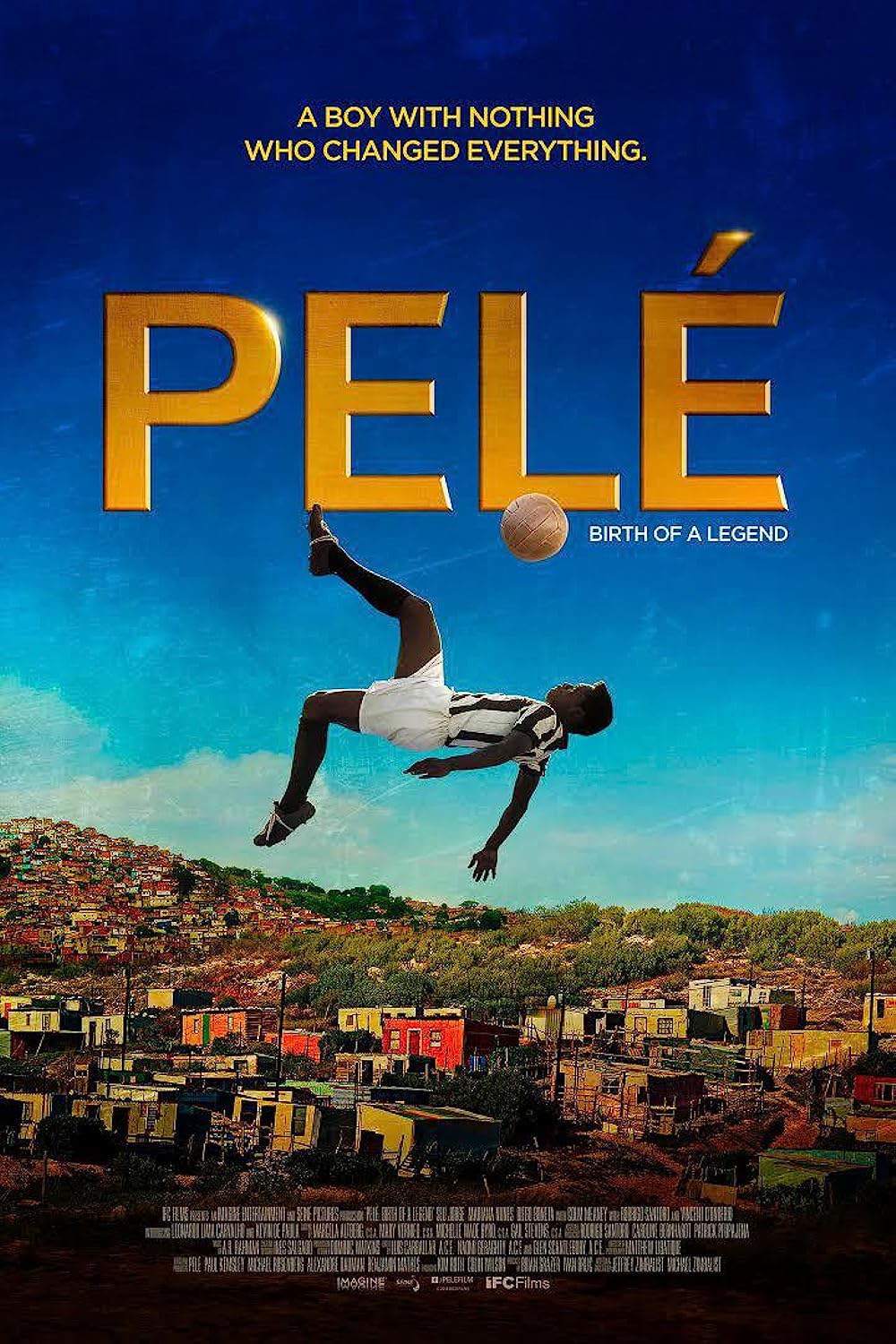
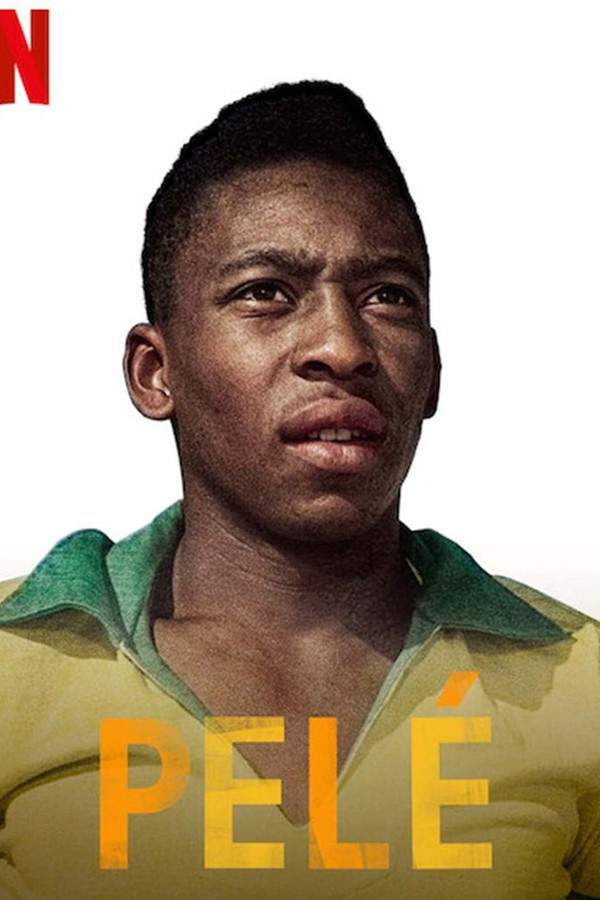
Pelé (2021) movie poster

Plot Summary

Pelé (2021) Plot Summary Explained

Release, runtime and language
2021 · 108 min · English
Echo score 76
JustWatch #24,362 5
Directed by
Ben Nicholas, David Tryhorn
Starring
Pelé

This documentary explores the extraordinary career of football icon Pelé, charting his ascent to legendary status. Through exclusive interviews and rare archival footage, the film follows his remarkable journey from a teenage prodigy to a national hero. It chronicles a transformative twelve years in Brazil, highlighting his triumphs on the field and the turbulent historical events that shaped his rise to global fame.

On this page (6)
  1. 1 Where to watch
  2. 2 What happens: full plot
  3. 3 Plot questions answered
  4. 4 Movie threads
  5. 5 Movies like Pelé
  6. 6 Every angle

Where to watch

Where to Watch Pelé (2021)

Where can you watch Pelé? Stream, rent or buy it in the US, including on Netflix and Netflix Standard: current JustWatch availability with up-to-date prices.

Streaming availability powered by JustWatch

Full plot summary · contains spoilers

What Happens in Pelé: Full Plot Summary

The whole story of Pelé (2021) explained, from the opening scene to the final frame: every key event, every twist and what it all adds up to. Read it as a quick recap before the sequel, to check a scene you missed, or to finally understand what really happened.

Looks back on the remarkable 12-year journey of Pelé, the only player to clinch three World Cup titles, as he evolved from a young sensation in 1958 to a national icon by 1970 during a time of significant upheaval in Brazil’s history. The film delves into Pelé's experience at the 1970 World Cup in Mexico, where the weight of expectation loomed large over him. As age crept in and form began to wane, the pressure became almost unbearable for Pelé, who found himself grappling with doubts and scrutiny.

Born in 1940 in Brazil, a nation then steeped in poverty and striving for development, Pelé was inspired by his father, known as Dondinho, a footballer himself. Along with his sister, Maria Lucia, young Pelé aspired to rise through the ranks of football despite the harsh realities. Following his father's injury and subsequent job loss, Pelé began working as a boot polisher, never anticipating that stardom awaited him on the pitch.

Overcoming challenges, Pelé's talent was quickly recognized, and he was called up to represent Brazil in the 1958 World Cup in Sweden. At this time, Brazil was not yet a powerhouse in football, and their underdog status heightened the drama. During the tournament, notable moments marked Pelé’s rise to glory, with him scoring a series of crucial goals: >"I was just a poor black kid who made it big." At just 17, he emerged as a national hero after ensuring Brazil's stunning victory over Sweden.

The success fueled a fervor for Pelé, establishing him as a football royalty. The club Santos, where Pelé honed his skills, experienced a meteoric rise thanks to his incredible performance on the field, propelling them into the international spotlight.

However, complications arose when Pelé faced adversity during the 1962 World Cup in Chile. Coming off a peak at just 22 years old, a significant injury would cut his hopes short, forcing him to watch his teammates triumph without him. The film reflects on how Pelé became an emblem of national pride amidst a backdrop of political turmoil, especially during Brazil's military coup in 1964.

He married Rose in 1966, yet his dedication to football and commercial endorsements often sidelined his family life.Pelé faced personal trials, including temptations and controversies surrounding fidelity, knowing well that these would become part of his complex legacy.

In the 1966 World Cup, expectations were sky-high, yet strategic plays against him led to Brazil's early exit, causing Pelé to reconsider his future in international competitions. The atmosphere in Brazil was tense as 1968 brought riots and political upheaval. Despite these issues, Pelé became a beacon of hope for many, scoring his monumental 1000th goal on November 19, 1969, marking a milestone moment in Brazilian football history.

As the 1970 World Cup approached in Mexico, Pelé was compelled to play amid threats from the dictatorship, which sought to use his fame as a propaganda tool. Despite initial struggles, he gradually regained his form, leading Brazil through a series of victories, including a gripping semifinal against Uruguay, restoring faith across the nation.

The final against Italy brought emotional tension, fear, and hope. Pelé marked his legacy forever, scoring and leading Brazil to a remarkable 4-1 victory, achieving his ultimate destiny. His journey from a young boy with a dream to a football legend culminated in joining the Cosmos in the United States, a decision that marked new beginnings after accumulating an astonishing 1283 goals in 1367 matches.
Last updated: November 15, 2024 at 17:29

Was this helpful?

Plot questions answered

Pelé Plot Explained: Your Questions Answered

The questions people ask most about Pelé (2021): what happens in the confusing scenes, why the characters do what they do, the twists, hidden details and what the ending means. Each answer contains spoilers.

Q1

Why did Pelé consider quitting football after the 1966 World Cup?

After the 1966 World Cup in England, Pelé seriously contemplated retiring from international football. Brazil faced an early exit despite sky-high expectations, and Pelé felt the crushing weight of the nation's hopes had become unbearable. The combination of strategic plays specifically targeting him and the disappointing performance led him to question whether he could continue carrying such immense pressure.

Foreshadowing: Earlier in his career, Pelé had already experienced the burden of being Brazil's sole hope at just 17 years old.

  • pelé
  • 1966 world cup
  • brazil
  • retirement
  • football
Q2

How did Pelé deal with pressure from Brazil's military dictatorship?

During the 1970 World Cup, the Brazilian military dictatorship actively sought to use Pelé's fame as a propaganda tool to legitimize their regime. Facing threats and manipulation, Pelé had to navigate playing while being exploited politically. Despite this pressure, he managed to focus on his performance, leading Brazil to victory and essentially transforming what could have been political propaganda into a genuine celebration of national pride.

Foreshadowing: The 1964 military coup had already intertwined Pelé's sports legacy with Brazil's political landscape.

  • pelé
  • 1970 world cup
  • brazil dictatorship
  • military government
  • pressure
Q3

What happened to Pelé during the 1962 World Cup?

At just 22 years old and at the peak of his powers, Pelé suffered a significant injury during the 1962 World Cup in Chile that cut his tournament short. He was forced to watch from the sidelines as his teammates went on to win the tournament without him. This moment was particularly devastating for Pelé, who had to grapple with the pain of being unable to contribute to his team's historic achievement.

Foreshadowing: This injury would set a precedent for the physical toll Pelé's career would take.

  • pelé
  • 1962 world cup
  • chile
  • injury
  • brazil team
Q4

Why was Pelé's 1000th goal so significant?

On November 19, 1969, Pelé scored his historic 1000th goal in a match, marking a milestone moment in football history. This achievement transcended personal accomplishment, it united a country grappling with political turmoil and social challenges. The goal represented not only his legendary status but also served as a beacon of hope during difficult times in Brazil.

Foreshadowing: Throughout his career, Pelé had repeatedly delivered goals in crucial moments that lifted national spirits.

  • pelé
  • 1000th goal
  • brazil
  • milestone
  • 1969
Q5

Why was Pelé so young when he played in the 1958 World Cup?

Pelé was called up to represent Brazil in the 1958 World Cup at just 17 years old because his exceptional talent was undeniable even at such a young age. Despite being a poor black kid from humble beginnings, his skills were so advanced that the national team selectors could not overlook him. His performance during the tournament proved them right, as he scored crucial goals and helped Brazil secure victory over Sweden.

Foreshadowing: His childhood dreams of rising through football ranks had been built on raw talent recognized early by his father Dondinho.

  • pelé
  • 1958 world cup
  • sweden
  • young
  • teenager
  • brazil
Q6

Why did Pelé leave Santos to join Cosmos in the United States?

After accumulating an astonishing 1283 goals in 1367 matches and achieving legendary status with Santos FC, Pelé joined the Cosmos in the United States as a new chapter in his career. This move marked a significant transition, blending sports with cultural influence and helping expand football's horizons in America. It represented a culmination of his incredible career and his desire to explore new opportunities beyond Brazilian football.

Foreshadowing: His earlier international fame with Santos had already brought the club to the global spotlight.

  • pelé
  • santos
  • cosmos
  • united states
  • career end
Q7

What was Pelé's relationship like with his father Dondinho?

Pelé's father Dondinho was a professional footballer who served as his primary inspiration. Growing up in poverty, young Pelé aspired to follow in his father's footsteps and rise through football ranks. When Dondinho suffered an injury that forced him to lose his job, Pelé took on work as a boot polisher to help support the family. This hardship fueled Pelé's determination to succeed and make his father proud.

Foreshadowing: Dondinho's football career and subsequent injury directly shaped Pelé's early motivations.

  • pelé
  • dondinho
  • father
  • family
  • inspiration
  • poverty
Q8

What made the 1970 World Cup Pelé's ultimate achievement?

The 1970 World Cup in Mexico represented the culmination of Pelé's twelve-year journey from teenage prodigy to national icon. Despite approaching older age and dealing with doubts, form issues, and external pressure from the dictatorship, Pelé delivered a historic performance. He scored in the final against Italy and led Brazil to a remarkable 4-1 victory, securing his third World Cup title, the ultimate destiny that cemented his legacy as football's greatest legend.

Foreshadowing: The weight of expectation had loomed over him since his breakout in 1958, building toward this moment.

  • pelé
  • 1970 world cup
  • italy
  • final
  • victory
  • legend
Q9

How did Pelé become a symbol of national pride during Brazil's crisis?

During periods of intense political turmoil, including the 1964 military coup and the 1968 riots, Pelé emerged as a unifying figure for the Brazilian people. His achievements on the football field provided hope and pride when the nation was divided and struggling. Whether through his triumphant performances or his historic 1000th goal during difficult times, Pelé's sporting success became intertwined with Brazil's collective identity and emotional wellbeing.

Foreshadowing: His rise coincided with Brazil's own journey toward finding national identity and pride.

  • pelé
  • brazil
  • national pride
  • political turmoil
  • symbol
  • hopes
Q10

Why did Pelé marry Rose in 1966?

Pelé married Rose in 1966, but his relentless dedication to football and numerous commercial endorsements often kept him away from family life. This commitment to his career, while essential to his legendary status, created personal challenges and led to controversies surrounding fidelity. His complex legacy included navigating the demands of fame while trying to maintain personal relationships.

Foreshadowing: The tension between his career and personal life had been present throughout his rise to fame.

  • pelé
  • rose
  • marriage
  • 1966
  • family
  • personal life

Movie threads

More Movies Like Pelé, by Mood & Story

Curated lists built around what makes Pelé tick: the same mood, the same kind of story or the same emotional payoff. Each list explains why these movies belong together.

Documentaries about Triumphant Athletes like Pelé

Documentaries about iconic athletes overcoming immense pressure to achieve greatness. If you enjoyed the inspiring journey of Pelé, explore other documentaries about sports legends. These films capture similar themes of immense athletic pressure, national pride, and ultimate triumph. Discover movies that follow iconic figures as they overcome obstacles to secure their legendary status.

  • inspiring
  • triumphant
  • historical
  • reflective
  • tense
  • hopeful
  • Tone: hopeful, triumphant, reflective
  • Pacing: steady, chronological
Why these movies?

The story pattern: These narratives typically follow a linear biographical path, starting with raw talent and following the subject through major career challenges and triumphs. The central conflict often involves external pressures—political scrutiny, national expectations, injuries—that test the athlete's resolve, culminating in a historic victory that cements their legacy.

Why they belong together: Movies are grouped here for their shared focus on inspirational true sports stories, a steady and reflective pacing that builds towards a triumphant conclusion, and a medium emotional weight that balances the thrill of victory with the cost of fame.

Movies about Rise to Fame in Turbulent Times like Pelé

Personal triumphs unfolding during periods of significant national change. Fans of Pelé will appreciate these stories that connect a personal rise to fame with a nation's political and social upheaval. Find movies and documentaries similar to Pelé, where the protagonist's journey is set against a backdrop of historical turmoil, adding depth and tension to their inspirational story.

  • historical
  • inspiring
  • tense
  • reflective
  • melancholic
  • hopeful
  • Tone: hopeful, reflective, historically tense
  • Pacing: steady, epic timeline
Why these movies?

The story pattern: The plot follows a clear arc of an individual ascending to iconic status, but this personal journey is consistently paralleled with major historical events. The external world's turbulence—be it war, dictatorship, or social revolution—serves as both an obstacle and a defining context, making the personal victory also feel like a symbolic national triumph.

Why they belong together: These films are united by their 'MIXED' focus on a straightforward biographical plot intertwined with complex historical context. They share a hopeful tone tempered by reflective or melancholic notes, creating a nuanced experience where personal glory is inseparable from its historical moment.

If you liked this

Movies Like Pelé

Similar movies to Pelé: the same genre, themes or kind of story. Each one comes with its own plot summary, timeline and ending explained.

Browse all movie summaries

Every angle

Pelé (2021) Explained: Plot, Timeline & Characters

Everything about Pelé in one place: what happens in the plot summary, the timeline in chronological order, the characters and meaning and a spoiler-free summary. What's After the Movie adds the cast, box office and post-credit scenes.

Coming soon on iOS and Android

The Plot Explained Movie Summary App

Plot summaries, endings explained and timelines on your phone. Catch up on any movie in minutes, save your favorites and never miss a twist again.

Be the first to know when we launch. Your email stays private, always.

Learn more about the app