Plot Explained Spoilers guaranteed!
Plot Explained

Browse by genre

Into the Inferno (2016) movie poster

Plot Summary

Into the Inferno (2016) Plot Summary Explained

Release, runtime and language
2016 · 104 min · English
Loading streaming availability…
Directed by
Werner Herzog

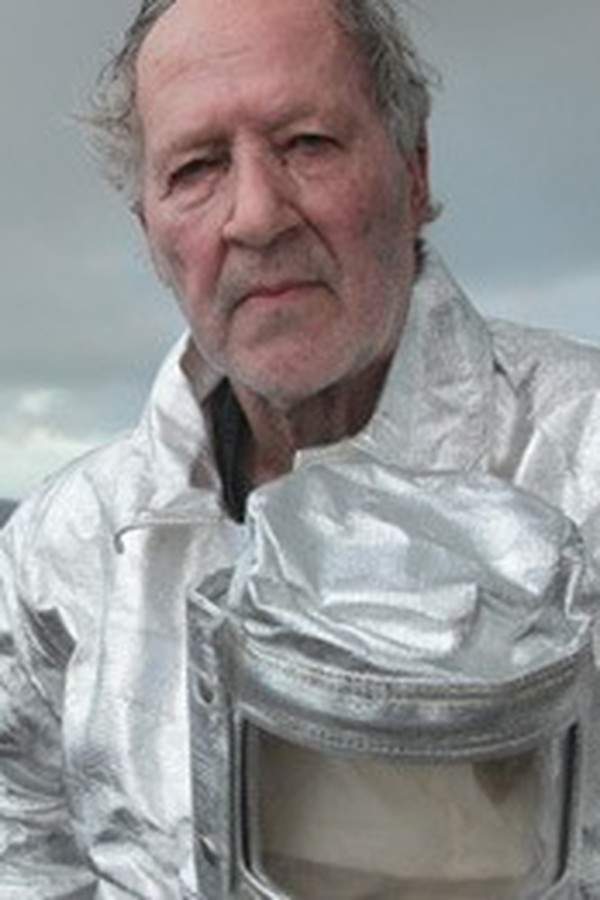
Filmmaker Werner Herzog and volcanologist Clive Oppenheimer embark on a captivating expedition to explore active volcanoes around the world. Their journey takes them from Indonesia’s imposing mountains to Ethiopia’s historic volcanic landscapes and the secluded areas of North Korea. Through stunning visuals and insightful conversations, they investigate the powerful relationship between humanity and these awe-inspiring, and often dangerous, natural phenomena.

On this page (6)
  1. 1 Where to watch
  2. 2 What happens: full plot
  3. 3 Plot questions answered
  4. 4 Movie threads
  5. 5 Movies like Into the Inferno
  6. 6 Every angle
Loading streaming availability…

Full plot summary · contains spoilers

What Happens in Into the Inferno: Full Plot Summary

The whole story of Into the Inferno (2016) explained, from the opening scene to the final frame: every key event, every twist and what it all adds up to. Read it as a quick recap before the sequel, to check a scene you missed, or to finally understand what really happened.

An intriguing journey through the world's active volcanoes unfolds in this documentary, focusing on notable sites in Indonesia (Mount Sinabung), Iceland, North Korea, and Ethiopia (Erta Ale). Director Werner Herzog embarks on a captivating exploration alongside renowned volcanologist and co-director Clive Oppenheimer, who is dedicated to understanding and mitigating the dangerous effects of these natural phenomena. Herzog aims to reveal an image of our origins and deeply analyze humanity's connection to nature, remarking that "there is no single one that is not connected to a belief system."

In the Vanuatu Archipelago on Ambrym Island, located a thousand miles from Northern Australia, active volcanoes shape the landscape. These islands bear heavy tolls from both tropical storms and volcanic eruptions. Within the village of Endu, chief Mael Moses leads a community that believes spirits vigilantly maintain the volcanoes' fires. Drawing from the past, the villagers recall the last significant eruption in 1968 and how spirits differentiate between locals and tourists, prompting a three-year ban on visitors in the wake of destruction. In their lore, the lava stands as a manifestation of the devil's wrath, and it is believed that those who perish return to the volcano. However, the villagers' age-old rituals risk disappearing in the modern world.

Herzog’s travels take him to the majestic Mount Erebus, towering at 12,500 feet above sea level—an active volcano located in Antarctica. It was here over a decade ago that Herzog first encountered Oppenheimer. Together, they delve into the profound philosophical implications behind humanity's fascination with volcanoes, recognizing them as both creators of life and reminders that nothing lasts forever.

The narrative also recalls Herzog's visit to La Soufrière on the Caribbean island of Guadeloupe in 1976, where the looming threat of an eruption led to the evacuation of 70,000 residents. Astray from danger, one man famously declined to leave his home, opting instead to fall asleep singing while the volcano erupted around him.

Katia and Maurice Kraft, a devoted French couple, dedicated their lives to studying volcanic activity, often perilously close to eruptions. Tragically, they lost their lives to a lava flow in Japan, as super-heated gases rushed forth at incredible speeds, reaching temperatures of 800 degrees Fahrenheit.

The documentary also reveals the astonishing diverse landscape of Lake Toba in Indonesia, recognized as the world’s largest volcanic lake, formed from an eruption approximately 74,000 years ago. It released an astounding 15,000 cubic kilometers of ash and pumice, marking the most substantial eruption in Earth's recorded history. This cataclysmic event temporarily darkened the skies worldwide and nearly eradicated human existence, with just around 600 individuals managing to survive.

Further, Herzog's expedition brings him to the Danakil Depression in Ethiopia—famous for being the hottest place on Earth and lying 300 meters below sea level. Here, scientists trace rift valleys that will eventually separate portions of Africa and give birth to new volcanoes. Erta Ale stands out as one of only three volcanoes in the world with exposed magma, drawing both fascination and study from archaeologists, who unearth evidence of early hominids believed to date back 100,000 years. Using innovative technology, the research team meticulously locates and excavates significant skeletal remains, working tirelessly to unravel historical mysteries.

In Iceland, the significance of volcanoes is evident in the societal psyche, where every burst brings reminders of the forces of nature woven into Scandinavian life. After erupting in 1973 in Heimaey and again in 2010 with Eyjafjallajökull, Icelandic inhabitants recount the challenges faced during ash-related travel disruptions while acknowledging their past. The people have for centuries chronicled their experiences, epitomized in a manuscript presented to a Danish king, emphasizing their reverence for volcanic activity.

Mt. Paektu in North Korea, dormant for a millennium, holds a rich history. The mountain serves not only as a symbol of national pride, used in ceremonies for army recruits, but also as a site of propaganda manipulation by the regime. Its last eruption occurred 1,100 years ago, releasing enough pumice to shroud New York City. The crew observes parades and stark societal conditions where government propaganda reigns, devoid of outside communication.

Lastly, Tanna Island's Mount Tasur displays an exceptional local belief system where the volcano is venerated as a deity, John Frum, believed to connect with North America through its fiery portal. The village, with its factions of faith, represents a unique cultural fusion, showing how deeply embedded volcanoes are in the lives of the locals, prompting them to worship these formidable forces of nature while foreseeing apocalyptic futures shaped by their fury.
Last updated: November 15, 2024 at 17:20

Was this helpful?

Plot questions answered

Into the Inferno Plot Explained: Your Questions Answered

The questions people ask most about Into the Inferno (2016): what happens in the confusing scenes, why the characters do what they do, the twists, hidden details and what the ending means. Each answer contains spoilers.

Q1

Why did one man refuse to leave during the 1976 Guadeloupe eruption?

During the 1976 evacuation of 70,000 residents from La Soufrière in Guadeloupe, one elderly man famously declined to leave his home. He chose to remain and fell asleep singing while the volcano erupted around him. This act symbolized the deep human attachment to home and land, even in the face of imminent danger. The documentary presents this as a poignant moment of human stubbornness and connection to one's roots.

  • guadeloupe eruption
  • la soufrière
  • 1976
  • evacuation
  • volcano
Q2

How did Katia and Maurice Kraft die?

Katia and Maurice Kraft were a French couple who dedicated their lives to studying volcanic activity around the world. They tragically lost their lives in Japan when a lava flow overtook them while conducting research near an eruption. The super-heated gases they encountered reached temperatures of 800 degrees Fahrenheit. Their deaths exemplify the extreme dangers faced by volcanologists who risk their lives to understand these powerful natural phenomena.

  • katia kraft
  • maurice kraft
  • volcanologist deaths
  • japan
  • lava flow
Q3

What is Lake Toba and why is it historically significant?

Lake Toba in Indonesia is the world's largest volcanic lake, formed from a massive eruption approximately 74,000 years ago. This cataclysmic event released 15,000 cubic kilometers of ash and pumice, the most substantial eruption in Earth's recorded history. The eruption temporarily darkened skies worldwide and nearly wiped out human existence, with only around 600 individuals surviving. It represents one of the most catastrophic volcanic events in human history.

  • lake toba
  • indonesia
  • volcanic lake
  • 74000 years
  • extinction event
  • eruption
Q4

Why do the people of Vanuatu believe volcanoes are inhabited by spirits?

On Ambrym Island in Vanuatu, the village of Endu maintains ancient beliefs that spirits vigilantly maintain the volcanoes' fires. The villagers recall that spirits differentiate between locals and tourists, which is why they imposed a three-year ban on visitors after the devastating 1968 eruption. In their lore, lava represents the devil's wrath, and those who perish return to the volcano. These beliefs illustrate how deeply volcanic landscapes shape local spirituality and cultural identity.

  • vanuatu
  • ambrym island
  • spirits
  • chief mael moses
  • volcano beliefs
  • 1968 eruption
Q5

What makes Erta Ale in Ethiopia unique among volcanoes?

Erta Ale in the Danakil Depression is one of only three volcanoes in the world with exposed magma, a rare phenomenon where the lava lake is visible at the surface. Located in one of the hottest places on Earth, 300 meters below sea level, Erta Ale draws researchers who study its continuous activity. The surrounding area also contains significant archaeological importance, with researchers excavating early hominid remains believed to date back 100,000 years.

  • erta ale
  • ethiopia
  • danakil depression
  • exposed magma
  • lava lake
  • volcano research
Q6

Why is Mt. Paektu significant to North Korea?

Mt. Paektu is a dormant volcano in North Korea that has been dormant for over 1,000 years, with its last eruption occurring approximately 1,100 years ago. The regime uses the mountain as a powerful symbol of national pride, incorporating it into ceremonies for army recruits and military propaganda. The documentary shows how the government manipulates the mountain's historical significance while the surrounding society remains tightly controlled with no outside communication.

  • mt paektu
  • north korea
  • volcano
  • propaganda
  • regime
  • national pride
Q7

What is the significance of John Frum on Tanna Island?

On Tanna Island, Mount Tasur is worshipped as a deity named John Frum, believed to connect with North America through its fiery portal. The local belief system represents a unique cultural fusion where the volcano serves as a spiritual entity. The village contains different factions of faith, all centered around the volcano. This demonstrates how some communities maintain profound spiritual connections to volcanic forces, viewing them as divine rather than merely destructive natural phenomena.

  • tanna island
  • mount tasur
  • john frum
  • deity
  • volcano worship
  • vanuatu
Q8

How did the 2010 Eyjafjallajökull eruption affect Iceland?

The 2010 eruption of Eyjafjallajökull in Iceland caused massive disruption across Europe due to the ash cloud that grounded flights for days. The documentary explores how Icelanders have historically chronicled their volcanic experiences, including a manuscript presented to a Danish king documenting past eruptions. The 1973 eruption of Heimaey is also discussed, showing how volcanic activity has profoundly shaped Icelandic society, culture, and daily life for centuries.

  • eyjafjallajokull
  • iceland
  • 2010 eruption
  • ash cloud
  • flight disruptions
  • volcano culture
Q9

Why is Mount Erebus important to Werner Herzog and Clive Oppenheimer?

Mount Erebus in Antarctica, towering 12,500 feet above sea level, holds special significance because it was where Herzog first encountered Oppenheimer over a decade before making this documentary. The active volcano serves as a focal point for their philosophical discussions about humanity's fascination with volcanoes. They explore the dual nature of these formations as both creators of life and reminders that nothing lasts forever, representing the documentary's deeper exploration of human connection to natural forces.

  • mount erebus
  • antarctica
  • werner herzog
  • clive oppenheimer
  • philosophy
  • volcano
Q10

How did humans survive the Lake Toba eruption?

Approximately 74,000 years ago, the Lake Toba eruption released 15,000 cubic kilometers of ash and pumice, creating a volcanic winter that nearly eradicated human existence. According to the documentary, only around 600 individuals managed to survive this catastrophic event. This makes the Lake Toba eruption the most significant near-extinction event in human history and provides insight into how vulnerable human civilization has always been to geological catastrophes.

  • lake toba
  • human survival
  • volcanic winter
  • near extinction
  • 74000 years

Movie threads

More Movies Like Into the Inferno, by Mood & Story

Curated lists built around what makes Into the Inferno tick: the same mood, the same kind of story or the same emotional payoff. Each list explains why these movies belong together.

Philosophical Nature Documentaries like Into the Inferno

Documentaries that explore humanity's complex and often humbling relationship with the natural world. For viewers who enjoyed the reflective exploration of Into the Inferno, this section features movies like it: stunning documentaries that delve into humanity's relationship with powerful natural phenomena. If you liked Werner Herzog's philosophical approach to volcanoes, you'll find similar films about oceans, mountains, and other awe-inspiring forces of nature.

  • awe-inspiring
  • contemplative
  • philosophical
  • fascinating
  • melancholic
  • thought-provoking
  • Tone: neutral, contemplative, awe-inspiring
  • Pacing: steady, methodical
Why these movies?

The story pattern: These films typically follow a journey of discovery, guided by experts or filmmakers into extraordinary natural environments. The narrative is less about a traditional plot and more about an unfolding series of observations, interviews, and reflections that build towards a deeper understanding of a subject. The emotional journey moves from curiosity and awe to a more profound, often melancholic or philosophical, contemplation.

Why they belong together: Movies in this thread are grouped by their shared tone of contemplative wonder and their focus on the sublime power of nature. They share a steady, observational pacing, a medium emotional weight, and a core theme of exploring humanity's place within a larger, often dangerous, natural order.

Expert-Led Expedition Films like Into the Inferno

Stories where passionate scientists and explorers guide us into fascinating, high-stakes environments. If you liked following volcanologist Clive Oppenheimer's journey in Into the Inferno, this section collects similar movies where expert guides take viewers into dangerous and fascinating realms. These films, both documentary and narrative, share a sense of scientific curiosity, real-world risk, and the compelling drive of specialists devoted to their field.

  • dangerous
  • fascinating
  • immersive
  • perilous
  • scientific
  • obsessive
  • Tone: neutral, fascinated, perilous
  • Pacing: steady, immersive
Why these movies?

The story pattern: The narrative follows an expert or a team as they prepare for and embark on a mission into a challenging environment. The structure is often a travelogue, moving from one site or challenge to the next. Conflict arises from the inherent dangers of the setting and the ethical or existential questions raised by the research. The journey is as much about the personality and drive of the expert as it is about the subject they are studying.

Why they belong together: These films are connected by their central focus on a knowledgeable guide navigating a high-stakes environment. They share a grounded, analytical perspective mixed with palpable tension, a steady pace that allows for deep immersion, and a compelling blend of education and adventure.

If you liked this

Movies Like Into the Inferno

Similar movies to Into the Inferno: the same genre, themes or kind of story. Each one comes with its own plot summary, timeline and ending explained.

Browse all movie summaries

Every angle

Into the Inferno (2016) Explained: Plot, Timeline & Characters

Everything about Into the Inferno in one place: what happens in the plot summary, the timeline in chronological order, the characters and meaning and a spoiler-free summary. What's After the Movie adds the cast, box office and post-credit scenes.

Coming soon on iOS and Android

The Plot Explained Movie Summary App

Plot summaries, endings explained and timelines on your phone. Catch up on any movie in minutes, save your favorites and never miss a twist again.

Be the first to know when we launch. Your email stays private, always.

Learn more about the app