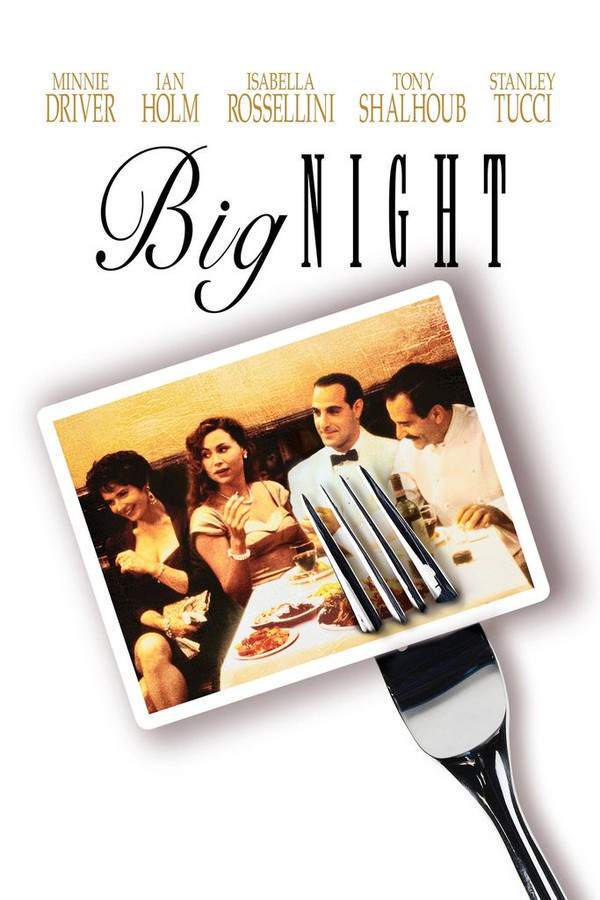
Big Night

Two Italian immigrant brothers, Primo and Secondo, work tirelessly to keep their Jersey Shore restaurant, Paradise, from closing. Facing financial hardship, they seize an opportunity to cater a lavish dinner party for singer Louis Prima and his orchestra. Determined to showcase their authentic cuisine and passion, the brothers prepare an elaborate and unforgettable meal, hoping it will be their last chance to save their dream.
Where to Watch Big Night?
Find where to stream, rent, or buy Big Night (1996) in the US with current JustWatch availability, up-to-date pricing, and platform listings for subscription, rental, and digital purchase options.











Streaming availability powered by 
Warning: spoilers below!
Haven’t seen Big Night yet? This summary contains major spoilers. Bookmark the page, watch the movie, and come back for the full breakdown. If you're ready, scroll on and relive the story!
Big Night (1996) – Full Plot Summary & Ending Explained
Read the complete plot breakdown of Big Night (1996), including all key story events, major twists, and the ending explained in detail. Discover what really happened, and what it all means.
On the picturesque shores of New Jersey during the 1950s, two brothers from Calabria run a charming restaurant named Paradise. The elder brother, Primo, is a talented and meticulous chef who struggles against the disappointing expectations of their few customers who desire "Americanized" Italian dishes. As time passes, the prospect of returning to Rome to assist their uncle at his restaurant becomes increasingly appealing to Primo.
In contrast, the younger brother, Secondo, manages the restaurant and is captivated by the transformative promise of their American life. However, despite Secondo's tireless efforts and Primo's culinary brilliance, Paradise is unable to achieve the success it desperately needs.
Secondo's business challenges complicate his personal life, particularly his relationship with his girlfriend, Phyllis. He finds himself entangled in an affair with Gabriella, the spouse of a rival restaurant owner. Her husband's establishment, Pascal's, thrives even though it serves mediocre dishes, leading Secondo to feel increasingly trapped.
In a bid to save Paradise, Secondo approaches Pascal for a loan. Pascal declines but offers an alternative that he believes will bring the brothers success: he promises to tempt the renowned Italian-American singer, Louis Prima, to dine at their restaurant, asserting that this would rejuvenate their business. Excited, Primo and Secondo pour their heart and soul into planning for this momentous evening, investing their savings into a splendid feast featuring a magnificent timpano.
The night of the celebration arrives, and guests indulge in Primo's exquisite preparations. However, as the hours slip by, it becomes clear that Louis Prima is a no-show. Although a reporter has come to cover the event, expressing intentions to send a food critic, the mood shifts dramatically when Phyllis discovers Secondo's affair with Gabriella, prompting her to flee to the beach. In a shocking revelation, Pascal confesses to Secondo that he never reached out to Prima, exposing a scheme to undermine the brothers.
After a heated confrontation between Primo and Secondo that ignites their underlying tensions, Secondo follows Phyllis to the beach for what turns into a final confrontation. With the dawn approaching, Secondo quietly prepares an omelette, splitting it into portions for himself, Cristiano, and Primo. As they share a silent meal together, arms draped across each other’s shoulders, the brothers find a moment of connection amid their struggles, symbolizing their enduring bond even in adversity.
Last updated: November 16, 2024 at 15:28
Big Night (1996) Plot Questions Answered – Summary FAQ
Explore frequently asked questions about Big Night (1996) with spoiler-rich answers covering the full plot summary, major story beats, character motivations, hidden details, and ending meaning. This movie summary FAQ helps explain confusing scenes, plot twists, and narrative decisions in clear, searchable detail.
Why does Pascal trick the brothers with the Louis Prima dinner?
Pascal never intended to invite Louis Prima. He deliberately set up the brothers to prepare an elaborate feast as a way to sabotage them financially and emotionally. By promising success through Prima's visit, Pascal knew the brothers would invest their limited savings into the dinner, deepening their financial desperation. This was a calculated move to undermine a rival restaurant while appearing helpful.
Earlier, Pascal's restaurant Pascal's succeeds despite serving mediocre food, showing he prioritizes business tactics over culinary authenticity.
Why do Primo and Secondo have a final confrontation?
The confrontation erupts from accumulated tensions between the brothers. Primo resents that Secondo's business decisions have led to their restaurant's failure, while Secondo feels caught between his American ambitions and his brother's traditional values. The failed dinner, Pascal's betrayal, and the chaos of the evening finally trigger their deep-seated disagreements about the restaurant, their dreams, and their differing views on success in America.
Throughout the film, Primo expresses interest in returning to Rome to work at their uncle's restaurant, showing his wavering commitment to the American dream.
Why does Phyllis run to the beach after discovering Secondo's affair?
Phyllis discovers Secondo's affair with Gabriella during the chaotic celebration night. The revelation shatters her trust and she flees in emotional distress to the beach. This moment exposes how Secondo's personal choices have directly damaged his relationship, adding to the film's exploration of broken promises and the cost of chasing dreams.
Secondo's affair was already complicating his relationship with Phyllis earlier in the film.
What is the significance of the timpano in the movie?
The timpano is an elaborate Italian drum-shaped pasta dish that Primo prepares for the Louis Prima dinner. It represents the brothers' desperate hope and Primo's culinary artistry. The dish embodies their dream of proving that authentic Italian cuisine can succeed in America. Its prominent placement in the celebration scene makes the eventual failure even more poignant, as all their effort and savings go to waste.
The brothers invest their limited savings into the feast, showing how much they have riding on this single night.
Why does Secondo have an affair with Gabriella?
Secondo's affair with Gabriella stems from his growing frustration with the failing restaurant and his complicated life in America. Despite working tirelessly, he watches Pascal's mediocre restaurant thrive while Paradise struggles. Gabriella offers him emotional escape from his stress and disappointment. The affair also reflects the tension between Secondo's American aspirations and the disillusionment that comes with them.
Secondo is captivated by the transformative promise of American life but finds himself increasingly trapped by his circumstances.
Why does Paradise restaurant fail despite Primo's culinary skill?
Paradise fails because customers prefer Americanized Italian dishes over authentic cuisine. Primo refuses to compromise his traditional cooking, leading to few patrons who appreciate his talent. Combined with limited financial resources and competition from Pascal's successful but inferior restaurant, the business cannot sustain itself. The brothers' dream collapses under the weight of cultural mismatch and poor business decisions.
Early in the film, customers express disappointment with Primo's authentic dishes, preferring Americanized versions.
Why does Primo want to return to Rome?
Primo increasingly desires to return to Rome because his time in America has been frustrating. He feels his culinary talent is wasted on customers who don't appreciate authentic Italian cooking. The prospect of working at his uncle's restaurant in Rome represents a return to a place where his skills would be valued. This desire highlights Primo's conflict between his brother's American dreams and his own longing for a more appreciative culinary environment.
Primo's frustration with customer preferences is established early, showing his growing discontent.
What does the final omelette scene symbolize?
The final omelette scene symbolizes the brothers' resilient bond despite their failures and conflicts. After everything falls apart, the restaurant, the affair exposed, their confrontation, Secondo prepares a simple omelette as dawn breaks. Sharing this humble meal with Primo and their friend Cristiano, arms draped around each other, represents hope and reconciliation. It shows that even when their American dream collapses, their fraternal connection endures.
The brothers' underlying bond is hinted at throughout, even during moments of tension.
Why does Louis Prima not show up to the dinner?
Louis Prima never intended to come because Pascal never actually contacted him. The entire invitation was a fabrication. Pascal promised to lure the famous singer to Paradise as a way to help, but his real intention was to sabotage the brothers. The no-show exposes Pascal's deception and leaves the brothers humiliated, with a restaurant full of guests and a food critic on the way.
Pascal's confidence in his own restaurant's success hints at his willingness to see rivals fail.
Why does Secondo ask Pascal for a loan despite their rivalry?
Secondo approaches Pascal for a loan because Paradise is on the brink of closing and he is desperate to save the restaurant. Despite their rivalry, Secondo believes Pascal might help given their shared Italian heritage. This desperate move reveals Secondo's willingness to set aside pride when his dream is at stake, but it also puts him in a vulnerable position that Pascal exploits.
Secondo is determined to make a success of their American venture, driving his desperation.

Explore Movie Threads
Discover curated groups of movies connected by mood, themes, and story style. Browse collections built around emotion, atmosphere, and narrative focus to easily find films that match what you feel like watching right now.
Dramas about artistic integrity like Big Night
Stories of passionate creators facing the choice between purity and survival.If you liked the conflict between passion and pragmatism in Big Night, explore more movies like it. This collection features heartfelt stories of creators, chefs, and artists fighting for their vision against the pressures of the real world, often with bittersweet endings.
The Taste of Things
2023

Babette's Feast
1988

Restoration
2011
Big Night
1996

Portrait of a Cat Lady on Fire
2023

A Perfect Ending
2012

Bernard and Doris
2006

Sweet Bean
2016
The Cakemaker
2018

Marguerite
2016

Port of Seven Seas
1938

Salt on Our Skin
1992

The Sunlit Night
2020
Kitchen Stories
2004

Splendor in the Grass
1981
Narrative Summary
These narratives typically follow a dedicated individual or group whose unwavering commitment to their art form puts them at odds with financial reality or popular taste. The plot often builds towards a pivotal event—a performance, a meal, a showcase—that serves as a final test of their principles, culminating in an ending that acknowledges the cost of their passion, whether it leads to success or dignified failure.
Why These Movies?
Movies in this thread share a central thematic concern with authenticity and the personal cost of artistry. They are united by a bittersweet tone, a character-driven pace, and a profound empathy for their protagonists' struggles, creating a deeply resonant and introspective viewing experience.
Movies about sibling relationships like Big Night
Quiet dramas where family ties are tested by shared struggle and differing values.Fans of the brotherly dynamic in Big Night will find similar stories here. These films explore the unique bonds and rivalries between siblings, often set against a backdrop of a failing business or family endeavor, blending tense drama with poignant emotional moments.

Brothers and Sisters of the Toda Family
1941

My Brother’s Wedding
1983

Sister
2012
Big Night
1996
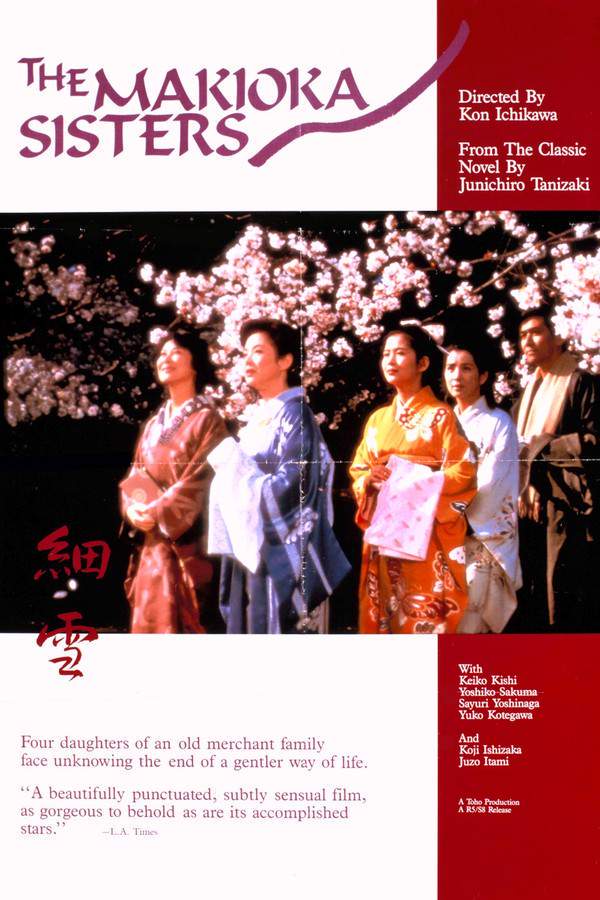
The Makioka Sisters (1983)
2011

Songs My Brothers Taught Me
2016
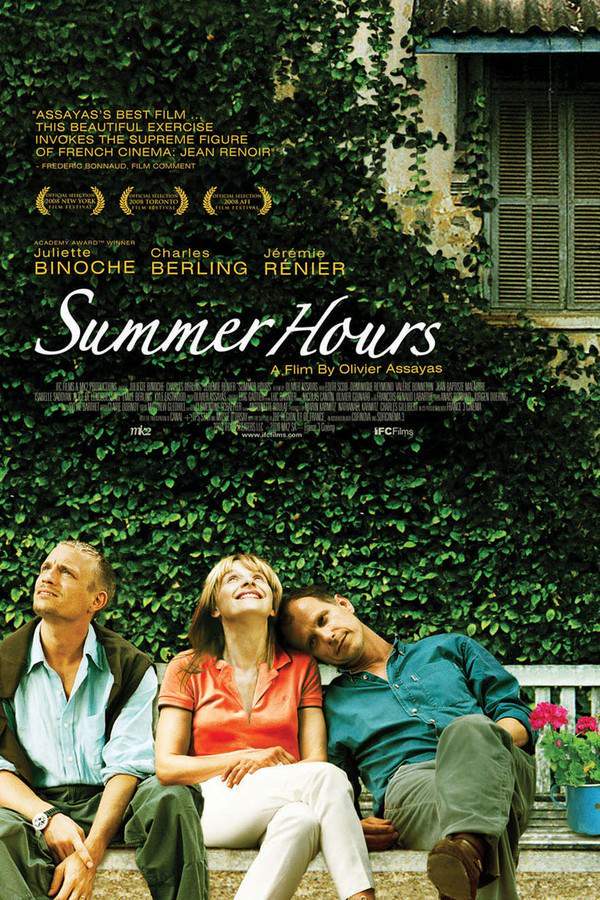
Summer Hours
2009

Family Romance, LLC
2020
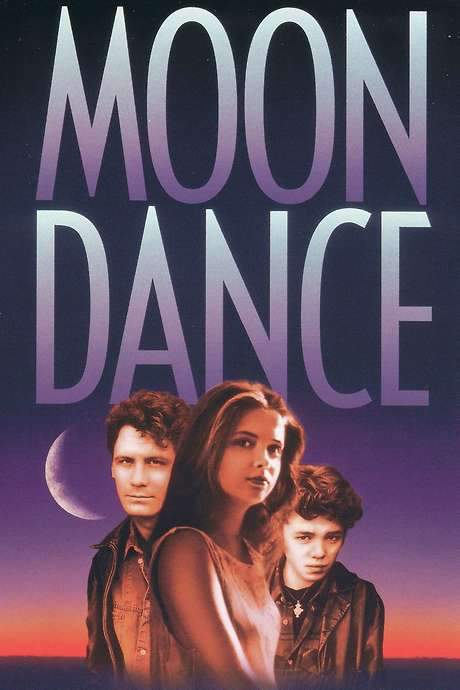
Moondance
1994

A Father’s Legacy
2020

My Happy Family
2017
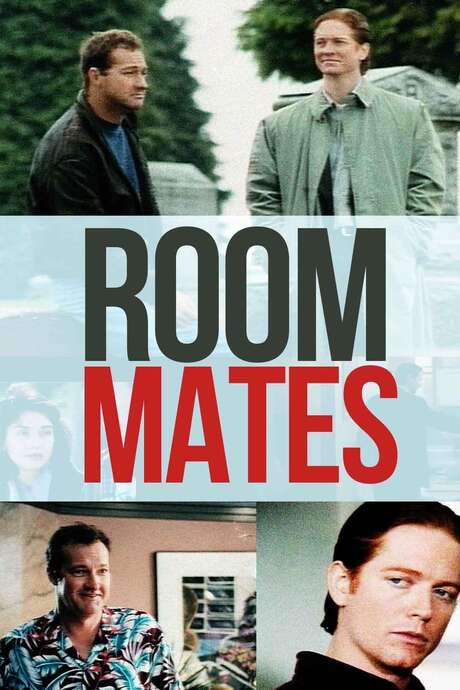
Roommates
1994

A Friend’s Betrayal
1996

Kaleidoscope
1990

Late Autumn
1960
Narrative Summary
The story revolves around two or more siblings who are partners in a venture—a business, a farm, a dream—that is failing. Their contrasting worldviews and methods create sustained tension. The plot forces them to work together toward a single, high-stakes goal, which ultimately leads to a moment of truth that either fractures or fortifies their relationship, rarely resulting in a simple happy ending.
Why These Movies?
These films are grouped by their deep focus on sibling dynamics as the core emotional engine. They share a slow, deliberate pacing that allows for rich character development, a medium intensity built from personal conflict, and a bittersweet or melancholic tone that reflects the complexities of family.
Unlock the Full Story of Big Night
Don't stop at just watching - explore Big Night in full detail. From the complete plot summary and scene-by-scene timeline to character breakdowns, thematic analysis, and a deep dive into the ending - every page helps you truly understand what Big Night is all about. Plus, discover what's next after the movie.
Big Night Timeline
Track the full timeline of Big Night with every major event arranged chronologically. Perfect for decoding non-linear storytelling, flashbacks, or parallel narratives with a clear scene-by-scene breakdown.

Characters, Settings & Themes in Big Night
Discover the characters, locations, and core themes that shape Big Night. Get insights into symbolic elements, setting significance, and deeper narrative meaning - ideal for thematic analysis and movie breakdowns.


Similar Movies to Big Night
Discover movies like Big Night that share similar genres, themes, and storytelling elements. Whether you’re drawn to the atmosphere, character arcs, or plot structure, these curated recommendations will help you explore more films you’ll love.
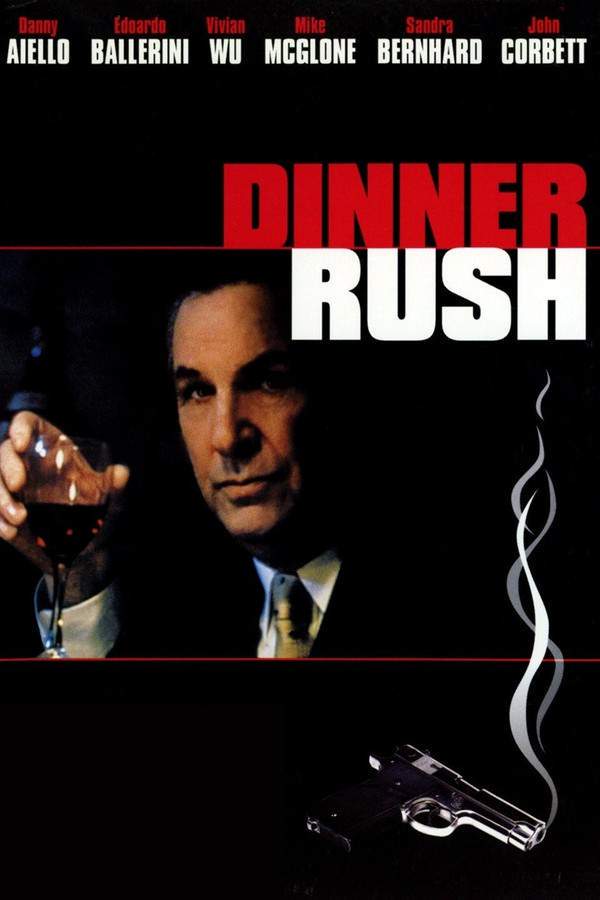
Dinner Rush
2001

Saturday Night Fever
1977
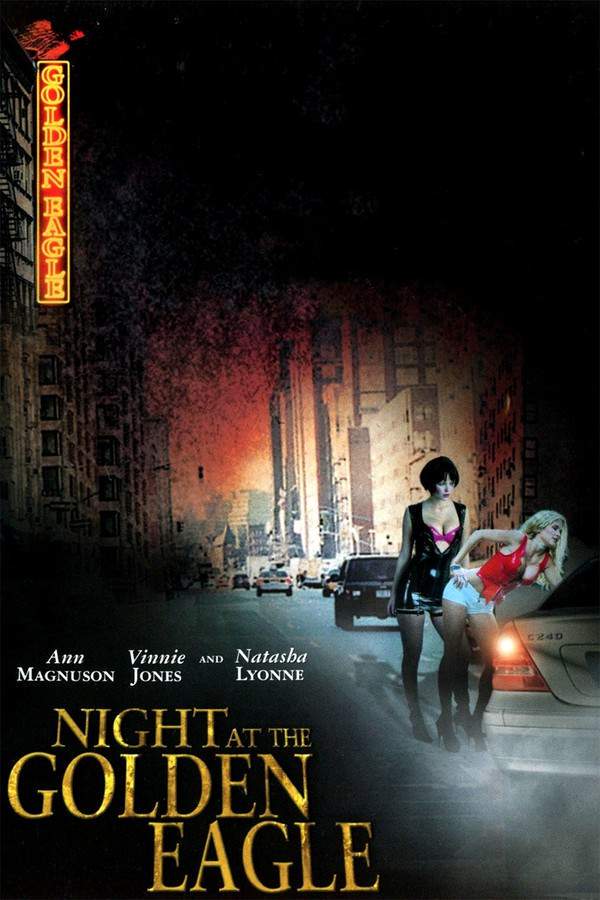
Night at the Golden Eagle
2002
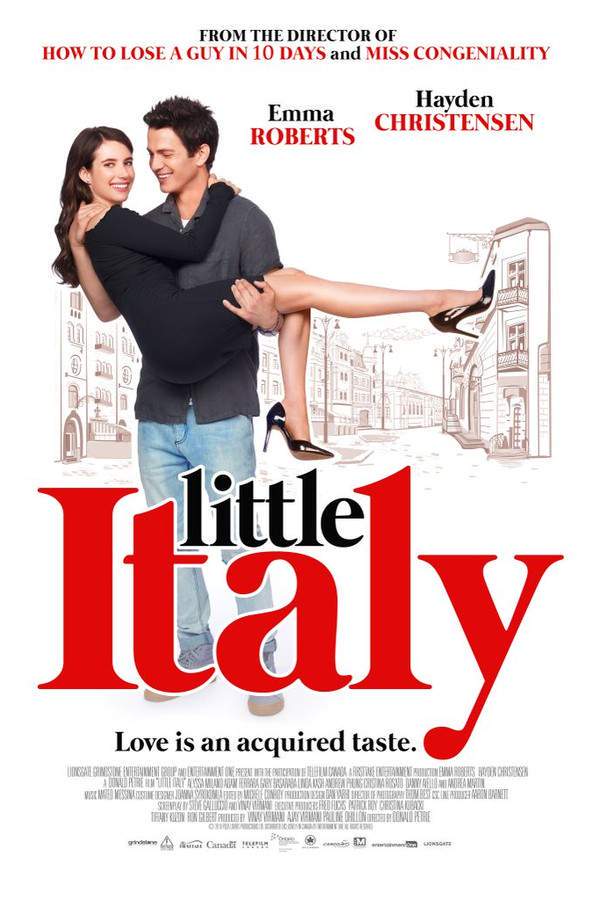
Little Italy
2018
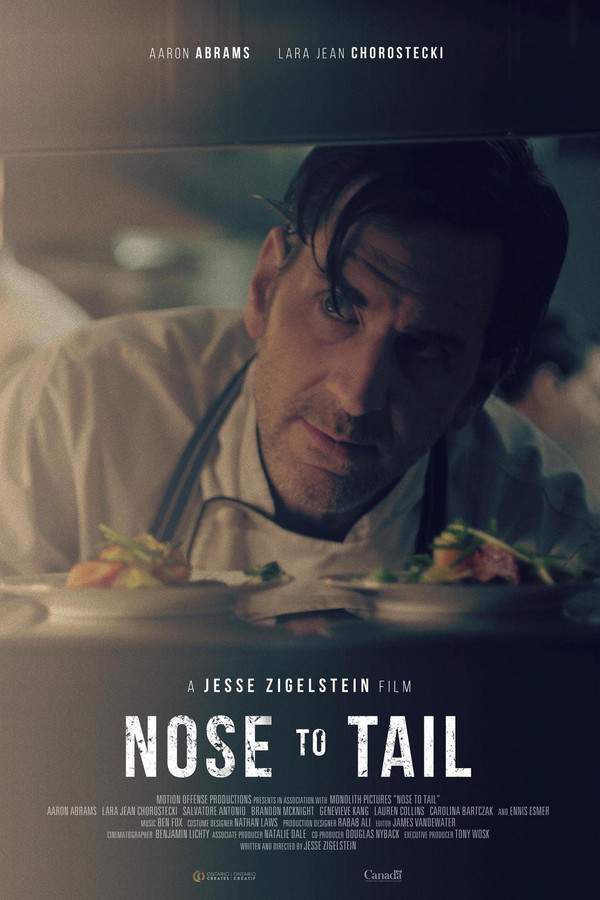
Nose to Tail
2020
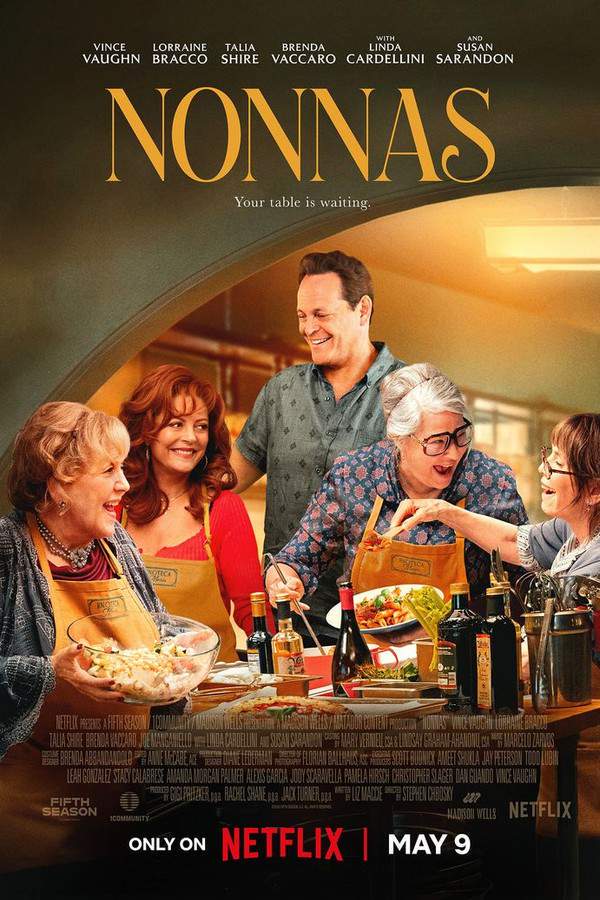
Nonnas
2025

The Night We Called It a Day
2003
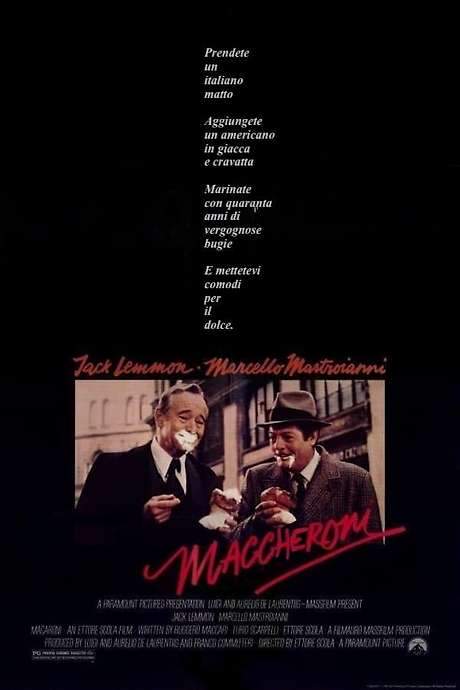
Macaroni
1985
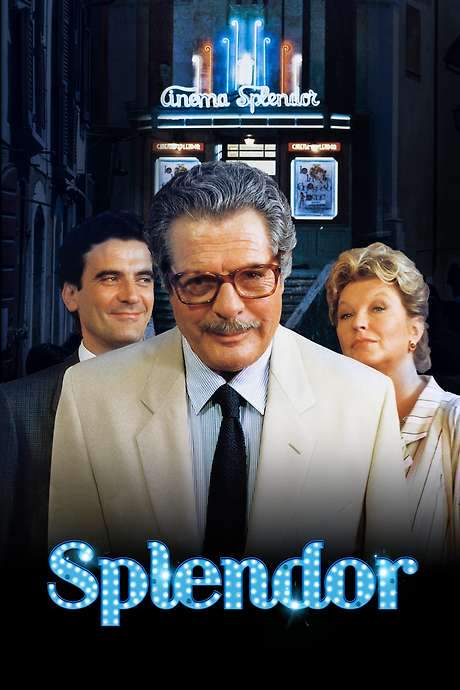
Splendor
1989

Sunday Dinner
2021

Last Night of Amore
2023

All Night Long
1962

The Big Night
1951

A Night at the Ritz
1935

Lookin’ Italian
1994
Explore More About Movie Big Night
Big Night (1996) Scene-by-Scene Movie Timeline
Big Night (1996) Movie Characters, Themes & Settings
Big Night (1996) Spoiler-Free Summary & Key Flow
Movies Like Big Night – Similar Titles You’ll Enjoy
Dinner Rush (2001) Detailed Story Recap
Saturday Night Fever (1977) Detailed Story Recap
Night at the Golden Eagle (2002) Movie Recap & Themes
Little Italy (2018) Detailed Story Recap
Nose to Tail (2020) Full Movie Breakdown
Nonnas (2025) Full Movie Breakdown
The Night We Called It a Day (2003) Movie Recap & Themes
Macaroni (1985) Ending Explained & Film Insights
Splendor (1989) Spoiler-Packed Plot Recap
Sunday Dinner (2021) Film Overview & Timeline
Last Night of Amore (2023) Complete Plot Breakdown
All Night Long (1962) Film Overview & Timeline
The Big Night (1951) Complete Plot Breakdown
A Night at the Ritz (1935) Full Summary & Key Details
Lookin’ Italian (1994) Spoiler-Packed Plot Recap