Plot Explained Spoilers guaranteed!
Plot Explained

Browse by genre

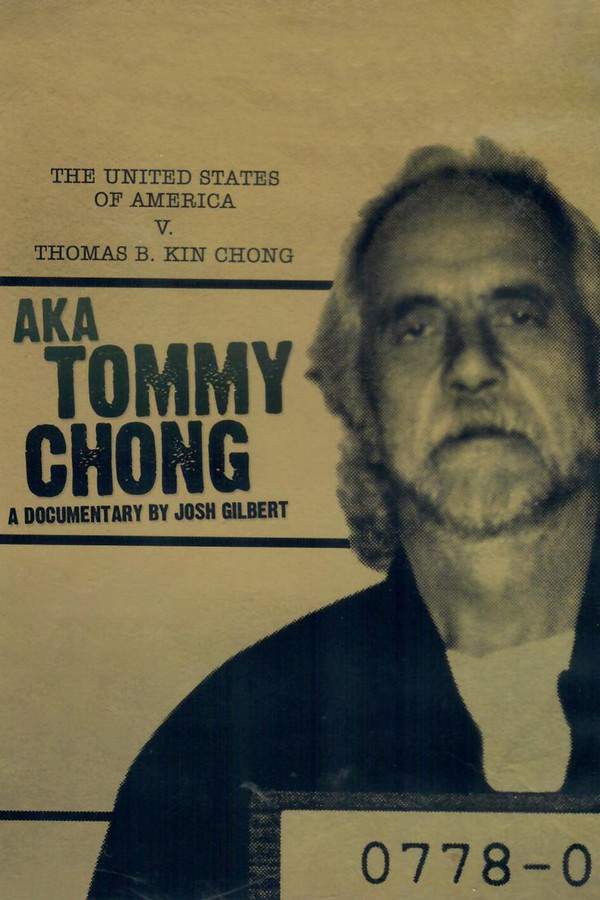
A/k/a Tommy Chong (2006) movie poster

Timeline

A/k/a Tommy Chong (2006) Timeline Explained – Every Event in Order

Release, runtime and language
2006 · 80 min · English
Loading streaming availability…
Directed by
Josh Gilbert

This unflinching documentary follows comedian Tommy Chong, one half of the legendary "Cheech & Chong," as he confronts the repercussions of a widely publicized arrest involving drug paraphernalia. Through Gilbert's lens, the film explores Chong's life journey, from his beginnings in stand-up comedy to the challenges of incarceration, offering a revealing look at his experiences and highlighting the complexities and absurdities of the legal system.

On this page (6)
  1. 1 Where to watch
  2. 2 Events in order (12)
  3. 3 Timeline questions answered
  4. 4 Movie threads
  5. 5 Movies like A/k/a Tommy Chong
  6. 6 Every angle
Loading streaming availability…

12 events in order · contains spoilers

A/k/a Tommy Chong Timeline: Events in Chronological Order

Every key event of A/k/a Tommy Chong (2006) in order, scene by scene, with when and where it takes place. Use it to untangle flashbacks, time jumps and parallel storylines, to refresh your memory before the sequel or to find the exact scene you are thinking of.

  1. Operation Pipe Dreams Launched

    In February 2003, the Justice Department initiated Operation Pipe Dreams, a national sting operation targeting drug paraphernalia. This operation was led by former Attorney General John Ashcroft and aimed to crackdown on the sale and distribution of items associated with marijuana use.

    When
    February 2003
  2. SWAT Team Raids Chong's Home

    On a day in February, a heavily armed SWAT team unexpectedly stormed the home of Tommy Chong, a 65-year-old comedian and pro-marijuana advocate. This shocking raid was executed as part of the broader operation aimed at drug paraphernalia distribution.

    Where
    Tommy Chong's Home
  3. Chong Arrested

    Following the SWAT raid, Tommy Chong was arrested on charges related to conspiracy and distribution of drug paraphernalia. The dramatic nature of the raid highlighted the lengths to which law enforcement was willing to go in their fight against perceived drug-related offenses.

    Where
    Tommy Chong's Home
  4. Trial and Sentencing

    Chong's trial proceeded after his arrest, where he was the only defendant out of 55 to receive a significant jail sentence. Ultimately, he was sentenced to nine months in prison, a sentence that many considered excessively harsh given his lack of prior convictions.

    Where
    Court
  5. Prosecution's Argument

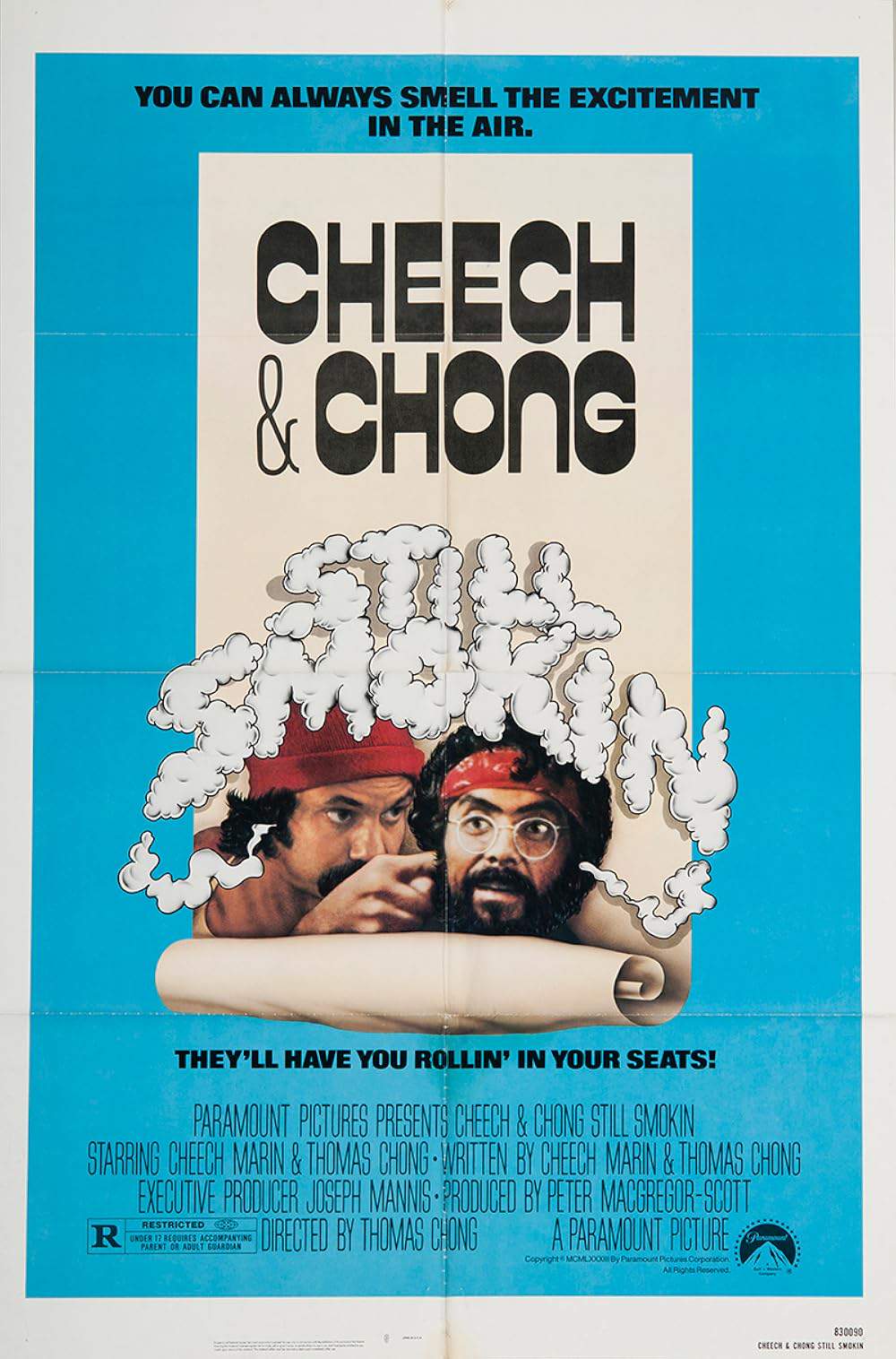
    During the trial, the prosecution referenced Chong's cult classic film, *Up In Smoke*, arguing that it trivialized law enforcement's efforts against marijuana trafficking. This claim played a key role in framing Chong as a criminal, despite his comedic persona.

    Where
    Court
  6. Ebert's Commentary

    Noted film critic Roger Ebert commented on the case, stating that one does not need to approve of drugs to feel offended by the prosecution's tactics. This remark highlighted the broader implications of legal actions against individuals involved in culture and entertainment.

  7. Chong's Identity at Stake

    The film explores how Tommy Chong's identity as a pro-marijuana advocate made him a target for an aggressive Justice Department. It reveals the intersection of personal belief and legal scrutiny within the context of the War on Drugs.

  8. Financial Cost of Operation

    Operation Pipe Dreams proved to be a costly venture for taxpayers, draining an estimated $12 million. This financial burden raises questions about the effectiveness and rationality of such widespread law enforcement operations.

  9. Chong's Reflective Quote

    In a sardonic commentary on the absurdity of his situation, Tommy Chong remarked, 'The only weapons of mass destruction the Bush administration has found... are my bongs.' His statement symbolizes the ridiculousness of the charges against him in the wake of a larger political narrative.

  10. Public Reaction

    The public's response to Chong's arrest and sentencing was mixed, with many viewing it as an example of government overreach. The case sparked numerous discussions around marijuana legalization and the ongoing cultural stigma associated with drug use.

  11. Chong's Release

    After serving his nine-month sentence, Tommy Chong was released from prison. His time in incarceration had a significant impact on both his perspective and the wider conversation surrounding drug policy in the United States.

  12. Post-Prison Advocacy

    Following his release, Chong became more vocal about marijuana advocacy, leveraging his experiences to educate others on drug policy and reform. His journey transformed him into a key figure in discussing the relevance of fair legal treatment for drug-related offenses.

Last updated: November 02, 2024 at 13:56

Was this helpful?

Timeline questions answered

A/k/a Tommy Chong Timeline Explained: Your Questions Answered

When does it happen, and why in that order? The questions people ask about the chronology of A/k/a Tommy Chong (2006): time jumps, flashbacks, cause and effect between scenes and the correct order of events, each answered with spoilers.

Q1

Why was Tommy Chong specifically targeted in Operation Pipe Dreams?

Tommy Chong was targeted because of his public identity as a pro-marijuana comedian. The Justice Department viewed his celebrity status and advocacy as a direct challenge to their anti-drug efforts. His cult classic film *Up In Smoke* was cited by prosecutors as evidence that he had profited from trivializing marijuana use, making him a high-profile example in the crackdown on drug paraphernalia.

  • operation pipe dreams
  • targeted
  • pro-marijuana
  • justice department
  • celebrity
Q2

Why did Tommy Chong serve jail time when the other 54 defendants didn't?

Chong was the only defendant out of 55 to receive a jail sentence despite having no prior convictions. The prosecution argued that his celebrity status and cultural influence made him a more significant threat, using his films as evidence of intentional wrongdoing. His high profile made him an ideal target for demonstrating the government's commitment to the War on Drugs, even if the sentence was widely considered excessive.

  • jail sentence
  • defendants
  • prosecution
  • unfair
  • single defendant
Q3

How did the prosecution use *Up In Smoke* against Tommy Chong in court?

The prosecution referenced the 1978 film *Up In Smoke* to argue that Chong had deliberately profited from mocking law enforcement's efforts to combat marijuana trafficking. They claimed the film demonstrated his intent to undermine drug enforcement, framing his comedy as a criminal enterprise rather than entertainment. This unusual argument tied his artistic work directly to the criminal charges.

  • up in smoke
  • prosecution evidence
  • court
  • film reference
  • intent
Q4

How much did Operation Pipe Dreams cost taxpayers?

Operation Pipe Dreams drained approximately $12 million from taxpayers' wallets. This sting operation involved nationwide raids and prosecutions targeting drug paraphernalia sellers. The high cost, combined with Chong's nine-month sentence for what many viewed as a minor offense, raised serious questions about the operation's effectiveness and priorities.

  • taxpayer cost
  • 12 million
  • operation pipe dreams
  • government spending
Q5

Why was Tommy Chong's nine-month sentence considered overly harsh?

The sentence was viewed as excessively harsh because Chong had no prior criminal convictions, while many other defendants received probation or fines. His status as a first-time offender made the jail time disproportionate, especially for a non-violent offense involving products that were legal in many states. Roger Ebert noted that even people who don't approve of drugs were offended by the prosecution's tactics.

  • nine month sentence
  • harsh sentence
  • first time offender
  • disproportionate
Q6

What did Tommy Chong mean by his 'weapons of mass destruction' comment?

Chong sarcastically remarked that the only weapons of mass destruction the Bush administration found were his bongs, mocking the seriousness with which his case was treated. This comment highlighted the absurdity of his situation, facing severe charges for drug paraphernalia during a period when the country was focused on actual weapons of mass destruction in Iraq. It became a defining statement about the disproportionate nature of his prosecution.

  • weapons of mass destruction
  • bongs
  • sarcastic quote
  • absurdity
Q7

How did Tommy Chong's prison experience affect his advocacy work?

After serving his nine-month sentence, Chong became more vocal about marijuana advocacy and drug policy reform. His personal experience with the legal system transformed him from a comedian into a more serious advocate for change. He used his platform to educate others about the injustices of drug laws and the need for reform, leveraging his notoriety to push for policy changes.

  • post-prison advocacy
  • marijuana legalization
  • drug policy reform
  • public speaker
Q8

Why did a SWAT team raid Tommy Chong's home?

In February 2003, a heavily armed SWAT team stormed Chong's home as part of Operation Pipe Dreams, a national sting operation targeting drug paraphernalia. The dramatic, militarized approach was typical of the operation's tactics, which aimed to make examples of high-profile targets. The raid on a 65-year-old comedian highlighted the aggressive nature of the crackdown.

  • swat raid
  • february 2003
  • operation pipe dreams
  • home raid
Q9

What was Roger Ebert's comment on Tommy Chong's case?

Film critic Roger Ebert famously stated that one does not need to approve of drugs to be offended by the prosecution's tactics against Chong. His comment captured the widespread feeling that the government had overreached in its pursuit of the comedian. Ebert's critique lent cultural weight to the debate about the reasonableness of Chong's prosecution.

  • roger ebert
  • critic
  • offended
  • commentary
  • cultural criticism

Movie threads

More Movies Like A/k/a Tommy Chong, by Mood & Story

Curated lists built around what makes A/k/a Tommy Chong tick: the same mood, the same kind of story or the same emotional payoff. Each list explains why these movies belong together.

Witty Political Documentaries Like A/k/a Tommy Chong

Films that expose the absurdity and injustice of the system with humor and insight. Explore movies like 'A/k/a Tommy Chong' that blend documentary realism with biting humor to critique government overreach and legal absurdity. These films offer a similar mix of revealing personal stories, critical insight, and a sardonic tone that makes complex issues both accessible and impactful.

  • sardonic
  • critical
  • revealing
  • humorous
  • reflective
  • alarming
  • Tone: sardonic, critical, bittersweet
  • Pacing: steady, explanatory
Why these movies?

The story pattern: These films typically follow a central figure or event as a case study to explore broader societal issues. The narrative unfolds through a mix of interviews, archival footage, and reflective commentary, building a compelling argument while maintaining a tone that balances gravity with ironic humor.

Why they belong together: Movies are grouped here for their shared focus on exposing injustice through a lens of sardonic wit and personal resilience. They share a medium intensity, a steady pacing that builds a clear argument, and a bittersweet tone that acknowledges both the absurdity and the real human cost of the events depicted.
Documentaries About Absurd Legal Ordeals Like A/k/a Tommy Chong

Stories of individuals navigating Kafkaesque legal battles with resilience and wit. If you liked the personal legal battle in 'A/k/a Tommy Chong', find more movies about individuals confronting bewildering and absurd justice systems. These documentaries and dramas share a straightforward narrative, mixed emotional endings, and a focus on civil liberties and celebrity persecution.

  • reflective
  • alarming
  • absurdist
  • revealing
  • critical
  • resilient
  • Tone: reflective, alarming, bittersweet
  • Pacing: steady, linear
Why these movies?

The story pattern: The narrative pattern follows an ordinary person or public figure who becomes entangled in an extraordinary legal situation. The journey often involves investigation, trial, and incarceration, charting the psychological and emotional impact of the process while questioning the fairness and logic of the system itself.

Why they belong together: These movies are connected by their shared theme of a single individual's confrontation with an overwhelming legal apparatus. They possess a medium emotional weight, a straightforward narrative complexity that clearly presents cause and effect, and a reflective mood that invites the audience to consider the larger implications.

If you liked this

Movies Like A/k/a Tommy Chong

Similar movies to A/k/a Tommy Chong: the same genre, themes or kind of story. Each one comes with its own plot summary, timeline and ending explained.

Browse all movie summaries

Every angle

A/k/a Tommy Chong (2006) Explained: Plot, Timeline & Characters

Everything about A/k/a Tommy Chong in one place: what happens in the plot summary, the timeline in chronological order, the characters and meaning and a spoiler-free summary. What's After the Movie adds the cast, box office and post-credit scenes.

Coming soon on iOS and Android

The Plot Explained Movie Summary App

Plot summaries, endings explained and timelines on your phone. Catch up on any movie in minutes, save your favorites and never miss a twist again.

Be the first to know when we launch. Your email stays private, always.

Learn more about the app