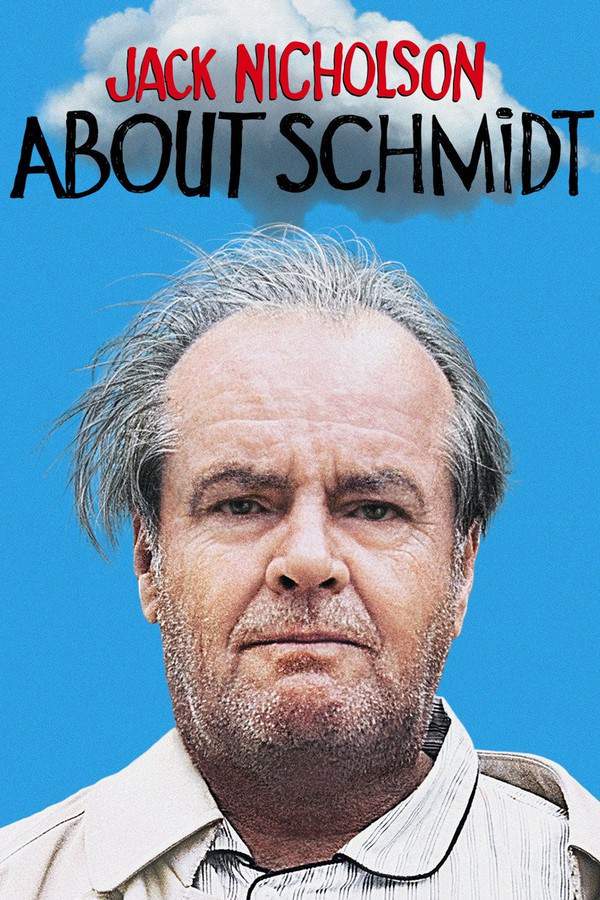
Year: 2002
Runtime: 125 min
Language: English
Director: Alexander Payne
Budget: $30M
Warren Schmidt, a recently retired actuary, finds his carefully constructed life disrupted as he contemplates his future. Facing the recent loss of his wife and his daughter's upcoming marriage to a man he doesn't approve of, he embarks on a journey of self-discovery. He grapples with feelings of emptiness and inadequacy while navigating the challenges of middle age and re-evaluating his past choices.
Warning: spoilers below!
Haven’t seen About Schmidt yet? This summary contains major spoilers. Bookmark the page, watch the movie, and come back for the full breakdown. If you're ready, scroll on and relive the story!
Read the complete plot breakdown of About Schmidt (2002), including all key story events, major twists, and the ending explained in detail. Discover what really happened—and what it all means.
The film begins with a glimpse of the Woodmen Building in Omaha, NE, where Warren Schmidt (Jack Nicholson), an actuary, is seemingly counting down the seconds until his retirement at five o’clock. Surrounded by packed boxes in his dreary office, it’s clear this day marks the end of an era for Warren. As the clocks strikes five, Warren gathers his belongings, switches off the lights, and leaves with a heavy heart.
Later that night, Warren and his wife Helen are en route to his retirement dinner at a local steakhouse. The event is somber, with little fanfare, as Warren’s successor gives a perfunctory tribute. His best friend and colleague, Ray (Dermot Mulroney), delivers a heartfelt, albeit drunken, speech that moves Warren but also underscores his discomfort about leaving the workforce. After the party, feeling discontent with the direction his life is heading, Warren excuses himself to the bar for a drink.
Upon returning home, Warren feels the weight of uncertainty settle in as their daughter Jeannie calls to share her excitement about her upcoming wedding. During their brief conversation, Helen hints to Warren about being more amiable towards Jeannie’s fiancé. Just days after retirement, as Warren continues to search for purpose, Helen surprises him with their new Winnebago, teasing about their future adventures. However, Warren’s facade of enthusiasm quickly fades when he visits his old office only to find his replacement indifferent and dismissive. Disheartened, he observes his old files discarded in a dumpster, symbolizing his abandonment.
As the days go by, Warren grapples with feelings of loneliness while passively binge-watching television. One particular ad for a Third World relief fund captures his attention, featuring a voiceover by Angela Lansbury, prompting him to “adopt” a young Tanzanian boy named Ndugu. After receiving his adoption packet, Warren pens a letter to Ndugu, humorously reflecting on his life and his frustrations about feeling sidelined after years of hard work, eventually veering into rants about his personal life.
Warren’s world is soon shattered when he discovers Helen unconscious on the floor, leading to her unexpected death. Jeannie and her fiancé Randall arrive for the funeral, with tensions rising over the choices Warren makes regarding Helen’s burial arrangements. Jeannie insists on proceeding with the wedding despite their mother’s passing, further straining their relationship. In the wake of the funeral, Warren writes Ndugu another letter, attempting to amend the negative remarks he made about Helen.
While going through Helen’s belongings, Warren stumbles upon love letters addressed to “My darling Helen,” leading to the disheartening realization that she had an affair. Overcome with rage, he confronts Ray, who tries to defend his actions from decades ago, resulting in a physical altercation. With a sense of emptiness and nowhere to turn, Warren resolves to head to Denver unannounced.
On his journey in the Winnebago, Warren reflects on his past while writing to Ndugu about his road trip experiences and the mundane sites he visits. Upon reaching Denver, he finds himself engulfed by the chaotic household of Randall’s mother, Roberta (played by Kathy Bates), whose loud, boisterous nature unnerves him. Amidst tense family dinners filled with bickering and awkward encounters, Warren attempts to convince Jeannie to reconsider her marriage to Randall.
Roberta soon takes on a maternal role, much to Warren’s dismay, leading to comical situations that involve inappropriate conversations. As the wedding day dawns, Warren feels a mix of anxiety and sorrow. He manages to deliver an emotional speech at the ceremony, a tribute to Helen and a reflection on his love for Jeannie, but quickly retreats to regain his composure.
In the following days, as Warren drives back home, he pens yet another letter to Ndugu, expressing his feelings of insignificance and the mundane nature of his existence. His return to an empty house filled with unopened mail further emphasizes this void, but he finds solace in a letter from the nun at Ndugu’s orphanage. The note reveals that Ndugu cherishes Warren’s letters and even enjoys painting. Enclosed is a simple yet poignant drawing of two stick figures—one child and one adult—holding hands, symbolizing a connection that transcends their realities. Overwhelmed by emotions, Warren finally realizes he has, in fact, made a difference in someone’s life, prompting a moment of cathartic release.
Last Updated: October 27, 2024 at 16:59
Discover curated groups of movies connected by mood, themes, and story style. Browse collections built around emotion, atmosphere, and narrative focus to easily find films that match what you feel like watching right now.
Characters in their autumn years embarking on quests to find meaning and purpose.Discover movies like About Schmidt that explore late-life journeys and finding purpose. If you enjoyed Warren Schmidt's reflective road trip, you'll appreciate these similar stories about retirees and older characters grappling with meaning, loss, and self-discovery in their autumn years.
Stories in this thread typically follow a linear path, triggered by a disruptive event that forces an older character out of their routine. The journey is both physical and emotional, often involving travel or revisiting the past, leading to a bittersweet realization that meaning can be found in small, unexpected connections rather than grand resolutions.
These films are grouped by their shared focus on the existential concerns of aging, a melancholic yet gently humorous tone, and a slow, character-driven pace that allows for deep reflection. They resonate with viewers seeking thoughtful, poignant stories about the later chapters of life.
Everyday stories blending subtle humor with the poignant sadness of ordinary life.If you liked the dry humor and poignant realism of About Schmidt, explore these similar bittersweet dramedies. This list features movies that blend comedy and drama in a straightforward, character-focused way, capturing the melancholic yet funny truths of everyday life and family dynamics.
The narrative pattern involves a central character facing a cascade of relatable, medium-stakes life problems—career disillusionment, family estrangement, personal inadequacy. The conflict is internal and interpersonal, resolved not with dramatic climaxes but with small, nuanced moments that lead to a bittersweet acceptance of life's imperfections.
This thread connects films through their distinctive tone: a masterful blend of melancholy and dry, often uncomfortable humor. They share a medium emotional weight, a straightforward narrative complexity, and a slow, observational pace that makes the emotional moments land with quiet power.
Don't stop at just watching — explore About Schmidt in full detail. From the complete plot summary and scene-by-scene timeline to character breakdowns, thematic analysis, and a deep dive into the ending — every page helps you truly understand what About Schmidt is all about. Plus, discover what's next after the movie.
Track the full timeline of About Schmidt with every major event arranged chronologically. Perfect for decoding non-linear storytelling, flashbacks, or parallel narratives with a clear scene-by-scene breakdown.
Discover the characters, locations, and core themes that shape About Schmidt. Get insights into symbolic elements, setting significance, and deeper narrative meaning — ideal for thematic analysis and movie breakdowns.
Get a quick, spoiler-free overview of About Schmidt that covers the main plot points and key details without revealing any major twists or spoilers. Perfect for those who want to know what to expect before diving in.
Visit What's After the Movie to explore more about About Schmidt: box office results, cast and crew info, production details, post-credit scenes, and external links — all in one place for movie fans and researchers.
Discover movies like About Schmidt that share similar genres, themes, and storytelling elements. Whether you’re drawn to the atmosphere, character arcs, or plot structure, these curated recommendations will help you explore more films you’ll love.
About Schmidt (2002) Scene-by-Scene Movie Timeline
About Schmidt (2002) Movie Characters, Themes & Settings
About Schmidt (2002) Spoiler-Free Summary & Key Flow
Movies Like About Schmidt – Similar Titles You’ll Enjoy
You, Me and Dupree (2006) Film Overview & Timeline
Baden Baden (2016) Full Summary & Key Details
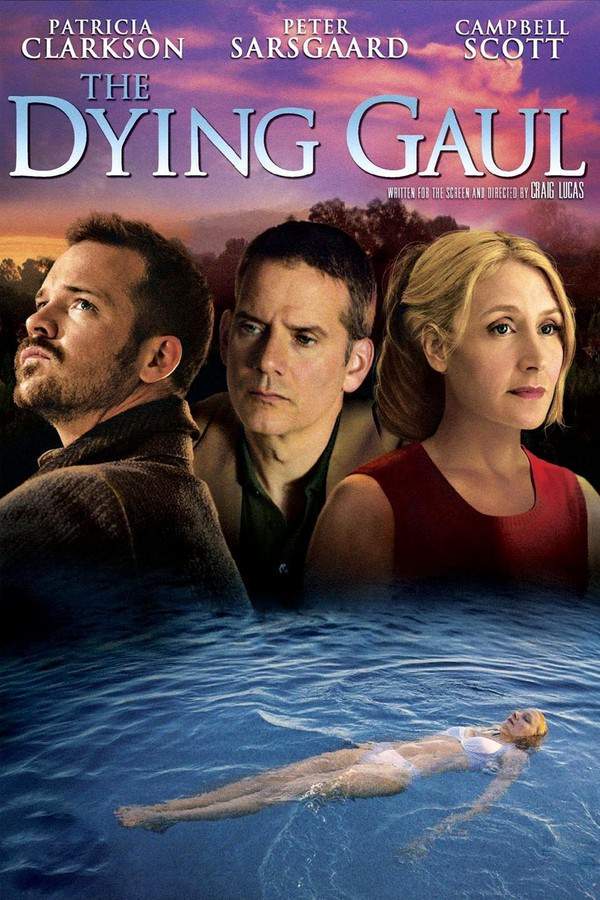
The Dying Gaul (2005) Movie Recap & Themes
Hello I Must Be Going (2012) Film Overview & Timeline
Goodbye to All That (2014) Movie Recap & Themes
The Comedy (2012) Movie Recap & Themes
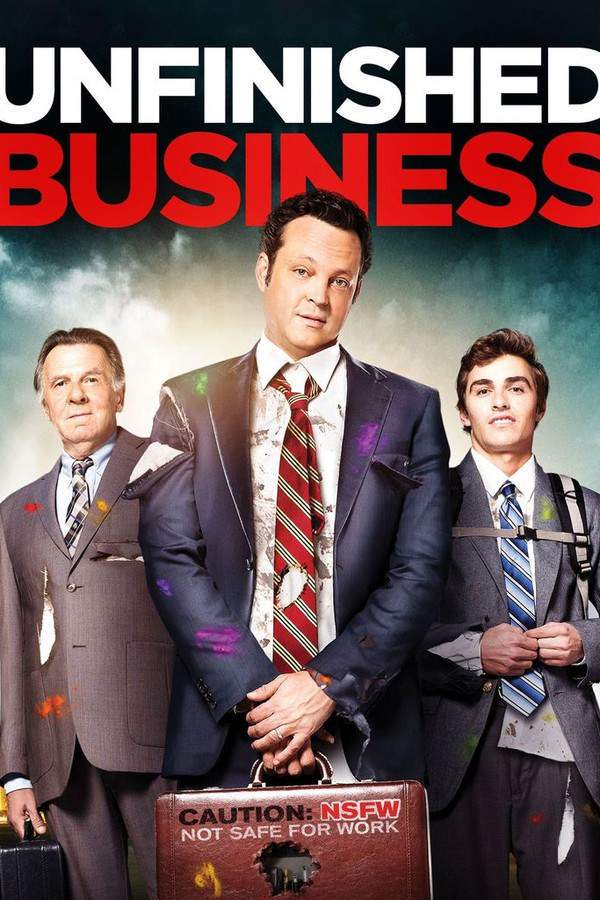
Unfinished Business (2015) Story Summary & Characters
Duets (2000) Complete Plot Breakdown
Natural Selection (2012) Full Summary & Key Details
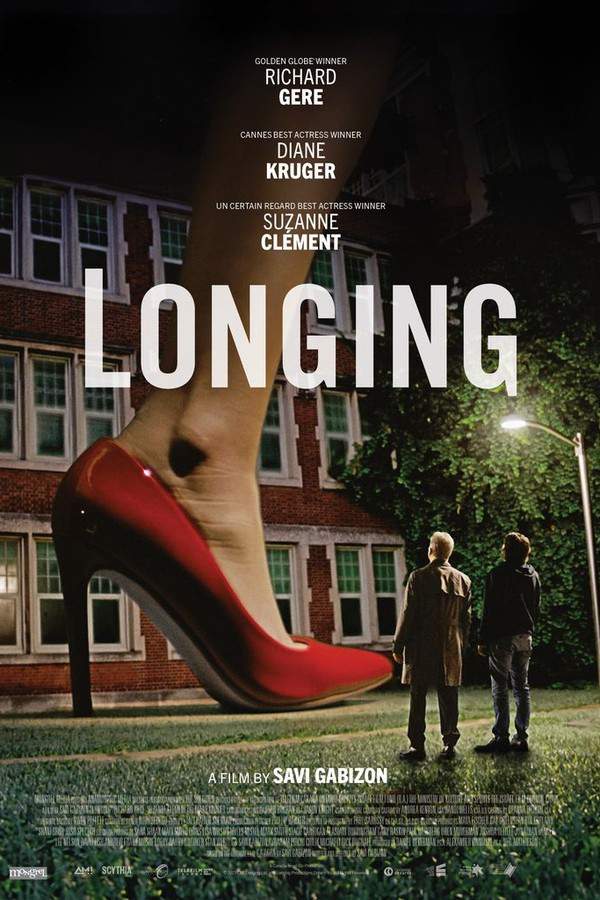
Longing (2024) Movie Recap & Themes
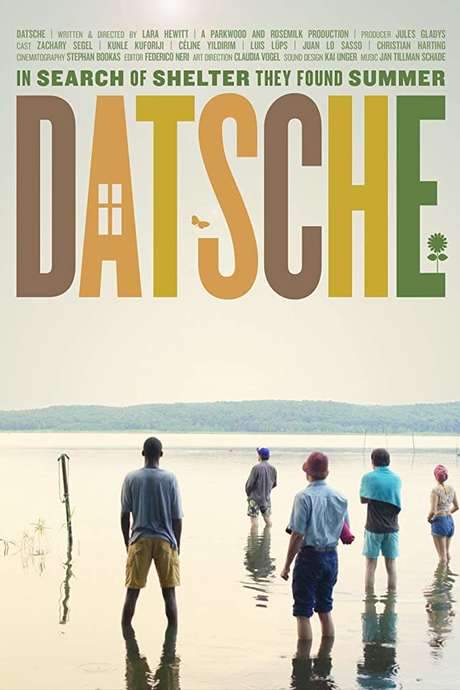
Datsche (2019) Ending Explained & Film Insights
Naked (2002) Detailed Story Recap
Numb (2007) Plot Summary & Ending Explained
Fandango (1985) Spoiler-Packed Plot Recap
Men… (1985) Movie Recap & Themes